Table of Contents >> Show >> Hide
- What exactly is acute blood loss anemia?
- Common causes
- Symptoms: what you may feel (and what clinicians look for)
- How it’s diagnosed
- Treatment: what actually fixes acute blood loss anemia
- Complications and why follow-up matters
- Prevention: lowering your odds of a repeat episode
- When to seek urgent or emergency care
- Real-life experiences: what this can feel like (and what recovery often looks like)
- Conclusion
Acute blood loss anemia is what happens when your body loses red blood cells faster than it can replace themusually because you’re bleeding, and you’re bleeding now. It’s not the slow “I’ve been a little tired for months” kind of anemia; it’s the “my heart is trying to run a 5K while I’m lying down” kind.
The big deal isn’t just the drop in hemoglobin. It’s the sudden hit to your circulating blood volume and oxygen delivery. If the bleeding is heavy enough, your body can slide into hypovolemic (hemorrhagic) shock, where vital organs don’t get the blood flow they need. That’s why acute blood loss anemia is treated like an emergency firstand an anemia problem second.
What exactly is acute blood loss anemia?
“Anemia” means there aren’t enough red blood cells (or enough hemoglobin inside them) to carry oxygen effectively. In acute blood loss anemia, the cause is straightforward: rapid blood loss. Your body can ramp up compensationheart rate rises, blood vessels tighten, and hormones try to hold onto fluidbut there’s only so much MacGyvering your physiology can do.
One quirky detail: right after major bleeding, your hemoglobin and hematocrit may look “not that low” on labs at first. That’s because you’ve lost plasma and red cells together. Over the next hours, as fluids shift (or IV fluids are given), the blood becomes more diluted and the hemoglobin often drops more clearly.
Common causes
Acute blood loss anemia usually comes from hemorrhagebleeding that may be obvious (external) or hidden (internal). Here are the usual suspects:
1) Trauma and accidents
- Car crashes, falls, penetrating injuries (stabs, gunshot wounds)
- Major cuts or amputations
- Internal bleeding from solid-organ injury (spleen, liver) or pelvic fractures
2) Gastrointestinal (GI) bleeding
- Bleeding ulcers (often linked to NSAIDs like ibuprofen/naproxen, or H. pylori)
- Esophageal or gastric varices (commonly from liver disease)
- Diverticular bleeding, angiodysplasia
- Colon polyps or colon cancer
GI bleeding can announce itself with black, tarry stools (melena), bright red blood (hematochezia), or vomiting blood (hematemesis). Or it can be sneaky and only show up as dizziness, weakness, and a racing pulse.
3) Surgery and procedural bleeding
- Intraoperative blood loss
- Postoperative bleeding (e.g., from a surgical site)
- Bleeding complications after biopsies or vascular procedures
4) Obstetric and gynecologic bleeding
- Postpartum hemorrhage (after delivery)
- Placenta accreta spectrum-related bleeding
- Severe acute abnormal uterine bleeding
- Ectopic pregnancy rupture (a true emergency)
5) Vascular catastrophes
- Ruptured abdominal aortic aneurysm
- Ruptured ectopic pregnancy
- Major arterial bleeding from an injury
6) Medications and bleeding disorders (as accelerants)
Sometimes the underlying issue isn’t “why did bleeding start?” but “why won’t it stop?” Anticoagulants (blood thinners), antiplatelet medications, liver disease, or clotting disorders can make bleeding heavier or harder to control.
Symptoms: what you may feel (and what clinicians look for)
Symptoms depend on three things: how much blood was lost, how fast it happened, and your baseline health (especially heart/lung disease).
Early or milder signs
- Fatigue or sudden weakness
- Dizziness, especially when standing (orthostatic symptoms)
- Fast heartbeat (tachycardia) or palpitations
- Pale skin, cool or clammy feeling
- Shortness of breath with exertion
- Headache or “brain fog”
Red-flag symptoms (seek emergency care)
- Fainting or near-fainting
- Chest pain, severe shortness of breath, or new confusion
- Very rapid pulse, very low blood pressure, or cold, sweaty skin
- Vomiting blood; black tarry stools; large amounts of rectal bleeding
- Severe abdominal pain with dizziness (possible internal bleeding)
- Heavy vaginal bleeding during pregnancy or after delivery
Clinically, acute blood loss can resemble a body-wide “low fuel” alarm: rapid heart rate, low blood pressure, narrowed pulse pressure, reduced urine output, and altered mental status as shock worsens. In plain English: the body starts rationing blood flow like it’s a limited-edition sneaker drop.
How it’s diagnosed
Diagnosis is a mix of history, exam, labs, and often imagingbecause the most important question is: Where is the bleeding coming from, and is it still happening?
Medical history and physical exam
- Recent trauma, surgery, childbirth, or procedures
- Medication review (blood thinners, aspirin, NSAIDs)
- GI symptoms (vomiting blood, black stools, abdominal pain)
- Vital signs trends (heart rate, blood pressure, breathing rate)
- Signs of poor perfusion (cool extremities, confusion, low urine output)
Key lab tests
- Complete blood count (CBC): hemoglobin/hematocrit, platelets
- Type and screen / crossmatch: prepares for transfusion if needed
- Coagulation tests: PT/INR, aPTT (especially if on anticoagulants or liver disease)
- Metabolic panel + lactate: evaluates organ stress and shock physiology
- Serial hemoglobin checks: trending matters more than a single number
Finding the source
- Trauma: bedside ultrasound (FAST), CT imaging, surgical evaluation
- GI bleeding: endoscopy/colonoscopy when appropriate; imaging if needed
- Obstetric bleeding: focused obstetric evaluation, ultrasound, uterine assessment
A helpful mental model: anemia is the smoke; active bleeding is the fire. The job is to locate the fire, put it out, and then rebuild what was lost.
Treatment: what actually fixes acute blood loss anemia
Treatment is prioritized in this order: stabilize → stop bleeding → restore oxygen-carrying capacity → prevent repeat episodes.
1) Immediate stabilization (the “keep the lights on” phase)
- Airway and oxygen: oxygen support if needed, especially if breathing is labored or oxygen levels drop
- IV access: usually two large-bore IVs (or more advanced access in severe cases)
- Fluids: IV fluids may be used carefully to support blood pressure, but too much can dilute clotting factors
- Monitoring: frequent vitals, urine output, mental status, labs
2) Stop the bleeding (the “find it and end it” phase)
This step depends on the source:
- Trauma: surgery, interventional radiology embolization, pelvic stabilization, wound control
- GI bleed: endoscopic therapies (clips, cautery, banding varices), medications like proton pump inhibitors, and targeted interventions
- Postpartum hemorrhage: uterine massage, uterotonic medications, repair of lacerations, procedures such as balloon tamponade, and escalation to surgery if needed
- Medication-related bleeding: reversing anticoagulation when indicated
3) Replace what’s missing: transfusion and blood products
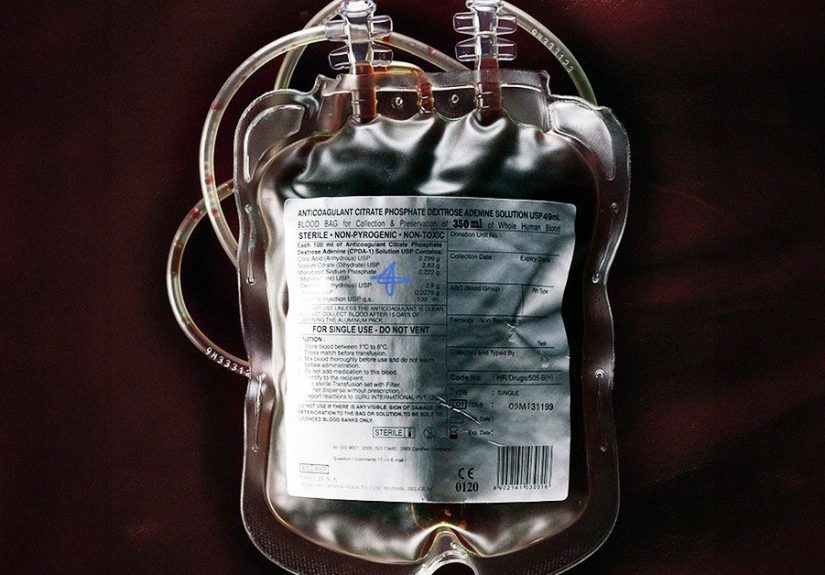
For significant acute blood lossespecially with symptoms, instability, or ongoing hemorrhageclinicians often use packed red blood cells (PRBCs) to restore oxygen delivery. In severe trauma or massive bleeding, a massive transfusion protocol may be activated to deliver red cells alongside plasma and platelets in coordinated ratios, aiming to prevent or treat trauma-induced coagulopathy.
Transfusion decisions are individualized. In stable hospitalized adults, many guidelines support a restrictive transfusion strategy (often considering transfusion around hemoglobin ~7 g/dL), with higher thresholds sometimes used for certain surgical patients or those with cardiovascular disease. In active bleeding, however, the hemoglobin number alone is not the bosshemodynamics, symptoms, and ongoing blood loss matter a lot.
4) Medications that can help (in the right setting)
- Tranexamic acid (TXA): used in some trauma patients at risk of significant hemorrhage; benefit appears time-sensitive (earlier is generally better), and practice guidelines discuss when it’s appropriate
- Proton pump inhibitors: often used in suspected upper GI bleeding related to ulcers
- Uterotonics: cornerstone medications in postpartum hemorrhage
- Reversal agents: for certain blood thinners when bleeding is severe
5) Recovery and rebuilding red blood cells
Once bleeding is controlled and you’re stable, the focus shifts to restoring your blood counts and preventing recurrence:
- Iron replacement: blood loss drains iron stores; oral or IV iron may be recommended depending on severity and tolerance
- Nutrition: adequate protein, iron-rich foods, and vitamins that support red blood cell production
- Follow-up labs: monitoring hemoglobin and iron stores (ferritin, transferrin saturation) when appropriate
- Treat the root cause: ulcer treatment, polyp removal, medication adjustments, management of heavy menstrual bleeding, etc.
Complications and why follow-up matters
Severe acute blood loss can affect the heart, brain, and kidneysespecially if shock occurs. Even after stabilization, people may experience lingering fatigue, shortness of breath on exertion, and reduced exercise tolerance while the body rebuilds red blood cells.
Transfusions can be lifesaving, but they aren’t like adding extra guacamole “just because.” They carry risks such as allergic reactions, fever, lung complications, and rare but serious immune reactions. That’s one reason clinicians weigh benefits and risks carefully and monitor closely.
Prevention: lowering your odds of a repeat episode
Not all causes are preventable (nobody schedules a car crash), but many are:
- Use NSAIDs carefully (and talk to a clinician if you need them often), since they can contribute to ulcers and GI bleeding
- Take blood thinners exactly as directed and keep up with monitoring if required
- Get evaluated for warning signs like black stools, unexplained dizziness, or persistent fatigue
- Keep preventive care on track (e.g., colon cancer screening when appropriate)
- If pregnant or postpartum: attend follow-ups and seek urgent care for heavy bleeding, fainting, or severe weakness
When to seek urgent or emergency care
If you suspect significant bleeding or you have symptoms of shockfainting, confusion, chest pain, severe shortness of breath, very fast heart rate, or low blood pressureseek emergency help immediately. If you see blood in vomit or stool, or you have heavy vaginal bleeding (especially during pregnancy or after delivery), don’t “wait and see.” Acute blood loss anemia can escalate quickly, and speed matters.
Real-life experiences: what this can feel like (and what recovery often looks like)
People who go through acute blood loss anemia often describe the experience as strangely “out of proportion” to what they expected. One common theme is the suddenness: you can feel fine, then within minutes to hours feel weak, dizzy, and inexplicably winded. Many describe standing up and immediately regretting that life choicelike gravity suddenly got a gym membership.
In emergency settings, the first thing patients often notice is how intensely the body reacts: shaking, sweating, a pounding heartbeat, and a sense of anxiety that doesn’t match the room’s calm. Clinicians recognize that this can be your nervous system responding to low circulating volume. Patients sometimes say, “My heart wouldn’t stop racing,” even when they were lying still. That mismatchresting body, sprinting heartis a classic clue that compensation is happening behind the scenes.
For GI bleeds, experiences vary widely. Some people report obvious signs like vomiting blood or passing black, tarry stools, which is terrifying in a very specific, “Did my insides just send me an email in ALL CAPS?” kind of way. Others have subtler symptomsprogressive dizziness, weakness, or shortness of breathuntil a routine check or a sudden fainting episode reveals the problem. Many are surprised that bleeding can be internal and still cause major anemia without dramatic pain.
Obstetric hemorrhage can be emotionally intense. New parents may remember the whiplash of going from celebration to urgent medical action. The experience is often described as disorienting: multiple staff members entering quickly, medications given, close monitoring, and sometimes transfusion. In the aftermath, people often report a mix of relief, exhaustion, and a need for clear explanationswhat happened, what was done, and what to watch for at home.
After stabilization, recovery can feel like rebooting a phone that’s been stuck at 1% battery. Even when hemoglobin improves, stamina may lag. Many people notice they get tired more easily, feel winded on stairs, or need frequent breaks. It’s common to underestimate how long “back to normal” takes, especially if iron stores were depleted. People who receive iron therapy often report gradual improvement in energy over weeks, not daysmore like a slow sunrise than flipping a switch.
Follow-up is where many people regain a sense of control. This often includes repeat labs, a plan for iron replacement, and evaluation of the bleeding source (like endoscopy for suspected ulcers or colon evaluation for lower GI bleeding). Patients frequently say that having a concrete checklist helps: which symptoms should trigger urgent care, which medications to avoid (or adjust), and how to rebuild strength safely. And yesmany also discover that hydration, gentle movement, and accepting help are not signs of weakness; they’re the body’s user manual after a major system update.
Conclusion
Acute blood loss anemia is less about “being low on iron” and more about “losing blood faster than your body can compensate.” The most important steps are rapid recognition, stabilization, and stopping the bleedingthen rebuilding red blood cells and preventing another episode. If symptoms suggest significant bleeding or shock, emergency care is the right move, not an overreaction.