Table of Contents >> Show >> Hide
- The Headline Sounds Like a Joke, but the Allegations Don’t
- Why “The Knights of Ni” Is Such a Wild Company Name
- What Prosecutors Say Happened
- How Care Coordination Is Supposed to Work
- This Story Is Bigger Than One Bizarre Alaska Case
- The Real Problem Isn’t the Funny Name. It’s the Human Cost.
- The Experience of Watching a Comedy Reference Collide With an Alleged Crime
- Final Take
Some headlines stroll in politely. This one kicks down the door, yells “Ni!”, and then hands you a criminal complaint. In Alaska, prosecutors accused a company called The Knights of Ni LLC and its owner, Ryan Carroll, of a Medicaid fraud scheme worth more than half a million dollars. That would already be a serious story. The twist that turned it into internet catnip is the company name itself: a direct wink at one of the most famous comedy bits in Monty Python and the Holy Grail.
And that is exactly why this story stuck. It blends two things that almost never belong in the same sentence: a beloved pop-culture punchline and allegations involving public health dollars, vulnerable clients, and missing documentation. It reads like satire. It isn’t. At least, not according to the charges. Public reporting has centered on allegations filed in late 2025, so the claims should be understood as accusations rather than proven facts in a final judgment.
The Headline Sounds Like a Joke, but the Allegations Don’t
According to the criminal complaint filed in Anchorage, Alaska prosecutors charged Ryan Carroll and The Knights of Ni LLC with seven felony counts tied to an alleged Medicaid fraud scheme. The charges reportedly included one count of scheme to defraud, one count of first-degree theft, and five counts of medical assistance fraud tied to separate calendar years from 2018 through 2022.
The dollar amount is what makes the joke-name angle suddenly very unfunny. Prosecutors alleged that about $519,855.74 in Medicaid claims lacked sufficient documentation. That is not pocket change. That is not “whoops, the paperwork got weird.” That is the kind of number that gets investigators, accountants, and prosecutors involved.
Public records also showed that The Knights of Ni LLC had been listed as an Alaska business and that Ryan Carroll was recorded as owning 100% of it in a 2022 filing. The company was later involuntarily dissolved in 2024. On paper, then, this was not just a random joke floating around a group chat. It was the official name of a real limited liability company operating in a space funded by Medicaid dollars.
Why “The Knights of Ni” Is Such a Wild Company Name
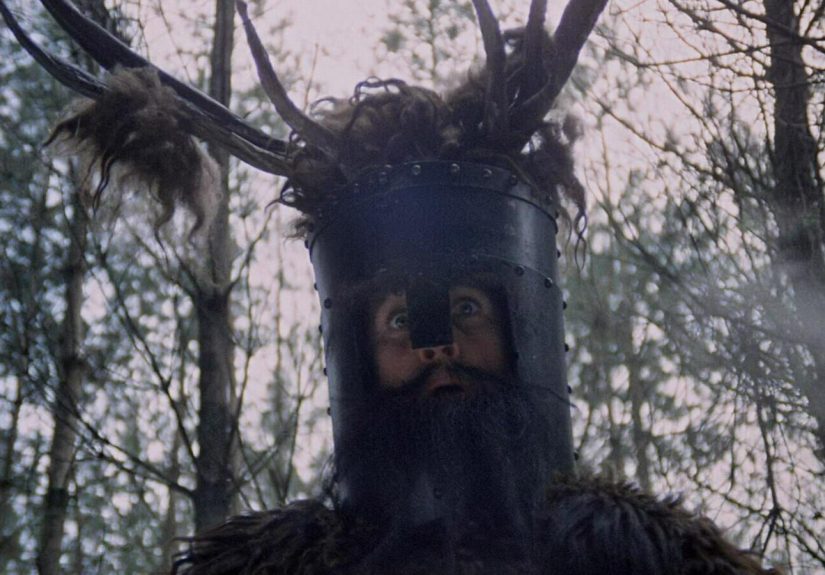
For anyone who has somehow missed decades of dorm-room quoting, cable reruns, theater revivals, and internet memes, the “Knights of Ni” are a famous gag from Monty Python and the Holy Grail. In the film, they are ridiculous, theatrical, oddly menacing, and obsessed with getting a shrubbery. It is one of those comedy bits that has outlived its original release and graduated into cultural shorthand.
That is why the name hits so hard in this story. It is not merely quirky. It is recognizable. It carries a built-in sense of absurdity, nostalgia, and silliness. You hear it and expect comedy, not a criminal information document. You expect coconuts clapping together, not allegations about Medicaid reimbursement records.
There is also something strangely modern about the mismatch. We live in an era when companies are named after inside jokes, memes, fantasy references, and half-ironic branding choices. Sometimes that works. Sometimes it makes a company sound memorable, human, and playful. But when a business name attached to public-service work sounds like it escaped from a cult comedy sketch, it can leave a weird aftertaste. And when serious legal allegations surface, the contrast becomes impossible to ignore.
What Prosecutors Say Happened
The complaint described Carroll as a care coordinator, a role that matters a lot more than the title may suggest. Care coordinators help Medicaid recipients and waiver-service clients access medical, social, and support services. In plain English, this job is supposed to help people navigate a system that can be overwhelming even on a good day.
According to the allegations, state investigators started looking into Carroll’s work after concerns were raised about an inappropriate relationship with a client. The investigation then expanded beyond that issue and reportedly focused on billing and documentation. Prosecutors alleged that Carroll had overdue or expired paperwork that, if not corrected, could have put clients’ Medicaid services at risk.
That was only the beginning. The complaint also alleged that Carroll documented care-coordination contacts with more than one client on the same date and time while listing different locations. In other words, investigators said the records sometimes suggested one person was somehow in two places at once. Unless teleportation quietly became an Alaska Medicaid benefit, that is the sort of detail investigators tend to notice.
The state also alleged that the records produced for review were thin, especially for 2022. Prosecutors broke the alleged fraudulent amounts into annual figures, including roughly six figures in multiple years. The broad theory was that Medicaid had been billed for services that were not properly documented or not supported the way state rules require.
Why Documentation Matters So Much Here
In health care and Medicaid services, documentation is not boring administrative wallpaper. It is the skeleton holding the whole system upright. In Alaska’s care-coordination framework, providers are expected to keep meaningful records of contacts, services, planning, and oversight. These are not decorative forms. They are the evidence that services were actually delivered, monitored, and handled in a way that protects recipients.
That is why a case like this matters beyond the headline. If care coordination is done correctly, it can help recipients stay connected to services, avoid paperwork disasters, and maintain stability. If it is billed improperly or documented poorly, the damage is not only financial. It can affect whether real people get the help they are supposed to receive.
How Care Coordination Is Supposed to Work
Alaska’s own care-coordination guidance makes the job sound exactly as important as it should. Care coordinators assist people in gaining access to home- and community-based services, help with applications, support planning, ongoing monitoring, and annual reviews, and stay in regular contact with recipients. This is not a casual role. It sits near the intersection of paperwork, human relationships, and health system access.
That is one reason alleged fraud in this area lands differently than some other white-collar stories. This is not just about inflated invoices for office chairs or mystery consulting hours. It involves services designed for people with disabilities, complex medical needs, or situations that require structured support. When the state alleges that contacts were not properly documented, it is really arguing that the trust built into the system may have been abused.
And yes, that makes the company’s Monty Python name feel even stranger. The pop-culture wink becomes a little less charming when it is attached to a role that depends on diligence, consistency, and accountability.
This Story Is Bigger Than One Bizarre Alaska Case
It is tempting to treat this as an irresistible one-off because the branding is so weird. But the broader context says otherwise. Alaska’s Medicaid Fraud Control Unit has existed since 1992, which tells you the state has long considered this area serious enough to require a dedicated enforcement arm. Nationwide, Medicaid Fraud Control Units operate in every state plus several U.S. territories and jurisdictions under federal oversight.
Federal numbers make the scale clear. In fiscal year 2024, Medicaid Fraud Control Units collectively recovered billions and produced more than a thousand convictions and hundreds of civil settlements and judgments. That does not mean every allegation proves out, and it certainly does not mean every oddball company name is hiding a scheme. What it does mean is that health care fraud is not some fringe issue reserved for TV crime shows and very sweaty documentaries. It is a major, ongoing enforcement priority.
So while the Alaska case drew attention because “The Knights of Ni LLC” sounds like a sketch-comedy prop, the underlying issue fits a much larger national pattern: public health money is a giant target, and investigators spend a lot of time trying to figure out which claims reflect real services and which ones do not.
The Real Problem Isn’t the Funny Name. It’s the Human Cost.
The easiest version of this story is the viral version. It is the screenshot version. It is the “imagine explaining this headline to your grandma” version. But the most important angle is less meme-friendly. Medicaid is not abstract money floating in a cloud. It is public funding tied to real care, real services, and real people.
If prosecutors are right, then this was not just a bad look. It was an alleged misuse of money intended to help recipients navigate essential services. It also would mean time, trust, and administrative energy were diverted from people who actually needed support.
That is why stories like this create such a specific kind of whiplash. A funny name invites a laugh. The alleged facts shut the laugh down almost immediately. One moment you are thinking about a shrubbery. The next you are thinking about vulnerable clients, overdue paperwork, and state investigators reviewing files line by line. Comedy evaporates fast when the stakes become clear.
The Experience of Watching a Comedy Reference Collide With an Alleged Crime
There is a peculiar experience that happens when a beloved joke wanders into a criminal case. First comes disbelief. Your brain assumes the headline must be fake, exaggerated, or written by someone who lost a bet with an editor. Then comes recognition. Yes, that really is the Monty Python reference you think it is. Then comes the third beat, which is the uncomfortable one: the realization that the joke is only the wrapper, and the real story underneath is about systems, trust, and alleged harm.
That emotional sequence is part of why this Alaska story traveled so well. It triggers the same reflex people have when they see a clown car parked outside a courthouse. The visual is absurd, but the location tells you something serious is happening. The company name acts like that clown car. It draws the eye. It gets the click. It almost dares the audience to laugh. Then the substance of the allegations changes the mood.
For readers, the experience is a kind of tonal skid. You enter expecting novelty and leave thinking about the vulnerability of public systems. For caregivers and families who depend on Medicaid-supported services, the story may feel less quirky and more exhausting. Cases like this reinforce a fear many people already have: that the systems meant to help them are complicated, fragile, and too easy to game. For taxpayers, it becomes another reminder that fraud does not always look cinematic. Sometimes it looks like forms, billing codes, missing notes, and a business name that sounds like it was chosen during a movie marathon.
There is also a deeper cultural tension here. Pop-culture references are supposed to create connection. A recognizable joke says, “We’re in on the same thing.” It can humanize a brand, soften a first impression, or make a business more memorable. But memorability cuts both ways. If trouble comes later, the reference does not disappear. It becomes part of the public record, part of the headline, and part of how the case is remembered. In that sense, the name The Knights of Ni LLC may have done exactly what branding is designed to do: make the company impossible to forget. Just not for the reasons anyone would want.
That is the experience this case leaves behind: a strange blend of laughter, discomfort, and seriousness. It reminds us that some stories go viral because they are funny, while others go viral because they are upsetting. The rare stories that do both can be the hardest to process. This is one of them. It is a headline that practically writes its own jokes, yet the more you read, the less you feel like joking. In the end, the lasting impression is not that an old comedy catchphrase resurfaced in Alaska. It is that even the silliest branding in the world cannot make allegations involving public care dollars feel harmless.
Final Take
The Alaska case involving The Knights of Ni LLC is memorable because it crashes together two incompatible moods: nostalgia and alleged fraud. The Monty Python connection makes the headline irresistible, but the actual allegations make it sobering. Prosecutors say a care-coordination business bearing one of comedy’s most recognizable joke names improperly billed Medicaid for years. State records show the company existed, was tied to Ryan Carroll, and was later dissolved. Federal and state anti-fraud systems show why cases like this matter well beyond one headline.
So yes, the name is wild. Yes, the irony is almost too perfect. But the lasting lesson is not about comedy trivia. It is about how easily a funny label can distract from a serious accusation. And in stories involving public health dollars, vulnerable recipients, and alleged abuse of trust, the punchline should never be the main event.