Table of Contents >> Show >> Hide
- Why Tiny Steampunk Sculptures Are So Hard to Ignore
- Meet Sue Beatrice and the World of All Natural Arts
- What Makes It “Steampunk” and Not Just “Cool Metal Stuff”?
- The Art Side: Assemblage, Found Objects, and Tiny Worlds
- The Sustainability Angle: Why Upcycled Art Hits Different
- What Collectors, Creators, and Curious Fans Can Learn From This Style
- Conclusion: Tiny Machines, Big Imagination
- Experiences With Tiny Steampunk Watch-Part Sculptures (Extended Section)
If you’ve ever looked at a broken pocket watch and thought, “Well, that’s tragic,” artist Sue Beatrice looks at the same thing and thinks, “I see a dragon, a rabbit, and possibly Edgar Allan Poe.” That is the magic of her work. Through her brand, All Natural Arts, Beatrice transforms antique watch parts, old jewelry components, and other found materials into tiny steampunk sculptures that feel equal parts engineering, fantasy, and poetry.
These pieces are more than quirky collectibles. They sit at the intersection of steampunk art, assemblage sculpture, upcycled design, and horological craftsmanship. In other words, they are the kind of artwork that makes both an art lover and a watch nerd go silent for a few secondswhich is rare, and honestly impressive.
In this article, we’ll break down why these miniature sculptures are so captivating, how antique watch mechanisms become storytelling tools, what makes steampunk aesthetics so durable, and why this kind of recycled artistry resonates with collectors in a world full of mass-produced everything.
Why Tiny Steampunk Sculptures Are So Hard to Ignore
First, there’s the scale. A lot of Sue Beatrice’s signature work is created inside or around antique pocket watch cases, which means she’s building tiny worlds inside a frame that was originally designed to protect a timekeeping mechanism. It’s a delicious artistic plot twist: the object once measured time, and now it preserves a moment of imagination.
Second, there’s the visual language. Gears, springs, screws, bezels, and tiny wheels already look dramatic. They have texture, patina, and an “I survived history” vibe. When arranged into animals, portraits, or miniature scenes, the result feels alive without losing its industrial soul. That contrast is the sweet spot of watch parts art: cold metal, warm storytelling.
Third, there’s the surprise factor. Beatrice’s work often features subjects that are soft or organicpets, animals, literary figures, whimsical scenesbut the material palette comes from precision machinery. Your brain does a double take. “Wait, is that a bunny?” “Is that a spring?” “Why do I suddenly want to zoom in for 20 minutes?”
Meet Sue Beatrice and the World of All Natural Arts
A Career Built Across Scales and Materials
Sue Beatrice isn’t a one-medium artist who woke up one day and glued a gear to a coin. She has decades of experience across sculpture, illustration, jewelry design, and large-scale projects. On her official artist page, she describes a career spanning more than 40 years, with work that ranges from micro-miniatures to monumental builds. That range matters because it explains why her tiny pieces feel so complete: she’s bringing big-sculpture thinking into very small spaces.
Her broader portfolio also includes ephemeral artpumpkin carving, sand sculpture, cardboard sculpture, and morewhich reveals a consistent theme in her work: material transformation. She doesn’t just make objects; she collaborates with materials and lets their personality show.
Turning Antique Watch Parts Into Storytelling Objects
Beatrice’s steampunk and nature-inspired sculptures are crafted from antique pocket watches and jewelry components, and her own artist statement centers time as both a material and a meaning. That concept gives the work extra depth. A spring is not just a spring; it’s also a symbol of tension, release, and motion. A dial is not just a dial; it’s a frame for memory.
On the All Natural Arts commission pages, you can see how far this idea goes. The categories include portraits, interior scenes, pet portraits, vehicles, and freestanding animal sculptures. There are examples inspired by William Shakespeare and Edgar Allan Poe, plus scene-based commissions like a chemistry lab and a farmhouse. In other words, this is not just “steampunk decor.” It is custom narrative sculpture in miniature form.
And yes, these are serious art objects. The brand positions them as heirloom-level pieces, and the commission page notes custom watch-part sculptures start at $1,199. Older coverage has also described her pocket-watch sculptures as gallery-worthy works with higher pricing depending on complexity, materials, and added elements such as stands, chains, or engraving.
The Animal Factor
One reason Beatrice’s work connects with a wide audience is her frequent use of animals and mythical creatures. The All Natural Arts site features watch-part-inspired designs and jewelry subjects like dragons, bunnies, ravens, and cats. That matters for SEO and for humans: people search for steampunk animal sculptures, but they also emotionally connect to familiar creatures.
A mechanical dragon can feel fierce, playful, and elegant at the same time. A tiny bunny built from metal parts somehow looks both delicate and impossible. That emotional contradiction is a major reason these sculptures work so well online, in galleries, and as custom gifts.
What Makes It “Steampunk” and Not Just “Cool Metal Stuff”?
The Steampunk Aesthetic in Plain English
Steampunk is often defined as a style rooted in imagined or historical 19th-century technologyespecially steam-era mechanicsblended with speculative design. In practice, that means Victorian silhouettes, visible mechanisms, brass-and-steel vibes, and a love of retrofuturism.
Beatrice’s sculptures fit beautifully into that tradition because they use real historical mechanical components. This isn’t faux-distressed décor trying to look old. These are actual timeworn materials, repurposed into new forms. The patina is earned. The texture is real. The tiny screws have lived a life.
Museums and educational institutions in the U.S. have long treated steampunk as more than a costume trend. It’s often discussed as a creative bridge between historical invention and modern imagination. That frame helps explain why Beatrice’s work appeals to such a broad audience: it’s decorative, yes, but it also feels like a conversation with history.
Why Watch Parts Are Perfect for Steampunk Sculptures
Pocket watch components are basically pre-approved steampunk ingredients. They already contain the visual vocabulary the genre loves: gears, springs, engraved cases, tiny screws, and layered mechanisms. But beyond aesthetics, they also carry an engineering logic. These parts once worked together in a precise system. Even when repurposed, that sense of order stays visible.
Watch enthusiasts often describe how a mechanical movement controls energy release through the mainspring, gear train, escapement, and balance assembly. That architecture gives watch parts a built-in rhythm and hierarchy. When an artist repositions those parts into a sculpture, the viewer still senses motion, timing, and structureeven if the object no longer tells time.
In short: steampunk loves visible mechanics, and antique watch parts are visible mechanics with charisma.
The Art Side: Assemblage, Found Objects, and Tiny Worlds
Assemblage Art Gives This Work a Bigger Context
If you want the art-history label for what’s happening here, assemblage art is the key term. Assemblage uses found or nontraditional objects as the building blocks of sculpture. The Museum of Modern Art has described assemblage as a medium built from everyday objects and materials, with art and life tightly intertwined. That description could practically be a caption for Beatrice’s watch-part pieces.
The Smithsonian American Art Museum also offers a useful reference point with works classified as assemblage that incorporate found objects and decorative fragments. This matters because it places Beatrice’s work in a legitimate artistic lineage, not just a “craft trend” bucket. Her sculptures are highly marketable and giftable, yesbut they also participate in a long tradition of object-based sculpture.
The Constraint Is the Magic
A pocket watch case is a tiny stage. That limitation creates intensity. The artist has to think like a sculptor, jeweler, designer, and engineer at the same time. Composition, balance, durability, and legibility all have to work within a very small footprint.
And because viewers know how small these objects are, the craftsmanship feels even more dramatic. A large sculpture can impress you with scale. A miniature sculpture impresses you with control. In Beatrice’s case, the best pieces do both: they feel expansive even when they fit in your palm.
The Sustainability Angle: Why Upcycled Art Hits Different
Reusing Materials Is More Than a Trend
Upcycled art lands especially well right now because people are rethinking waste, reuse, and material life cycles. U.S. environmental agencies increasingly frame materials through a life-cycle perspectivehow they’re extracted, manufactured, used, maintained, and eventually discarded or recovered. In that context, repurposing antique components into durable art is more than a cool aesthetic choice; it’s a design philosophy.
Beatrice’s work is a great example of this mindset because the original materials are not melted down, shredded, or hidden. They remain recognizable. The reuse is visible. That transparency is part of the emotional appeal. You can still see the gear. You can still spot the spring. The object’s “past life” is not erased; it becomes part of the story.
Why It Feels Personal to Buyers
Custom commissions make the sustainability angle feel even more meaningful. On the All Natural Arts commission pages, clients are invited to transform memoriespets, vehicles, favorite places, portraitsinto watch-part sculptures. That combination of reclaimed materials plus personal subject matter creates the kind of gift people keep forever.
It also explains why these works are often described as heirlooms. They are literally made from old mechanisms and designed to preserve a memory. It’s time turned into art, and then turned into a keepsake. There’s a reason that idea keeps winning people over.
What Collectors, Creators, and Curious Fans Can Learn From This Style
Collectors: Look for Story, Not Just Detail
The most memorable pieces are not always the ones with the most parts. They’re the ones where the composition tells a clear story. A strong steampunk sculpture should reward close inspection, but it should also read instantly from a few feet away. Think silhouette first, details second.
If you’re commissioning a custom piece, the All Natural Arts examples suggest a smart approach: provide a strong central idea (a pet, a person, a place, a vehicle), then let the artist interpret it through the material language. The best commissions feel specific without being over-directed.
Artists and Makers: Constraints Can Improve Creativity
Beatrice’s work is a masterclass in creative constraint. Limited space, irregular materials, tiny tolerances, and delicate assembly would scare off most people. She turns those limits into style.
For makers experimenting with miniature sculpture or found object art, that’s the big lesson: don’t wait for perfect materials. Start with what has character. Watch parts, jewelry scraps, old hardware, and small metal fragments already contain texture and history. The challenge is not finding “beautiful” components. The challenge is learning to see beauty before the object is finished.
Conclusion: Tiny Machines, Big Imagination
Sue Beatrice’s tiny steampunk sculptures work because they combine several things people love, all at once: craftsmanship, nostalgia, fantasy, engineering, and meaningful reuse. They look intricate in photos, but the deeper appeal is conceptual. She takes mechanisms once built to measure time and uses them to preserve stories instead.
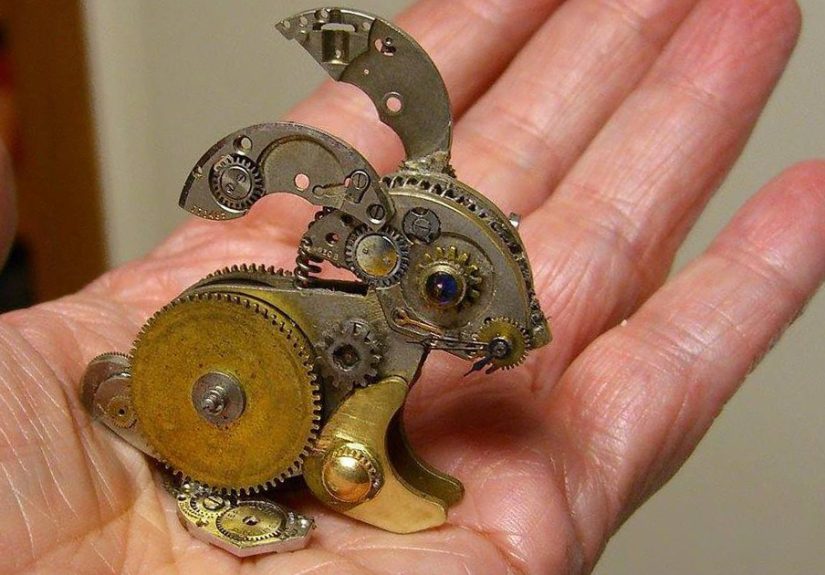
That’s why these pieces stand out in a crowded art and handmade market. They’re not just decorative objects. They’re miniature worlds with a pulse. You can feel the history in the metal, the precision in the assembly, and the humor in the subject choices. (A tiny mechanical bunny? Come on. That’s delightful.)
In a digital era where so much visual content is disposable, this kind of art feels unusually grounded. It rewards patience. It invites close looking. And it reminds us that old things don’t have to become wastethey can become wonder.
Experiences With Tiny Steampunk Watch-Part Sculptures (Extended Section)
One of the most interesting experiences people have with watch-part sculptures is that the reaction usually happens in stages. At first glance, viewers notice the shape: “Oh, that’s a rabbit,” or “That’s a dragon.” A second later, they notice the materials: “Wait… is that made of gears?” Then comes the third stage, which is usually a lean-in, a squint, and a full inspection mode that can last much longer than expected. These sculptures are tiny, but they slow people down.
That “slow looking” experience is rare online and even rarer in person. We scroll past almost everything. But intricate steampunk miniatures interrupt that habit because the eye keeps discovering new details: a tiny spring that reads like a tail, a gear that becomes a shoulder, a screw head that suddenly looks like an eye. The piece keeps unfolding. It’s almost like looking at a visual puzzle where the answer keeps changing the longer you stare.
Collectors often describe another layer of experience: memory attachment. Because many watch-part sculptures are commissioned around specific themespets, portraits, favorite vehicles, beloved placesthe artwork becomes a personal archive. A tiny sculpture inside a pocket watch case can carry the feeling of a family dog, a first motorcycle, or a meaningful anniversary trip. The object is small, but the emotional footprint is huge.
There’s also a tactile imagination at work, even when you’re not touching the piece. Mechanical watch parts already suggest movement. You can almost feel the click of the gears, the tension of the spring, the logic of the mechanism. When those components are arranged into animals or scenes, the mind fills in motion. A metal raven feels ready to tilt its head. A dragon looks like it might flex. The sculpture is static, but the experience of viewing it feels kinetic.
For artists and makers, the experience is differentbut equally intense. Working with miniature mechanical components demands patience and problem-solving. Tiny parts don’t “behave” like clay or wood. They roll away. They resist symmetry. They come with scratches, patina, and odd proportions. That unpredictability can be frustrating, but it also creates character. A slightly imperfect gear or a worn plate can become the exact detail that makes a sculpture feel alive rather than manufactured.
There’s a creative thrill in that process: seeing a discarded part and recognizing a future role for it. A spring becomes antlers. A balance wheel becomes a halo. A case rim becomes an architectural frame. It’s not just craftingit’s visual translation. That is why this art form feels so satisfying to watch and to make. It reveals the artist’s ability to see possibilities hidden inside objects most people would toss in a drawer and forget.
Finally, there’s the long-term experience of living with this kind of art. Unlike trendy decor pieces that blend into the room after a week, miniature steampunk sculptures tend to keep pulling attention. Guests ask questions. Owners keep noticing new details. The work ages well because the materials already carry age. In a strange and wonderful way, a sculpture made from old watch parts keeps doing what watches were designed to do: it marks timejust now through memory, conversation, and repeated wonder.