Table of Contents >> Show >> Hide
- Quick Take: What You Need to Know
- What Is Asteatotic Eczema?
- Symptoms: What It Feels Like (and What It Looks Like)
- Causes: Why Asteatotic Eczema Happens
- Is It Contagious? Is It Dangerous?
- How Doctors Diagnose Asteatotic Eczema
- Treatment: What Actually Works
- Prevention: How to Reduce Flares (Especially in Winter)
- When to See a Clinician
- Living With It: A Practical Routine You Can Actually Keep
- Conclusion
- Real-World Experiences: What People Notice (and What Helps)
- SEO Tags
If your skin feels like it’s auditioning to play “desert floor” in a nature documentarydry, itchy, and cracked in little
zig-zagsyou might be dealing with asteatotic eczema. It’s also called xerotic eczema or
eczema craquelé (fancy French for “looks like cracked porcelain,” which is… uncomfortably accurate).
The good news: for most people, it’s very manageable. The even better news: you don’t have to bathe in olive oil or
swear off winter forever (though winter does tend to be the main suspect).
This guide covers what asteatotic eczema looks and feels like, why it happens, how doctors diagnose it, and what actually
helpsstarting with the surprisingly powerful combo of “less hot water” and “more moisturizer.” We’ll also talk about
warning signs that mean it’s time to call a clinician (because sometimes dry skin is just dry skin… until it isn’t).
Quick Take: What You Need to Know
- What it is: A type of eczema caused by very dry skin and a weakened skin barrier.
- What it looks like: Dry, scaly patches with fine cracksoften in a “crazy paving” pattern.
- Where it shows up: Commonly on the shins/lower legs, but it can appear on arms, trunk, and elsewhere.
- Why it flares: Low humidity, indoor heating, hot showers, harsh soaps, friction, and aging skin.
- What helps most: Thick moisturizers (ointments/creams), gentle cleansing, short lukewarm showers, and targeted anti-inflammatory treatment if needed.
What Is Asteatotic Eczema?
Asteatotic eczema is an itchy, inflamed rash that develops when skin becomes extremely dry and starts to crack.
The underlying theme is water loss from the outer skin layer (the stratum corneum), which weakens the skin’s
protective barrier and makes it easier for irritation and inflammation to take over. It often starts as “just dry skin,” then
progresses to visible scaling and fissures if the dryness isn’t reversed.
It’s especially common in older adults and tends to flare in colder months, when humidity drops and indoor heating dries out
the air. But it can happen at any ageparticularly if your skin barrier is already stressed (frequent washing, harsh products,
certain medications, or underlying medical issues that increase dryness).
Symptoms: What It Feels Like (and What It Looks Like)
Common symptoms
- Dry, rough, scaly patches that may feel tight or “papery.”
- Itching (often intenseespecially at night or after hot showers).
- Fine cracks or deeper fissures that can sting and may bleed if severe.
- Redness or discoloration around the dry areas (color changes can look different across skin tones).
The “cracked porcelain” clue
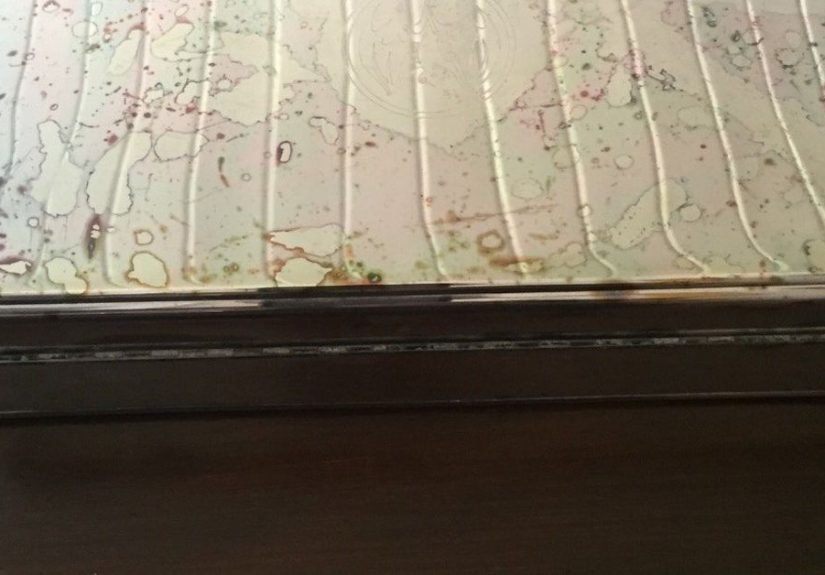
Many people notice a distinctive pattern of shallow crackssometimes described as polygonal lines or “crazy paving.”
On the shins, it can look like a dry riverbed deciding to branch out into side quests.
Where it appears most often
Asteatotic eczema commonly shows up on the front and sides of the lower legs, but it can also appear on the
arms, trunk, and back. If you’re seeing it mostly in winter and mostly where skin is already dry, that’s a big hint.
Causes: Why Asteatotic Eczema Happens
The short version: your skin barrier is losing moisture faster than it can hold onto it. The longer version: several forces can
team up to strip oils, disrupt the barrier, and increase transepidermal water lossleading to inflammation and cracking.
Environmental triggers (aka “Winter’s greatest hits”)
- Low humidity (cold weather, desert climates, indoor heating).
- Hot showers or baths that remove protective oils.
- Harsh soaps and detergents (especially fragranced, foaming, or “degreasing” cleansers).
- Frequent bathing or over-washing without immediate moisturizing.
Skin and lifestyle factors
- Older age: oil (sebaceous) and sweat gland activity can decrease over time, making dryness more likely.
- Friction/irritation: shaving, rough fabrics (hello, wool), and tight clothing can inflame already-dry skin.
- Barrier stress: frequent handwashing, swimming/chlorine exposure, or work that involves “wet hands” all day.
Medical and medication contributors (not always, but sometimes)
Clinicians may consider whether severe or persistent dryness is being amplified by an underlying condition (for example,
nutritional issues or thyroid problems) or by medications known to worsen dryness in some people. This doesn’t mean “panic,”
but it does mean that stubborn cases deserve a real medical looknot just another bottle of lotion with a tropical fruit on the label.
Is It Contagious? Is It Dangerous?
Asteatotic eczema is not contagious. You can’t “catch it” from someone, and you can’t give it to your family by
sharing a couch blanket (even if the blanket is aggressively cozy).
Most cases are not dangerous, but there are two important complications to watch for:
-
Skin infection: cracks and scratching can open the door for bacteria. If skin becomes increasingly painful,
warm, swollen, oozing, or crustedor you develop feverseek care. -
Sleep and quality-of-life impact: constant itch can wreck sleep, concentration, and mood. Treating the itch
isn’t “cosmetic”it’s functional.
How Doctors Diagnose Asteatotic Eczema
Diagnosis is usually clinicalmeaning a clinician looks at the skin pattern, asks about your symptoms, and reviews your triggers
(winter flares, hot showers, new soaps, increased bathing, etc.). In many cases, you won’t need a biopsy. If the appearance is
unusual, widespread, not responding to typical care, or raising concern for other conditions, a dermatologist may consider
additional evaluation.
Conditions that can look similar
- Atopic dermatitis (classic eczema)
- Contact dermatitis (allergic or irritant reactions to products)
- Psoriasis (thicker plaques, often with sharper borders)
- Fungal rashes (especially if one-sided or ring-shaped)
- Venous stasis dermatitis on the lower legs (often with swelling and color changes)
Treatment: What Actually Works
Treatment usually has two goals: (1) repair the barrier and restore moisture, and (2) calm inflammation and itch.
Many people improve dramatically once they commit to a skin routine that’s less about “scrub until squeaky” and more about “protect and seal.”
1) Moisturizers (the main character)
In eczema care, moisturizer isn’t the sidekickit’s the plot. Thick creams and especially ointments
are often more effective than lotions because they seal in moisture better. Look for fragrance-free options and consider products
that support barrier repair (common helpful ingredients include ceramides, glycerin, petrolatum, urea, lactic acid, and hyaluronic acid).
Best timing: apply moisturizer right after bathing while skin is still dampthink “pat dry, then seal.”
Many patient-care guides recommend applying within a few minutes of bathing to lock in moisture.
2) Shower and cleansing upgrades (small changes, big payoff)
- Keep showers short: about 5–10 minutes.
- Use lukewarm water: hot water strips oils.
- Choose gentle, fragrance-free cleansers: use cleanser only where you need it (not necessarily head-to-toe daily).
- Patdon’t rubdry: rubbing can irritate fragile skin.
3) Anti-inflammatory treatment (when moisturizing isn’t enough)
If skin is clearly inflamedred, itchy, and irritatedclinicians may recommend a short course of a topical corticosteroid
(strength depends on the body area and severity). Used correctly and for appropriate durations, these can calm inflammation quickly.
Some people may be prescribed non-steroid anti-inflammatory creams in certain situations.
Over-the-counter 1% hydrocortisone may help mild inflammation for some people, but if symptoms are significant,
widespread, or recurring, it’s worth getting personalized medical guidance rather than “self-treating forever.”
4) Itch control (because scratching is gasoline on the fire)
Scratching can deepen cracks and increase infection risk. Helpful strategies include:
- Moisturize more often (especially before bed).
- Cool compresses on itchy spots.
- Keep nails short and consider cotton gloves at night if you scratch in your sleep.
- Address triggers (heat, sweat, wool, fragranced products).
5) Humidity, clothing, and home habits
- Use a humidifier during dry months (and clean it regularly).
- Wear soft, breathable fabrics (cotton tends to be friendlier than wool directly on skin).
- Choose fragrance-free laundry products and avoid dryer sheets if they irritate you.
Prevention: How to Reduce Flares (Especially in Winter)
Prevention is basically “treat the dryness like a daily routine, not a once-a-week emergency.”
Try this simple approach:
The “3-Minute Moisture Rule”
- Shower quickly with lukewarm water.
- Pat skin dry (leave it slightly damp).
- Apply a thick moisturizer within a few minutesevery time.
Product sanity check
If your “moisturizer” has three different fragrances and enough alcohol to fuel a small camp stove, it may not be your friend.
Choose fragrance-free, dye-free products designed for sensitive skin. If you love a scented body wash, consider using it only where needed,
and keep the rest of your skin on a gentler routine.
When to See a Clinician
Get medical advice if:
- Cracking is severe, painful, bleeding, or not improving with consistent moisturizing and gentle care.
- You have signs of infection (increasing redness, warmth, swelling, pus/oozing, red streaks, or fever).
- Itch is disrupting sleep or daily life.
- The rash is widespread, unusual-looking, or you’re unsure it’s eczema.
- You suspect a medication or underlying condition is worsening dryness.
Living With It: A Practical Routine You Can Actually Keep
Morning (2–3 minutes)
- Moisturize dry areas (cream or ointment, fragrance-free).
- Dress in soft layers if cold/dry weather is a trigger.
After washing hands or bathing
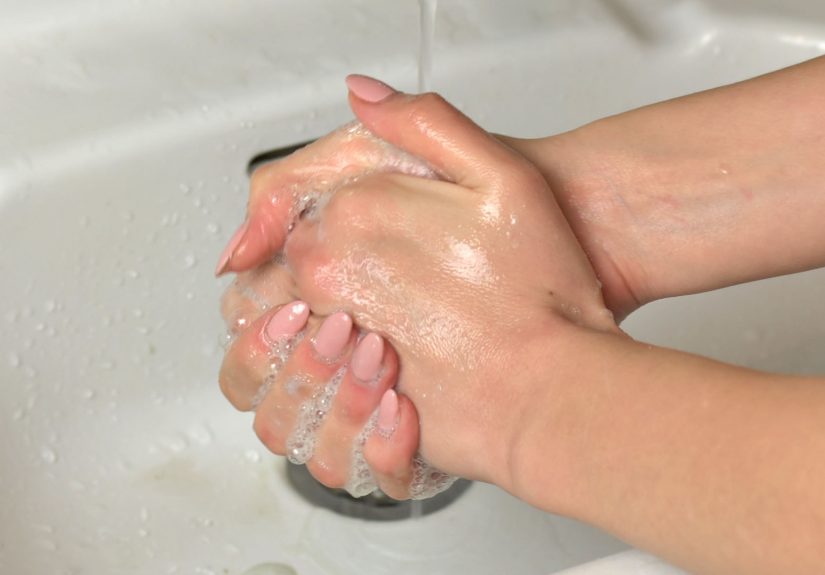
- Pat dry, apply moisturizer immediately.
- Reapply after sanitizer use if your skin feels tight.
Night (3–5 minutes)
- Moisturize generously before bed.
- For very dry hands/feet, consider an occlusive layer (like petrolatum) and cotton gloves/socks.
Conclusion
Asteatotic eczema is one of those conditions that can feel dramaticitchy, cracked, uncomfortableyet often responds to
surprisingly straightforward care: short lukewarm showers, gentle cleansing, and
consistent use of thick moisturizers, especially right after bathing. When inflammation is stronger,
targeted anti-inflammatory treatment can help break the itch–scratch cycle and allow skin to heal.
If you remember one thing, let it be this: dry skin doesn’t just need “more lotion.” It needs barrier repair.
Treat your moisturizer like armor, not an accessoryand your winter skin will be much less likely to crack under pressure.
Real-World Experiences: What People Notice (and What Helps)
People often describe asteatotic eczema as “dry skin that got bored and chose violence.” It might start innocentlyyour shins feel
a bit tight after a showerthen a week later you’re staring at tiny cracks wondering when your legs turned into a fancy ceramic vase.
One common experience is how fast the shift can happen when the weather changes: the first cold snap, the heat turns on,
and suddenly your usual routine isn’t enough anymore.
Many notice that the itch is sneakier than expected. It’s not always an all-day itch; it can spike at night, after a hot shower,
or when you change clothes. Some people say the itching feels “deep,” like scratching the surface doesn’t satisfy itso they scratch harder,
which makes the cracks worse, which makes the skin sting, which makes the itch feel even more urgent. The win, for a lot of folks, is realizing
that itch control is less about willpower and more about building a routine that keeps skin from getting to that breaking point.
A super common “aha” moment is discovering that lotions aren’t all equal. People may try a lightweight lotion and feel temporarily
betteronly to be dry again 30 minutes later. When they switch to a thicker cream or ointment, the improvement can feel almost unfair. Several people
describe the “post-shower timing” trick as a game-changer: pat dry, then apply moisturizer while skin is still damp. It can feel a little odd at first
(nobody dreams of being “slightly damp and shiny”), but the payoff is often fewer cracks and less itching within days.
Another shared experience: the role of hot water. People who love long, steamy showers sometimes notice their skin looks worse afterward
redder, tighter, itchier. Cutting shower time down and using lukewarm water can feel like an emotional sacrifice, but many report it’s the single change
that makes everything else work better. The same goes for swapping harsh soaps for gentle cleansers: it’s not glamorous, but it’s effective.
Work and hobbies show up in real stories, too. Healthcare workers, food-service staff, or anyone washing hands frequently often notice that “just moisturizing
at night” isn’t enough. They do better when they keep a small fragrance-free cream nearby and apply it after washing. People who swim sometimes report flare-ups
after pool time (chlorine plus already-dry winter air is a tough duo), and they do best when they rinse promptly, cleanse gently, and moisturize right away.
Others point to friction triggersscratchy sweaters, leggings that rub dry shins, or shaving irritationwhere a simple change in fabric or shaving habits reduces
flares more than they expected.
Finally, a lot of people say the biggest improvement comes from treating asteatotic eczema like a “seasonal plan,” not a random emergency. They start a
winter routine before symptoms peak: humidifier in the bedroom, thicker moisturizer on deck, short showers, and gentle products stocked. When they do flare,
they’re quicker to calm it downbefore the cracks deepen. The overall vibe is: you can’t control the weather, but you can absolutely outsmart it.