Table of Contents >> Show >> Hide
- The Quick Definition: What the B-21 Is (and What It Isn’t)
- Why Build a New Stealth Bomber at All?
- Design Philosophy: Stealth, Range, and a Future-Proof Mindset
- Timeline: From Secret Program to Real Airplane
- Where the B-21 Will Live: Basing, Training, and Infrastructure
- Cost, Procurement, and the “At Least 100” Question
- How the B-21 Fits Into U.S. Strategy
- Why So Much Is Classified (and Why That’s Not Automatically Suspicious)
- Common Questions People Ask About the B-21 Bomber
- Experiences Related to the B-21 Bomber (500+ Words)
- Conclusion: The Raider’s Real Legacy
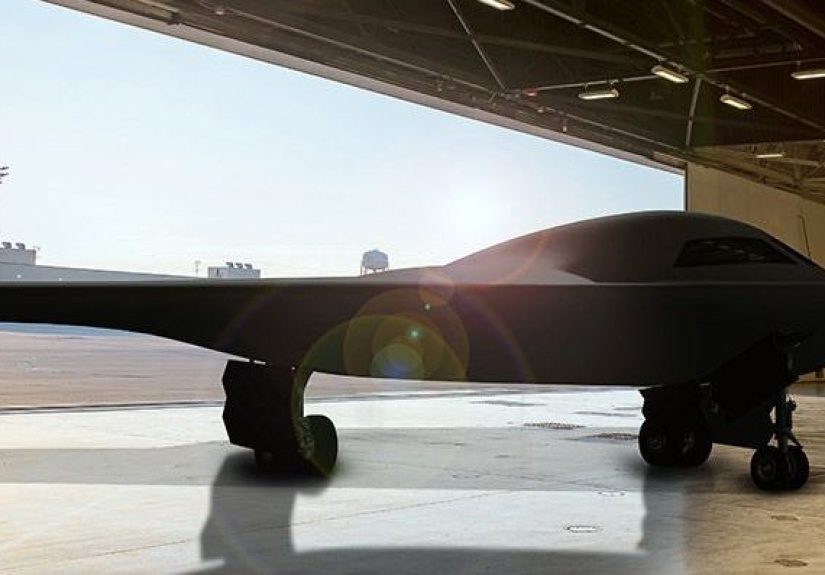
The B-21 bomberofficially the B-21 Raideris the U.S. Air Force’s next-generation stealth aircraft built for long-range strike in the kind of airspace that makes older bombers sweat through their paint. It’s designed to be survivable, upgradeable, and (in a phrase that makes accountants everywhere tear up) more affordable to buy and operate than previous stealth bombers.
Of course, the B-21 comes wrapped in secrecy. That’s not because the Air Force is being mysterious for fun (though you can’t rule it out). It’s because stealth aircraft live or die by detailsmaterials, shaping, signatures, sensors, electronic warfare, and how all of it works together. The B-21’s public story is therefore a mix of confirmed facts, carefully worded program updates, and informed “we can’t say, but we can strongly imply” moments.
The Quick Definition: What the B-21 Is (and What It Isn’t)
The B-21 Raider is a dual-capable stealth bomber, meaning it’s intended to deliver both conventional and nuclear weapons if ordered. The Air Force describes it as a penetrating bomberbuilt to fly into highly defended environments rather than operate only from a safe distance. It’s also intended to become the “backbone” of the future bomber force, operating alongside a modernized B-52 fleet for decades.
What it is not: a single “wonder plane” that replaces everything overnight. The B-21 is meant to incrementally replace parts of the B-1 and B-2 fleets over time, while the B-52 remains in service with upgrades. In other words, this is a long relay race, not a movie montage.
Why Build a New Stealth Bomber at All?
The U.S. bomber fleet is a study in aviation time travel: the B-52 first flew in the early Cold War, the B-1 came online in the late 20th century, and the B-2 introduced stealth bombing in a major waybut in small numbers. The Air Force wanted a platform that could handle modern air defenses, survive in contested environments, and keep pace with rapidly evolving threats and technology.
One of the big lessons from earlier stealth programs is that “stealth” isn’t just a design featureit’s a lifestyle. If an aircraft is difficult to maintain, hard to upgrade, or too expensive to build in meaningful numbers, the advantage can shrink fast. The B-21’s pitch is basically: “Let’s keep the stealth… and make it practical.”
Design Philosophy: Stealth, Range, and a Future-Proof Mindset
Many B-21 specifics remain classified, but the public messaging around the Raider has been consistent: high survivability, long-range reach, and adaptabilitynot just in theory, but in the way it’s engineered and sustained.
Stealth You Can Maintain (Because Hangars Are Real Life)
Stealth isn’t only about being hard to detect in flight; it’s also about how reliably you can keep an aircraft in that low-signature condition across years of operations. Earlier stealth designs taught the Pentagon that coatings and specialized maintenance can drive up costs and reduce availability. The B-21 is widely described as having been built with sustainment in mindmeaning the Air Force wants it to be a “daily flyer,” not a “special occasion flyer.”
Think of it like owning a high-performance car. A supercar is cooluntil it needs a three-week appointment just to change the oil. The B-21’s goal is to deliver stealth performance without turning every maintenance task into a spiritual pilgrimage.
Open Systems Architecture: Upgrades Without a Full Identity Crisis
Modern military aircraft are part airplane, part flying computer. That means the ability to update mission systems, sensors, communications, and software can matter as much as physical performance. The Air Force highlights the B-21’s open systems architecturea design approach intended to make upgrades faster and less painful.
A helpful (imperfect) analogy: instead of replacing your entire phone whenever you want a better camera app, you update the softwareor swap a modulewithout rebuilding the whole device. For a bomber expected to serve deep into the 21st century, that kind of flexibility isn’t optional; it’s survival.
Digital Engineering: Building It First in the “Digital World”
The B-21 program has been frequently linked with the idea of “digital engineering” and advanced simulationdesigning, testing, and refining more of the aircraft in a digital environment before and alongside physical production. The practical goal is to reduce unpleasant surprises later, when “fixing it” costs real money and real schedule time.
If you’ve ever tried assembling furniture without reading the instructions first, you know what a surprise looks like. Digital engineering is the defense-industrial attempt to read the instructions before the parts arrive.
Timeline: From Secret Program to Real Airplane
The B-21 didn’t appear out of thin air. It emerged from a long-running effort often referred to as the Long Range Strike Bomber program, with the Air Force aiming to avoid the cost spirals of past acquisitions while still fielding an advanced stealth platform.
2010s: Naming, Purpose, and the “Raider” Identity
The Air Force’s official materials emphasize two symbolic choices: “B-21” reflects it being the first new bomber of the 21st century, and “Raider” honors the Doolittle Raiders of World War IIan aviation story about boldness, ingenuity, and doing the improbable with the tools you have.
December 2022: The Public Unveiling
After years of secrecy, the Air Force confirmed in late 2022 that the B-21 would be revealed in early December at an unveiling ceremony hosted with Northrop Grumman. That rollout gave the world a first official look at the Raider’s shape and general design directionwithout giving away the classified “how” behind the “wow.”
November 2023: The First Flight (Quietly, Because of Course)
In November 2023, reporting and subsequent confirmations indicated the B-21 had taken its first flight, marking the transition from “publicly unveiled prototype” to “actual aircraft in flight testing.” While the Air Force did not make the first flight a big publicity event in real time, the milestone was widely covered by reputable outlets and aligned with later official program updates.
2024 and Beyond: Flight Testing and Program Updates
By 2024, coverage described the Raider moving through flight test activity and program updates, with the Department of the Air Force emphasizing the B-21’s role as a future backbone for flexible global strike and as a key part of deterrence. A major reality of modern aircraft development is that “first flight” is the beginning of a long, data-heavy journeyexpanding test envelopes, validating systems, and proving maintainability and production readiness.
Where the B-21 Will Live: Basing, Training, and Infrastructure
A new bomber doesn’t just need a runway. It needs hangars sized for stealth maintenance, secure mission planning spaces, training systems, simulators, and the kind of infrastructure you don’t notice until you try to operate without it.
The Air Force announced Ellsworth Air Force Base (South Dakota) as the preferred first operational base for the B-21 and its formal training unit, with Whiteman (Missouri) and Dyess (Texas) expected to receive aircraft as they become available. That basing plan underscores the Raider’s intended integration into the existing bomber enterprise while also signaling where the Air Force is investing for the next era.
Infrastructure is also a sneak preview of seriousness. When budgets prioritize facilities, simulators, and training pipelines, it’s a sign the program is meant to move from concept to everyday operationsnot stay forever in a glamorous prototype phase.
Cost, Procurement, and the “At Least 100” Question
The Air Force has long discussed procuring at least 100 B-21s. That number matters because it’s not just a force-structure decisionit directly affects unit cost, industrial capacity, and long-term sustainment. Buying more can lower average costs (to a point), but it also demands stable funding and production tempo.
Unit Cost Targets vs. Inflation Reality
Public reporting has noted a cost target expressed in constant-year dollars (often cited as $550 million in 2010 dollars), which translates to a higher figure in more recent dollars due to inflation. Analysts and defense reporters have also discussed the possibility that per-aircraft costs will rise as production and supply-chain realities evolve. The key point: cost comparisons are only meaningful if you know which year’s dollars you’re talking aboutand most people do not casually track inflation indices for bomber procurement (no judgment; we all have hobbies).
Low-Rate Initial Production: The “Make a Few, Learn a Lot” Phase
Coverage in 2024 described the B-21 moving into low-rate initial production (LRIP), a stage where the contractor begins producing aircraft at a limited pace while testing continues and manufacturing processes mature. LRIP is where programs try to avoid the classic trap of rushing into full-rate production before the design is stablebecause building dozens of jets and then discovering a major issue is a great way to fund your contractor’s headache medicine budget for the next decade.
Industrial Reality: Even “On Track” Can Be Expensive
Even when a program is progressing, manufacturing ramp-up can bring financial pain. Reporting has noted that scaling production and dealing with materials, labor, and process changes can produce losses or short-term cost pressures for industry. That doesn’t automatically mean failure; it means building advanced aircraft at scale is hard, and spreadsheets have feelings too.
How the B-21 Fits Into U.S. Strategy
The Air Force frames the B-21 as a critical element of future deterrence and long-range strike capability. In practical terms, the Raider is meant to:
- Hold targets at risk in highly defended regions, increasing strategic options.
- Support deterrence by remaining survivable against modern integrated air defenses.
- Enable flexibility through conventional missions while maintaining a nuclear role if required.
- Complement other forces rather than replace themworking with standoff weapons, fighters, tankers, ISR, and allied capabilities.
Importantly, the B-21 isn’t just about speed or raw payload; it’s about access. In modern conflict planning, being able to reach a target isn’t a given. Stealth and survivability are what turn “theoretically possible” into “operationally credible.”
Why So Much Is Classified (and Why That’s Not Automatically Suspicious)
It can feel frustrating that many B-21 details are withheld. But for stealth platforms, secrecy is part of the defense. If adversaries can model your signatures, understand your radar interactions, or predict your mission systems, they can develop counters.
That said, public accountability still exists through budgets, oversight, and reportingespecially from watchdog bodies that review major defense acquisitions. Even when the “cool parts” are classified, schedules, costs, basing decisions, and broad mission roles remain part of public discussion.
Common Questions People Ask About the B-21 Bomber
Is the B-21 “better” than the B-2?
“Better” depends on what you mean. The B-2 was revolutionary, but it was built in small numbers and is expensive to operate. The B-21’s promise is not just improved survivability and modern systems, but also an approach designed for broader procurement and easier upgrades over time.
When will it enter service?
Public discussions generally place operational fielding later in the decade, but exact timelines can shift based on testing outcomes, production pace, and funding. The key takeaway is that flight testing is underway and production planning has moved forwardsigns of maturation, not finish-line confetti.
How many will the Air Force buy?
The widely cited baseline is at least 100 aircraft, with ongoing debate in defense circles about whether that number should be higher depending on strategic demands and affordability. Bigger fleets offer more presence and flexibility, but they require consistent funding and industrial throughput.
Experiences Related to the B-21 Bomber (500+ Words)
You don’t need a security clearance to have a front-row seat to the experience of the B-21 storybecause the B-21 is as much a cultural event (for aviation nerds and defense watchers) as it is a weapon system. One of the most relatable experiences is the slow-burn suspense of modern aerospace: years of rumors, tiny official hints, careful phrasing, and thenfinallyan unveiling where you squint at a silhouette like you’re trying to identify your friend in a crowded mall.
If you followed the Raider’s rollout and first flight milestones through public coverage, you probably noticed how different this feels from commercial aviation. Airliners show up with glossy marketing, cabin tours, and enough influencer content to power a small city. The B-21 arrives like a celebrity who wears sunglasses indoors and never tags their location. Even the “big moments” can be quiet: a carefully staged unveiling; a first flight that becomes known through reporting, aviation trackers, and later confirmations. That secrecy creates a unique kind of excitementpart curiosity, part respect for why the curtain exists, and part “okay, but can I at least get a few more angles?”
Another experience many people share is learning how “aircraft capability” isn’t just wings and enginesit’s budgets, hangars, simulators, maintenance, and people. Once you start paying attention, you realize that a bomber program is also a construction program. New facilities at bases, training pipelines, and sustainment plans are the unglamorous backbone of readiness. It’s the difference between owning a fancy tool and actually knowing where you put the charger.
For students, hobbyists, or aspiring engineers, the B-21 can be a gateway into understanding systems thinking. You read about “open systems architecture” and suddenly you’re thinking about modular design, software integration, cybersecurity, and how upgrades happen without breaking everything else. You learn why digital engineering matters and realize aerospace is not only about building a planeit’s about building a process that builds planes. And if you’ve ever worked on a group project, you already know the hardest part is usually the process (and the group chat).
There’s also the emotional experience of scale. The B-21 isn’t a one-off science project; it’s intended to shape strategy for decades. That can feel abstract until you connect it to real places: bases like Ellsworth, Whiteman, and Dyess preparing for new missions; communities adapting; new jobs and specialties; airmen training on simulators years before full operational squadrons stand up. Even from a distance, you can sense how a single program sends ripples through industry, government oversight, and local economies.
Finally, there’s the very human experience of perspective. Some people view the Raider as a symbol of deterrence and national security; others focus on the cost and the tradeoffs. Watching the conversation unfold is a reminder that technology doesn’t exist in a vacuumespecially not technology measured in billions of dollars and decades of commitment. The B-21 story, as a public observer, becomes less about chasing every secret detail and more about understanding the big questions: What does the Air Force need to deter conflict? How do you modernize responsibly? And how do you build something so advanced that it still makes sense years from now when the world changes (again)?
Conclusion: The Raider’s Real Legacy
The B-21 bomber is shaping up to be more than a new aircraftit’s a test of whether the U.S. can field cutting-edge stealth capability at a scale and sustainment level that avoids the pitfalls of earlier programs. Its public milestonesunveiling, first flight, test activity, production steps, and basing decisionssuggest forward momentum, even as the most sensitive details remain behind the curtain.
If the B-21 succeeds on its stated goals, its legacy won’t just be stealth. It will be stealth that stays ready, technology that upgrades, and a bomber force that can evolve without constantly reinventing itself. In a world where threats, sensors, and software change fast, that might be the most “next-generation” feature of all.