Table of Contents >> Show >> Hide
- Why This Drapery Gets Attention
- Fabric First: What Makes the Oyster Option Special
- Euro Pleat: The Tailored Detail That Changes Everything
- Light Control, Privacy, and Lining Options
- How to Style Oyster Linen Drapery So It Looks Expensive
- Who This Drapery Is Best For
- Buying Tips Before You Order
- Care and Maintenance
- Final Verdict
- Extended Experience: What Living with Oyster Euro Pleat Linen Drapery Actually Feels Like
Note: This article is written in publication-ready HTML and based on current U.S. product and window-treatment research as of March 2026.
Some home upgrades shout for attention. Others quietly fix the whole room without acting like they deserve their own reality show. Barn & Willow Belgian Linen Euro Pleat Drapery – Oyster belongs in the second camp. It is the kind of window treatment that can make a room feel softer, taller, calmer, and significantly more pulled together without screaming, “Look at me, I cost money.”
That is the magic of well-chosen drapery. It is part architecture, part styling, part light control, and part emotional support for your walls. And when you combine Belgian linen, a tailored Euro pleat, and a versatile Oyster tone, you get a custom drapery option that lands in a sweet spot between relaxed and refined. Not beach house sloppy. Not formal-dining-room-stiff. Just polished enough to look intentional and natural enough to feel livable.
In Barn & Willow’s lineup, Euro Pleat is one of the brand’s core drapery styles, while Oyster sits within its heavier Belgian textured linen family. That matters, because this is not merely a color choice. It is a style choice, a fabric-weight choice, and a room-mood choice all rolled into one very attractive panel.
Why This Drapery Gets Attention
Barn & Willow’s Belgian Linen Drapery in Oyster is appealing because it combines three things homeowners and designers usually want at the same time: custom sizing, tailored structure, and natural texture. That trio is surprisingly hard to nail. Ready-made curtains can be convenient, but they often miss the exact drop, the exact width, or the exact fullness. Custom drapery solves that problem by fitting the window instead of asking the window to compromise.
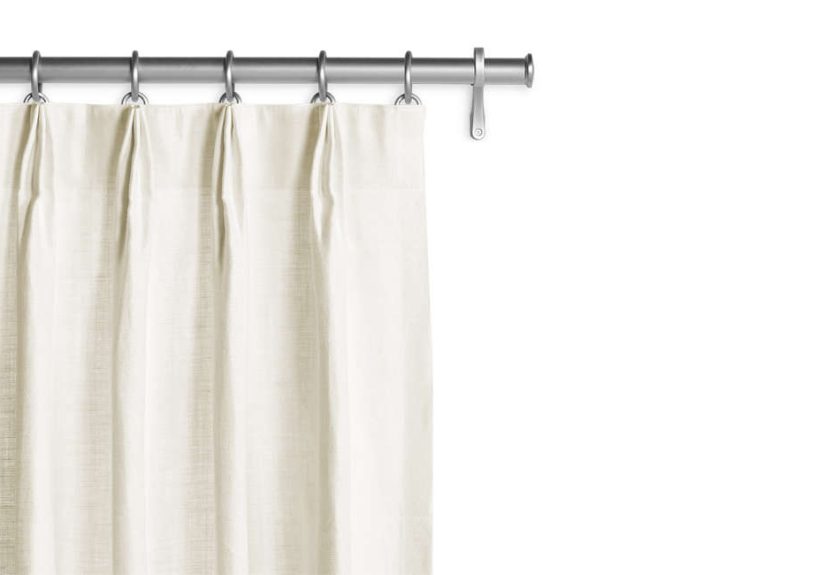
The Euro pleat construction is a major part of the appeal. Unlike softer, more casual headings, Barn & Willow describes Euro pleats as pinched at the top for a waterfall effect, creating a modern structured look. In plain English, that means you get neat, clean folds that still feel fluid. It is tailored, but not uptight. Think blazer, not tuxedo.
Then there is the color. Oyster is one of those lovely near-neutrals that does not behave like a flat, boring beige. It tends to live in that warm gray-beige-off-white family that designers love because it softens a room without washing it out. It works beautifully when you want contrast against white walls, but it also plays nicely with wood tones, plaster finishes, black window frames, warm brass hardware, stone fireplaces, boucle upholstery, and the ever-popular “I swear this room is minimal, but somehow there are seventeen textures in it” aesthetic.
Fabric First: What Makes the Oyster Option Special
Not all linen drapery is created equal. Some linen panels are light, breezy, and almost sheer. Others have more body and presence. Barn & Willow’s own fabric guidance places Oyster in the Belgian textured linen category, which the brand lists at roughly 380–420 gsm. That is notably heavier than its Belgian flax linen and washed Belgian linen groups. Translation: Oyster is textured linen with more substance, more drape, and more visual authority.
That heavier hand is important. It means the drapery is more likely to fall in clean folds, look expensive, and hold its shape. It also means the fabric can visually anchor a room. If whisper-light linen is the curtain equivalent of a linen shirt on vacation, this textured Oyster fabric is the linen blazer that still knows how to have a good time.
Belgian linen also carries strong design credibility in the broader U.S. market. Retailers and design editors consistently frame premium linen as durable, naturally textured, airy, and elegant. That reputation matters because it tells you where this product sits stylistically: not shiny, not synthetic-looking, and definitely not trying to impersonate hotel blackout panels from 2009.
The tactile quality is a huge selling point. Linen’s natural slubs and subtle irregularities are not flaws; they are the reason the fabric looks alive. In Oyster, that texture tends to read as layered and organic rather than stark. If plain white curtains can sometimes feel a little too “dentist office with aspirations,” Oyster usually feels warmer, quieter, and easier to live with.
Euro Pleat: The Tailored Detail That Changes Everything
Header style is where drapery either wins the room or politely fades into the background. Euro pleat is a smart choice because it gives you structure without veering into old-school fussiness. Barn & Willow positions it as a modern structured look, and that is exactly why it works so well in today’s interiors.
What the Euro Pleat Look Does Well
First, it creates vertical rhythm. Those repeated folds help lead the eye upward, which can make ceilings feel taller and windows feel more substantial. Second, it looks custom. Even people who cannot define a Euro pleat can usually tell the difference between tailored drapery and flat panels that gave up halfway through the assignment. Third, it bridges styles beautifully. It works in modern organic rooms, transitional spaces, classic homes, and even more contemporary interiors where you want softness without losing clean lines.
Barn & Willow also notes that pleated styles like Euro Pleat have 2x fullness factored in. That detail should not be underestimated. Good fullness is what makes drapery look rich instead of skimpy. Nobody dreams of curtains that look like they were rationed.
Where Euro Pleat Fits Best
Euro pleat is especially strong in living rooms, dining rooms, primary bedrooms, and home offices. In these spaces, you usually want drapery to do more than just cover glass. You want it to frame the architecture, soften daylight, and make the room look intentionally finished. Euro pleat delivers on all three.
Light Control, Privacy, and Lining Options
A beautiful fabric is only half the drapery story. The other half is function. Barn & Willow lets shoppers customize lining, which is essential for getting the right balance of privacy, sun protection, insulation, and visual weight.
The brand offers unlined, privacy lined, blackout lined, and interlined choices. According to Barn & Willow’s guidance, the privacy lining is 100% cotton and helps with privacy and partial sun blockage, while blackout lining blocks light entirely and adds volume. The company also says lining improves how drapery hangs and recommends lining for most drapes, partly because it helps protect fabric over time.
That recommendation aligns with broader design advice. Drapes are usually considered more formal and functional than lightweight curtains because they are often lined, custom-sized, and intended to extend to the floor. In other words, if you want the Oyster linen to look substantial and perform well, lining is not an afterthought. It is part of the formula.
Best Lining Choice by Room
Living room: Privacy lining is often the sweet spot. It keeps the room soft and bright while cutting harsh glare.
Bedroom: Blackout lining makes more sense if you are sensitive to morning light or have streetlamps outside. It also adds body, which can make the pleats look even more defined.
Dining room or office: Privacy lining usually gives you enough polish and control without turning the room into a cave.
How to Style Oyster Linen Drapery So It Looks Expensive
The good news is that Oyster is easy to style. The bad news is that once you see how much better a room looks with good drapery, you may start judging every naked window you have ever ignored.
1. Hang It High
Design guides repeatedly recommend hanging curtain rods higher to make ceilings look taller. This is one of the oldest visual tricks in the book because it works. Mounting the hardware above the window frame gives the Euro pleat extra drama and helps the panels feel architectural.
2. Extend Past the Frame
Several curtain-buying guides recommend extending rods beyond the window frame. This improves light control and makes the window appear wider. It also lets the panels stack back more cleanly, so you are not blocking half your daylight when the drapes are open.
3. Let It Reach the Floor
Floor-length drapery almost always looks better than panels that stop awkwardly short. Barn & Willow notes that a panel hanging about half an inch above the floor feels casual, while a break or puddle feels more formal. Other major home retailers and design sites echo the same basic rule: curtains should generally reach the floor, whether they float, kiss, break, or puddle.
4. Pair Oyster with Texture, Not Chaos
Oyster shines when paired with natural materials: oak, walnut, cane, plaster, boucle, jute, limestone, matte black metal, unlacquered brass, and soft ivory upholstery. It also layers well with woven shades if you want more depth. The look is rich when the textures vary, but the palette stays disciplined.
Who This Drapery Is Best For
Buy it if: you want custom drapery that feels elevated but not formal, prefer natural materials over synthetic sheen, like warm neutral palettes, and want your windows to look designed rather than merely covered.
It is especially well suited to: organic modern interiors, transitional homes, quiet luxury spaces, updated traditional rooms, and minimalist rooms that need softness.
Skip it if: you want a super-crisp, highly structured, hotel-style look with zero texture; need the cheapest possible option; or prefer super-bright white drapery with a cooler tone. Oyster is subtle, textured, and warm. That is the point.
Buying Tips Before You Order
Custom drapery is less forgiving than throw pillows, so it pays to be careful. Barn & Willow recommends ordering swatches, and that is especially smart here because the company also notes that fabric color can vary slightly between dye lots. If you are doing multiple rooms or a wall of windows, order everything together when possible.
Also remember that custom orders are not the same as grab-and-go retail curtains. Barn & Willow’s policy explains that because panels are stitched to your specifications, returns for customer preference are generally not accepted. That is not unusual in the custom window-treatment world, but it is a very good reason to triple-check measurements, lining choices, and color before placing the order.
If you are trying to decide between unlined and lined, choose lined unless you have a very specific airy, sheer-adjacent goal. Barn & Willow itself recommends avoiding unlined drapery in most cases to help protect the fabric and improve the way the panels hang. That is practical advice, not sales fluff.
Care and Maintenance
Linen is beautiful, but it is not a “toss it in with gym socks and hope for the best” kind of fabric. Barn & Willow recommends professional dry cleaning for draperies overall, though it also notes that unlined or privacy-lined linen draperies can be hand washed in mild water temperature. Blackout-lined curtains should be professionally dry cleaned.
In daily life, maintenance is fairly simple. Shake out dust occasionally, spot clean when needed, and use a steamer to relax creases if the panels need a refresh. Linen tends to look best when it is smooth-ish, not stiffly pressed into submission. A little softness is part of the charm. A lot of wrinkling, however, is not “European.” It is just wrinkled.
Final Verdict
Barn & Willow Belgian Linen Euro Pleat Drapery – Oyster is a strong choice for homeowners who want custom drapery with genuine texture, thoughtful structure, and broad styling flexibility. The heavier Belgian textured linen gives Oyster more presence than a lightweight linen panel, while the Euro pleat adds a modern, tailored finish that reads intentional from across the room.
Its real strength is balance. It feels relaxed, but not sloppy. Elegant, but not overdone. Neutral, but not flat. Functional, but still beautiful. That is exactly why it works in so many homes. If your goal is to make a room feel calmer, taller, warmer, and more finished, this drapery earns serious consideration.
Put simply: if your windows need a glow-up and you want something more sophisticated than basic off-the-shelf panels, Oyster Euro Pleat linen is a very persuasive answer.
Extended Experience: What Living with Oyster Euro Pleat Linen Drapery Actually Feels Like
Here is the part buyers usually want but product pages rarely deliver: what is the real-life experience of living with drapery like this? Not the catalog fantasy where every room has perfect light and nobody owns a charger cable. The actual day-to-day experience.
First, Oyster tends to feel calm from the moment it goes up. That is one of its biggest strengths. Bright white drapery can sometimes feel too stark, and darker drapery can make a room feel heavy if the space is already moody. Oyster lands in a friendlier middle ground. In morning light, it usually reads soft and creamy. In afternoon light, the texture becomes more visible and the fabric starts doing that lovely linen thing where it looks a little different from every angle. At night, especially with lamps on, it gives the room a cocooned look that feels welcoming rather than formal.
The Euro pleat also earns its keep over time. Once the folds settle in, the drapery starts to look more architectural. That matters more than people realize. Flat panels can disappear or look limp, but Euro pleats keep a room looking composed even when the rest of life is happening around them. Toys on the floor, laptop on the sofa, one rogue hoodie on a dining chair: the drapery still says, “This household has standards.”
Another lived-in advantage is the way textured linen softens hard finishes. If you have black-framed windows, white walls, stone counters, wood floors, or a lot of straight-edged furniture, Oyster linen acts like a visual buffer. It takes the sharpness down a notch without making the room feel fussy. That is why it often works so well in newer homes and renovated spaces that need a little warmth.
There is also a sensory difference with linen drapery that is hard to explain until you live with it. The room feels quieter visually. Not darker, necessarily. Just gentler. With privacy lining, daylight comes in with less glare. With blackout lining, the room becomes more controlled and restful. Either way, the space feels more complete. You stop noticing the window as a blank opening and start noticing the room as a finished environment.
Of course, linen behaves like linen. It may arrive with some creasing, and it usually benefits from a good steam after installation. But that is normal. In fact, many homeowners end up liking it more after a few days or weeks, once the folds relax and the drapery settles into its final shape. It begins to look less like a new purchase and more like it has always belonged there.
And perhaps that is the best experience-based compliment you can give this product: it does not feel trendy in a disposable way. It feels quietly right. The color is versatile, the pleat is polished, the texture is rich, and the overall effect is the kind of everyday luxury that keeps paying you back every time sunlight hits the room just right.