Table of Contents >> Show >> Hide
- Who Is Catherine David, and Why Did Remodelista Notice?
- What Makes a Catherine David Shower Curtain Different?
- How to Style Your Bathroom Around a Catherine David Shower Curtain
- Practical Considerations: Size, Liner, and Care
- Is a Designer Shower Curtain Worth the Investment?
- Real-Life Experiences with Catherine David–Style Shower Curtains
- Final Thoughts: A Small Swap with a Big Payoff
If your bathroom still has a shiny plastic curtain covered in ducks, it’s time for an upgrade. One of Remodelista’s cult favorites, the Catherine David shower curtain, shows how a single, well-chosen textile can make a tiny, everyday space feel like a carefully styled room instead of an afterthought. It’s simple, graphic, and quietly luxevery much in line with Remodelista’s understated, utilitarian-chic aesthetic.
Think of this curtain as a design shortcut: you get clean lines, soft natural fabric, and a subtle pattern that works in everything from a rental bath to a full-on architectural renovation. Below, we’ll break down what makes the Catherine David shower curtain special, how to style your bath around it, and what to know about materials, liners, and maintenance so your bathroom looks as good in real life as it does in your inspiration folder.
Who Is Catherine David, and Why Did Remodelista Notice?
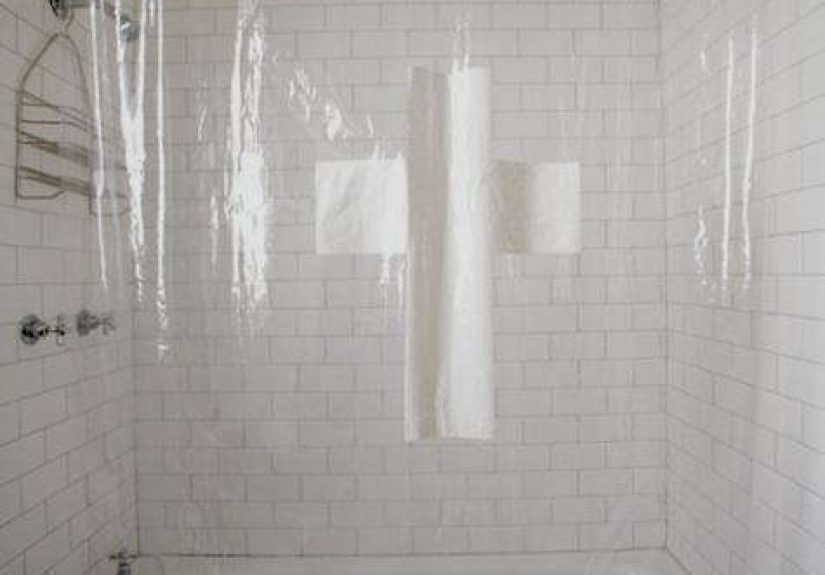
Back in the early 2010s, Remodelista featured the cross-pattern shower curtains by New Zealand–based designer Catherine David, discovered via online shop Father Rabbit. The design is deceptively simple: a field of neutral fabric punctuated by a repeating cross motifthink more “Nordic clinic meets cozy spa” than “medical supply store.” Remodelista has since cataloged Catherine David Designs as a retailer in its directory, positioning her pieces alongside carefully curated furniture, textiles, and lighting.
Why did this relatively quiet product get a spotlight? Because it embodies several Remodelista hallmarks:
- Honest materials: Natural-feeling base cloth rather than plasticky vinyl.
- Graphic but not loud: The cross print adds rhythm without shouting for attention.
- International but timeless: A design that feels at home in Scandinavian, Japanese, modern farmhouse, or classic American baths.
In other words, it’s the opposite of disposable décor. It’s a piece you could live with for years, not just until the next sale at the big-box store.
What Makes a Catherine David Shower Curtain Different?
On paper, a shower curtain is just a rectangle of fabric with some holes at the top. In practice, small decisions in material and pattern make a huge difference in both function and feel.
Natural, Non-Toxic Materials
Many design-forward shower curtains now lean heavily on cotton or linen, and Catherine David’s aesthetic sits squarely in that camp. Natural fibers have a few key advantages:
- Better indoor air quality: Unlike PVC liners, natural-fiber curtains don’t off-gas that “new plastic” smell associated with volatile organic compounds.
- Softer feel and drape: Linen and cotton fall in relaxed folds, giving the bath a textile, room-like quality instead of a stiff plastic wall.
- Eco-friendlier profile: Plant-based fibers are generally more sustainable, especially when paired with non-toxic dyes and finishes.
For homeowners trying to reduce chemical exposure or simply tired of the heavy, chemical scent of vinyl, a fabric curtain with a separate liner is a big upgrade.
Subtle, Graphic Pattern
The trademark cross print is where the Catherine David shower curtain really earns its design cred. It’s bold enough to be noticed but regular and minimal enough to read as texture from across the room. Because the pattern usually comes in high-contrast but neutral colorwayswhite with black crosses, or vice versayou get visual energy without the chaos of a busy floral or novelty print.
This makes it incredibly versatile. The curtain can serve as:
- A focal point in an otherwise plain white-tiled bathroom.
- A grounding element in a colorful space, balancing patterned tile or wallpaper.
- A bridge between stylesindustrial fixtures, vintage mirror, and modern vanity all feel connected by the clean geometry of the crosses.
Quiet Luxury in Everyday Hardware
Details like metal grommets, robust stitching, and substantial fabric weight separate a designer curtain from a bargain-bin option. A heavier textile hangs straighter, resists blowing around in the steam, and feels more like a custom drapery panel than a shower accessory. When you pair that with simple, high-quality rings or hooks, you get a subtle “hotel bathroom” vibe without actually changing the tile or fixtures.
How to Style Your Bathroom Around a Catherine David Shower Curtain
Once the curtain is in place, it quickly becomes one of the largest vertical surfaces in the room. That means it sets the tone. Here’s how to make the most of it.
1. Start with the Right Height and Length
One of the easiest ways to make a bathroom look more tailored is to hang the shower curtain higher and use a longer panel. Mount the rod a few inches below the ceiling (or crown molding) and choose a curtain long enough that it almost kisses the floor.
This trick visually raises the ceiling and makes the bath feel more architectural and intentional. With a Catherine David design, the full-length field of crosses becomes a graphic backdrop instead of a chopped-off panel hovering halfway up the wall.
2. Build a Calm, Cohesive Color Palette
Because the curtain’s pattern is usually monochrome, it plays nicely with a limited palette elsewhere in the room. Try these combinations:
- Black-and-white with warm woods: Pair the cross curtain with oak or walnut vanity fronts and woven baskets for a Scandinavian feel.
- Soft grays and greige: If your tile is light gray or beige, the graphic curtain brings contrast without clashing.
- Color-drenched tile with neutrals: Trendy “tile drenching” (one tile color on walls and floor) looks bolder yet still refined when anchored by a neutral patterned curtain.
Keep towels and bath mats in solid colors that echo the curtain’s tones. That way, the crosses remain the star instead of competing with other prints.
3. Upgrade the Small Hardware
A designer curtain deserves better than creaky plastic rings. Swap them out for metal hooksmatte black, brushed nickel, or unlacquered brassdepending on your faucet and handle finishes. Double-hook rings are especially practical if you’re using a separate liner, because they allow you to remove the liner without unthreading the whole curtain.
Coordinating details like robe hooks, towel bars, and even the trash can amplify the “collected, not cobbled together” look. Think of the curtain as your lead actor and the hardware as the supporting cast.
4. Layer in Texture, Not Clutter
Because the cross pattern is graphic but controlled, you can safely add texture elsewhereribbed glass, woven hampers, stone or concrete accessorieswithout overwhelming the room. What you want to avoid is visual noise: too many small items on the vanity, multiple competing prints, or every surface in a different finish.
A good rule of thumb: after you install the curtain, choose two more textural moments (for example, a waffle-weave towel and a striped rug) and keep the rest simple and smooth.
Practical Considerations: Size, Liner, and Care
Beautiful is great. Functional is nonnegotiable. A designer shower curtain should keep water where it belongs and hold up to daily use. Here’s how to make sure it does both.
Choose the Right Size
Most standard tubs work with a 72-by-72-inch curtain, but many design-savvy homeowners now size up to longer optionssay 72 by 84 inchesto achieve that floor-grazing look. Measure from your planned rod height to an inch above the floor and check the width of your tub or shower alcove. Allow a little extra width so the curtain can hang in loose folds instead of being stretched tight.
If your curtain ends up a touch long, hemming or using clip rings can fine-tune the length. If it’s too short, raising the floor with a thick rug doesn’t really solve the problembetter to get the length right from the start.
Pair It with the Right Liner
Most fabric curtains, including designer options, aren’t meant to contain water on their own. A liner does the heavy lifting. You have a few choices:
- PEVA/EVA liners: These plastic alternatives are free of the harsh chemical smell associated with PVC and are widely recommended as a safer, more eco-friendly option.
- Fabric liners: Polyester or nylon liners provide a softer look and can often be machine washed. They’re a good match if you’re committed to avoiding plastic altogether.
- No liner: Some laminated or coated fabric curtains can be used alone, but double-check care instructions. For most cotton and linen designs, a liner will dramatically extend the curtain’s life.
Whichever liner you choose, make sure it extends inside the tub when you shower. The Catherine David curtain stays on the “dry” side, acting as the decorative layer.
Cleaning and Mildew Prevention
Even the chicest shower curtain needs regular cleaning. The good news: natural-fiber curtains are typically machine-washable on a gentle cycle. Wash with mild detergent and cool water, then hang dry to avoid shrinkage.
To keep mildew at bay:
- Spread the curtain out after each shower so it can fully dry instead of bunching up in damp folds.
- Run the fan or open a window to vent moisture.
- Wash or replace the liner frequently, since that’s where most soap scum and buildup collect.
Build curtain care into your cleaning routinethink once a month for the liner and every few months for the outer curtainand your bath will smell fresh and look guest-ready much longer.
Is a Designer Shower Curtain Worth the Investment?
Let’s be honest: a Catherine David shower curtain will likely cost more than the generic option packed in crinkly plastic. So what are you actually paying for?
Long-Term Value vs. Fast Décor
Budget vinyl curtains are cheap, but they tend to yellow, tear at the grommets, and develop stubborn mildew. They’re also the most likely to off-gas and give your bathroom that “chemical cloud” greeting every time you walk in.
A well-made, natural-fiber curtain paired with a good liner can easily last years with basic care. You’re investing once in a piece that upgrades the look of the entire room and doesn’t need constant replacing. Measured over time, cost per use drops dramaticallyand you generate less plastic waste.
Visual Impact in a Small Space
In a compact bath, there are only a few big surfaces: floor, walls, vanity, and that giant curtain across the tub. If you’re not in the market to re-tile or replace fixtures, a thoughtfully chosen curtain becomes your main design move.
The beauty of the Catherine David design is that it works with both existing “builder basic” spaces and more curated interiors. It can dial up the personality of a plain white bath or quietly coordinate with zellige tile, stone counters, and vintage mirrors. Few purchases at this scale have that kind of visual leverage.
Health and Comfort Considerations
For families with small kids, pets, or anyone sensitive to smells and chemicals, moving away from PVC is more than a style choice. Choosing natural fibers and non-toxic liners creates a bathroom that smells fresher and feels more like a place to unwind rather than a plastic-wrapped utility zone.
And there’s something undeniably pleasant about brushing past soft linen or cotton instead of stiff plastic every morning. It’s a small sensory upgrade that you notice more than you’d expect.
Real-Life Experiences with Catherine David–Style Shower Curtains
Designers love to talk about materials and styling, but what is it actually like to live with a Catherine David–style shower curtain day after day? Here’s what the experience tends to feel like once the photos are done and real life takes over.
A Rental Bathroom That Finally Feels “Done”
Imagine a typical rental bath: off-white tile, basic chrome fixtures, a vanity that has seen better days. Swapping in a graphic cross-pattern curtain instantly draws the eye away from the less-than-luxurious elements. Add a solid-color bath mat that picks up the black or white of the pattern, a small plant on the tank, and a framed print above the towel bar, and suddenly the least-loved room in the apartment feels considered.
Tenants often describe this kind of curtain as a “portable upgrade.” You may not own the tile, but you own the view you create in front of itand you can take it with you when you move.
The Family Bathroom That Has to Work Hard
In a busy household, the shower curtain gets a workout: kids flinging it open, towels tossed over the rod, water splashing everywhere. A heavier natural-fiber curtain holds up better than flimsy plastic, especially when paired with a sturdy liner and decent hooks.
Parents often find that the graphic pattern hides minor splashes and drips between washes while still looking clean and crisp. Because the palette is neutral, it grows with the familyno need to re-theme the bathroom from cartoon characters to something more “teen-appropriate.”
A Spa-Like Primary Bath Without a Remodel
Not everyone can (or wants to) swap in frameless glass. For those who prefer the flexibility of a curtainprivacy, warmth, easier cleaninga Catherine David–style design offers a spa-like feel without the permanent commitment.
Picture a primary bath with pale stone tile, a wood stool by the tub, and soft sconce lighting. The cross curtain becomes a serene plane of pattern behind it all, moving gently with the steam. Paired with plush white towels and a neutral rug, it gives the same calm, edited look you see in boutique hotel bathrooms.
Seasonal Refresh Without Chaos
One of the underrated perks of a restrained, black-and-white curtain is how easy it is to update everything around it. In winter, you might pair it with deep charcoal towels and a wool bath mat. In summer, you switch to lighter sandy tones and add a striped Turkish towel on the hook.
Because the curtain itself is timeless, these seasonal swaps feel intentional instead of chaotic. You never end up with holiday-themed curtains you regret in January; instead, you keep a consistent backbone and rotate the supporting details.
The Everyday Routine Upgrade
Most people underestimate how much their surroundings affect their mood during everyday tasks. Replacing a cheap, cloudy liner with a beautifully made curtain may seem insignificant, but when it’s the first thing you see in the morning and the last thing you see during your nighttime wind-down, it matters.
Pulling back a curtain that feels solid in your hand, noticing the crisp pattern against fresh tile, and stepping out onto a coordinated rug turns a purely functional moment into something closer to a ritual. You’re still just taking a showerbut the environment signals calm, order, and a bit of style. Over time, those micro-moments add up.
Final Thoughts: A Small Swap with a Big Payoff
The Catherine David shower curtain, as spotlighted by Remodelista, is a great example of how thoughtful design shows up in the details. It’s just fabric and crosses and grommetsbut in the right proportions, with the right materials, it transforms the feel of an entire bathroom.
If you’re not ready for a full remodel, or you’re working within the constraints of a rental, starting with the shower curtain is one of the most strategic moves you can make. Choose natural fibers, pair them with a good liner, hang the curtain high, and keep everything around it edited and cohesive.
You’ll spend a few extra dollars over the bargain-bin option, but every morning when you slide that curtain back, you’ll be glad you did.