Table of Contents >> Show >> Hide
- What Is Kiwano, Exactly?
- Nutrition Snapshot: What’s Inside a Horned Melon?
- Benefits of Kiwano: The Real Deal List
- 1) Hydration Support (Because Crunchy Water Can Be Fun)
- 2) Immune and Skin Support From Vitamin C
- 3) Antioxidant Mix (Cell “Rust” Protection)
- 4) Digestive Support Thanks to Fiber
- 5) Heart-Friendly Minerals: Potassium and Magnesium
- 6) Steadier Energy After Meals (Fiber’s Slow-Down Effect)
- 7) Eye and Skin Support From Vitamin A-Related Compounds
- 8) A Plant-Friendly Way to Boost Iron Absorption
- How to Choose, Store, and Prep Kiwano
- How to Eat Kiwano: Tasty Ideas (No Fancy Skills Required)
- Who Should Be Cautious?
- FAQ: Quick Answers
- Conclusion
- of Real-Life Kiwano Experiences (The Helpful, Slightly Messy Kind)
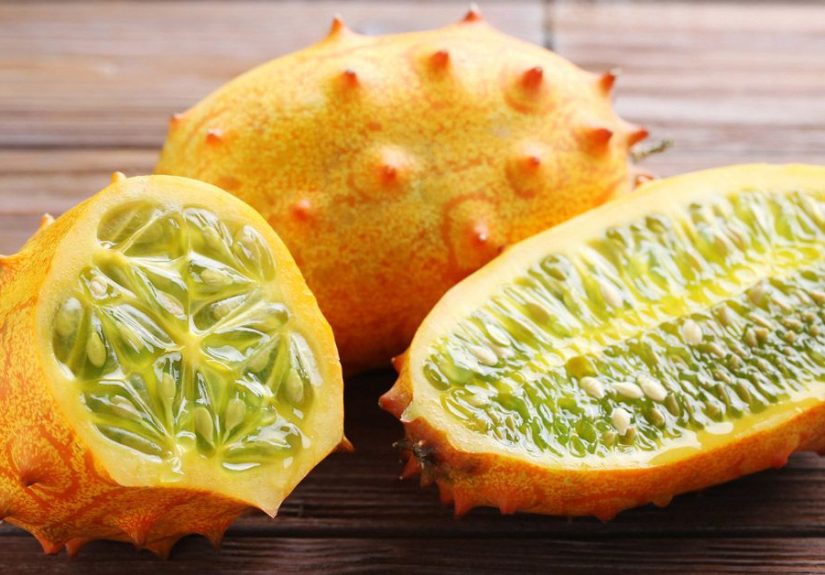
If a cucumber and a sea urchin had a baby, it would probably look like a kiwano
(also called horned melon). It’s bright orange, spiky, and dramatically weird in the
produce aislelike it’s wearing a tiny suit of armor to protect its juicy insides.
But kiwano isn’t just a pretty oddball. Inside that sci-fi shell is a lime-green, jelly-like pulp
with edible seeds and a refreshing flavor that people often describe as a mix of
cucumber + citrus (sometimes with a hint of banana). And yes: it brings real nutrition
to the table, not just “Instagram energy.”
What Is Kiwano, Exactly?
Kiwano is a member of the cucurbit family (the same big, friendly family as cucumbers, melons,
and squash). It’s usually oval, covered in soft horns, and filled with a seed-studded pulp that’s
more “gel” than “melon cube.” Think: passion fruit’s texture meets cucumber’s vibe.
The best part? Kiwano is naturally high in water, offers fiber, and contains a mix of vitamins,
minerals, and antioxidantsmaking it a smart way to add variety to your fruit routine.
(Variety matters. Your body loves a diverse cast of nutrients, not the same five foods on repeat.)
Nutrition Snapshot: What’s Inside a Horned Melon?
Exact nutrition depends on size and ripeness, but kiwano is generally:
- High in water (a very refreshing snack)
- Moderate in carbs, with some fiber
- A source of vitamin C and vitamin A-related carotenoids
- Provides minerals like potassium and magnesium
Translation: it’s not a “miracle fruit,” but it is a genuinely useful, nutrient-packed option
especially if you’re bored with apples pretending to be exciting.
Benefits of Kiwano: The Real Deal List
Let’s talk benefits the honest way: kiwano supports health mostly because of what it contains
(water, fiber, vitamins, minerals, antioxidants). It’s not medicine, but it can be a helpful
piece of an overall healthy eating pattern.
1) Hydration Support (Because Crunchy Water Can Be Fun)
Kiwano’s high water content makes it a refreshing choice, especially when you want something
light and juicy. Hydrating foods can support normal digestion, temperature regulation, and
everyday energybecause feeling “blah” is often just your body asking for water in a dramatic way.
How to use this: Add chilled kiwano to a fruit bowl, blend it into a smoothie, or spoon it
straight from the shell after a hot day.
2) Immune and Skin Support From Vitamin C
Vitamin C is an antioxidant and plays key roles in immune function. Your body also uses it to
make collagen, which supports skin and connective tissues. Vitamin C also helps your body absorb
non-heme iron (the type found in plant foods).
How kiwano fits: Kiwano contributes vitamin C as part of a balanced dietespecially when
paired with other vitamin C-rich produce.
3) Antioxidant Mix (Cell “Rust” Protection)
Antioxidants help protect cells from oxidative stress. Kiwano contains antioxidant nutrients such
as vitamin C and vitamin A-related compounds, and its seeds and pulp can contribute additional
protective compounds depending on the fruit.
No, you don’t need to “detox.” Your liver is already doing its job. Antioxidant-rich foods are
simply one way to support your body’s normal defense systems.
4) Digestive Support Thanks to Fiber
Fiber helps keep digestion moving and supports gut health. Higher-fiber eating patterns are also
linked to better heart health outcomes over time. Most people don’t get enough fiber daily, so
every fruit-and-veggie choice helps.
Pro tip: If you’re not used to fiber, increase slowly and drink enough fluidsotherwise
your stomach may file a formal complaint.
5) Heart-Friendly Minerals: Potassium and Magnesium
Potassium is important for normal fluid balance and nerve/muscle function. Diets low in potassium
are linked with increased risk of high blood pressure, especially when sodium intake is high.
Magnesium is involved in hundreds of enzyme systems and supports muscle and nerve function,
blood glucose control, and blood pressure regulation.
How kiwano helps: It contributes small-to-moderate amounts of these minerals, and it pairs
well with other potassium- and magnesium-rich foods (think yogurt, leafy greens, nuts, seeds).
6) Steadier Energy After Meals (Fiber’s Slow-Down Effect)
Fiber can slow digestion and the absorption of carbohydrates, which may help support steadier
post-meal blood sugar responses. That doesn’t mean kiwano “treats diabetes,” but it can be a
smart fruit choice within an overall balanced snack (especially with a protein or healthy fat).
Snack idea: Kiwano + Greek yogurt + a sprinkle of nuts. Simple, tasty, and actually keeps
you satisfied.
7) Eye and Skin Support From Vitamin A-Related Compounds
Many orange- or yellow-toned fruits contain carotenoids that the body can use to support normal
vision and skin health. Kiwano’s nutrient mix may include vitamin A-related compounds that play
supportive roles in these systems.
8) A Plant-Friendly Way to Boost Iron Absorption
If you eat mostly plant foods, vitamin C is especially helpful because it enhances absorption of
non-heme iron. Pairing vitamin C-containing fruits (like kiwano) with iron-containing foods
(beans, lentils, fortified cereals, spinach) is a classic nutrition “power combo.”
How to Choose, Store, and Prep Kiwano
How to Pick a Good One
- Color: Look for a bright orange to orange-yellow skin (greener fruit is usually less ripe).
- Feel: Firm, with a little givenot mushy.
- Skin: Avoid deep bruises or leaking spots.
Storage Basics
- Whole fruit: Keep at room temperature until ripe; it can last longer than many fruits thanks to its thick rind.
- Cut fruit: Refrigerate and use within a few days for best flavor and freshness.
How to Cut It Without Drama
- Rinse the fruit (yes, even if you’re not eating the skin).
- Slice it in half crosswise, like a grapefruit.
- Scoop out the pulp with a spoon.
- Eat the pulp and seeds (the seeds are edible), or strain if you prefer a smoother texture.
How to Eat Kiwano: Tasty Ideas (No Fancy Skills Required)
Eat It Straight
Spoon it right out of the shell. The flavor is mild, so a tiny pinch of salt, a squeeze of lime,
or a drizzle of honey can make it pop.
Blend It Into Smoothies
Kiwano adds a refreshing, slightly tangy base. Blend pulp with:
- banana + yogurt (creamy)
- pineapple + coconut water (tropical)
- spinach + mango (green-but-good)
Texture tip: If seeds bother you, blend first, then strain through a fine mesh sieve.
Make a Quick “Fancy” Breakfast Bowl
- Greek yogurt or cottage cheese
- Kiwano pulp
- Granola
- Chia seeds
- Optional: berries, honey, or toasted coconut
Turn It Into Salsa (Yes, Salsa)
Kiwano works surprisingly well with savory flavors. Mix:
- kiwano pulp
- diced cucumber
- red onion
- cilantro
- lime juice
- pinch of salt + chili flakes
Serve with fish tacos, grilled chicken, or tortilla chips. Your taste buds will be confusedin a good way.
Freeze It Into Popsicles
Combine kiwano pulp with orange juice (or lemonade), pour into molds, freeze. It’s basically a
summer mood on a stick.
Who Should Be Cautious?
Kiwano is generally safe as a food, but a few common-sense notes:
- Sensitive stomach? Start with a small amountfiber can cause bloating if you jump in too fast.
- Kidney disease or potassium restrictions? Ask a clinician what fruit portions work for you.
- Allergies: If you react to melons/cucumbers, be cautious and stop if you notice itching, swelling, or hives.
FAQ: Quick Answers
What does kiwano taste like?
Mild and refreshingoften described as cucumber + lime, sometimes with a subtle banana-like note.
The flavor is gentler than it looks.
Do you eat the seeds?
Yes, the seeds are edible. If you prefer a smoother texture, strain them out after blending.
Is the skin edible?
Most people don’t eat the rind. It’s thick and spiky (and your mouth deserves better). The fun move:
use the hollowed shell as a natural serving bowl.
Conclusion
Kiwano is proof that “healthy food” doesn’t have to look boring. With its high water content, fiber,
vitamin C, and helpful minerals like potassium and magnesium, it can support hydration, digestion,
and everyday nutrition goals. The best part is how easy it is to eat: slice, scoop, and enjoythen
start experimenting with smoothies, yogurt bowls, salsa, and frozen treats.
If you’ve never tried kiwano, consider this your sign. Worst case: you get a funny-looking fruit
and a great story. Best case: you find a new favorite snack that makes your fruit bowl look like it
time-traveled from the future.
of Real-Life Kiwano Experiences (The Helpful, Slightly Messy Kind)
The first “experience” most people have with kiwano is in the grocery store, standing still like
their brain just hit a loading screen. You see the orange spikes and immediately wonder if it’s
edible or if it’s supposed to be used as a prop in a space movie. A lot of folks buy it for the
same reason they buy a novelty candle: curiosity and optimism.
At home, the second experience is the “how do I open this without making it weird?” moment.
The good news: it cuts like a melon. The more surprising news: the inside looks like green jelly
full of seeds, and your brain may briefly ask, “Is this fruit… okay?” This is normal. The texture
is just different from what most of us grew up eating. The easiest way to make peace with it is to
treat it like passion fruitscoop first, judge later.
Taste-wise, many first-timers are pleasantly shocked. Kiwano looks intense but tastes gentle.
People often describe a fresh cucumber-like flavor with a little citrus. That mildness is actually
useful: it means you can steer the flavor any direction you want. Add lime and a pinch of salt and
it goes savory. Add honey and suddenly it feels like a fruit dessert. Mix it into yogurt and it
becomes a “how is this so simple?” breakfast win.
One of the most common “aha” moments is discovering that kiwano is better with friends. On its own,
it’s refreshing but subtle. In a smoothie, it becomes a texture hero: it adds body and a bright,
clean taste that plays well with mango, pineapple, banana, or even leafy greens. People who dislike
the seeds usually solve it fastblend and strain. People who don’t mind the seeds often say the
crunch makes it feel more like a real, whole fruit.
Another fun experience: kiwano is a conversation starter. Put it on the counter and someone will
ask about it. Serve it in the hollowed shell and suddenly you’re the person who “does fancy food,”
even if your meal is literally yogurt and a spoon. Parents also report that kids either love it
instantly (“dragon fruit!”) or act suspicious for 10 minutes before deciding it’s actually good.
Either way, it’s a win because it turns trying new foods into an adventure instead of a chore.
The most practical lesson people learn is this: kiwano shines when it’s cold. Chill it, then scoop.
The flavor is brighter, the texture feels cleaner, and it’s simply more enjoyable. It’s the kind of
fruit that doesn’t demand perfectionjust a spoon, a little curiosity, and maybe a napkin (because
yes, the jelly can get enthusiastic).