Table of Contents >> Show >> Hide
- What Is Creeping Bentgrass?
- Why People Grow Bentgrass
- Best Growing Conditions for Creeping Bentgrass
- How To Plant Creeping Bentgrass
- How To Care for Bentgrass After It Establishes
- Common Problems With Creeping Bentgrass
- Biggest Mistakes People Make With Bentgrass
- Is Creeping Bentgrass Right for You?
- Real-World Experiences With Bentgrass: What Growers Usually Learn the Hard Way
- SEO Tags
If turfgrass had a personality, creeping bentgrass would be the talented overachiever who also needs a very specific coffee order, a perfect room temperature, and a little emotional support every July. It is beautiful, fine-textured, and famous for creating the smooth, velvety surfaces people associate with golf course putting greens. But it is also one of the more demanding grasses you can grow. In other words, bentgrass is gorgeous, but it is not exactly a “plant it and forget it” kind of roommate.
This guide explains what creeping bentgrass is, where it grows best, how to establish it from seed, and what it takes to keep it healthy. It also covers the real-world issues that show up once the honeymoon phase is over: puffy growth, thatch, disease pressure, watering mistakes, and summer stress. If you are thinking about growing a bentgrass lawn, a backyard putting area, or simply want to understand why this grass behaves the way it does, this article will help you make smart decisions before your mower starts running your life.
What Is Creeping Bentgrass?
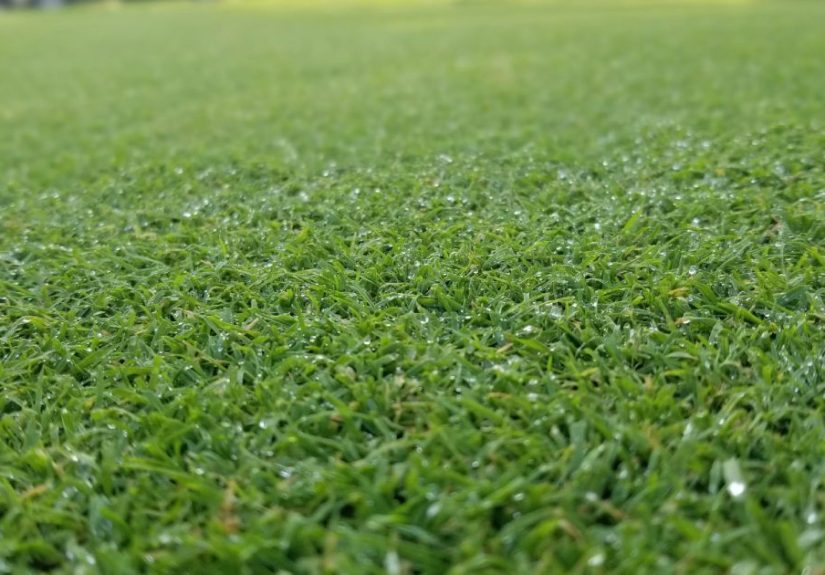
Creeping bentgrass, often listed botanically as Agrostis stolonifera, is a cool-season perennial turfgrass. Its most important feature is right there in the name: it creeps. Instead of growing only upward like some grasses, it spreads through above-ground stems called stolons. Those stolons allow the plant to knit together into a dense carpet and recover from light wear, ball marks, and traffic better than many other fine-bladed grasses.
That spreading habit is exactly why bentgrass creates such a smooth, luxurious surface. It can tolerate very low mowing heights, which is why golf courses rely on it for putting greens and other specialty turf areas. The downside is that the same aggressive growth that makes it impressive can also make it high-maintenance. If it is allowed to grow too tall, it often becomes puffy, spongy, and uneven. That may sound whimsical, but under your shoes it feels less like a pristine lawn and more like you accidentally planted a fancy sponge.
In the right setting, bentgrass looks elegant and refined. In the wrong setting, it becomes a needy turf diva that demands more mowing, more monitoring, and more problem-solving than most homeowners want. That does not make it a bad grass. It just makes it a specialized one.
Why People Grow Bentgrass
There are good reasons bentgrass has remained popular for decades. First, its texture is extremely fine. If you want turf that looks polished and manicured, bentgrass delivers. Second, it can handle close mowing better than most common lawn grasses. Third, because it spreads by stolons, it can fill in thin spots and create a tight, uniform stand when managed correctly.
That said, bentgrass is not usually the best choice for the average home lawn. Many universities and turf specialists caution against using it in ordinary yards because it is aggressive, demanding, and more suited to specialty turf than casual suburban grass. If you want a lawn that looks respectable without becoming a weekend internship, other cool-season grasses are often easier to manage.
Best uses for creeping bentgrass
- Backyard putting greens
- Specialty ornamental turf
- Highly maintained cool-season lawns in select climates
- Areas where an ultra-fine texture is the goal
When bentgrass is probably the wrong choice
- You want a low-maintenance lawn
- Your site gets heavy shade
- Your summers are long, hot, and humid
- You only own a rotary mower and hope for the best
Best Growing Conditions for Creeping Bentgrass
Creeping bentgrass performs best in cool, humid to cool, semi-arid regions and is most comfortable when air temperatures are roughly in the 60s to mid-70s Fahrenheit. That sweet spot matters. Once summer heat and humidity start piling on, the grass becomes more vulnerable to disease, shallow rooting, and stress. This is why bentgrass can look brilliant in spring and fall, then suddenly develop a dramatic summer subplot.
Light
Full sun is best. Some references note that bentgrass may tolerate light shade, but meaningful shade usually leads to weaker growth, more moisture staying on the leaves, and a greater chance of disease. If a site is shaded by trees, fences, or structures for much of the day, bentgrass is not likely to perform at its best.
Soil
Bentgrass prefers well-drained, moist, fertile soil with a slightly acidic pH. A practical target is around pH 5.5 to 6.5. Good drainage is critical. Bentgrass likes consistent moisture, but it does not want to sit in stale, soggy conditions where roots struggle and diseases celebrate.
Water
It is not particularly drought-friendly. Bentgrass needs steady moisture, especially during establishment and summer stress, but it also responds poorly to overwatering. That sounds contradictory until you remember the golden rule of turf care: roots need both water and oxygen. Bentgrass wants moisture in the root zone, not a swamp party.
How To Plant Creeping Bentgrass
If you are starting from seed, timing matters. For cool-season turf, fall is generally the best season for establishment because temperatures are favorable and weed pressure is usually lower than in late spring. Early spring can work, but fall gives bentgrass a better opportunity to develop before summer stress arrives.
Seed rate
A typical seeding rate for creeping bentgrass is about 0.5 to 1 pound per 1,000 square feet, depending on the project and seed quality. Always check the label on the specific seed lot you buy, because purity and germination can affect how much seed you actually need.
Site preparation
Start with a clean seedbed. Remove weeds, debris, and old thatch layers that could interfere with seed-to-soil contact. Grade the area so water drains evenly and does not puddle. Bentgrass may be fine-textured, but it notices sloppy preparation. If the base is uneven, the finished turf will remind you of that fact every time you mow.
Before planting, loosen the top layer of soil and incorporate amendments only if a soil test shows they are needed. A soil test is especially useful for checking pH and nutrient levels. Bentgrass is not the grass to treat with random “maybe this helps” products from the garden center shelf.
Seeding and early watering
Broadcast the seed as evenly as possible. Bentgrass seed is tiny, so patience helps. Many people split the seed into two directions, making one pass north-south and another east-west for better coverage. After seeding, lightly rake or roll the area so the seed sits snugly against the soil surface.
Keep the surface consistently moist during germination. That usually means light, frequent irrigation at first. As seedlings establish, gradually reduce watering frequency and increase depth so roots begin chasing moisture downward. The goal is to raise turf that can survive a summer, not turf that panics the moment a sprinkler skips breakfast.
How To Care for Bentgrass After It Establishes
Mowing
Mowing is the centerpiece of bentgrass care. On golf greens and similar specialty surfaces, creeping bentgrass is often maintained at very low heights, commonly in the range of about 1/8 inch to 1/2 inch depending on use. In a non-golf setting, homeowners may keep it a bit higher, but once it gets much above that range, it can become puffy, matted, and uneven.
That means a reel mower is often the best tool if you want true bentgrass quality. A standard rotary mower can work for some higher-cut situations, but it will not produce the same clean finish at low heights. Mow often enough that you never remove too much leaf tissue at once. Bentgrass likes consistency. The “I forgot to mow for ten days” strategy is not its love language.
Irrigation
Water deeply and intelligently rather than constantly. Early morning is the best time to irrigate because it gives the turf time to dry during the day. Watering in the evening can extend leaf wetness, which encourages disease. During high heat, intensively managed bentgrass may benefit from very light syringing to cool the canopy, but that is a specialty practice, not an excuse to spray the lawn every time the weather app looks dramatic.
Fertilization
Bentgrass needs fertility, but it does not benefit from heavy-handed feeding. Too much nitrogen can push lush top growth, increase thatch, and worsen certain disease and management issues. On tightly managed greens, turf specialists often recommend relatively modest annual nitrogen rates. In broader high-maintenance turf settings, fertility needs may be higher depending on use, soil, clipping removal, and growing conditions.
The smartest approach for most growers is simple: base your plan on a soil test, apply fertilizer in smaller doses instead of giant blasts, and avoid overfeeding. You want steady growth, not a sugar rush.
Thatch and topdressing
Because bentgrass spreads aggressively by stolons, it is prone to thatch and organic matter buildup. If that layer gets too thick, roots stay shallow, the surface turns soft, and disease pressure rises. For highly maintained bentgrass, periodic aeration, vertical mowing, and topdressing help keep the turf firm and functional. For homeowners, the exact schedule depends on how intensively the area is managed, but ignoring thatch is one of the fastest ways to turn a beautiful stand into a puffy headache.
Common Problems With Creeping Bentgrass
Summer stress
Heat is the big one. Creeping bentgrass is a cool-season grass, so hot, humid summers put it under real pressure. When nights stay warm and the leaves remain wet for long periods, the grass loses some of its edge. Roots may decline, recovery slows, and disease pressure increases. If your climate turns into a steam room every summer, bentgrass will notice.
Dollar spot
Dollar spot is one of the most common bentgrass diseases. It is encouraged by extended leaf wetness, low nitrogen, drought stress, low mowing, thatch, and poor air movement. You can reduce risk by watering early in the morning, maintaining balanced fertility, improving air circulation, and managing thatch. Resistant cultivars can also help.
Brown patch, pythium, and take-all patch
Bentgrass can also struggle with brown patch, pythium, and take-all patch. These issues are often tied to moisture, heat, drainage, fertility balance, and soil chemistry. For take-all patch in particular, keeping pH on the acidic side and avoiding unnecessary liming can be part of the management strategy. This is another reason random lawn products can do more harm than good.
Shade and air movement
Tree shade is a double problem. It reduces light and slows drying. Bentgrass growing under trees often stays damp longer, which increases disease pressure. Pruning nearby trees and shrubs to improve sunlight and air movement can make a surprising difference.
Biggest Mistakes People Make With Bentgrass
- Planting it in the wrong climate: Bentgrass is not thrilled by long stretches of high heat and humidity.
- Letting it grow too tall: Once it puffs up, the surface gets soft, uneven, and harder to manage.
- Watering too often: Frequent shallow irrigation encourages shallow roots and more disease pressure.
- Feeding too much nitrogen: Excess growth leads to more mowing, more thatch, and more trouble.
- Ignoring drainage: Wet soils and poor airflow are practically invitations to turf disease.
- Using it as a casual lawn grass: Bentgrass is better for people who actually enjoy turf maintenance, or at least tolerate it without making eye contact with the mower in resentment.
Is Creeping Bentgrass Right for You?
If you want a true showpiece turf with a fine texture and you are willing to mow often, monitor moisture, manage thatch, and stay ahead of diseases, creeping bentgrass can be stunning. It is especially appealing for backyard putting greens and carefully managed ornamental turf in cooler regions.
If, however, you want a forgiving lawn that can handle missed mowings, occasional drought, and a more relaxed maintenance schedule, bentgrass is probably not the best fit. It is a specialist, not a generalist. And there is nothing wrong with admitting that your dream lawn should not require the emotional commitment of a small vineyard.
In the end, successful bentgrass care comes down to matching the grass to the site and to your maintenance style. When the climate, sunlight, soil, and management all line up, bentgrass looks world-class. When they do not, it turns into a very expensive lesson in optimism.
Real-World Experiences With Bentgrass: What Growers Usually Learn the Hard Way
One of the most common experiences people have with creeping bentgrass is that it looks easier from a distance than it feels up close. A perfectly smooth bentgrass surface has a way of convincing people that all you need is seed, water, and confidence. Then the grass starts growing, the mower schedule tightens, and reality enters the chat wearing cleats.
Many first-time growers are amazed by how fine and elegant bentgrass looks when it is healthy. In cool spring weather, it often develops a dense, almost velvety texture that makes other lawn grasses seem a little clunky by comparison. That first stretch of success is usually when people fall in love with it. The turf looks polished, footprints disappear quickly, and the surface seems to glow in the right light. It is the kind of grass that makes you suddenly care about straight mowing lines.
Then summer arrives, and this is where experience becomes valuable. People quickly notice that bentgrass responds to weather changes faster than a more forgiving lawn. A few hot, humid days can lead to softer turf, slower recovery, and a general sense that the grass is thinking stressful thoughts. Growers who succeed long term usually learn to watch the turf closely rather than follow a rigid calendar. They look for color changes, softness underfoot, wilt, and how long dew stays on the leaf blades in the morning.
Another shared experience is learning that mowing is not just a cosmetic task. With bentgrass, mowing height affects nearly everything: density, puffiness, disease pressure, and surface quality. People who let the grass get too tall often describe it the same way: spongy, matted, or “like walking on a green bath towel.” Once that happens, bringing it back into shape is not impossible, but it takes patience. Growers with the best results are usually the ones who mow consistently and make small adjustments instead of dramatic ones.
Watering is another lesson bentgrass teaches with unusual honesty. If you under-water it, the turf can thin and stress quickly. If you over-water it, disease pressure climbs and the surface softens. Experienced growers eventually stop asking, “Did I run the sprinkler today?” and start asking, “Does the root zone actually need water?” That is a big shift, and it often separates healthy bentgrass from chronically struggling bentgrass.
People also learn that bentgrass rewards observation more than panic. A thoughtful grower checks drainage, airflow, thatch, fertility, and mowing habits before blaming the seed or buying another miracle product. In fact, one of the most useful experiences many turf managers report is realizing that bentgrass problems are often management problems in disguise. The grass is not being dramatic for fun. It is responding to the conditions it was given.
Perhaps the most practical takeaway from real bentgrass experience is this: it can be absolutely beautiful, but it asks for commitment. Growers who enjoy the process tend to love it. Growers who want a casual lawn usually end up wondering why they picked the grass equivalent of a high-performance sports car just to drive to the mailbox.