Table of Contents >> Show >> Hide
- Why This ’90s-Style Chicken Salad Works So Well
- Best ’90s-Style Mixed Green Salad with Chicken Recipe
- Flavor Notes: What Makes It Taste Like a Classic ’90s Restaurant Salad
- Pro Tips for the Best Chicken Salad Texture
- Easy Variations (Still Very On-Theme)
- Food Safety and Make-Ahead Tips
- What to Serve with ’90s-Style Mixed Green Salad with Chicken
- Common Mistakes to Avoid
- Bonus: 500+ Words of Real-Life Experience with This Recipe
- Conclusion
If you were anywhere near a casual restaurant in the 1990s, you probably met that salad: a giant bowl of greens topped with chicken, a punchy balsamic situation, something sweet-tart, something crunchy, and at least one ingredient that made you feel very sophisticated (hello, goat cheese and sun-dried tomatoes). It was the era of “I’ll have the salad, but make it exciting.”
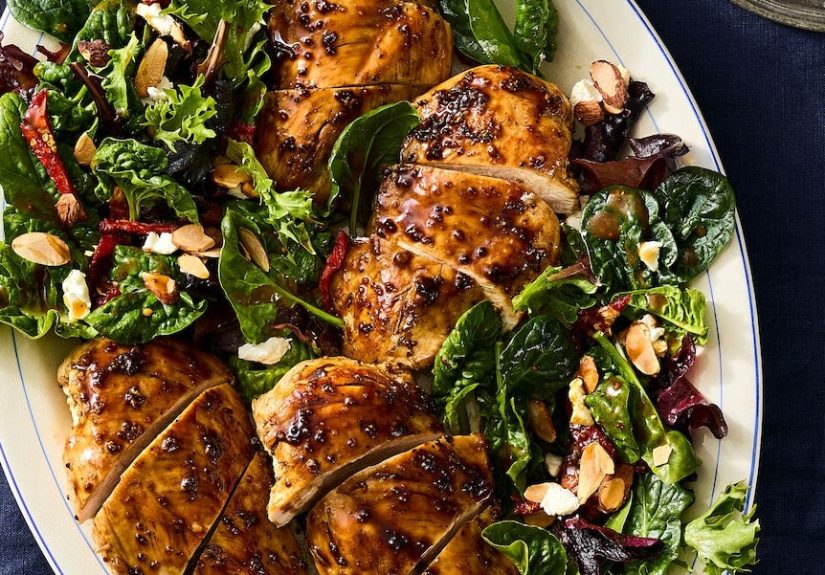
This recipe brings that vibe backon purpose. It combines the best parts of classic ’90s mixed green chicken salads (balsamic, honey, mustard, spinach, almonds, goat cheese, and sun-dried tomatoes) with modern technique for juicier chicken and better texture. The result is a main-dish salad that feels nostalgic, but tastes like you actually know what you’re doing in the kitchen now.
It’s hearty enough for dinner, pretty enough for lunch guests, and fast enough for a weeknight. In other words: very retro, very practical, very “why did we ever stop making this?”
Why This ’90s-Style Chicken Salad Works So Well
The magic is in the balance. Great restaurant-style salads from the ’90s usually hit multiple flavor and texture notes at once:
- Tender greens (usually spinach or mixed greens)
- Savory protein (chicken breast was the star)
- Tangy-sweet dressing (balsamic + honey + mustard)
- Creamy accent (goat cheese or feta)
- Chewy flavor bomb (sun-dried tomatoes)
- Crunch (toasted nuts, croutons, or both)
This version keeps all of that, but uses one smart trick: part of the dressing becomes a quick glaze for the chicken, while the rest dresses the greens. That creates flavor continuity without making the salad heavy.
Best ’90s-Style Mixed Green Salad with Chicken Recipe
Yield, Time, and Difficulty
- Servings: 4 main-course salads
- Total time: 35–40 minutes
- Difficulty: Easy (but looks like you ordered it at a bistro)
Ingredients
For the balsamic-honey mustard dressing and glaze:
- 3 tablespoons balsamic vinegar
- 1 teaspoon honey
- 1 teaspoon whole-grain mustard (or Dijon)
- 5 tablespoons extra-virgin olive oil, divided
- 1/2 teaspoon kosher salt, plus more to taste
- 1/4 teaspoon black pepper, plus more to taste
For the chicken:
- 4 small boneless, skinless chicken breasts (about 5–6 ounces each), or 2 large breasts sliced in half horizontally
- 1 tablespoon olive oil (if needed for the pan)
- 1/2 teaspoon kosher salt
- 1/4 teaspoon black pepper
For the salad:
- 5–6 ounces mixed greens (a blend of baby spinach and spring mix is ideal)
- 1/3 cup oil-packed sun-dried tomatoes, patted dry and sliced
- 1/4 cup sliced almonds, toasted
- 1/3 cup crumbled goat cheese
- 1/2 small red onion, very thinly sliced (optional, but very ’90s steakhouse)
- 1 cup cherry tomatoes, halved (optional for extra freshness)
- Croutons, for serving (optional, but strongly encouraged if you want maximum retro energy)
How to Make It
- Make the base dressing.
In a small bowl, whisk together the balsamic vinegar, honey, and mustard. Set aside about 1 1/2 tablespoons in a separate bowl (this will become the chicken glaze). To the remaining mixture, whisk in 3 tablespoons olive oil, plus the salt and pepper, until combined. Taste and adjust. If you like a looser dressing, add another tablespoon of oil.
- Prep and season the chicken.
Pat the chicken dry (important for browning). Season both sides with salt and pepper. If your chicken breasts are thick, pound them to even thickness so they cook more evenly and stay juicy.
- Cook the chicken.
Heat a large skillet over medium to medium-high heat. Add a little olive oil if your pan needs it. Cook the chicken until golden and cooked through, usually 5–7 minutes per side for cutlets or 7–10 minutes per side for thicker pieces. The internal temperature should reach 165°F in the thickest part.
- Glaze for that glossy restaurant finish.
Turn the heat to low. Add the reserved balsamic-honey-mustard mixture to the pan and turn the chicken to coat. Let it bubble for 20–30 seconds, just until it lightly clings to the chicken. Don’t walk away herehoney and balsamic can go from “beautiful glaze” to “tiny burnt regret” very quickly.
- Rest and slice.
Transfer chicken to a cutting board and let it rest for 5 minutes. Slice thinly across the grain. This gives you tender pieces that sit nicely on the greens instead of giant “salad cutlets” that require a steak knife and emotional support.
- Build the salad.
In a large bowl, combine the mixed greens, sun-dried tomatoes, toasted almonds, goat cheese, and optional red onion and cherry tomatoes. Drizzle with the dressing and toss gently until the greens are lightly coated.
- Serve.
Divide the salad among plates or bowls. Top with sliced glazed chicken. Add croutons if using. Finish with extra black pepper and a tiny drizzle of olive oil or balsamic if you want that “restaurant plate-up” look.
Flavor Notes: What Makes It Taste Like a Classic ’90s Restaurant Salad
What separates a regular chicken salad from a ’90s-style mixed green chicken salad is the mood. Specifically, the sweet-savory-tangy combo that was everywhere in cafe and bistro menus. Here’s what each ingredient brings:
- Balsamic vinegar: The signature tangy backbone. It gives that instantly recognizable “fancy salad” flavor.
- Honey: Softens the acidity and helps the glaze shine on the chicken.
- Mustard: Adds depth and helps emulsify the dressing.
- Sun-dried tomatoes: Concentrated umami and chewinesspeak 1990s salad bar energy in the best possible way.
- Goat cheese: Creamy, tangy, and slightly rich. It melts a little against warm chicken, which is excellent news.
- Toasted almonds: Crunch and nuttiness. Toasting matters here; raw almonds are fine, but toasted almonds taste intentional.
- Spinach + spring mix: Tender but varied greens make the salad feel abundant rather than monotonous.
Pro Tips for the Best Chicken Salad Texture
1) Don’t overdress the greens
The fastest way to turn a great salad into a sad one is drowning it. Start with less dressing than you think you need. Toss, taste, then add more. The goat cheese and glaze also contribute flavor, so the salad doesn’t need to swim.
2) Toast the almonds
Toast sliced almonds in a dry skillet for 2–3 minutes over medium heat until fragrant and lightly golden. Stir often. They go from pale to “oops” in seconds.
3) Use warm chicken on cool greens
This contrast is one of the reasons restaurant salads feel so good. The slightly warm chicken softens the goat cheese and lightly perfumes the greens without wilting the whole bowl.
4) Slice against the grain
If your chicken tastes tough, the issue may not be the cookingit may be the slicing. Cutting across the grain shortens the muscle fibers and makes each bite more tender.
Easy Variations (Still Very On-Theme)
If you want to customize the best ’90s-style mixed green salad with chicken recipe, here are reliable swaps that keep the spirit of the dish:
Swap the Cheese
- Feta: Saltier and firmer than goat cheese
- Blue cheese: Big steakhouse vibes
- Shaved Parmesan: More subtle, very crowd-friendly
Swap the Crunch
- Walnuts or pecans for a sweeter nut profile
- Pepitas for extra crunch and a slightly modern twist
- Garlic croutons if you want maximum throwback restaurant style
Add More Produce
- Sliced cucumber for freshness
- Avocado for creaminess
- Roasted red peppers for sweetness
- Pickled onions for sharper contrast
Use Grilled Chicken Instead
Absolutely. Grill marks make this salad look amazing and add smoky flavor. Just use the same glaze at the end (brush it on after the chicken is cooked, or reduce it briefly in a small pan and drizzle it on sliced chicken).
Food Safety and Make-Ahead Tips
Because this is a chicken salad recipe you may want for meal prep, a few practical notes matter:
- Cook chicken to 165°F using an instant-read thermometer.
- Wash produce properly: rinse under plain running water (no soap), and dry well so the dressing sticks.
- Store components separately if making ahead (greens, dressing, chicken, toppings) for the best texture.
- Refrigerate leftovers promptly and aim to use dressed salad within 1 day; chicken and undressed components last longer.
- Chicken salad leftovers are generally best within 3–4 days when refrigerated properly.
What to Serve with ’90s-Style Mixed Green Salad with Chicken
This salad can absolutely stand alone, but if you want a full meal (or just enjoy making lunch feel like a restaurant order), try pairing it with:
- Warm crusty bread or garlic toast
- Tomato soup (for a “soup and salad” combo)
- Baked potato wedges
- Iced tea with lemon (the unofficial sponsor of nostalgic lunch specials)
- Sparkling water with lime for a lighter option
Common Mistakes to Avoid
- Using wet greens: Dressing slides right off. Spin or pat dry thoroughly.
- Adding the glaze too early: It can burn in the pan. Add it at the end.
- Skipping the rest time for chicken: Juices run out, and the meat dries faster.
- Huge chicken pieces: Slice thinly so every forkful gets greens + chicken + toppings.
- Too much salt in one place: Sun-dried tomatoes and goat cheese can be salty, so season in layers and taste as you go.
Bonus: 500+ Words of Real-Life Experience with This Recipe
The first time I made a salad like this at home, I had one goal: recreate that “restaurant lunch” feeling from the ’90s and early 2000sthe kind where the plate arrives looking enormous, the chicken is warm, and the balsamic smell hits the table before the server even sets it down. You know the one. There’s always a dramatic drizzle, a sprinkle of something crunchy, and at least one person at the table says, “I should’ve ordered that.”
What surprised me most was how easy it was to get that same effect in a regular home kitchen. The trick wasn’t fancy ingredients; it was timing. Once I started making the dressing first, splitting off a little for the glaze, and then assembling the salad while the chicken rested, the whole thing clicked. Suddenly the salad felt composed instead of random. That’s a huge difference. A random salad is what happens when you clean out your fridge. A composed salad is what makes people ask for the recipe.
I’ve made versions of this for weeknight dinners, weekend lunches, and one slightly chaotic family gathering where someone brought a seven-layer dessert and another person brought exactly one bag of chips. Guess which dish disappeared first? The salad. Not because everyone had a sudden wellness epiphany, but because warm glazed chicken + tangy dressing + creamy cheese + crunchy almonds is a combination that makes people go back for seconds while pretending they’re being “light.”
It’s also one of the best “I want to eat better without feeling punished” meals I know. Some salads read like homework. This one tastes like a reward. The sun-dried tomatoes do a lot of heavy lifting therethey add that deep, savory sweetness that makes the salad feel substantial. The goat cheese helps too. Even a small amount makes the whole bowl feel richer and more satisfying.
Over time, I’ve learned a few practical things from repeating this recipe. First: sliced red onion is fantastic, but only if it’s thin. Thick red onion chunks can bully the entire salad. Second: if you’re meal prepping, keep the almonds separate until the last minute unless you enjoy “soft crunch,” which no one truly does. Third: if you make extra dressing, you will absolutely find ways to use iton sandwiches, roasted vegetables, grain bowls, or drizzled over leftover chicken the next day.
I’ve also served this recipe to people with very different salad opinions. The “I only eat Caesar” crowd likes it because the chicken is flavorful and the dressing has body. The “I want lots of vegetables” crowd likes it because the greens and add-ins are flexible. The “I don’t usually eat lunch” crowd somehow ends up eating a full plate and then asking if there’s more chicken. That’s the sign of a great main-dish salad: it satisfies people who don’t think they want a salad.
If you’re trying to build a reliable recipe rotation, this one earns a spot because it adapts to your life. You can make it in a skillet on a Tuesday, grill it on a Saturday, dress it lightly for lunch, or load it up with croutons and extra cheese when you want comfort food disguised as produce. And honestly, that may be the most ’90s thing about it: it’s a little aspirational, a little dramatic, and still completely practical.
So yes, this Best ’90s-Style Mixed Green Salad with Chicken Recipe is nostalgic. But it’s also just plain good cookingbalanced flavors, simple technique, and enough texture to keep every bite interesting. Which is exactly why these salads became classics in the first place.
Conclusion
If you’re looking for a chicken salad recipe that tastes restaurant-worthy without turning your kitchen into a test lab, this is it. The sweet-tangy balsamic glaze, creamy goat cheese, chewy sun-dried tomatoes, and crunchy almonds make every forkful feel layered and satisfying. It’s nostalgic, but not outdatedeasy enough for weeknights, impressive enough for guests, and flexible enough to customize based on what’s in your fridge.
In short: this is the kind of salad that reminds you why “main-dish salad” became a whole category in the first place.