Table of Contents >> Show >> Hide
- What Makes This the “Best” Baked Pork Chop Recipe?
- Buy the Right Pork Chops (Yes, This Matters)
- The Secret Weapon: A Quick Dry Brine
- The Best Baked Pork Chops Recipe (Juicy, Never Dry)
- Optional “Crispy Top” Variation (Oven-Fried Vibes, No Deep Fry)
- Easy Pan Sauce (Because You Deserve Nice Things)
- What to Serve With Baked Pork Chops
- Common Mistakes (and How to Avoid Them)
- Storage and Leftovers
- Frequently Asked Questions
- Experience Notes: The Real-Life Stuff That Makes This Recipe Stick (500+ Words)
- Conclusion
Pork chops have a reputation problem. Not because they’re inherently dry, boring, or destined to taste like “seasoned cardboard,” but because many of us were taught one ancient rule: cook pork until it’s very done. The result? A chop that squeaks when you chew it (and not in a fun “rubber-duck” way).
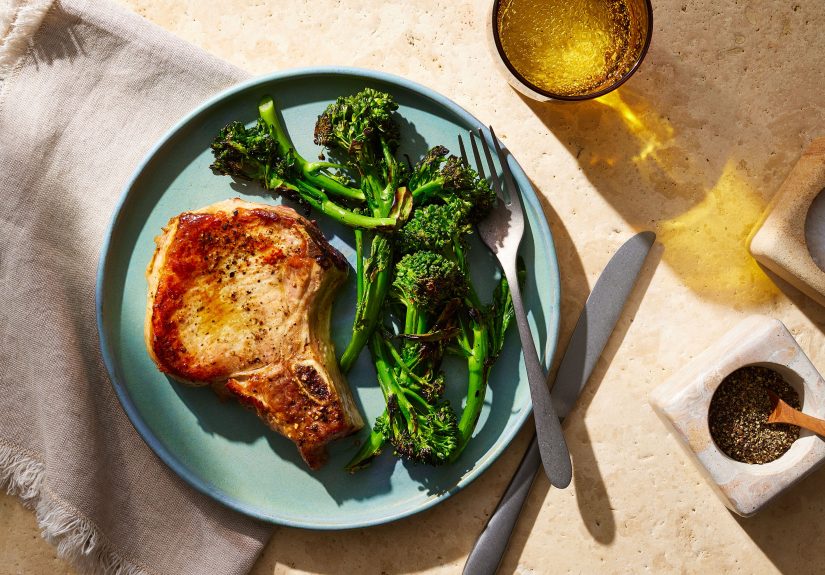
The good news: modern pork is leaner, and the best baked pork chops are all about smart heat, a little salt, and one small piece of kitchen tech that deserves a trophy: a quick-read thermometer. When you nail the timing, you get juicy, tender, lightly browned chops that make weeknight dinner feel like you planned your life on purpose.
What Makes This the “Best” Baked Pork Chop Recipe?
“Best” is a bold claim, so let’s define it. These chops are:
- Juicy (because we cook to temperature, not vibes)
- Flavorful (seasoned all the way through, not just on top)
- Fast (oven does the heavy lifting)
- Flexible (works for bone-in or boneless, thick or medium)
- Real-life friendly (no 47-ingredient marinade that requires a PhD)
Buy the Right Pork Chops (Yes, This Matters)
If you only take one shopping tip: thicker chops are harder to mess up. Thin chops cook fast, which sounds convenientuntil they skip “juicy” and speed-run straight to “dry.”
Best choices
- Thickness: 1 to 1½ inches is the sweet spot.
- Bone-in: Often a bit more forgiving and flavorful (bonus points for a fat cap).
- Boneless: Great toojust watch the thermometer closely since they can cook faster.
Look for chops that have some marbling and a little fat around the edge. That fat is not your enemy. It’s basically an edible insurance policy.
The Secret Weapon: A Quick Dry Brine
If pork chops had a personal trainer, it would be salt. A short dry brine (salting and resting before cooking) helps seasoning penetrate and improves juiciness. You don’t need hours15 to 45 minutes helps, even on a busy weeknight.
Here’s the easy version: salt the chops, let them sit while the oven preheats, then pat dry before cooking. That last part matters because dry surface = better browning.
The Best Baked Pork Chops Recipe (Juicy, Never Dry)
Ingredients (Serves 4)
- 4 pork chops, ideally 1–1½ inches thick (bone-in or boneless)
- 1½ teaspoons kosher salt (about ¾ tsp per pound; reduce if using table salt)
- 1 teaspoon garlic powder
- 1 teaspoon smoked paprika (or sweet paprika)
- ½ teaspoon onion powder
- ½ teaspoon dried thyme (or Italian seasoning)
- ½ teaspoon black pepper
- 1–2 tablespoons neutral oil (avocado, canola, grapeseed)
- 1 tablespoon butter (optional, for richer flavor)
- Optional finishing squeeze: lemon
Equipment
- Rimmed baking sheet or oven-safe skillet (cast iron is perfect)
- Wire rack (optional but great for airflow and browning)
- Instant-read thermometer (strongly recommended)
Step-by-Step Instructions
- Dry brine (quick and worth it): Pat the pork chops dry. Sprinkle salt evenly on both sides. Let sit at room temperature for 15–45 minutes (or refrigerate up to a few hours).
- Heat the oven: Preheat to 400°F. If you’re using a wire rack, set it on a rimmed sheet. If using a skillet, place it on the stovedon’t heat it yet.
- Season: In a small bowl, mix garlic powder, paprika, onion powder, thyme, and black pepper. Pat chops dry again (you may see a little moisturenormal). Rub seasoning mix on both sides.
- Sear for flavor (optional but highly recommended): Heat an oven-safe skillet over medium-high heat with 1 tablespoon oil. Sear chops 1½–2 minutes per side until lightly browned. Add butter at the end if you want extra richness. (If you’re skipping searing, go straight to bakingstill delicious.)
- Bake: Transfer chops to the sheet/rack or leave them in the skillet and move it to the oven. Bake until the thickest part reaches 140–145°F.
- 1-inch boneless: usually 8–12 minutes (less if you seared)
- 1-inch bone-in: usually 10–15 minutes (less if you seared)
- 1½-inch chops: usually 14–20 minutes (start checking early)
Timing varies by thickness and your pantemperature is the truth.
- Rest: Move chops to a plate and rest 5 minutes. This helps juices redistribute and the temperature finish rising.
- Serve: Spoon any pan juices over the top. Add a squeeze of lemon if you want bright, “restaurant energy.”
Doneness: The Temperature Rule That Saves Pork Chops
For whole cuts like pork chops, the commonly recommended safe target is 145°F followed by a short rest. If you pull the chops at 140–143°F and rest them, they often coast right to 145°F without overcooking. If you prefer yours more well-done, cook a bit longerjust know juiciness drops as temperature rises.
Optional “Crispy Top” Variation (Oven-Fried Vibes, No Deep Fry)
Want the crunchy baked pork chop situation? This variation is basically a handshake between baked chops and crispy cutletswithout splattering oil all over your stovetop like it’s trying to redecorate.
Add these ingredients
- ⅔ cup panko breadcrumbs
- ¼ cup grated Parmesan
- 1 tablespoon Dijon mustard (or mayoyes, mayo; it works)
- 1 tablespoon melted butter or olive oil
How to do it
- Mix panko, Parmesan, and melted butter/oil.
- After seasoning, lightly coat the top of each chop with Dijon (or mayo).
- Press crumb mixture on top.
- Bake at 400°F until crumbs are golden and chops reach 145°F, typically 15–20 minutes for 1-inch chops.
Easy Pan Sauce (Because You Deserve Nice Things)
If you seared in a skillet, you’re already halfway to a sauce. Those browned bits stuck to the pan? That’s flavor wearing a tiny crown.
Quick mustard-herb sauce
- ½ cup chicken broth
- 1 teaspoon Dijon mustard
- 1 teaspoon apple cider vinegar or lemon juice
- Optional: 1–2 teaspoons honey
- 1 tablespoon butter (optional, but it makes the sauce glossy and cozy)
- After baking, place skillet over medium heat.
- Add broth and scrape up browned bits.
- Whisk in Dijon and vinegar (and honey if using). Simmer 1–2 minutes.
- Turn off heat and whisk in butter. Spoon over chops.
What to Serve With Baked Pork Chops
Pork chops play nicely with both comfort food and lighter sides. A few combos that always work:
- Classic comfort: mashed potatoes + green beans
- Sheet-pan dinner: roast broccoli or Brussels sprouts alongside the chops (start veggies first)
- Sweet + savory: applesauce (yes, it’s still good) or roasted sweet potatoes
- Fresh: crisp salad with a tangy vinaigrette to balance the richness
Common Mistakes (and How to Avoid Them)
Mistake #1: Cooking by the clock only
Ovens vary. Chops vary. Even your baking sheet has a personality. Use time as a guide, but trust temperature. Start checking early and you’ll never again serve pork chop jerky by accident.
Mistake #2: Skipping the rest
Resting isn’t lazinessit’s strategy. A few minutes lets juices settle so they stay in the chop, not on your plate.
Mistake #3: Choosing super-thin chops
Thin chops can work, but they demand attention. If thin is what you’ve got, consider the crispy-top version and start checking temperature very early.
Storage and Leftovers
Store leftovers in an airtight container in the fridge and use within 3–4 days. Reheat gently (low oven, covered, or quick microwave bursts) to avoid drying them out.
- Leftover ideas: slice into salads, tuck into sandwiches, or chop into fried rice.
- Pro move: warm sliced pork in a little broth or pan sauce to keep it juicy.
Frequently Asked Questions
Should I cover pork chops when baking?
Usually no. Covering traps steam, which can soften the surface and reduce browning. If you’re doing a casserole-style recipe or want extra insurance for very lean chops, you can tent loosely but for this recipe, uncovered gives the best texture.
Can pork chops be slightly pink?
Color isn’t a perfect indicator of doneness. A chop can be slightly pink and still be fully cooked. That’s why temperature matters more than guessing based on color.
What if I don’t have a thermometer?
You can still make tasty baked pork chops, but your margin for error shrinks. If you cook pork chops often, a thermometer is one of the best small kitchen upgrades you can make.
Experience Notes: The Real-Life Stuff That Makes This Recipe Stick (500+ Words)
If you’ve ever had a pork chop that made you reach for a glass of water mid-bite, you’re not alone. Baked pork chops are one of those dinners people want to lovefast, affordable, high-protein but they can go wrong in the most relatable way: you look away for “one second,” and suddenly your chops are auditioning to be hockey pucks.
The first thing most home cooks notice when they start improving baked pork chops is how much thickness changes the whole experience. A thin chop is like a short pop quiz: blink and you miss it. A thicker chop is more like an open-book test. You have time to build flavor, time to brown the outside, and time to pull it before it dries out. That’s why this recipe keeps nudging you toward 1 to 1½ inchesit’s not food snobbery, it’s self-care.
Another “aha” moment tends to be the dry brine. People hear “brine” and picture a five-gallon bucket in the garage, guarded by a person named Dale. But a quick salt-and-rest on a plate is surprisingly easy. What you’ll usually see is a little moisture appear on the surface after salting. That can feel wrong, like the chops are sweating because they know what’s coming. But once you pat them dry, the surface browns better, and the meat inside tastes seasonedlike the flavor didn’t just sit on top wearing a hat.
Then there’s the oven temperature question. Lots of us grew up with the idea that lower-and-slower is always safer. Sometimes it is, but for chops, a moderate-hot oven like 400°F helps you get in and out before the meat loses too much moisture. The oven becomes the finisher rather than the entire show. If you choose to sear first, you’ll notice the chops develop that “proper dinner” smellsavory, toasty, like something you’d pay for at a casual restaurant. And if you don’t sear first? You can still win. The main victory condition is still the thermometer.
Speaking of thermometers: this is where confidence shows up. Without one, people tend to overcook “just to be safe,” which is how pork chops got their reputation in the first place. With a thermometer, the guessing game disappears. You start pulling chops closer to 140–145°F, letting them rest, and suddenly the texture changestender, juicy, and oddly satisfying in a “wait, pork chops can do this?” kind of way. It’s also the moment you realize that sauce becomes optional rather than necessary. Sure, a pan sauce is delicious, but you’re no longer using it to rescue the meat. You’re using it because you like joy.
The crispy-top variation is another practical lesson people love: if you’ve got picky eaters (or just a household that believes crunch equals happiness), a panko-Parmesan topping can turn a simple baked pork chop recipe into a repeat request. It also teaches a sneaky technique: adding fat to the crumbs (butter or oil) helps them brown in the oven. Otherwise, you risk pale crumbs that look like they’re still thinking about becoming crispy someday.
Finally, leftovers are where the “best” recipes prove themselves. Great baked pork chops don’t just taste good at dinnerthey stay useful. Slice them thin for a sandwich, toss into a salad, or warm them in a splash of broth. The recipe becomes a weeknight tool, not a one-time performance. And that’s the real win: a baked pork chop that tastes like you tried hard, even when you absolutely did not.
Conclusion
The best baked pork chops aren’t complicatedthey’re intentional. Choose thicker chops when you can, season generously, consider a quick dry brine, and cook to temperature so you land on juicy instead of dusty. Whether you keep it classic with a simple spice rub or go crispy with a crunchy topping, this is a reliable, repeatable dinner that won’t betray you the moment you answer a text.