Table of Contents >> Show >> Hide
- What Makes This Version “Best”
- Ingredients
- Equipment
- Step-by-Step Instructions
- 1) Prep like a pro (a.k.a. chop first, cook fast)
- 2) Make sure your rice is “fried-rice ready”
- 3) Sear the beef (hot pan, quick win)
- 4) Cook the vegetables (crunch is the point)
- 5) Stir-fry the rice (this is where the magic happens)
- 6) Sauce + bok choy + beef = the finish line
- 7) Optional egg add-on (for classic fried rice energy)
- 8) Taste and serve
- Flavor Notes (So You Can Cook on Purpose, Not Just on Hope)
- Beef & Bok Choy Tips (Fast Fixes for Common Problems)
- Easy Variations (Same Recipe, Different Mood)
- Make-Ahead & Meal Prep Notes
- Serving Ideas
- of Real-Life Kitchen Experiences (Because Fried Rice Is a Lifestyle)
- Conclusion
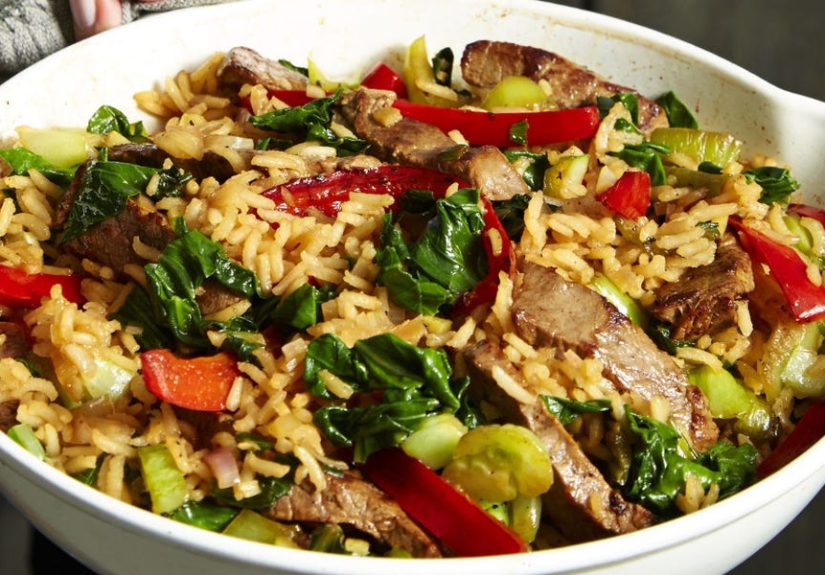
If takeout fried rice had a glow-up montage, it would end as this: juicy beef, crisp-tender bok choy, and rice that’s savory, toasty, and gloriously not mushy. This is a Good Housekeeping–style weeknight herosimple ingredients, smart technique, and the kind of flavor that makes you “accidentally” eat straight from the pan.
The game plan is straightforward: cook the beef hot and fast, build layers of flavor with ginger and shallot, stir-fry vegetables for crunch, and finish with rice plus a punchy soy-vinegar seasoning. Bok choy goes in last so it stays bright and slightly crisp instead of turning into a sad green puddle.
What Makes This Version “Best”
Great fried rice is less about secret ingredients and more about tiny choices that add up: dry rice, high heat, quick cooking, and not overcrowding the pan. You want separated grains with a little chewlike each grain got its own personal trainer.
Three small moves with big payoff
- Use cold rice: Day-old rice is ideal. If you’re cooking rice today, you can still “fast-dry” it (instructions below).
- Sear the beef separately: This keeps it tender and prevents the pan from cooling down when everything piles in.
- Add bok choy at the end: Stems stay crisp-tender, leaves wilt just enough to be silky.
Ingredients
Makes 4 generous servings
For the stir-fry
- 2 Tbsp toasted sesame oil, divided
- 2 Tbsp finely chopped fresh ginger
- 2 large shallots, thinly sliced
- 1/4 tsp kosher salt, plus more to taste
- 1 lb flank steak, cut into bite-size pieces (thin slices work great, too)
- 1 1/2 cups thinly sliced bell pepper (any color)
- 1/2 cup chopped celery
- 8 cups thinly sliced bok choy (stems and leaves)
- 2 1/2 cups cooked rice, cold (jasmine or long-grain white is classic)
For the sauce
- 1/4 cup lower-sodium soy sauce
- 2 Tbsp rice vinegar
- Optional: 1 tsp honey or brown sugar (for a gentle balance)
- Optional: 1–2 tsp chili crisp or a pinch of crushed red pepper
Optional finishers (choose your own adventure)
- 1–2 eggs, scrambled (adds classic fried rice vibes)
- Sliced scallions
- Toasted sesame seeds
- Fresh lime wedge (weirdly good with soy + beef)
Equipment
- Large wok or 12-inch skillet (cast iron or carbon steel = excellent browning)
- Spatula or wooden spoon
- Small bowl for sauce
- Sheet pan (helpful if you’re drying fresh rice quickly)
Step-by-Step Instructions
1) Prep like a pro (a.k.a. chop first, cook fast)
Fried rice cooks quickly, so have everything ready before you turn on the heat. Slice bok choy and keep stems separate from leaves if you want perfect texture (not required, but it’s a flex). Mix soy sauce and rice vinegar in a small bowl. Set it near the stove.
2) Make sure your rice is “fried-rice ready”
Best option: Use cold, day-old rice. Break it up with your fingers so it’s not clumpy.
No leftover rice? Cook rice, spread it in a thin layer on a sheet pan, and refrigerate (or fan it) until cool and slightly dry. You’re aiming for grains that feel separate and firm, not steamy and sticky.
3) Sear the beef (hot pan, quick win)
Heat 1 Tbsp sesame oil in a wok or large skillet over medium-high to high heat. Add ginger and shallots and cook 1–3 minutes, stirring, until fragrant and lightly golden. Sprinkle in the salt.
Add the beef in a single layer. Let it sear without fussing for about 1 minute, then stir-fry 1–2 minutes more until browned on the outside. It does not need to be fully cooked through yet. Transfer beef to a plate (juices and all).
4) Cook the vegetables (crunch is the point)
Add the remaining 1 Tbsp sesame oil to the same pan. Toss in bell pepper and celery. Stir-fry 2–3 minutes until bright and crisp-tender.
5) Stir-fry the rice (this is where the magic happens)
Add cold rice to the pan and stir vigorously, breaking up clumps. Let the rice toast for 2–4 minutes. You’re looking for a little color and that faint “pop-pop” sound of happy grains hitting hot metal. If your pan looks dry, add a small splash of neutral oil.
6) Sauce + bok choy + beef = the finish line
Pour the soy-vinegar sauce around the edges of the pan (it hits the hot surface and perfumes the whole dish). Stir to coat the rice.
Add bok choy and stir-fry 2–3 minutes until stems are crisp-tender and leaves are just wilted. Return beef (and any juices) to the pan and toss 1 minute to warm through.
7) Optional egg add-on (for classic fried rice energy)
Push rice to one side of the pan. Add a teaspoon of oil to the empty side, pour in beaten eggs, scramble quickly, then fold into the rice.
8) Taste and serve
Taste and adjust: a pinch of salt, a splash more soy, or a little vinegar if you want extra zing. Top with scallions or sesame seeds if you’re feeling fancy (or if your camera is watching).
Flavor Notes (So You Can Cook on Purpose, Not Just on Hope)
Why soy sauce + rice vinegar works
Soy brings salty depth and umami; rice vinegar adds brightness so the dish doesn’t taste flat. If you add a tiny bit of honey or sugar, you get a subtle sweet-salty balance that reads “restaurant” without being sugary.
Sesame oil: use it wisely
Toasted sesame oil is potent. It’s the supporting actor who steals the scene if you let it. Using it in measured amounts gives you nutty aroma without turning dinner into a sesame-scented candle.
Beef & Bok Choy Tips (Fast Fixes for Common Problems)
“My beef is chewy.”
Slice flank steak against the grain if you’re doing slices, and keep pieces small so they cook quickly. Also: don’t overcook it. Sear, remove, and return at the end. If you want ultra-tender beef, you can briefly marinate with a pinch of baking soda and a teaspoon of cornstarchthen rinse and pat dry (optional, not required).
“My rice turned mushy.”
Rice was too wet or pan was too crowded. Use cold rice and stir-fry in a wide pan. If doubling the recipe, cook in batches or use a wok.
“My bok choy got watery.”
Bok choy holds water, especially in the leaves. Shake it dry after washing. Add it near the end and keep the heat high so moisture evaporates fast.
Easy Variations (Same Recipe, Different Mood)
Spicy-sweet version
Add chili crisp and a teaspoon of honey to the sauce. Finish with lime. It’s loudin a good way.
More veggies, less rice
Swap in extra bok choy, mushrooms, or snap peas and reduce rice slightly. You’ll still feel satisfied, just with more crunch and color.
Garlic-forward
Add 2–3 minced garlic cloves with the ginger and shallot. Stir constantly so it doesn’t burn.
Egg-free, still satisfying
Skip eggs and add chopped cashews or peanuts at the end for richness and texture.
Make-Ahead & Meal Prep Notes
Best prep strategy
- Cook rice the day before and refrigerate it uncovered for a few hours to dry slightly, then cover.
- Chop bok choy and veggies up to 24 hours ahead and store in airtight containers.
- Slice beef ahead, but cook it fresh for best texture.
Leftovers & food safety (important, not scary)
Cool leftovers quickly and refrigerate within 2 hours. Spread rice in a shallow container so it chills fast. When reheating, heat until steaming hot throughout. If rice was left out for a long time at room temperature, it’s safer to discard itrice can be risky when improperly cooled and stored.
Serving Ideas
- Weeknight plate: Beef & bok choy fried rice + cucumber salad + something fizzy.
- Brunch energy: Top with a runny fried egg and scallions.
- Party move: Serve in a big bowl with extra chili crisp and lime wedges so everyone customizes.
of Real-Life Kitchen Experiences (Because Fried Rice Is a Lifestyle)
Anyone who has cooked fried rice more than once has lived through at least one of these moments: the “why is my rice basically oatmeal?” moment, the “my wok is smoking and now I’m questioning my life choices” moment, and the “I tasted it for seasoning and somehow half the batch disappeared” moment. The good news is that beef and bok choy fried rice is one of those recipes that rewards you for learning its little quirkslike a friendly video game boss that looks intimidating but mostly wants you to stop panic-button-mashing.
The first time you make it, you’ll probably discover the sacred truth: prep is not optional. You can absolutely chop ginger while the pan heatsuntil the pan is suddenly too hot, the shallots go in, and you’re doing a one-handed mince while the other hand attempts to prevent aromatics from turning into tiny golden regrets. Once you’ve done that dance, you’ll start lining up ingredients like you’re running a cooking show: beef on a plate, vegetables in a bowl, sauce mixed and waiting, rice broken up and ready to jump in. It’s not fancy. It’s just kinder to Future You.
Then there’s the rice debate. Day-old rice has a reputation that borders on mythology, and it earns it. Cold rice is dryer, firmer, and more cooperative. But the real “experience” here is what happens when you don’t have leftovers and you still want fried rice right now. That sheet-pan trickspreading fresh rice out, chilling it quicklyfeels like a culinary loophole. You’ll do it once out of desperation and then keep doing it because it works. You’ll also learn that “dry enough” is a feel: grains should separate easily, not cling like they’re afraid of being alone.
Bok choy brings its own kitchen stories. The first time you slice it, you may wonder why there’s so much of it. Eight cups sounds like a vegetable prank. But then it hits the pan and politely collapses into the exact amount you needed. You’ll also discover that bok choy is basically a water bottle disguised as a vegetable. If it’s not shaken dry after washing, it can steam your fried rice into softness. The fixhigh heat, quick cooking, adding bok choy near the endbecomes one of those skills you carry into everything else you stir-fry.
Beef, too, teaches lessons. Slice it too thick and you’ll chew thoughtfully for a while, reflecting on the meaning of “against the grain.” Cook it too long and it goes from tender to determined. But when you get it rightseared, browned, returned at the endit feels like you unlocked restaurant-level texture at home. And that’s the lasting experience: this dish isn’t just dinner. It’s a repeatable win. Once you’ve made it a couple times, you’ll start improvising confidently: extra veggies, a splash more vinegar, chili crisp when you want heat, or an egg on top when you want comfort. Fried rice becomes less of a recipe and more of a reliable, delicious habit.