Table of Contents >> Show >> Hide
- How This “Expert-Tested” List Was Built
- Quick Comparison: The Shortlist
- The Best Butcher Knives of 2023 (Expert-Tested Picks)
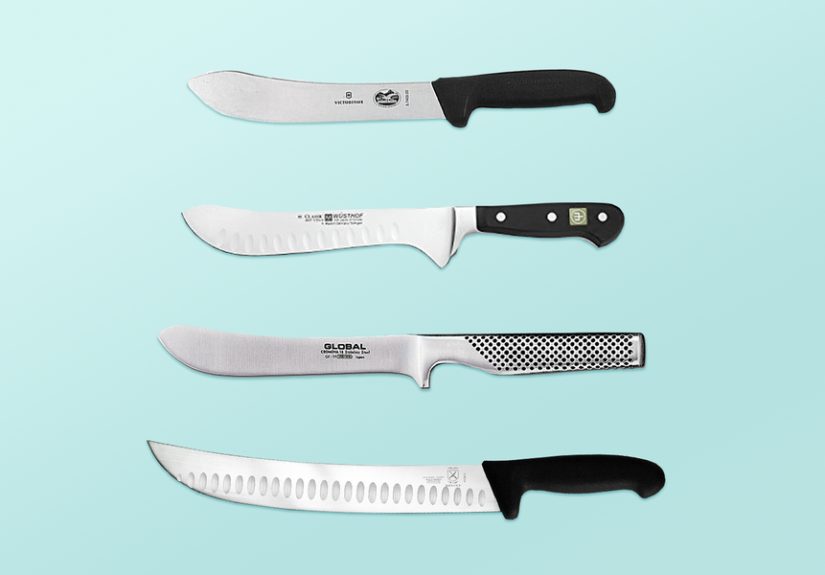
- 1) WÜSTHOF Classic 8" Butcher Knife with Hollow Edge Best Overall
- 2) Jero USA Butcher & Skinning Knife Best Value Butcher Knife
- 3) Dalstrong Butcher’s Breaking Cimitar Sharpest (and Boldest) Pick
- 4) Mercer Culinary 12" BPX Granton Edge Cimeter Best for Brisket, Roasts & Big Cuts
- 5) Victorinox Fibrox 6" Curved Boning Knife Best Budget Boning Knife (A Classic for a Reason)
- 6) WÜSTHOF Classic Boning Knife Best for Precision & Confident Control
- 7) Global Butcher Knife Best for a Lighter, Fast Slicing Feel
- 8) Dexter-Russell Sani-Safe Butcher Knife Best “Pro Kitchen” Workhorse
- Bonus: WÜSTHOF 6" Cleaver Best Add-On for Heavy Chops
- Buying Guide: Choosing the Right Butcher Knife for Your Meat Habit
- Care & Maintenance: Keep It Sharp, Safe, and Not Rusty
- Extra Buying Tips (Because Nobody Wants to Buy Twice)
- of Real-World Experience: What Using These Knives Actually Feels Like
- Conclusion
There are two kinds of people in this world: (1) the folks who buy pre-cut chicken breasts and call it a day, and
(2) the brave souls who bring home a whole pork shoulder and whisper, “We can do this,” like it’s a hostage negotiation.
If you’re here, you’re probably Person #2or you’re about to become them.
The right butcher knife turns “breaking down meat” from a frustrating wrestling match into something weirdly satisfying.
The wrong one turns it into modern art… on your cutting board… and occasionally your dignity. Let’s avoid that.
How This “Expert-Tested” List Was Built
This guide synthesizes hands-on testing and expert reviews from major U.S. food publications, test kitchens, and gear
reviewersthink lab-style evaluations (cutting, trimming, breaking down bone-in cuts) plus real-world usability notes
like grip security, edge retention, and how badly a handle behaves when your hands are greasy.
Key sources included testing and recommendations from Good Housekeeping Institute, Serious Eats, Food & Wine, Bon Appétit,
The Spruce Eats, and additional evaluations from outdoor/processing-focused reviewers (useful because meat is meat,
whether it’s brisket or venison). For specs and materials, manufacturer pages (like WÜSTHOF and Victorinox) help confirm
the boring-but-important details.
Quick Comparison: The Shortlist
“Butcher knife” can mean a few shapes. In practice, most home cooks do best with a two-knife combo:
a larger butcher/cimeter-style blade for portioning and slicing, plus a boning knife for close-to-the-bone precision.
| Pick | Type | Best For | Why It’s Here | Price Tier |
|---|---|---|---|---|
| WÜSTHOF Classic 8" Butcher Knife (Hollow Edge) | Butcher knife | All-around meat prep | Power + control + anti-stick edge | Premium |
| Jero USA Butcher & Skinning Knife | Butcher knife | Value workhorse | Simple, grippy, gets the job done | Budget |
| Mercer Culinary 12" BPX Granton Cimeter | Cimeter/slicing | Brisket, roasts, big cuts | Long blade = cleaner, fewer strokes | Mid |
| Victorinox Fibrox 6" Curved Boning Knife | Boning | Deboning + trimming | Top value in multiple expert tests | Budget |
| WÜSTHOF Classic Boning Knife | Boning | Precise, controlled cuts | Balance + edge retention | Premium |
| Global Butcher Knife | Butcher knife | Fast slicing, lighter feel | Balance and agility | Mid/Premium |
| Dexter-Russell Sani-Safe Butcher Knife | Butcher knife | Pro-style durability | Sanitation-friendly, made for volume | Budget/Mid |
| WÜSTHOF 6" Cleaver | Cleaver | Heavy chops (not delicate work) | Sturdy, manageable for home | Mid/Premium |
The Best Butcher Knives of 2023 (Expert-Tested Picks)
1) WÜSTHOF Classic 8" Butcher Knife with Hollow Edge Best Overall
If you want one knife that feels like it means business, this is the one experts repeatedly put at the top.
Good Housekeeping’s testing highlights its sturdy feel, balanced control (full tang), and hollow/granton-style edge
that helps keep meat from sticking like it’s paying rent. It’s also versatile enough for carving, trimming,
portioning, and general “I bought a gigantic cut and now I must face my choices” work.
- Best for: steaks, chops, trimming medium cuts, general home butchery
- Watch-outs: costs more than some people’s entire spice rack
2) Jero USA Butcher & Skinning Knife Best Value Butcher Knife
Not every great butcher knife needs a fancy origin story. This pick lands as a standout value in expert roundups,
offering the practical stuff that matters: a comfortable grip, enough blade to portion and trim, and the kind of
no-nonsense design you don’t feel bad using hard. If you’re building a meat-prep setup on a budget, this is a smart
“start here” knife.
- Best for: everyday butchery, breaking down roasts, trimming fat
- Watch-outs: fit/finish won’t feel as luxurious as premium forged knives
3) Dalstrong Butcher’s Breaking Cimitar Sharpest (and Boldest) Pick
Love it or side-eye it, Dalstrong shows up in expert-tested lists as a “sharp out of the gate” option with a dramatic
cimeter profile for long slicing strokes. The big advantage: that sweeping curve helps you glide through large cuts
with fewer stop-and-start sawing motionsespecially helpful for brisket, ribs, or carving roasts when presentation
matters.
- Best for: long slicing cuts, portioning big slabs, BBQ brisket days
- Watch-outs: aggressive branding; performance varies by modelbuy from a retailer with easy returns
4) Mercer Culinary 12" BPX Granton Edge Cimeter Best for Brisket, Roasts & Big Cuts
Food & Wine’s testing called this “sword-like” (compliment) and praised its ability to do heavy-duty work at an
affordable price. The long, tall blade shines when you want clean slicesless tearing, fewer strokes, and
better control over thickness. It’s also grippy even when your hands are wet or greasy (because, yes, meat is rude
like that).
- Best for: brisket, turkey, ham, large roasts, portioning whole chickens
- Watch-outs: not precise for small, delicate deboning tasks
5) Victorinox Fibrox 6" Curved Boning Knife Best Budget Boning Knife (A Classic for a Reason)
If butcher knives are the “big moves,” boning knives are the “close-up magic.” Serious Eats’ testing favored the
Victorinox Fibrox for its sharpness, flexible control, and grippy handle. Food & Wine also flagged it as best value.
And Victorinox’s own specs reinforce why it’s a practical daily driver: narrow profile for tight angles and
dishwasher-safe convenience.
- Best for: trimming fat/sinew, deboning poultry, getting close to joints with minimal waste
- Watch-outs: the soft, utilitarian look won’t impress your fanciest friends (your steak will, though)
6) WÜSTHOF Classic Boning Knife Best for Precision & Confident Control
Want a boning knife that feels steady and predictable? WÜSTHOF consistently ranks high across knife testing, and Food & Wine
highlights its balance and “razor-sharp” agility for meat prep. Bon Appétit also emphasizes it as a top overall boning pick,
noting how a secure handle and balanced feel make it friendlier for a wider range of cooks.
- Best for: clean deboning, trimming silverskin, precision cuts where “oops” is not an option
- Watch-outs: pricier than budget legends like Victorinox
7) Global Butcher Knife Best for a Lighter, Fast Slicing Feel
Some people like a heavier forged knife that powers through. Others want something nimble that feels like it’s dancing
(but, you know, with meat). Global’s butcher knife shows up in expert-tested lists as a well-balanced option that can
handle joints and slicing with confidenceeven if, depending on the specific model, you may want to check edge sharpness
out of the box.
- Best for: quick portioning, slicing, cooks who prefer a lighter feel
- Watch-outs: all-metal handles can be slippery when wetuse a towel and good technique
8) Dexter-Russell Sani-Safe Butcher Knife Best “Pro Kitchen” Workhorse
Dexter-Russell is the kind of brand that quietly shows up wherever a lot of food is prepped and nobody has time for
drama. Their Sani-Safe line emphasizes slip-resistant, easy-to-clean handles and sanitary constructionexactly what you
want when you’re breaking down meat regularly. Outdoor-focused testers often like practical, grippy knives for processing,
and Dexter-Russell’s reputation fits that “tools, not jewelry” vibe.
- Best for: high-volume prep, messy jobs, practical durability
- Watch-outs: not “pretty,” but neither is trimming a 10-pound pork shoulder
Bonus: WÜSTHOF 6" Cleaver Best Add-On for Heavy Chops
A cleaver isn’t required for most home butchery, but it’s handy when you want weight and authority (think: splitting
cartilage, chopping through small bones, smashing garlic like it owes you money). The Spruce Eats’ testing-style guide
lists the WÜSTHOF 6-inch cleaver as a best overall pick, praising its sharpness and manageable sizewhile noting that
even good cleavers can struggle with harder bone.
Buying Guide: Choosing the Right Butcher Knife for Your Meat Habit
Butcher Knife vs. Cimeter vs. Boning Knife (What You Actually Need)
Here’s the simple truth: one knife rarely does everything well. The best setup for most home cooks is:
-
Butcher knife / cimeter (8–12 inches): portioning, slicing, carving large cuts, and working through
joints with controlled pressure (not wild hacking). -
Boning knife (5–6 inches): separating meat from bone, trimming fat, removing silverskin, and doing
precision cuts where the big blade feels clumsy. - Cleaver (optional): heavier chops and tasks where mass matters more than finesse.
Blade Shape: Curved, Straight, or “Swoopy?”
Curved blades (common in cimeters and some boning knives) help you make long, continuous strokes. Straight-ish boning
blades often feel more “point-and-steer,” which some cooks find easier for precision. Expert tests often note that
flexibility is helpful for contouring around bonesup to the point where it starts feeling floppy.
Granton / Hollow Edge: The Anti-Stick Secret Weapon
Those little divots along the blade (Granton edge, hollow edge) can reduce stickingespecially noticeable when slicing
cooked meats or fatty cuts. Good Housekeeping called out this advantage on their top butcher-knife pick.
Handle Matters More Than Your Knife-Block Aesthetic
With meat prep, your hands get wet. Greasy. Occasionally both. Textured handles (Fibrox-style, Sani-Safe-style, etc.)
tend to inspire more confidence than slick metal when the situation gets slippery.
Steel & Maintenance: Don’t Overthink ItBut Don’t Ignore It
Most of the expert-tested favorites use stainless or high-carbon stainless steels because they balance edge retention,
corrosion resistance, and ease of care. The best knife is the one you’ll actually maintain.
Care & Maintenance: Keep It Sharp, Safe, and Not Rusty
- Wash right away, dry immediately: especially after salty marinades or acidic ingredients.
- Use a honing rod for alignment: quick, light passes keep the edge feeling crisp between sharpenings.
- Sharpen when honing stops helping: a dull knife is more dangerous because you push harder and lose control.
- Store safely: magnetic strip, edge guard, or a dedicated slotdon’t let blades clank in a drawer like loose change.
Extra Buying Tips (Because Nobody Wants to Buy Twice)
If you only buy two knives for butchery, buy these two
1) A 10–12 inch cimeter (like the Mercer) for big slicing and portioning, and 2) a 5–6 inch boning knife
(like Victorinox Fibrox) for close work. This combo covers the most common home tasks with minimal overlap.
If you break down a lot of poultry
Prioritize a boning knife that feels controlled in your hand. Multiple expert tests use chicken breakdown and trimming
as a core evaluation task because it reveals whether a knife is nimble, safe, and easy to steer.
If you slice brisket, roast beef, or holiday hams
Go longer. A longer blade helps you slice in fewer strokes, which means cleaner cuts and less shredding. That’s why
cimeters consistently show up as the “big-cut” solution in expert testing.
of Real-World Experience: What Using These Knives Actually Feels Like
Let’s talk about the part nobody puts on the product box: the moment you’re standing over a cutting board thinking,
“Why is this chicken suddenly shaped like a geometry problem?” That’s when the right butcher knife setup feels like
you gained a level in a cooking RPG.
Here’s what tends to happen in real kitchens. First, you realize a long blade (cimeter or butcher knife) changes the
whole vibe. Instead of short, choppy motions that tear meat fibers, you start making smooth, confident strokes. The
knife does the work; your job is mostly to guide it. It’s the difference between slicing a roast and “arguing” with a
roast. You’ll also notice presentation improves instantlycleaner slices, less raggedness, fewer juices squeezed out
by repeated sawing. That’s not chef magic. That’s physics.
Next comes the boning knife moment. A good boning knife is like power steering: suddenly you can follow the curve of a
bone without fighting the blade. Trimming silverskin becomes less “scrape and hope” and more “lift, glide, done.”
People often discover they waste less meat, too, because a narrow blade can sneak into those tight seams around joints.
When the handle is textured and secure, you stop white-knuckling the grip, which quietly makes everything safer.
You’ll also learn a weird truth about confidence: it’s not about being fearlessit’s about being consistent. When a knife
feels balanced, your cuts become predictable. Predictable cuts mean fewer surprises. Fewer surprises mean you don’t do
that panic maneuver where you twist the knife mid-cut (a move that should be illegal in all 50 states). This is why
“boring” features like balance and handle comfort matter so much in expert reviews: they directly influence control,
especially when you’re tired or the meat is slippery.
Another real-world detail: the best knife for you is partly about your patience level. If you’re the kind of person who
enjoys sharpening stones and treats edge angles like a hobby, you can justify more premium steel and specialized shapes.
If you’re more of a “I just want dinner to happen” cook, you’ll probably be happiest with a grippy, easy-to-maintain,
value-forward knife that sharpens quickly and forgives minor abuse. (No judgment. Some of us are surviving, not auditioning
for a culinary show.)
Finally, there’s the emotional experience: the first time you break down a big cut cleanly, portion it neatly, and pack
it into the freezer like a meal-prep adult, you will feel unstoppable. Not because you became a professional butcher
overnightbut because you gave yourself tools that make the job make sense. And that, honestly, is the whole point of
buying the best butcher knives: less struggle, more control, better results, and fewer moments of staring into the fridge
whispering, “We’ll deal with this tomorrow.”
Conclusion
The best butcher knives of 2023 weren’t about hypethey were about control, safety, and clean cuts.
If you want a single premium all-rounder, the WÜSTHOF Classic 8" hollow-edge butcher knife is a proven favorite in expert
testing. If you’re building a practical kit, pair a long cimeter (like Mercer’s 12") with a reliable boning knife
(Victorinox Fibrox) and you’ll cover most home butchery without overbuying.