Table of Contents >> Show >> Hide
- Why This Chicken With Preserved Lemons and Olives Works So Well
- Ingredients for the Best Chicken With Preserved Lemons and Olives
- How To Make Chicken With Preserved Lemons and Olives
- Best Tips for the Most Flavorful Result
- What To Serve With Chicken With Preserved Lemons and Olives
- Common Mistakes To Avoid
- Easy Variations
- What the Experience of Cooking This Dish Teaches You
- Final Thoughts
Some chicken dinners are polite. This one kicks the door open, smells amazing, and announces that tonight is not the night for bland food. Chicken with preserved lemons and olives is one of those deeply satisfying dishes that tastes like you worked all day, even when most of the magic comes from a humble braise and a very smart ingredient: preserved lemon.
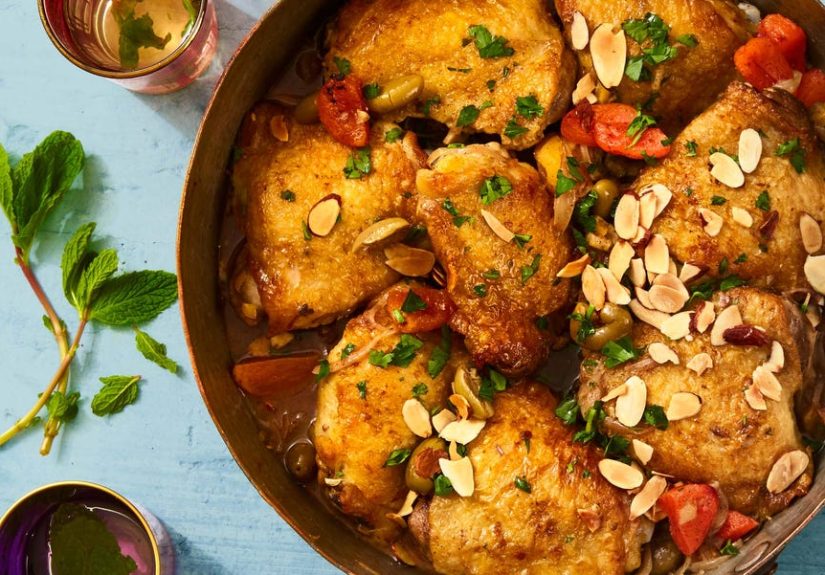
If you have never made it before, imagine tender chicken simmered with onions, garlic, warm spices, briny green olives, and little bursts of salty-citrusy preserved lemon. The sauce turns silky and savory, with just enough brightness to keep every bite lively. It is cozy, bold, and a little dramatic in the best possible way. This is why so many cooks love Moroccan-style chicken tagine flavors: the dish is rich without being heavy, bright without tasting sharp, and elegant without demanding a culinary PhD.
This guide walks you through exactly how to make the best chicken with preserved lemons and olives at home, including the ingredients that matter most, the steps that build the most flavor, what to serve with it, and the mistakes that can turn a glorious braise into a salty lemon ambush. Let us avoid the ambush.
Why This Chicken With Preserved Lemons and Olives Works So Well
The best version of this dish is all about balance. You want juicy chicken, soft onions, fragrant spices, briny olives, and preserved lemon that tastes complex rather than harsh. When the proportions are right, the sauce becomes the star. Bread, couscous, rice, or roasted potatoes suddenly become less like side dishes and more like excuse vehicles. Very noble excuse vehicles.
Preserved lemons do what fresh lemons cannot
Fresh lemon juice gives brightness, but preserved lemons bring depth. Because they are cured in salt over time, they develop a savory, floral, lightly funky citrus character that tastes rounder and more intense than ordinary lemon. In this dish, that means you get lemon flavor woven into the sauce instead of sitting awkwardly on top of it.
Olives bring the briny counterpoint
Green olives are usually the best fit here because they add a clean, savory pop that cuts through the richness of the chicken and onions. They also echo the salty edge of preserved lemons without making the dish feel one-note. Think of them as the supporting actor who quietly steals the movie.
Braising keeps the chicken tender
A gentle braise lets the chicken absorb spice, stock, and onion flavor while staying juicy. This is why chicken thighs are such a smart choice for preserved lemon chicken. They are forgiving, flavorful, and much less likely to turn dry and grumpy than leaner cuts.
Ingredients for the Best Chicken With Preserved Lemons and Olives
You do not need a mile-long ingredient list, but each element should earn its spot. For a classic, deeply flavorful version, gather:
- 6 bone-in, skin-on chicken thighs or a mix of thighs and drumsticks
- 2 tablespoons olive oil
- 2 large yellow onions, thinly sliced
- 4 garlic cloves, minced
- 1 teaspoon ground cumin
- 1 teaspoon ground ginger
- 1 teaspoon ground coriander
- 1 teaspoon paprika
- 1/2 teaspoon turmeric
- 1 small pinch saffron, optional but excellent
- 1/4 teaspoon cinnamon, optional for warmth
- 1 to 1 1/4 cups chicken stock
- 1 preserved lemon
- 3/4 to 1 cup green olives, preferably pitted
- Fresh cilantro and parsley for garnish
- Black pepper to taste
- Salt, used carefully
The salt warning deserves its own tiny spotlight. Preserved lemons and olives are already salty, so this is not the moment to season like you are auditioning for a steakhouse. Start light. You can always adjust later.
How to prep preserved lemons correctly
If you are using store-bought or homemade preserved lemons, rinse them briefly, scrape out most of the pulp, and use the peel for the cleanest, most balanced flavor. The peel is where the magic lives. The pulp can be powerful, salty, and a little aggressive if you dump it in without thinking. This is a chicken dinner, not a sodium dare.
How To Make Chicken With Preserved Lemons and Olives
Step 1: Season and brown the chicken
Pat the chicken dry and season it lightly with black pepper and a restrained amount of salt. Mix the cumin, ginger, coriander, paprika, turmeric, and optional cinnamon or saffron with a little olive oil, then rub that mixture over the chicken. If you have time, let it sit for 30 minutes or longer. Even a short rest helps the flavor settle into the meat.
Heat a Dutch oven, braiser, or deep heavy skillet over medium heat. Add olive oil and brown the chicken skin-side down first until golden. Flip and cook the other side briefly, then transfer the chicken to a plate. You are not cooking it through yet. You are building flavor and creating fond, which is a fancy way of saying delicious browned bits.
Step 2: Build the onion base
In the same pot, add the onions and cook until they soften and begin to turn lightly golden. Add the garlic and stir for about 30 seconds, just until fragrant. This onion-rich base is important because it gives the final sauce body, sweetness, and that slow-cooked comfort-food feel.
Return the chicken to the pot. Pour in the stock and scrape up any browned bits stuck to the bottom. Those bits are free flavor. Leaving them behind would be both tragic and rude.
Step 3: Braise gently
Bring the liquid to a gentle simmer, then cover and cook on low heat for about 30 to 40 minutes, depending on the size of your chicken pieces. The chicken should be very tender and reach an internal temperature of 165°F in the thickest part. Avoid a hard boil; that will tighten the meat and muddy the sauce.
Step 4: Add preserved lemons and olives
Once the chicken is nearly done, stir in the chopped preserved lemon peel and the green olives. Simmer uncovered for another 10 minutes so the sauce reduces slightly and the olives warm through. Adding them later in the process helps preserve their distinct flavor. If you add them too early, the whole pot can flatten into one big salty note.
Step 5: Finish and serve
Taste the sauce. Adjust with black pepper, a splash more stock if it feels too intense, or a spoonful of chopped herbs if it needs freshness. Scatter cilantro and parsley over the top and serve hot. The best texture is spoon-tender chicken in a glossy oniony sauce with bright bursts of olive and preserved lemon in every few bites.
Best Tips for the Most Flavorful Result
- Use chicken thighs if possible. They stay juicy, braise beautifully, and make the sauce taste richer.
- Do not over-salt early. Preserved lemon and olives will season the dish as it cooks.
- Use the rind more than the pulp. The peel gives the best citrusy depth without overpowering the sauce.
- Let the onions really soften. Rushing this step makes the sauce thinner and less soulful.
- A Dutch oven works perfectly. No tagine? No problem. A heavy pot is more than capable.
- Make it ahead when you can. Like many braises, this dish tastes even better after the flavors sit together for a bit.
What To Serve With Chicken With Preserved Lemons and Olives
The classic answer is couscous, and honestly, classic is classic for a reason. The fluffy grains soak up the sauce beautifully. But you have options:
- Plain couscous or couscous with herbs
- Warm crusty bread
- Steamed rice
- Roasted potatoes
- A cucumber, tomato, and herb salad
- Simple chickpeas or roasted carrots on the side
If the dish is especially rich, pair it with something fresh and crisp. If the sauce is the best thing you have tasted all week, pair it with more bread and stop asking hard questions.
Common Mistakes To Avoid
Using too much preserved lemon
This is the biggest trap. Preserved lemons are powerful. Start with one lemon for a family-size pot, then adjust next time based on your brand and your taste.
Choosing the wrong olive
Very sharp or aggressively vinegary olives can bully the rest of the dish. Look for briny green olives with a rounded flavor. Pitted olives make life easier, especially if you would prefer dinner not come with a surprise dental obstacle course.
Cooking the chicken too hard
A violent boil makes chicken tense and stringy. Gentle simmering is the move here. This is braised chicken, not chicken in a panic.
Skipping the browning step
Yes, technically you can braise without browning first. No, you will not get the same savory depth. Browning creates flavor, texture, and a better sauce.
Easy Variations
Once you understand the base recipe, you can adapt it without losing the spirit of the dish.
- Add fennel: It brings sweetness and a subtle anise note that plays beautifully with lemon.
- Include dried fruit: Raisins or chopped apricots add a gentle sweet-savory contrast.
- Use boneless thighs: They cook faster and still stay tender, though the sauce may be slightly less rich.
- Make it weeknight-friendly: Prep the spice rub and preserved lemon ahead of time so dinner comes together faster.
- Go extra herbal: Finish with more parsley and cilantro for a fresher, greener profile.
What the Experience of Cooking This Dish Teaches You
The first time you make chicken with preserved lemons and olives, it can feel like a dish with a big personality. The ingredient list sounds bold, the preserved lemons may seem mysterious, and the words “Moroccan chicken tagine” can make a home cook wonder whether special cookware, special knowledge, or a special soundtrack is required. The good news is that the real experience is much friendlier than the idea of it. Once the onions hit the pan and the spices warm in the oil, the dish starts making sense almost immediately.
One of the most interesting things about cooking it repeatedly is how much your confidence grows with your nose. On paper, preserved lemons and olives both look salty, and that can make the recipe feel risky. But in practice, you learn to trust the balance. The onions mellow everything out. The stock stretches the sauce. The chicken adds richness. The herbs pull the whole thing back into freshness. What begins as a collection of assertive ingredients turns into something round, deep, and incredibly comforting.
You also learn that this is not a dish that rewards rushing. It is not difficult, but it does appreciate patience. Let the chicken brown properly. Let the onions soften until they taste sweet. Let the braise happen at a gentle pace. None of these steps are glamorous, but together they create that “restaurant-quality” feeling people chase with far more complicated recipes. The sauce becomes smoother, the chicken becomes more tender, and the preserved lemon settles into the background instead of shouting over everyone else at the dinner table.
There is also a practical lesson in flexibility. Some days you use saffron; some days you do not. Sometimes you add a pinch of cinnamon for warmth. Sometimes you toss in a handful of chopped parsley at the end because the cilantro situation in your refrigerator has become emotionally complicated. The dish can handle it. As long as you respect the core structure, it is generous with substitutions and forgiving with small changes.
Another experience many cooks have is that leftovers are almost unfairly good. Day two chicken with preserved lemons and olives often tastes more integrated, more savory, and somehow more luxurious. The lemon softens into the sauce, the spices settle, and the olives seem even more at home. This makes it a strong choice for meal prep, dinner parties, or any situation in which you want to cook once and feel clever later.
Most of all, this dish teaches you that bold flavor does not need chaos. It needs balance. That is the real secret behind the best chicken with preserved lemons and olives. Not more spice. Not more salt. Not more ingredients. Just enough onion, enough liquid, enough patience, and enough confidence to let a few excellent ingredients do their job. And once you taste that glossy spoonful of sauce with tender chicken, briny olive, and a little shard of preserved lemon peel, you will understand why people keep coming back to this recipe. It is bright, savory, cozy, and memorable all at once. In other words, it tastes like it has its life together. A quality many of us admire in dinner.
Final Thoughts
If you want a chicken dinner that feels both comforting and impressive, chicken with preserved lemons and olives is hard to beat. It turns everyday chicken into something layered, aromatic, and unforgettable. The best version is not the one with the longest ingredient list or the fanciest cookware. It is the one that treats preserved lemon with respect, olives as a finishing note, and the braise as the real engine of flavor.
Make it once and you will have a solid recipe. Make it twice and you will start adjusting it to your own taste. Make it three times and you will suddenly become the person who casually says, “Oh, I have preserved lemons,” which is an absurdly satisfying character development arc.