Table of Contents >> Show >> Hide
- Why This 2024 Roundup Still Matters
- What Makes the Best Men’s Ski Jackets Actually Good?
- Standout Picks from the Popular Mechanics 2024 Conversation
- How to Choose the Right Jacket for Your Ski Style
- Mistakes Buyers Make When Shopping for Men’s Ski Jackets
- On-Mountain Experience: What Skiers Notice After First Chair
- Final Take
- SEO Tags
If a ski jacket could talk, it would probably say, “Please stop judging me by my color alone.” Sure, a sharp-looking shell can make you feel like the main character on the lift line, but the best men’s ski jackets of 2024 earned their stripes with far more than mountain swagger. A great ski jacket has to juggle weather protection, breathability, mobility, storage, layering flexibility, and comfort without making you feel like a padded mailbox flying downhill at 35 miles per hour.
That is exactly why Popular Mechanics’ 2024 roundup struck a chord with skiers: it didn’t just spotlight expensive status shells. It highlighted a smart spread of options for different riding styles, budgets, and weather conditions. Some jackets were built for cold resort laps, some for sweaty tours uphill, and some for the skier who wants one dependable piece that can handle everything from storm mornings to bluebird afternoons.
This guide takes that “Best Men’s Ski Jackets 2024 – Popular Mechanics” topic and expands it into a fuller, cleaner, more useful article. Instead of rehashing product blurbs, we’re digging into what actually makes a men’s ski jacket worth buying, which types of jackets fit different kinds of skiers, and why certain names kept showing up in serious gear conversations. In other words: less marketing fluff, more slope-tested logic.
Why This 2024 Roundup Still Matters
The ski-jacket market moves fast, but not that fast. A genuinely good men’s ski jacket does not become obsolete because a brand changed the zipper pull or invented a new trademarked fabric acronym that sounds like a robot sneezing. The 2024 jackets that stood out did so because they nailed the fundamentals: dependable weather protection, thoughtful pocket layouts, effective venting, real freedom of movement, and the right balance between warmth and versatility.
What made the Popular Mechanics list especially useful was that it captured several buyer personalities at once. There was the budget-minded skier who still wants real mountain performance. The resort regular who values warmth and convenience. The backcountry skier who would rather sweat less on the climb than carry an overbuilt fortress. And the gear geek who hears “three-layer shell” and immediately starts nodding like they’re in a secret club.
That broad mix matters because the “best” ski jacket is never universal. The best jacket for a Vermont chairlift marathon is not automatically the best jacket for sidecountry laps in Utah or spring tours in Colorado. The smartest buyers in 2024 weren’t just asking, “What’s the top-rated jacket?” They were asking, “What’s the right jacket for my mountain habits?”
What Makes the Best Men’s Ski Jackets Actually Good?
1. Shell vs. Insulated: The Big Fork in the Snowy Road
This is the first decision that shapes everything else. Shell ski jackets focus on weather protection and breathability, leaving warmth to your base and midlayers. They’re ideal for skiers who run hot, ski in varying conditions, or want a jacket that works from midwinter to spring corn season. Insulated ski jackets, on the other hand, build warmth into the garment itself, which is perfect for cold chairlift rides, low-output resort skiing, or anyone whose internal thermostat has trust issues.
There’s no universal winner here. Shells offer flexibility and often feel more premium and technical. Insulated jackets feel easier and warmer right out of the gate. If you hate overthinking layers at 7 a.m., insulated may be your best friend. If you like dialing in your system like a mountain scientist, a shell will probably make you very happy.
2. Waterproofing and Breathability
A ski jacket is not just a winter coat with an attitude. It has to protect you from wet snow, wind, sleet, chairlift spray, and the occasional wipeout that turns you into a temporary human snowplow. That’s where waterproof-breathable membranes come in. Premium jackets often rely on three-layer constructions and top-tier membranes like GORE-TEX, while more affordable jackets use two-layer builds with brand-specific waterproof technologies.
The catch? The more weatherproof a jacket is, the more important venting becomes. Even the best membrane can only do so much when you’re bootpacking, traversing, or skiing hard. Pit zips, mesh-backed vents, and smart fabric placement matter more than people realize. Nobody dreams of paying hundreds for a jacket only to feel like a microwaved burrito inside it.
3. Ski-Specific Features That Matter
Some details separate a legit ski jacket from a generic winter shell. Look for a helmet-compatible hood, a powder skirt, adjustable cuffs, useful pocket placement, pass-pocket access, and enough room to layer without losing mobility. Bonus points go to jackets with goggle wipes, internal dump pockets, and articulated sleeves that don’t fight you every time you reach for a pole plant or buckle a boot.
Standout Picks from the Popular Mechanics 2024 Conversation
Ortovox Mesola Jacket
The Ortovox Mesola was singled out as the most feature-rich option, and that makes sense. It takes a hybrid approach, blending hardshell and softshell characteristics for skiers who want weather resistance without giving up breathability and movement. That kind of design is especially appealing to skiers who move between resort terrain, short hikes, and mixed conditions. It’s technical, sleek, and a little Euro in fit and attitude. Basically, it’s the jacket equivalent of someone who orders an espresso and somehow looks cool doing it.
REI Powderbound Insulated Ski Jacket
For value hunters, the REI Powderbound was one of the easiest recommendations in the bunch. It brought the stuff that matters mostwater-resistant protection, synthetic insulation, generous storage, and slope-friendly coveragewithout launching your wallet off a cliff. For casual to intermediate resort skiers, this is exactly the kind of jacket that proves you do not need a luxury shell to enjoy winter. You need warmth, comfort, and enough functionality to keep skiing instead of complaining.
The North Face Freedom Insulated Jacket
The Freedom Insulated Jacket landed in a sweet spot for all-around resort use. It’s roomy enough for layering, warm enough for typical winter days, and practical enough for skiers who want one dependable jacket rather than a whole “modular layering philosophy.” This is the kind of piece that works well for destination trips because it can handle changing conditions without demanding too much tweaking. It’s versatile, recognizable, and refreshingly un-fussy.
Patagonia Powder Town Jacket
If you like the idea of a jacket pulling double dutyski hill one day, town use the nextthe Patagonia Powder Town earns its reputation. It’s an uninsulated shell with a clean design, strong weather protection, and easy layering potential. It feels less like a one-trick powder hound and more like a dependable daily driver. Patagonia’s reputation for thoughtful design and long-term durability only adds to the appeal. This is a smart buy for skiers who want fewer jackets doing more work.
Norrøna Lofoten GORE-TEX Pro Jacket
The Lofoten is for skiers who hear “storm day” and grin instead of checking for a fireplace. It’s a premium shell designed for hard weather, serious protection, and freeride confidence. The appeal here is not subtlety. It’s top-end waterproofing, durable construction, and technical features meant for skiers who expect rough conditions and want gear that responds accordingly. For many people, it’s overkill. For the right skier, it’s glorious overkill.
Mammut Stoney HS Jacket
The Mammut Stoney HS fits the skier who wants customization and crossover usability. It can work for resort skiing, sidecountry exploration, and mixed-output days where flexibility matters. With venting, a solid feature set, and adaptable layering potential, it makes sense for skiers who don’t want a one-note jacket. It’s the practical multitool in a group that includes some very specialized instruments.
Outdoor Research Skytour AscentShell Jacket
The backcountry crowd pays attention when a jacket promises stretch, breathability, and waterproofing in one package. That is where the Skytour AscentShell stands out. It is built for motion and layering, making it a strong option for uphill travel, touring, and skiers who prioritize comfort during active days. If your ski day includes more climbing and less lounging, this kind of jacket makes far more sense than a heavily insulated resort piece.
Picture Object Insulated Jacket
The most eco-friendly pick in the roundup appealed to skiers who care about sustainability but still want real ski-ready performance. It balances insulation, practical details, and a more environmentally minded construction. Just because a jacket is “green” does not mean it has to be beige, boring, or spiritually committed to underperforming. Thankfully, this one brought real mountain utility with its conscience.
Rab Khroma Kinetic Jacket
For alpine touring and high-output movement, the Rab Khroma Kinetic made a strong case for softshell-inspired comfort with enough water resistance and airflow management to keep ambitious skiers moving. It’s a reminder that the best touring jacket is not always the most armored one. Sometimes the right answer is lighter, more breathable, and less interested in turning you into a sweaty baked potato halfway up the climb.
How to Choose the Right Jacket for Your Ski Style
Choose an insulated jacket if you mostly ski resorts, spend long stretches on lifts, and want warmth without fuss. These jackets tend to feel friendlier for newer skiers and anyone heading into consistently cold conditions.
Choose a shell if you want versatility, already own good midlayers, or ski in a wide range of conditions. Shells are ideal for advanced skiers, travelers, and anyone who values one jacket spanning multiple seasons.
Choose a backcountry-focused jacket if breathability and mobility matter as much as storm protection. Touring jackets shine when your day includes skin tracks, climbs, and changing output levels.
Choose a value-oriented resort jacket if you ski a handful of times each season and want dependable performance without entering “I should have financed this jacket” territory.
Mistakes Buyers Make When Shopping for Men’s Ski Jackets
One of the biggest mistakes is buying based on brand prestige alone. Yes, premium brands make excellent jackets. But an expensive freeride shell can be a bad buy if you mostly ski groomers on cold days and need built-in warmth more than technical minimalism.
The second mistake is underestimating fit. A ski jacket should not be so trim that layering becomes a wrestling match, nor so baggy that it feels sloppy and bulky. Try to picture your actual layering system beneath it, not your aspirational one where you somehow become a perfectly calibrated mountain athlete.
The third mistake is obsessing over waterproof numbers while ignoring practical comfort. On real ski days, pocket access, cuff design, vent placement, hem coverage, and hood usability can matter just as much as lab-style metrics. The best jacket is the one that disappears into the background because everything works.
On-Mountain Experience: What Skiers Notice After First Chair
Here’s the part gear charts don’t always capture: the best ski jacket usually reveals itself gradually. It’s not just about the first impression in the parking lot when everyone is dry and optimistic and pretending they remembered sunscreen. It’s about hour three, when the wind picks up, the snow starts to fall sideways, your gloves are damp, and you suddenly understand whether your jacket is a hero or a cleverly stitched betrayal.
A good resort jacket feels invisible in the best possible way. You stop thinking about it because you are not tugging the hem down, yanking the hood back into place, or opening your pockets with the grace of a raccoon stealing snacks from a campsite. The cuffs seal cleanly around gloves. The collar protects your chin without trying to eat your face. The pass pocket actually works when you roll through the lift gate instead of forcing you into a weird shoulder-first dance that embarrasses everyone involved.
Warmth, interestingly, is not about feeling hot. The best men’s ski jackets of 2024 got attention because they helped skiers stay comfortable. That means warm enough on the chairlift, but not swampy on the descent. It means venting that dumps heat when the sun comes out. It means insulation that keeps the cold from creeping in without making you feel like you’re skiing inside a duvet.
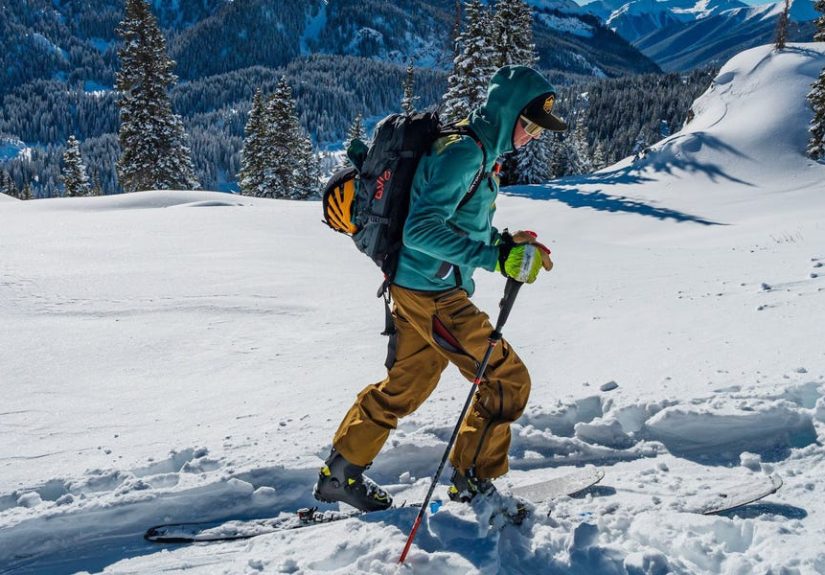
Backcountry and sidecountry experiences tell a slightly different story. Once you start climbing, heavy resort-oriented insulation goes from cozy to suspiciously aggressive. Jackets like the Outdoor Research Skytour AscentShell or Rab Khroma Kinetic make more sense in those moments because they move better, breathe better, and let your layers do the fine-tuning. That extra breathability is not glamorous on a product page, but it feels glorious when you crest a ridge without needing to peel off half your wardrobe.
Another thing experienced skiers notice quickly is pocket logic. This sounds minor until you spend a day trying to stash gloves, a phone, a snack, a neck gaiter, a pass, and maybe a lens cloth while also functioning like an adult. Great jackets understand this. They have pockets in places that make sense with backpacks, bibs, and harnesses. Bad jackets act like the designer had never met a skier and assumed one tiny chest pocket would cover “miscellaneous mountain needs.” Bold theory. Poor outcome.
Then there’s weather confidence. Premium shells like the Norrøna Lofoten have a psychological advantage on ugly days. When the forecast looks rude, you want a jacket that makes you feel prepared rather than merely hopeful. That doesn’t mean everyone needs a top-shelf freeride fortress. But it does explain why high-performance shells inspire such loyalty. When gear has protected you during a storm cycle, it stops being “a jacket” and becomes “my jacket,” which is outdoor-person language for a very serious relationship.
Style matters too, even if skiers pretend otherwise. Nobody needs a jacket that belongs in a fashion museum, but confidence counts. The right fit, color, and cut can make a skier feel sharper, lighter, and more dialed in. Is that partly psychological? Absolutely. Does it still matter when you’re stepping onto the lift at 8:45 a.m.? Also absolutely.
Ultimately, the real experience of owning one of the best men’s ski jackets is simple: it helps you focus on skiing. Not zippers. Not clammy sleeves. Not a hood that turns your head into a rotating tent. Just skiing. And on a good day, that’s the whole point.
Final Take
The best men’s ski jackets of 2024 were not all trying to do the same job, and that’s exactly why the Popular Mechanics roundup worked. It featured budget picks, warm resort jackets, technical shells, eco-minded designs, and backcountry-ready options that each solved a different problem. The lesson for buyers is simple: don’t chase the “best” jacket in the abstract. Chase the jacket that fits your conditions, your layering habits, your budget, and your skiing style.
If you ski mostly at resorts and value warmth, an insulated jacket like the REI Powderbound or The North Face Freedom makes a lot of sense. If you want year-round versatility and better layering control, a shell like the Patagonia Powder Town or Arc’teryx-style alternatives may be more your speed. If storm performance and technical design are non-negotiable, the Norrøna Lofoten belongs in the conversation. And if your ski day starts with a climb, breathable mobility becomes the real luxury.
In the end, the best ski jacket is the one that keeps you dry, comfortable, mobile, and slightly smug when the weather turns ugly. Which, if we’re being honest, is one of winter’s finer pleasures.