Table of Contents >> Show >> Hide
- What Makes Quiche Lorraine “Lorraine”?
- The Big Idea: Crisp Crust + Gentle Custard
- Best Quiche Lorraine Recipe
- Why This Recipe Works
- Pro Tips for the Best Quiche Lorraine
- Quiche Lorraine Variations
- Serving Ideas That Make It Feel Like a Brunch “Moment”
- Storage, Make-Ahead, and Reheating
- FAQ: Quiche Lorraine Troubleshooting
- Conclusion
- Extra: The “Real Life” Quiche Lorraine Experiences (The 500-Word Part)
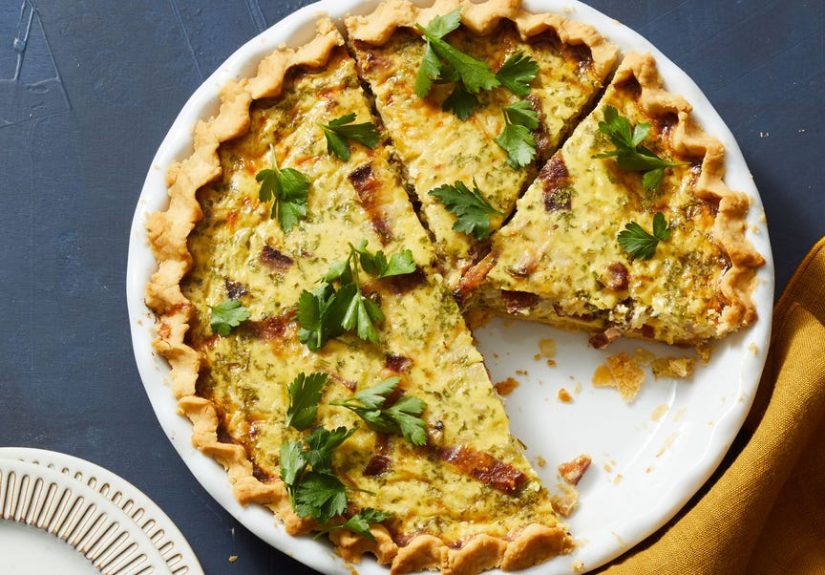
Quiche Lorraine is proof that the French have been quietly winning brunch for centuries. It’s a buttery crust
filled with a silky egg custard, smoky bacon, and (in most modern American versions) nutty Gruyèrebaked until
the center does a gentle little wiggle like it’s saying, “I’m set… but I’m still fun.”
This guide gives you a truly dependable, bakery-style quiche Lorraine: crisp crust (no sad soggy bottom),
custard that’s tender and creamy (not scrambled), and bacon that tastes like it meant to be there. We’ll cover
the “why” behind each step, plus pro fixes for the most common quiche heartbreaks.
What Makes Quiche Lorraine “Lorraine”?
At its core, quiche Lorraine is a savory custard tart from the Lorraine region of France. Traditionally, it’s
a simple combo of eggs, cream, and baconno cheese required in the strict classic sense. That said, the cheese
version is wildly popular (and wildly delicious), especially in the U.S., where Gruyère is basically the
unofficial mascot of “fancy but approachable” comfort food.
Think of it this way: classic Lorraine is minimalist and bacon-forward; modern Lorraine is classic-plusstill
elegant, but with extra savory depth from aged cheese and aromatics like onions, leeks, or shallots.
The Big Idea: Crisp Crust + Gentle Custard
Great quiche is a two-act show:
- Act 1: Build a crust that stays crisp even when it meets a wet filling.
- Act 2: Bake the custard gently so it sets silky, not rubbery.
Most quiche problems come from skipping one of these acts. The crust needs a head start (blind baking) and the
custard needs a calm, controlled bake and a “pull it early” mindset.
Best Quiche Lorraine Recipe
Yield: 1 deep-dish 9-inch quiche (8 slices)
Total time: About 2 hours (mostly hands-off). Make-ahead friendly.
Ingredients
- 1 deep-dish 9-inch pie crust (homemade pâte brisée or a quality store-bought crust)
- 8 oz thick-cut bacon, cut into 1/2-inch pieces
- 1 small yellow onion or 2 shallots, finely chopped
- 1 1/2 cups shredded Gruyère (about 6 oz), preferably freshly grated
- 4 large eggs
- 2 large egg yolks (optional, for extra silkiness)
- 1 cup heavy cream
- 3/4 cup whole milk (or use 1 3/4 cups half-and-half total)
- 3/4 tsp kosher salt (reduce slightly if your bacon is very salty)
- 1/2 tsp black pepper
- Pinch freshly grated nutmeg
- 1 tbsp chopped chives (optional)
- 1 egg white (for sealing the crust, optional but highly recommended)
Equipment
- Deep-dish 9-inch pie pan (metal heats fast and evenly, but glass/ceramic work too)
- Parchment or foil + pie weights (or dry beans/rice)
- Sheet pan (makes transport easier and catches any butter drama)
Step-by-Step Instructions
- Preheat and prep the crust.
Heat oven to 350°F. Place a rack in the middle. If using homemade dough, chill it in the pie
pan until firm (15 minutes in the freezer helps). Cold dough = less shrinkage. - Blind bake the crust (the crisp-crust insurance policy).
Line the crust with parchment or foil, fill with pie weights, and bake until the edges look pale golden,
about 15–20 minutes. Remove from oven, let it cool a few minutes, then carefully lift out
the weights.Dock (prick) the bottom with a fork and return the crust to the oven for another
10–15 minutes, until the bottom looks dry and just starting to color. - Seal the crust (optional, but it’s a game-changer).
Brush the warm crust bottom lightly with egg white, then bake for
1 minute to set it. This creates a thin barrier that helps keep the crust crisp when the
custard goes in. - Cook the bacon and onions.
While the crust bakes, cook bacon in a skillet over medium heat until crisp and the fat renders. Transfer
bacon to a paper towel-lined plate. Pour off excess fat, leaving about 1 tablespoon in the pan.Add onion/shallots to the skillet and cook until soft and lightly golden, 5–8 minutes. Let cool slightly.
- Build the flavor base.
Sprinkle about 2/3 of the Gruyère in the crust. Top with bacon and onions. This layering
helps the cheese melt into the custard instead of clumping like it’s trying to form its own cheese nation. - Whisk the custard (gentlyno foam party).
In a bowl, whisk eggs (and yolks, if using), cream, milk, salt, pepper, nutmeg, and chives. Whisk until
smooth, not frothy. Too much air = bubbles and a slightly spongy texture. - Fill and bake.
Place the pie dish on a sheet pan. Pour custard into the crust slowly (stop just below the rim). Sprinkle
remaining Gruyère on top.Bake at 350°F for 35–50 minutes, depending on your pan and oven. Start
checking at 35 minutes. The edges should be set, and the center should still jiggle slightly when you
gently nudge the pan. - Rest before slicing (the hardest step, emotionally).
Cool for at least 20–30 minutes. Quiche continues setting as it cools, so slicing too soon
can make it look like a delicious custard landslide.
Why This Recipe Works
1) The custard ratio stays creamy, not rubbery
Quiche is basically baked dairy held together by eggs. Too many eggs and it sets tight (hello, omelet pie).
Too much dairy and it can bake up loose or greasy. Using a mix of cream and milk gives richness without
turning the whole thing into a dairy-themed hot tub. Adding a couple of yolks (optional) boosts silkiness and
creates that “restaurant quiche” texture people try to recreate with wishful thinking alone.
2) Blind baking prevents the dreaded soggy bottom
Custard is wet. Pie dough is absorbent. If you put wet into absorbent with no prep, you get a crust that feels
like it needs therapy. Blind baking dries the crust out first so it can actually bake through and stay crisp.
Sealing with egg white is the bonus move: a thin protective layer that helps block moisture.
3) Gentle heat keeps the custard tender
The goal is “barely set” with a slight jiggle. Overbake and the proteins tighten, squeezing out moisture. The
result is a quiche that looks innocent but chews like it’s doing resistance training. Bake at a moderate temp,
check early, and trust carryover cooking.
Pro Tips for the Best Quiche Lorraine
Pick the right bacon
Thick-cut bacon gives you real bites, not bacon confetti. Cook it until crisp because the quiche won’t crisp
it laterit’ll just warm it up and politely ask it to be less crunchy.
Use freshly grated cheese
Pre-shredded cheese is coated with anti-caking agents that can affect melt and texture. Freshly grated Gruyère
melts more smoothly and tastes cleaner.
Season with confidencebut taste your bacon first
Bacon varies wildly in saltiness. If it’s very salty, reduce the custard salt slightly so your quiche doesn’t
accidentally become a pretzel.
Want a taller, bistro-style quiche?
Use a true deep-dish pan and don’t be shy about filling. Place the pan on a sheet pan so you can move it
without doing the “please don’t spill” quiche shuffle.
Quiche Lorraine Variations
The best quiche Lorraine recipe is the one you’ll actually make again. Here are smart variations that keep the
spirit of the dish while letting you use what you’ve got:
Classic “no-cheese” style
Skip the Gruyère and bump bacon slightly. You’ll get a purist-friendly, bacon-and-custard tart that feels
delightfully old-school.
Leek + bacon (extra cozy)
Swap the onion for 1 cup sliced leeks (well cleaned), sautéed until soft. Leeks bring sweetness without
stealing the show.
Crème fraîche twist
Replace 1/2 cup of the cream with crème fraîche for a slightly tangy, ultra-smooth custard.
Cheese swaps
Gruyère is classic, but Swiss, Comté, or a mix with sharp cheddar can work beautifully. Keep it to an aged,
melty cheese and you’ll stay in the quiche zone.
Serving Ideas That Make It Feel Like a Brunch “Moment”
- Simple green salad: arugula + lemon vinaigrette = perfect balance to rich custard.
- Roasted potatoes: because brunch without potatoes is just a meeting.
- Fruit on the side: berries or citrus to cut through the richness.
- Drink pairing: crisp white wine, sparkling water with lemon, or coffee that means business.
Storage, Make-Ahead, and Reheating
Make-ahead wins
You can blind bake the crust ahead, cook the bacon/onions ahead, and even bake the whole quiche the day before.
Quiche is one of those rare dishes that’s perfectly happy being served warm or at room temperature.
Refrigeration
Store covered in the fridge for up to 3 days.
Reheating (without drying it out)
Warm slices in a 325°F oven until heated through. Avoid blasting it at high heat; the custard
will tighten and lose that creamy texture you worked for.
Freezing
Quiche can be frozen, but texture is best when freshly baked. If freezing, cool completely, wrap tightly, and
thaw overnight in the fridge before reheating.
FAQ: Quiche Lorraine Troubleshooting
How do I know when quiche is done?
The edges should look set. The center should still have a slight jiggle when you gently shake the pan. If the
whole thing sloshes, it needs more time. If it’s totally firm and puffed high, it may be overbaked (still
tasty, just less tender).
Why did my quiche crack?
Overbaking is the usual culprit. Eggs tighten as they cook; too much heat or time can cause the custard to
pull apart and crack. Pull it while the center is still a bit wobbly and let carryover finish the job.
Why is the bottom crust soggy?
Usually: not enough blind baking, or the crust wasn’t sealed. Blind bake until the bottom looks dry, then use
the egg-white seal step for extra protection.
Can I use store-bought crust?
Absolutely. Just blind bake it properly. A good quiche is 60% technique, 40% ingredients, and 100% worth it.
Conclusion
If you want the best quiche Lorraine, focus on two things: a crisp, pre-baked crust and a gently baked custard.
Cook your bacon until it’s actually crisp, use a cheese you’d snack on happily, season with a light hand, and
pull the quiche when the center still has a little wobble. Cool it before slicing. Then accept compliments
like you planned this brunch greatness all along.
Extra: The “Real Life” Quiche Lorraine Experiences (The 500-Word Part)
Making quiche Lorraine at home tends to come with a few universal experienceslittle kitchen moments that feel
like a rite of passage. First, there’s the crust confidence curve. The first time you blind bake, you
might wonder why you’re putting beans on pastry like it owes you money. Then you pull the weights out and
realize: ah, this is how you avoid the soggy-bottom sadness that ruins an otherwise perfect brunch. The second
time you do it, you’ll chill the crust first, use parchment like a pro, and handle the hot pie weights with
the respectful caution they deserve.
Next comes the bacon reality check. You think, “Eight ounces of bacon sounds like a lot,” right up
until it renders down and suddenly looks like it could fit in a teaspoon. That’s normal. The best move is to
cook it until crisp and drain it well, because bacon that’s still floppy will soften further in the custard.
Crisp bacon stays pleasantly toothsomelike it has boundaries.
Then you meet the custard mindset shift. Quiche custard is not the place for aggressive whisking.
Over-enthusiastic whisking introduces air, and too much air can bake up with bubbles or a slightly spongy
texture. The “smooth and calm” whisk is the way: blend the eggs and dairy just until unified, like they’ve
agreed to cooperate for the greater good of brunch.
The most dramatic experience is usually the doneness dilemma. You stare through the oven window as the
quiche puffs slightly and turns golden. You open the oven, nudge the pan, and the center jiggles. Panic tries
to move in. This is where you win: a gentle jiggle is exactly what you want. Pulling the quiche at the “just
set” stage is what keeps it tender after it cools. If you wait for it to be completely firm in the oven,
carryover heat will push it into overbaked territory. The reward for trusting the wobble is a slice that’s
creamy and cohesive, not rubbery or cracked.
Finally, there’s the resting temptation. Quiche smells incredible the second it comes out, and you will
want to slice it immediately. Resist. Resting lets the custard settle and the slices cut cleanly. This is the
difference between “gorgeous brunch slice” and “delicious custard avalanche.” Once you’ve waited, you’ll slice
into layers: crisp crust, bacon and onions tucked into creamy custard, and a browned top that tastes like
savory comfort.
And the best part? Quiche Lorraine is generous. It tastes amazing warm, but it’s also fantastic at room temp,
which makes it the friend who shows up on time and doesn’t need special handling. You can serve it for brunch,
pack it for lunch, and reheat a slice later with a saladand each time it feels like you’re eating something a
little fancy, even if you’re wearing sweatpants. That’s the quiet magic of quiche Lorraine: it turns everyday
ingredients into an occasion, one slice at a time.