Table of Contents >> Show >> Hide
- What “Replacement Windows” Really Means
- Are New Windows Worth It?
- Step 1: Pick the Right Window Style for Each Room
- Step 2: Choose the Best Frame Material (Vinyl vs. Wood vs. Fiberglass)
- Step 3: Nail the Glass Package (This Is Where Comfort Lives)
- Step 4: Learn the Two Labels That Matter (NFRC + ENERGY STAR)
- Step 5: Match Performance to Your Climate (The Shortcut to “Best”)
- Step 6: Choose the Right Company (and an Even Better Installer)
- Costs: What You’ll Pay (and Why Quotes Can Be All Over the Map)
- Tax Credits and Incentives: Don’t Leave Money on the Table
- A No-Regrets Buying Checklist (Print This Before You Sign)
- Common “Upgrades” That Are Worth It (and a Few That Aren’t)
- Wrapping It Up: What “Best” Looks Like
- Field Notes: of Real-World Replacement Window Experiences
Buying replacement windows is a little like ordering coffee for the first time at a fancy café: you came in for “one window, please,”
and suddenly you’re being asked to choose between Low-E coatings, gas fills, spacer systems, frame materials, performance grades,
and something called “SHGC” that sounds like a secret government agency.
Relax. This guide breaks it all down in plain English (with just enough nerdy detail to help you avoid expensive regret).
We’ll cover what actually matterscomfort, energy savings, durability, noise reduction, looks, and resale valueso you can choose
replacement windows that fit your house, your climate, and your budget.
What “Replacement Windows” Really Means
Replacement windows are designed to swap into an existing window opening on a finished home. In most projects, you’re choosing between:
insert (pocket) replacements and full-frame replacements.
Insert (Pocket) Replacement
- What it is: A new window unit goes into the existing frame.
- Best for: Frames that are square, solid, and not rotted.
- Why people like it: Faster install, less disruption, typically lower labor cost.
- Trade-off: You may lose a bit of glass area, and you’re keeping an older frame in place.
Full-Frame Replacement
- What it is: Everything comes outframe, trim (as needed), and windowthen you rebuild the opening properly.
- Best for: Rot, water damage, drafty openings, out-of-square frames, or when you want to change window size/style.
- Why it’s worth it: Strongest opportunity to improve air sealing, insulation, flashing, and long-term durability.
- Trade-off: More work, more time, and usually more cost.
Are New Windows Worth It?
Sometimes, yesand sometimes, your “window problem” is actually an air sealing or moisture problem wearing a window costume.
New windows can be a great investment when you have failed seals, rotting frames, chronic drafts, sticky operation, water intrusion,
or single-pane glass in a climate where your HVAC is basically paying rent.
Benefits homeowners notice fast
- Comfort: Fewer cold drafts in winter and fewer hot spots in summer.
- Lower energy use: Especially when replacing older, leaky, single-pane units.
- Noise reduction: The right glass + tight seals can make a busy street feel farther away.
- Less maintenance: Tilt-in sashes, better hardware, and modern finishes help.
- Curb appeal: Fresh windows can make a home look “updated” instantly.
On resale, window replacement tends to return a meaningful chunk of its costoften not 100%, but enough to matterespecially if your
existing windows look tired or perform poorly. Think of it as “you’ll enjoy them now, and you’ll get some of it back later.”
Step 1: Pick the Right Window Style for Each Room
Window style affects ventilation, ease of cleaning, cost, and even how well a window seals. A few smart matches:
Double-hung
The classic American workhorse. Good for bedrooms and living spaces. Great for traditional homes and easy to find in many materials.
Pro tip: look for strong weatherstripping and sturdy balancescheap double-hungs can get wobbly and drafty over time.
Casement
Cranks open like a door. Casements typically seal very tightly because the sash presses against weatherstripping.
If you want excellent air sealing, casement windows are often a strong betespecially in windy or storm-prone areas.
Sliding
Easy operation and a clean look, especially on mid-century homes. Good for wide openings. Look for quality rollers and strong tracks,
because gritty tracks can turn “smooth slide” into “arm workout.”
Awning
Hinged at the top and opens outward. Great for bathrooms and basements, and you can often crack it open during light rain.
Picture windows
Fixed glassno moving partsso they’re often very energy efficient and cost-effective for big views. Pair with operable windows nearby
if you want ventilation.
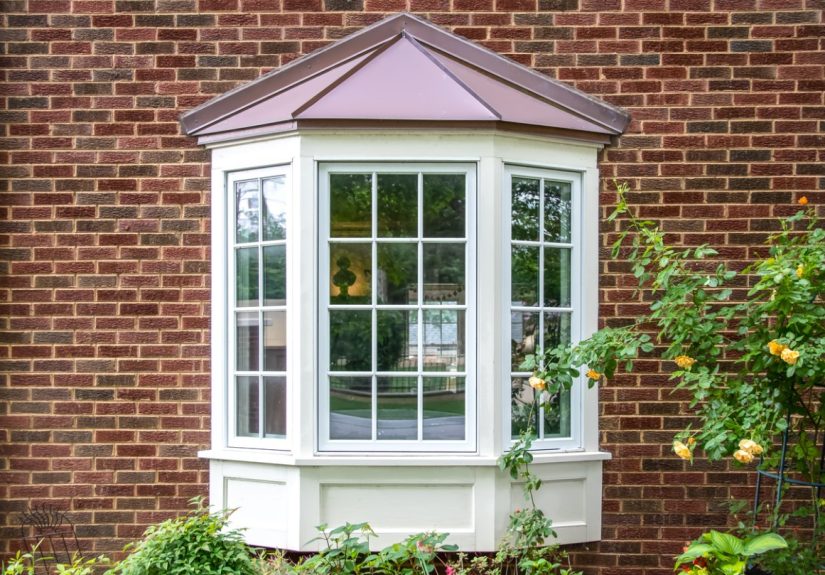
Bay and bow
Dramatic curb appeal and extra light, but usually higher cost and more installation complexity. Make sure the installer understands
structural support and proper flashingthis is not the place for shortcuts.
Step 2: Choose the Best Frame Material (Vinyl vs. Wood vs. Fiberglass)
Frame material affects price, durability, maintenance, and how well the window handles temperature swings.
Here’s the cheat sheet you’ll wish was printed on the back of every quote.
Vinyl
- Best for: Value, low maintenance, good insulation, wide availability.
- Pros: Generally affordable, doesn’t need painting, good energy performance.
- Cons: Quality varies a lot; some vinyl can warp in extreme heat; color options may be limited.
Wood (and wood-clad)
- Best for: Historic homes, premium aesthetics, interior warmth.
- Pros: Beautiful, strong, great for traditional architecture; often customizable.
- Cons: Needs maintenance; water issues can become rot issues if neglected.
Fiberglass
- Best for: Durability, stability, and extreme climates.
- Pros: Very strong, resists warping, handles temperature swings well, often allows slimmer frames.
- Cons: Typically costs more than vinyl; fewer budget options.
Aluminum
- Best for: Modern architecture and narrow sightlines (in mild climates or with strong thermal breaks).
- Pros: Strong and sleek.
- Cons: Aluminum conducts heat and coldwithout a good thermal break, energy performance can suffer.
Composite (including engineered blends)
Composite frames vary by manufacturer, but generally aim to combine strength, stability, and lower maintenance.
If you’re comparing composites, focus on warranties, long-term track record, and real performance ratingsnot marketing poetry.
Step 3: Nail the Glass Package (This Is Where Comfort Lives)
If the frame is the skeleton, the glass is the personality. The “best” glass depends on climate, orientation, noise,
and whether your home gets hammered by sun or storms.
Double-pane vs. triple-pane
- Double-pane: Often the best value in many U.S. climates.
- Triple-pane: Can improve comfort and reduce noise, especially in very cold climates or near busy roads,
but costs more and adds weight.
Low-E coatings
Low-E coatings help manage heat transfer and UV. In hot, sunny climates, the right Low-E can cut solar heat gain.
In cold climates, the right Low-E helps keep indoor heat indoors. “Right” is doing a lot of work hereask for a glass package
matched to your climate zone, not a one-size-fits-all default.
Gas fills: argon and krypton
Many energy-efficient windows use argon between panes. Krypton can be used in thinner spaces and may improve performance,
but often at a premium. The big takeaway: demand a window with verified ratings, not vague promises.
Laminated glass for sound (and safety)
If your house sits near traffic, trains, or that neighbor who believes subwoofers are a human right, laminated glass can help.
It also adds a layer of security and can reduce glass-related injury risk.
Step 4: Learn the Two Labels That Matter (NFRC + ENERGY STAR)
Replacement window shopping gets dramatically easier once you know how to read the label. The NFRC label gives you
standardized performance ratings. ENERGY STAR helps you identify products that meet efficiency criteria for your climate zone.
Key ratings on the NFRC label
- U-factor: How well the window resists heat flow. Lower is generally better for insulation.
- SHGC (Solar Heat Gain Coefficient): How much solar heat gets through. Lower is typically better in hot climates;
higher can help in cold, sunny climates. - VT (Visible Transmittance): How much light comes through. Higher VT = brighter rooms, generally.
- Air leakage (sometimes shown): Lower is betterthis influences drafts and comfort.
Translation: a “good” number isn’t universal. A window with a low SHGC might be perfect in Florida, but not ideal for a sunny Colorado home
that benefits from winter solar gain. Your best pick is climate-specific.
Step 5: Match Performance to Your Climate (The Shortcut to “Best”)
Here’s a practical way to think about it: your window’s job is to make your HVAC system do less overtime.
That job looks different depending on where you live.
Hot climates (long cooling season)
- Prioritize lower SHGC to block unwanted solar heat.
- Consider low-E tuned for sun control, and think about exterior shading on south/west exposures.
- Air sealing mattersleaky windows let humid air sneak in and make your AC miserable.
Cold climates (long heating season)
- Prioritize lower U-factor for better insulation.
- Triple-pane can improve comfort near the glass (less “cold radiating” feeling).
- Look for strong condensation resistance features: warm-edge spacers, better seals, and quality installation.
Mixed climates (both heating and cooling)
- Balance U-factor and SHGCENERGY STAR guidance is helpful here.
- Consider orientation: you might want different performance on different sides of the house.
Step 6: Choose the Right Company (and an Even Better Installer)
A top-tier window installed poorly can perform like a bargain window installed on a Friday at 4:58 p.m.
Product quality matters, but installation quality often makes or breaks the outcome.
What to look for in a window company or dealer
- Verified performance ratings: NFRC labels and clear ENERGY STAR qualification.
- Material and style options: Enough to match your home, not so many you need a spreadsheet meltdown.
- Warranty clarity: What’s covered, for how long, and what voids it (spoiler: sometimes “existing water intrusion”).
- Service reputation: Reviews matter most on follow-through: scheduling, punch lists, warranty service.
What to look for in an installer
- Correct flashing and water management: Windows are holes in your house. They must be treated like it.
- Air sealing and insulation: Proper shimming, low-expansion foam where appropriate, and tight interior/exterior sealing.
- Permit awareness: Some areas require permits; good contractors know local rules.
- Lead-safe practices (older homes): If your home was built before 1978, lead-safe rules may apply.
Costs: What You’ll Pay (and Why Quotes Can Be All Over the Map)
Window pricing ranges widely because you’re buying a product and the skill of making it perform in your specific house.
Costs depend on size, style, frame material, glass package, regional labor, access (second story? brick exterior?), and whether you’re doing
insert or full-frame replacement.
Common cost drivers
- Material: Vinyl is often the value leader; wood and fiberglass can cost more.
- Glass upgrades: Triple-pane, laminated glass, and premium Low-E add cost.
- Installation complexity: Rot repair, trim work, and structural changes raise labor.
- Scope: A whole-house project may get better per-window pricing than a tiny job.
Pro tip: compare quotes apples-to-apples by requesting the same window style, similar performance ratings, and the same installation method.
If one contractor bids pocket replacements and another bids full-frame replacements, the numbers will never matchand that’s not a scam;
it’s a different job.
Tax Credits and Incentives: Don’t Leave Money on the Table
In recent years, federal incentives have required qualifying windows to meet strict efficiency criteria (often tied to ENERGY STAR levels),
with dollar caps and documentation requirements. If you replaced windows recently, keep your paperwork: product labels, invoices,
and manufacturer certifications.
Since incentive rules can change, treat tax credit talk as “verify before you buy.” A reputable installer should know how to identify
qualifying products, but you should still confirm details for your tax year.
A No-Regrets Buying Checklist (Print This Before You Sign)
- Confirm the problem: Is it drafts, rot, fogged glass, poor operation, or all of the above?
- Pick insert vs full-frame based on frame condition and performance goals.
- Choose window styles by room function: ventilation, cleaning access, and safety egress needs.
- Select frame material that fits your climate and maintenance tolerance.
- Match glass to climate using NFRC ratings and ENERGY STAR guidance.
- Ask about air sealing and flashingnot just the window brand.
- Compare warranties and who performs service (manufacturer, dealer, or subcontractor).
- Get multiple quotes with the same scope and specs.
- Plan the schedule (weather, lead-safe needs, HOA approvals, permits).
- Inspect the finished work (operation, gaps, trim, caulk lines, water test if appropriate).
Common “Upgrades” That Are Worth It (and a Few That Aren’t)
Usually worth it
- Better air sealing and correct flashing details (performance starts here).
- Low-E matched to climate (this affects comfort and bills).
- Laminated glass in noisy areas or for extra security.
- Quality hardware if you open windows often (casements especially).
Be cautious
- Mystery coatings with unclear performance ratings.
- Super-cheap “lifetime” warranties that are actually packed with exclusions.
- One-size-fits-all glass packages that ignore your climate and window orientation.
Wrapping It Up: What “Best” Looks Like
The best replacement windows aren’t a single brand or a magical model number. They’re the windows that:
(1) fit your climate, (2) solve your specific problems, (3) have verified performance ratings,
and (4) are installed with excellent water management and air sealing.
If you want a simple “best for most homes” starting point: a quality vinyl or fiberglass window with a climate-appropriate Low-E glass package,
strong weatherstripping, and professional installation will deliver comfort gains you can feeland energy savings that show up over time.
Just don’t skip the installer vetting. The prettiest window in the world can’t outshine a bad caulk job.
Field Notes: of Real-World Replacement Window Experiences
Homeowners who shop for replacement windows tend to go through the same emotional arc: optimism, confusion, sticker shock, determination,
and finally the oddly satisfying moment when a window opens smoothly without sounding like a haunted violin.
The journey usually starts with something small. A winter draft that turns your couch into an igloo chair. A window that refuses to lock unless
you lift the sash, shoulder-check it, and whisper a motivational speech. Or that foggy double-pane glass that makes your yard look like a
watercolor paintingpretty, but not the vibe you were going for.
Then comes the quote phase, also known as “Why do three contractors live in three different pricing universes?”
One quote is surprisingly low and makes you suspicious. Another is high enough to make you consider taking up quilting to create a window-sized
blanket. And the third is somewhere in between, but includes a 47-page brochure full of words like “revolutionary” and “exclusive”
(which, to be fair, are the same words used to describe fancy hamburgers).
This is where people learn a key truth: you’re not just buying windowsyou’re buying the plan. Insert vs full-frame. Basic Low-E vs upgraded
glass. Standard sizes vs custom openings. Rot repair or “we’ll caulk it and hope.” Once homeowners start comparing scope and specs instead of just the
bottom line, the quotes begin to make more sense. It’s also where many discover they actually want better installation details
more than a “premium” label.
Showroom visits can be helpfuluntil you realize every window looks amazing when it’s perfectly clean, perfectly lit, and not currently attached
to a 1970s frame that’s seen three paint jobs and a questionable DIY storm window experiment. Still, showrooms are great for testing how hardware feels,
how screens work, and whether the “easy-clean” feature is truly easy or just “easy if you’re a yoga instructor.”
The most common happy ending is surprisingly practical: homeowners choose a sensible window (often vinyl or fiberglass), get a glass package matched
to their climate, and spend extra effort picking an installer with a solid reputation for careful flashing and air sealing.
After installation, the difference is immediate: the room feels less drafty, HVAC cycles calm down, street noise drops, and the house just feels
more “finished.” The biggest regret stories usually involve rushing the decision, ignoring moisture issues around the opening,
or choosing a bargain install that turns into repeated service calls.
In other words, the “best” replacement window experience isn’t about chasing a perfect brandit’s about buying a well-rated product and insisting
on the details that make it perform like it should. And yes, it’s also about enjoying that first quiet night where the wind is howling outside,
but your living room doesn’t feel like it’s auditioning to be a walk-in freezer.