Table of Contents >> Show >> Hide
- What Makes a “Best” Wild Mushroom Toast?
- Wild Mushroom Toasts: Ingredients
- How to Choose Mushrooms for the Best Flavor
- Important Safety Note About “Wild” Mushrooms
- Step-by-Step: How to Make Wild Mushroom Toasts
- Chef-Level Tips (Without the Chef Ego)
- Easy Variations (Pick Your Mood)
- What to Serve With Wild Mushroom Toasts
- Make-Ahead, Storage, and Reheating
- Common Mistakes (and How to Avoid Them)
- Conclusion: Your New Favorite “Fancy” Toast
- Extra: What Making Wild Mushroom Toast Feels Like (A 500-Word Reality Check)
Wild mushroom toast is what happens when a fancy restaurant appetizer and your “I should really use this bread” mood
accidentally fall in love. It’s crunchy, creamy, earthy, and somehow manages to feel like breakfast, lunch, dinner,
and “I’m just having a little snack” all at once (sure, Jan).
This guide gives you a best-in-class wild mushroom toasts recipe with the kind of deeply browned,
buttery mushrooms that taste like they’ve been practicing for weeksplus practical tips so your mushrooms sear instead
of sulk in a steamy puddle. You’ll also get variations, make-ahead tricks, and a safety reality check for anything
labeled “wild.”
What Makes a “Best” Wild Mushroom Toast?
Great mushroom toast isn’t complicated, but it is picky about a few details:
- High heat + space so mushrooms brown (caramelization = flavor) instead of steaming.
- Layers: crunchy bread, creamy base, savory mushrooms, bright finish.
- Umami boosters that taste subtle, not like you spilled a soy sauce bottle in the pan.
- Good bread thick enough to carry the topping without collapsing like a sad paper plate.
Wild Mushroom Toasts: Ingredients
This recipe makes 4 generous toasts (or 8 smaller appetizer toasts). Feel free to scale upjust don’t overcrowd the pan
when cooking the mushrooms.
For the toast
- 4 thick slices sourdough or country bread (about 3/4-inch thick)
- 2–3 tbsp olive oil or softened butter (for toasting)
- 1 small garlic clove, peeled (optional, for rubbing the toast)
For the mushrooms
- 1 lb mixed mushrooms (a “wild blend” from a reputable store/market is perfect)
- 2 tbsp olive oil (helps prevent butter from burning)
- 3 tbsp unsalted butter, divided
- 1 small shallot, finely chopped
- 2 garlic cloves, finely grated or minced
- 1 tsp fresh thyme leaves (or 1/2 tsp dried)
- 1/3 cup dry white wine or dry sherry (optional but highly recommended)
- 1–2 tsp sherry vinegar or lemon juice (to finish)
- Kosher salt and black pepper
- 2 tbsp chopped parsley or chives
Optional “umami cheat code” broth
- 1/2 oz dried porcini (or dried shiitake)
- 1 cup hot water
- 1 tsp soy sauce or tamari (optional)
- 1 tsp miso (optional; stir in off heat so it stays smooth)
Creamy base options (choose one)
- Ricotta spread: 3/4 cup ricotta + pinch salt + lemon zest + black pepper
- Crème fraîche: 1/2 cup crème fraîche + pinch salt + squeeze of lemon
- Goat cheese: 4 oz softened goat cheese + splash of olive oil
How to Choose Mushrooms for the Best Flavor
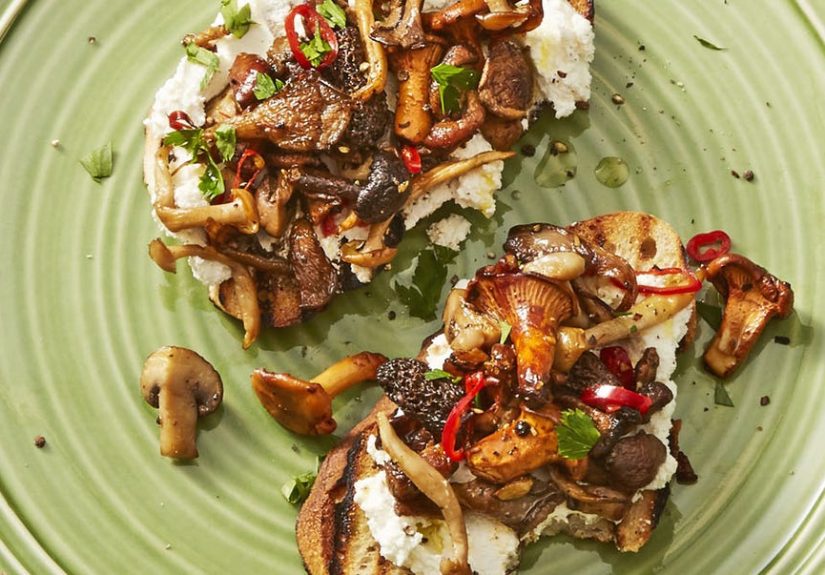
“Wild mushroom toast” often means a mix of interesting mushrooms (like chanterelles, maitake, oyster, or
morels) alongside familiar ones (like cremini). That mix is actually ideal: you get a more complex flavor and
better texture without emptying your wallet on a single precious variety.
If you can’t find a wild blend, do a DIY version: combine cremini + shiitake + oyster. It still tastes
restaurant-levelno velvet rope required.
Important Safety Note About “Wild” Mushrooms
If you’re buying mushrooms from a grocery store or reputable farmers market vendor, you’re in the safe zone.
If you’re foraging or eating mushrooms gathered by someone else: please don’t “wing it.” Even experienced people can
make mistakes, and some toxic mushrooms remain dangerous even after cooking. When in doubt, throw it outyour toast
is not worth a hospital visit.
Step-by-Step: How to Make Wild Mushroom Toasts
Step 1: Prep the mushrooms (and don’t drown them)
Wipe mushrooms with a damp paper towel or a soft brush to remove grit. Trim tough stems and tear or slice into
bite-size pieces. The goal is similar sizing so everything cooks evenly.
Step 2: (Optional) Make the umami broth
Pour 1 cup hot water over dried mushrooms and let sit 10 minutes. Strain through a fine sieve or coffee filter
(grit likes to hitchhike). Chop the rehydrated mushrooms and add them to your fresh mushroom mix. Save the soaking
liquidthis is liquid gold for finishing.
Step 3: Toast the bread
Brush bread with olive oil or butter and toast in a skillet or toaster oven until deeply golden and crisp. If you’re
feeling extra (recommended), rub the warm toast with a cut garlic clove for subtle garlic perfume.
Step 4: Sear the mushrooms (the “don’t crowd the pan” moment)
Heat a large skillet over medium-high heat. Add 2 tbsp olive oil and 1 tbsp butter. When the butter foams, add
mushrooms in a single layer. If your pan looks like a mushroom traffic jam, cook in batches.
Let them sit for 2–3 minutes without stirring so they brown. Then toss and continue cooking until they’re deeply
golden and most moisture has cooked off, about 6–10 minutes total depending on the mushrooms.
Step 5: Build flavor
Reduce heat to medium. Add the shallot and cook 1–2 minutes until softened. Add garlic and thyme and cook 30 seconds,
just until fragrant. Season with salt and pepper.
Step 6: Deglaze and make it glossy
Add wine or sherry and scrape up browned bits. Let it reduce until almost dry (about 1–2 minutes). Stir in the
remaining 2 tbsp butter for a glossy finish.
If using the optional broth, splash in 2–4 tablespoons of the strained soaking liquid and simmer 30–60 seconds.
Add soy/tamari and/or miso only if you want extra depthkeep it balanced, not salty.
Step 7: Brighten, then assemble
Turn off heat. Add sherry vinegar or lemon juice and the fresh herbs. Taste and adjust salt, pepper, and acidity.
Spread your chosen creamy base (ricotta, crème fraîche, or goat cheese) over each toast. Pile mushrooms on top. Finish
with flaky salt, extra herbs, a crack of black pepper, and (optional) a shower of Parmesan.
Chef-Level Tips (Without the Chef Ego)
1) Brown first, season second
Mushrooms release water early. If you salt aggressively at the beginning, they can weep faster and steam longer.
A light salt sprinkle is fine; save most seasoning for after browning.
2) Use oil + butter together
Oil raises the smoke point; butter brings the flavor. Together, they’re the power couple of the sauté world.
3) Add acid at the end
Vinegar or lemon at the finish wakes everything up. Without it, mushroom toast can taste heavylike a nap you didn’t
schedule.
Easy Variations (Pick Your Mood)
Poached egg or jammy fried egg
Add an egg on top for breakfast energy. The runny yolk turns into a built-in sauce and makes your toast feel like a
five-star brunch situation.
Vegan wild mushroom toast
Use plant butter or olive oil only, and swap ricotta for cashew “ricotta” or a thick, lemony white bean spread.
A teaspoon of miso or tamari adds savory depth.
Creamy mushroom toast
Stir 2–3 tablespoons crème fraîche into the mushrooms right at the end for a softer, saucier topping. Keep the heat
low so it doesn’t split.
Spicy mushroom toast
Add a pinch of red pepper flakes with the garlic, or finish with chili crisp. Mushrooms love a little heat.
Herby “green” mushroom toast
Finish with a handful of peppery greens (watercress or arugula) and more lemon. The contrast makes the toast feel
lighter and extra fresh.
What to Serve With Wild Mushroom Toasts
- For brunch: citrus salad, fruit, or a simple yogurt bowl
- For lunch: tomato soup, mixed greens, or a crunchy fennel salad
- For dinner: roast chicken, a steakhouse-style green salad, or a cozy bowl of soup
Make-Ahead, Storage, and Reheating
Mushroom toast is best assembled right before serving (crisp toast + hot topping = magic). But you can prep smart:
- Cook the mushrooms up to 2 days ahead; store airtight in the fridge.
- Reheat in a skillet over medium heat until hot; add a splash of water/broth to loosen.
- Toast bread fresh, or re-crisp in a toaster oven for 2–3 minutes.
- Assemble last so the toast stays crunchy.
Common Mistakes (and How to Avoid Them)
Mistake: Mushrooms turn pale and watery
Fix: Use a bigger pan, higher heat, and cook in batches. Give mushrooms time to brown before stirring.
Mistake: Toast gets soggy fast
Fix: Toast darker than you think you need. Add a creamy base as a “barrier” and assemble right before eating.
Mistake: Flavor feels flat
Fix: Add a finishing splash of vinegar/lemon and a little more salt. A tiny bit of soy, miso, or Parm can boost umami.
Conclusion: Your New Favorite “Fancy” Toast
The best wild mushroom toast is all about contrast: crisp bread, creamy spread, deeply browned mushrooms, and a bright
finish. Once you nail the pan technique (space + heat + patience), you can remix the toppings endlesslydifferent
mushrooms, different herbs, different spreads, even an egg on top.
Make it for a quick weeknight dinner, an impressive brunch, or a snack that accidentally turns into a meal. Just
remember: mushrooms deserve room to shine, and “wild” should always come from a trustworthy source.
Extra: What Making Wild Mushroom Toast Feels Like (A 500-Word Reality Check)
The first time you make wild mushroom toast, there’s a good chance you’ll think, “That’s it?” because the steps look
almost too easy. Then the mushrooms hit the hot pan and immediately start doing dramatic mushroom thingsshrinking,
squeaking, releasing water, and making you question your life choices. This is normal. Mushrooms are basically tiny
sponges with big personalities.
Here’s what most home cooks notice as they get better at it: the moment you stop crowding the skillet, everything
changes. Instead of a pale pile that smells like “wet forest,” you get caramelized edges and a deeper, toastier aroma.
That browning is where the “wow” flavor lives. If you’ve ever tasted mushroom toast at a restaurant and wondered why
yours didn’t have that same punch, the difference is almost always heat and space, not secret truffle fairy dust.
Another thing you learn fast: your bread is not just a vehicle; it’s a co-star. A thin slice can’t handle the topping
and turns into a soft, bendy situation that’s fine if you’re eating over the sink, but not ideal if you’re trying to
impress anyone with opposable thumbs. Thick-cut sourdough or country bread gives you structure and a crunchy bite that
makes the whole dish feel intentional. Bonus: slightly stale bread toasts up beautifully, which means yesterday’s loaf
can have a second act.
People also tend to discover “acidity math” with this dish. Mushrooms + butter + cheese can lean rich and heavy, so a
small splash of sherry vinegar or lemon at the end tastes like turning on the lights in a cozy room. You don’t want it
souryou want it bright. It’s the difference between “delicious” and “please keep feeding me this forever.”
And then there’s the fun part: customizing. Once you’ve made it a couple times, you start noticing what you like.
Maybe you’re a ricotta person who wants lemon zest and black pepper. Maybe crème fraîche is your vibe because you like
a little tang. Maybe you add chili flakes because you want the toast to clap back. Wild mushroom toast is basically a
choose-your-own-adventure, but the story is always “crispy bread meets savory mushrooms and everyone wins.”
The most satisfying “experience” moment is serving it to someone who thinks toast is always boring. One bite in, their
eyes do that little widening thing that says, “Wait… why is this so good?” That’s when you casually act like you make
wild mushroom toasts every day, even if five minutes ago you were Googling how to pronounce “maitake.”