Table of Contents >> Show >> Hide
- What Is Better Homes & Gardens Magazine?
- A Century of Reinvention Without Losing Its Personality
- What Readers Actually Get From the Magazine
- Why Better Homes & Gardens Magazine Still Matters Today
- The Magazine as a Cultural Mirror
- Beyond the Magazine: A Full Lifestyle Brand
- Who Should Read Better Homes & Gardens Magazine?
- The Experience of Reading Better Homes & Gardens Magazine
- Conclusion
- SEO Tags
If American lifestyle magazines had a family room, Better Homes & Gardens would be the one fluffing the pillows, trimming the basil, and sliding a casserole onto the table without making a big dramatic speech about it. That, in many ways, is the magazine’s secret sauce. It has never relied only on fantasy. Instead, it built a reputation on making home life feel more beautiful, more organized, more delicious, andmost importantlymore doable.
That matters. Plenty of publications can make you admire a room you could never afford or a garden you would need a full-time staff to maintain. Better Homes & Gardens Magazine has long done something slightly more useful: it mixes inspiration with instruction. It gives readers ideas, then hands them the map, the measuring tape, the recipe card, and occasionally the courage to repaint the guest room a color that does not resemble oatmeal.
For more than a century, the magazine has stayed relevant by evolving with the way people actually live. It began with a practical focus on gardening, then expanded into cooking, decorating, cleaning, organizing, entertaining, and everyday home problem-solving. In print and online, it still lives at the intersection of aspiration and practicalitythe sweet spot where readers say, “That looks great,” followed immediately by, “Okay, I could actually try that this weekend.”
What Is Better Homes & Gardens Magazine?
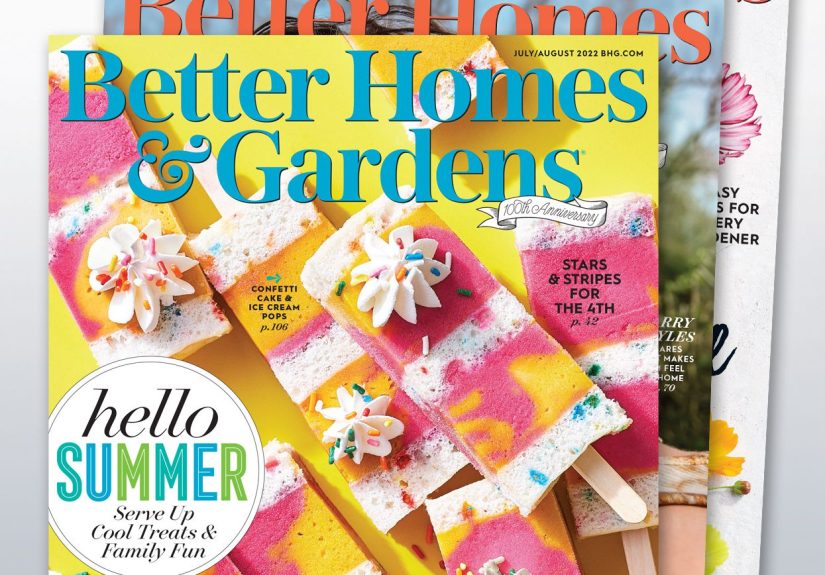
Better Homes & Gardens Magazine is an American lifestyle magazine centered on home design, gardening, food, housekeeping, seasonal living, and creative everyday improvement. At its core, it is a service magazine, which means it does not simply show off ideasit explains how to use them. That identity has helped it survive changing tastes, changing media habits, and the rise of the internet, social platforms, and endless advice from strangers who own ring lights.
What makes the magazine distinctive is its broad but connected editorial range. In one issue or digital hub, readers can move from paint color trends to edible gardening tips, from weeknight dinners to organization systems, from holiday tablescapes to realistic advice for small rooms. The categories may seem different on paper, but they all serve the same basic mission: helping people create homes that work better and feel more personal.
That balance of style and utility is central to the brand. The magazine is not just about making a home look polished for a photo. It is about making a home livable, warm, creative, and welcoming. That is a big reason why its content continues to resonate with readers who want ideas with a pulsenot just pretty pictures and impossible standards.
A Century of Reinvention Without Losing Its Personality
From Fruit, Garden and Home to a household name
The story of Better Homes & Gardens begins in 1922 in Des Moines, Iowa, when publisher Edwin Meredith launched a magazine called Fruit, Garden and Home. The original concept was practical and timely. America was changing, home ownership was becoming a bigger cultural aspiration, and readers wanted advice that connected domestic life to beauty, efficiency, and self-reliance.
In 1924, the publication adopted the name Better Homes & Gardens, and that title turned out to be a masterstroke. It sounded hopeful without being stuffy, ambitious without being snobbish. It promised improvement, but not in a scolding way. The name suggested that home life could be nurtured, shaped, and enjoyed. In other words, it understood the emotional power of a clean kitchen, a blooming yard, and a chair that is actually comfortable. Revolutionary stuff.
Why the magazine endured
Over time, the magazine broadened beyond gardening into the full ecosystem of domestic life. Cooking became a major pillar. Decorating became central. Cleaning, organizing, entertaining, and seasonal planning joined the mix. Rather than abandoning its roots, the magazine layered new interests onto its original practical foundation.
That is why the brand has endured for generations. It does not chase relevance by pretending to be something else every five minutes. Instead, it updates the same promise for each era: your home can be more functional, more beautiful, and more reflective of who you are.
Even historically, the magazine stood out in the service-journalism tradition. It was part of a class of publications that helped readers manage homes more effectively, but it also brought color, taste, and imagination to that work. It was never only about chores. It was about turning daily life into something a little richer.
What Readers Actually Get From the Magazine
Decorating that feels inspiring, not intimidating
One of the strongest features of Better Homes & Gardens Magazine is its decorating coverage. The brand consistently focuses on design ideas that feel achievable. You will find room layouts, color guidance, styling ideas, storage solutions, furniture placement advice, and trend reports, but the tone usually stays grounded. The goal is not to convince readers to gut-renovate their lives before lunch. The goal is to help them make smart, satisfying updates, whether that means refreshing a mantel, improving a small bedroom, or finally figuring out what to do with that awkward corner everyone keeps ignoring.
This approach is especially helpful because it addresses real-world constraints. Not every reader has a sprawling suburban dream home with twelve windows and a breakfast nook blessed by angels. Some readers rent. Some live in small spaces. Some share rooms, juggle families, or work from home. The magazine’s strongest decorating content recognizes that style is not reserved for perfect square footage.
Gardening that welcomes beginners and rewards enthusiasts
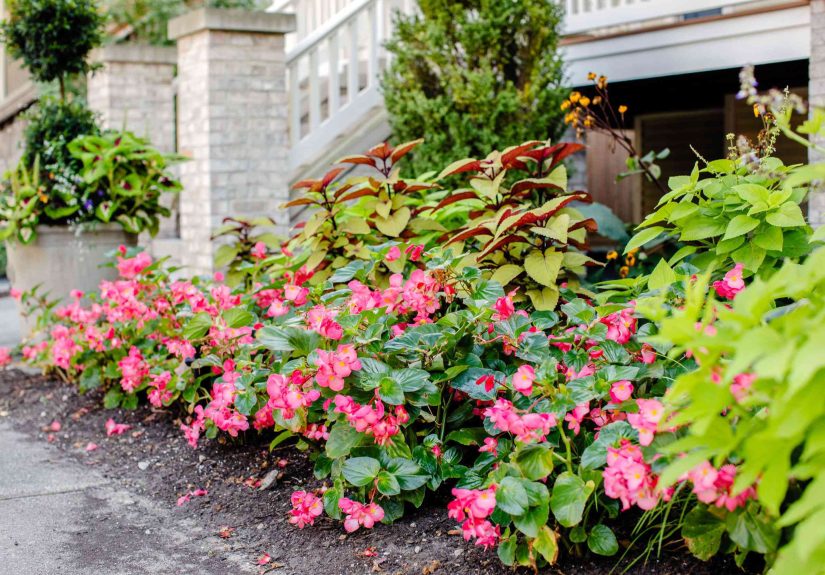
Gardening has always been part of the magazine’s DNA, and that legacy still matters. Better Homes & Gardens offers plant advice, regional tips, garden design ideas, edible gardening guidance, seasonal checklists, and solutions for common problems. Its gardening content speaks to readers who want beauty, productivity, and a little less confusion when their tomatoes start acting mysterious.
That practical gardening identity gives the brand credibility. It is not gardening as vague aesthetic performance. It is gardening as lived experiencewhat to plant, when to plant it, how to care for it, and how to troubleshoot when nature decides to freestyle.
Food content with a strong legacy of trust
Food is another major reason the magazine remains beloved. The Better Homes & Gardens Test Kitchen has long contributed to the brand’s reputation for dependable recipes. That matters more than people sometimes admit. Readers do not want a recipe that looks charming and then collapses halfway through dinner. They want instructions that work, ingredients that make sense, and a final dish that does not inspire quiet panic.
The brand’s famous “Red Plaid” cookbook became one of its most recognizable extensions for exactly this reason. It represents a kind of culinary trust: clear methods, reliable outcomes, and recipes designed for actual home cooks. That tradition still shapes the magazine’s broader food voice today, from everyday meals to holiday menus and special-occasion desserts.
Housekeeping, organization, and seasonal sanity
Another core strength is the magazine’s emphasis on practical home management. Cleaning advice, checklists, organization ideas, and seasonal routines may not sound glamorous, but they are the hidden framework of a comfortable home. Better Homes & Gardens understands that many readers are not looking for abstract lifestyle philosophy. They want help with clutter, laundry, schedules, storage, and all the little daily systems that keep a household from turning into a mildly decorative tornado.
This content works because it respects the reader’s time. The advice often leans toward efficiency, accessibility, and realistic improvements. It does not pretend anyone wakes up thrilled to deep-clean a pantry. It simply offers ways to make the task less painful and more effective. Honestly, that is public service.
Why Better Homes & Gardens Magazine Still Matters Today
The modern media landscape is crowded with home advice. Social media feeds are full of room reveals, recipe hacks, garden triumphs, organization reels, and people announcing that one specific basket will change your life. Against that backdrop, Better Homes & Gardens still matters because it offers editorial curation. It filters trends through expertise.
That is important. Readers need more than endless inspiration; they need context. Which design trend has staying power? Which gardening tip is actually useful? Which recipe has been tested? Which organizing method works for normal humans instead of minimalist superheroes? A legacy brand like BHG helps answer those questions by combining editorial judgment with hands-on know-how.
The magazine also succeeds because it adapts without losing coherence. It has expanded into digital content, social channels, podcasts, brand collaborations, and commerce, yet the core identity remains recognizable. Whether the reader encounters the brand in print, on a website, through a social post, or while shopping home goods, the message is consistent: creative ideas should improve everyday living.
The Magazine as a Cultural Mirror
Every long-running lifestyle magazine becomes, in some way, a record of how Americans imagine home. Better Homes & Gardens Magazine is no exception. Across decades, it has reflected shifts in family life, design preferences, domestic technology, cooking habits, and outdoor living. Looking through older issues is like flipping through a cultural time capsule, only with more wallpaper and stronger opinions about casseroles.
That archival value is part of the brand’s charm. You can see how ideas of comfort, beauty, and hospitality have changed over time. At the same time, many themes remain surprisingly constant: people want welcoming rooms, useful kitchens, productive gardens, easier routines, and celebrations that feel special without causing a total emotional collapse.
In that sense, the magazine is both historical and current. It preserves domestic traditions while continuously updating them. It knows that “home” is not a fixed concept. It changes with economics, technology, family structure, taste, and culture. Good lifestyle media recognizes that change; great lifestyle media helps readers navigate it gracefully.
Beyond the Magazine: A Full Lifestyle Brand
Part of the reason Better Homes & Gardens remains so visible is that it long ago outgrew the boundaries of a print publication. It became a wider lifestyle brand with cookbooks, a test kitchen, a test garden, retail partnerships, and a real estate presence. That expansion could have diluted the brand, but instead it reinforced the magazine’s basic promise: practical inspiration for everyday life.
When readers see BHG products, recipes, design tips, or home-related services under the same umbrella, the connection makes intuitive sense. The brand’s authority has always been rooted in how people live at home, so extending into home goods and related experiences feels less like a corporate side quest and more like a natural evolution.
That ecosystem also helps explain why the magazine still has staying power. It is not just content floating in a digital void. It is a recognizable, multi-platform brand with editorial history, visual identity, and everyday relevance.
Who Should Read Better Homes & Gardens Magazine?
This magazine works best for readers who enjoy practical inspiration. It is ideal for homeowners, renters, beginner gardeners, enthusiastic hosts, home cooks, weekend decorators, and anyone who wants their space to function better without feeling sterile or joyless.
It is especially valuable for readers who like guidance with personality. The brand tends to avoid extremes. It is not relentlessly formal, aggressively trendy, or smugly minimalist. It invites experimentation while keeping one foot on the floor. That makes it approachable for people who want a beautiful home but also want to sit on the couch, eat dessert, and live in it.
The Experience of Reading Better Homes & Gardens Magazine
Reading Better Homes & Gardens Magazine is a very specific kind of pleasure. It feels less like being lectured by an expert and more like being guided by a stylish friend who somehow knows how to choose paint, grow peonies, roast a chicken, and fold fitted sheets without losing the will to live. The tone is warm, capable, and inviting. Even when the ideas are polished, the experience rarely feels cold.
One of the nicest things about the magazine is the rhythm of it. A reader can move from a dreamy room makeover to a practical cleaning shortcut, then land in a recipe spread that suddenly makes dinner seem less annoying. That variety keeps the reading experience lively. It also mirrors how people actually think about home life. We do not separate our lives into neat editorial boxes. We think about storage while making coffee, garden plans while paying bills, and paint colors while pretending not to notice the laundry chair. The magazine understands that beautifully.
There is also a tactile and visual satisfaction to the experience. In print, the pages tend to offer lush photography, clean layouts, and ideas that feel concrete. You are not just told that a room can be cozier; you are shown textures, tones, lighting, and arrangements that help explain why it works. The visuals do not merely decorate the articlethey teach. That makes the magazine especially appealing to visual learners and to readers who think in images before they think in instructions.
Emotionally, the magazine often delivers a comforting kind of optimism. Not fake perfection. Not “buy seven expensive objects and become a new person by Thursday.” Instead, it suggests that small improvements matter. A better entryway can calm the morning rush. A garden bed can add joy to a routine week. A tested recipe can make guests feel loved. A decluttered closet can make a day feel less chaotic. Those ideas are modest, but they are powerful because they are rooted in daily experience.
Many readers also connect with the seasonal experience the magazine provides. A spring issue feels different from a holiday issue, and that shift is part of the charm. The magazine creates a sense of anticipation around the calendar: planting season, summer entertaining, back-to-school organization, fall decor, winter baking, and everything in between. It turns the year into a creative cycle. That is one reason longtime readers often describe it as more than a magazine. It becomes part of the background rhythm of home life.
For some people, the experience is nostalgic. They remember seeing copies in a parent’s kitchen, a grandparent’s living room, or a stack of magazines near a sewing table or sunroom. For others, the appeal is new. They discover the brand online, then realize it offers something surprisingly rare: trustworthy ideas that are both attractive and useful. Either way, the experience tends to produce the same responsereaders come away feeling inspired, but not overwhelmed.
That may be the magazine’s greatest achievement. It makes home improvement feel possible. It invites ambition without punishing imperfection. It offers beauty with instructions, creativity with structure, and expertise without snobbery. In a world full of noisy advice, that kind of reading experience is not just pleasant. It is oddly refreshing.
Conclusion
Better Homes & Gardens Magazine has remained relevant for more than a century because it understands something timeless: people want homes that support real life while still feeling beautiful. The magazine’s power lies in its blend of inspiration and practicality. It helps readers decorate, cook, plant, clean, organize, and celebrate with more confidence and less guesswork.
That blend is why the brand still matters. It is not simply selling a look. It is offering a way of approaching home life that values comfort, creativity, usefulness, and joy. Whether you read it for garden advice, tested recipes, decorating ideas, or the simple pleasure of imagining a better Saturday morning, Better Homes & Gardens continues to earn its place in American lifestyle mediaone room, one recipe, and one realistic improvement at a time.