Table of Contents >> Show >> Hide
- Before You Bulk-Buy: The 60-Second Sanity Check
- 1) BJ’s Wholesale Club
- 2) Sam’s Club
- 3) Target and Walmart
- 4) Amazon Prime
- 5) Dollar Stores (Dollar Tree and Dollar General)
- 6) Aldi and Trader Joe’s
- 7) Big Lots
- 8) Ethnic Grocery Stores
- What to Buy in Bulk (That Rarely Regrets You)
- What to Buy in Bulk Only If You Have a Plan
- A Quick Bulk-Buying Checklist
- Conclusion: You Don’t Need a Costco Run to Be a Bulk-Buying Legend
- Bulk-Buying Experiences: The Good, the Bad, and the 24-Pack of Regret
Costco has a special talent: it can turn a “quick run for paper towels” into a cart that contains a kayak, 48 granola bars,
and a $12 fern you didn’t know you needed. But here’s the good newsbuying in bulk isn’t a Costco-only sport.
Whether you don’t have a membership, your local warehouse is far away, or you simply want more options,
there are plenty of other places to stock up and save.
This guide builds on the classic “Costco alternatives” idea and expands it into something you can actually use:
what each store is best for, what to skip, and how to avoid the universal bulk-buying tragedyowning 200 snack packs
of something your household stopped liking on day two.
Before You Bulk-Buy: The 60-Second Sanity Check
1) Do the unit-price math (yes, even when the deal is yelling at you)
Bulk is only a bargain if the cost per ounce / per sheet / per count is lower. Compare the unit price to your regular store,
your store-brand option, and any coupon/loyalty discount. Sometimes the “family size” is just… a bigger family problem.
2) Storage is part of the price
If buying bulk means you need extra shelves, bins, or a bigger freezer, your “savings” may quietly evaporate.
Bulk works best when you already have a place to put thingsand you can find them later without a flashlight and a minor expedition.
3) Food safety and freshness matter more than bragging rights
The safest bulk-buying strategy is to focus on nonperishables and freezer-friendly foods. For perishables, be realistic.
Keep your refrigerator at 40°F or below and your freezer at 0°F, and label/freezer-bag items so they don’t become
“mystery bricks.” Leftovers are generally best used within 3–4 days in the fridge (or frozen for longer storage).
In other words: if you buy 10 pounds of deli salad, you need a plannot a prayer.
1) BJ’s Wholesale Club
If you like the warehouse-club concept (big packs, big carts, big savings potential) BJ’s is a strong alternativeespecially in the eastern U.S.
The vibe is familiar: groceries, household essentials, personal care, pet supplies, and seasonal items in sizes that say,
“I live here now.”
What BJ’s is great for
- Household staples: paper goods, detergent, trash bags, cleaning sprays, and dish soap.
- Pantry basics: cereal, snacks, coffee, canned goods, sauces, cooking oils, and baking supplies.
- Family-friendly buys: lunchbox items, beverages, and anything your household uses on repeat.
Pro tips
- Use coupons and member deals strategicallywarehouse savings get even better when stacked with promotions.
- If you split shopping with a friend or family member, bulk becomes less “mountain of crackers” and more “manageable hill of crackers.”
Watch-outs
BJ’s requires a membership. Membership pricing can change and promotions come and go, so treat the annual fee like an “upfront cost”
and make sure your household will actually use the store regularly.
2) Sam’s Club
Sam’s Club is a go-to warehouse option with locations across the U.S., and it’s especially popular for
big-ticket staples, party supplies, and household essentials that disappear faster than you think.
What Sam’s is great for
- Bulk pantry and freezer items: snacks, proteins, frozen veggies, and quick meals.
- Home necessities: paper products, laundry supplies, cleaning refills, and batteries.
- Entertaining: big beverage packs, disposable plates/cups, and party-size snacks.
Pro tips
- Use pickup or delivery when possiblebulk items are heavy, and your back deserves kindness.
- Keep a running “bulk list” of items you always use (trash bags, detergent, pet food) so you don’t impulse-buy 10 novelty hot sauces.
Watch-outs
Like other warehouse clubs, Sam’s Club has membership tiers. The best choice depends on how often you shop and whether you’ll use the perks.
3) Target and Walmart
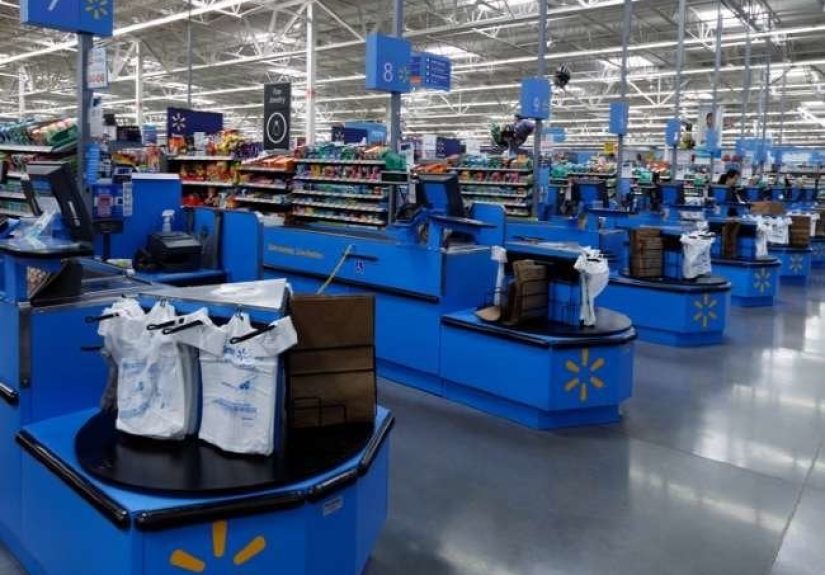
Target and Walmart aren’t warehouse clubs in the traditional sense, but they’re powerful bulk-buying alternatives for one simple reason:
they sell a lot of value-size packs, multipacks, and everyday essentials at competitive prices
and you can often buy online with easy pickup.
Target: the “bulk, but make it aesthetically pleasing” option
- Best buys: diapers, wipes, paper products, cleaning supplies, personal care, and pantry staples.
- Smart move: store-brand basics (especially household and pantry items) can deliver strong unit-price value.
- Bonus: pickup orders help you avoid impulse-buying a throw pillow that “sparked joy” for 11 seconds.
Walmart: the “I need it cheap and I need it everywhere” option
- Best buys: family-size groceries, pet supplies, paper goods, OTC essentials, and school/office basics.
- Smart move: compare unit prices across sizessometimes the biggest pack is best, sometimes the medium pack wins.
- Bonus: broad selection makes it easy to do a “bulk refill” run without driving to multiple stores.
4) Amazon Prime
If your ideal bulk purchase includes the words “delivered to my door,” Amazon Prime is an obvious contender.
It’s especially useful for recurring household essentials: soap refills, toothpaste multipacks, pet supplies, shelf-stable groceries,
and all the boring-but-necessary items that keep a home running.
What Amazon is great for
- Household restocks: dish tabs, laundry pods, trash bags, paper products, filters, and bulbs.
- Pantry staples: coffee, snacks, canned goods, sauces, grains, and baking supplies.
- Subscription-style savings: “set it and forget it” can work well for items you always use.
Pro tips
- Check the unit price and size carefullyonline listings can make a “giant pack” look bigger than reality.
- Look for recurring-delivery discounts only for items you truly want on repeat. Nobody needs surprise ketchup arriving monthly.
5) Dollar Stores (Dollar Tree and Dollar General)
Dollar stores don’t always sell classic “bulk packs,” but they can be excellent for building your own bulk stash by buying multiple units cheaply.
They’re especially handy for cleaning supplies, party items, and household odds and ends.
What dollar stores are great for
- Cleaning basics: sponges, brushes, spray bottles, wipes, and simple cleaners.
- Party and holiday supplies: gift wrap, cards, decorations, disposable plates/cups.
- School/office essentials: folders, simple stationery, bins, and small organizers.
Pro tips
- If you find a great item, buy a fewdollar store inventory can change fast.
- For Dollar Tree specifically, online shopping often lets you purchase by the case, which can be great for events or group needs.
Watch-outs
Compare sizes. A “cheap” item can become expensive if the package is much smaller than what you’d buy elsewhere.
Unit price is your best friend here.
6) Aldi and Trader Joe’s
If you like low prices but don’t want a 55-gallon drum of pretzels, Aldi and Trader Joe’s can feel like the sweet spot:
affordable groceries, lots of store-brand options, and enough “fun finds” to keep shopping interesting.
Aldi: the private-label powerhouse
Aldi keeps prices competitive in part by focusing heavily on Aldi-exclusive brands. That store-brand emphasis can be a quiet superpower for budgets,
especially on pantry staples, snacks, dairy, and freezer items.
- Best buys: grains, canned goods, snacks, cheese, frozen produce, baking basics, and weekly special finds.
- Bulk-ish strategy: buy multiples of your staples when prices are strong, without being forced into mega-pack sizes.
Trader Joe’s: small store, big “value per bite”
Trader Joe’s shines when you want affordable staples plus high-rotation favorites. Many items are private-label, and the store often excels at
freezer meals, snacks, sauces, nuts, and seasonal products that make weeknight cooking easier.
- Best buys: nuts, olive oil, frozen meals, coffee/tea, snacks, and sauces you’ll actually use.
- Bulk-ish strategy: stock up on freezer-friendly and shelf-stable favorites when you find themseasonal items can vanish.
7) Big Lots
Big Lots has long been known for closeout and discount pricing on home basicsthink snacks, pantry items, cleaning supplies,
storage solutions, and certain household essentials. The big appeal is the “treasure hunt”: you can sometimes score excellent deals,
especially on brand-name items that show up as overstock or special buys.
What Big Lots is great for
- Home and pantry deals: shelf-stable foods, snacks, beverages, and household basics when priced well.
- Practical home items: storage bins, small organizers, and some seasonal home goods.
- Loyalty savings: rewards programs and app offers can make good deals even better.
Watch-outs
Availability can vary by region, and some locations may be in transition. If Big Lots is active in your area, it can still be a smart place
to browse for bulk-friendly bargainsbut it’s not always a “guaranteed stock” kind of store.
8) Ethnic Grocery Stores
One of the most underrated bulk-buying strategies is shopping at ethnic grocery storesMexican, Indian, Middle Eastern, Asian, Caribbean, and more.
These markets often offer excellent prices on pantry staples, plus a selection you won’t find at a standard chain supermarket.
What ethnic markets are great for
- Big bags of staples: rice, beans, lentils, noodles, and flour varieties.
- Spices and seasonings: larger packages or better value than tiny supermarket spice jars.
- Sauces and condiments: chili pastes, curry bases, vinegars, oils, and marinades in sizes that make sense if you cook with them.
Pro tips
- Start with a “staples list”: rice/beans/lentils + a few spices you use constantly. Then branch out.
- If you’re trying a new ingredient, buy a smaller size firstfalling in love with a flavor is easier than getting stuck with it.
What to Buy in Bulk (That Rarely Regrets You)
Some categories are basically the bulk-buying hall of famelow waste, high usage, easy storage. If you’re trying to be strategic, start here:
- Paper goods: toilet paper, paper towels, tissues, napkins.
- Laundry and dish supplies: detergent, pods, dish soap, sponges, dishwasher tabs.
- Trash and storage: trash bags, zipper bags, foil, parchment paper.
- Pantry staples: rice, oats, pasta, canned tomatoes/beans, broth, peanut butter (if your household uses it fast).
- Personal care basics: toothpaste, soap, deodorant, shampooespecially if you already know what works for you.
What to Buy in Bulk Only If You Have a Plan
- Fresh produce: great for big households, meal preppers, or freezer folksiffy for everyone else.
- Dairy and eggs: buy big only if you know you’ll finish on time (or you freeze/use creatively).
- Snacks you’ve never tried: bulk is not the time for a blind taste test.
- Anything “health kick” related: the most expensive food is the one you buy with optimism and throw out with guilt.
A Quick Bulk-Buying Checklist
- Will we use it within the safe window? (Fridge/freezer rules apply.)
- Do we have storage space? Pantry, bins, freezer room, and sanity.
- Is the unit price truly better? Compare sizes and brands.
- Is it a repeat purchase? Bulk works best on proven favorites.
- Can we split it? Friends, family, neighborsbulk is better with allies.
Conclusion: You Don’t Need a Costco Run to Be a Bulk-Buying Legend
Costco is iconic, but it’s not the only bulk game in town. Warehouse clubs like BJ’s and Sam’s Club can scratch the same itch,
big retailers like Target and Walmart can cover everyday value-size needs, Amazon Prime delivers bulk basics to your door,
dollar stores help you “bulk up” cheaply, Aldi and Trader Joe’s offer budget-friendly staples without mega-pack pressure,
Big Lots can be a bargain hunt (where available), and ethnic grocery stores are often the secret weapon for pantry staples and spices.
The real trick isn’t where you buyit’s how you buy. Let unit prices guide you, keep food safety in mind, and aim for purchases that your household
will actually finish. Bulk shopping should feel like a win, not like you accidentally opened a convenience store in your hallway.
Bulk-Buying Experiences: The Good, the Bad, and the 24-Pack of Regret
If you’ve ever tried to “stock up like a responsible adult,” you already know bulk buying is an emotional journey disguised as a shopping trip.
The high is real: you come home with enough laundry detergent to survive three minor apocalypses, and for a moment you feel unstoppable.
Then you open the pantry and realize you’ve built a cardboard skyline that blocks the light like a tiny cereal-box Manhattan.
One classic bulk experience is the party-panic purchase. You’re hosting a birthday, a game night, or a holiday gathering, and suddenly you’re
thinking in quantities like “case,” “tray,” and “industrial.” This is where warehouse clubs and Sam’s-style party aisles shinebig snack packs,
giant drink cases, and enough napkins to clean up a small lake spill. The win is that you’re prepared. The loss is realizing you bought 200 plastic forks
and only 40 plates. (Somewhere, a fork is laughing.)
Then there’s the online bulk restock momentusually late at night, when your brain decides tomorrow’s version of you deserves better.
You order paper towels, trash bags, and dish tabs online, and it feels so efficient it should earn a certificate. The box arrives and it’s the size of a
dishwasher. Now you’re dragging it through the house like you’re moving in. Still, future-you is grateful… once you find a place to store it.
The most relatable bulk story might be the new-snack gamble. You see a giant bag of something you’ve never triedmaybe spicy chips,
protein bars, or a “healthy” trail mix that promises enlightenment. You buy it because the unit price is amazing. You taste it, and your soul whispers,
“We have made a mistake.” Suddenly you’re offering it to friends, guests, delivery drivers, and anyone who makes eye contact. This is why bulk is best
reserved for proven favorites. Curiosity is great, but it’s cheaper in small bags.
On the happier side, shopping at ethnic grocery stores can feel like unlocking a cheat code. You find a big bag of rice that actually makes sense
for your budget, spices that don’t cost “tiny glass jar” money, and ingredients that level up your cooking overnight. The experience is part discovery,
part practical savings. You walk out with staples and inspirationplus maybe a snack you didn’t plan on, because the universe rewards good decisions.
Finally, there’s the bulk-with-a-friend experiencethe underrated hero move. You split a case of seltzer, a huge bag of flour, or a mega-pack
of freezer items, and suddenly bulk makes perfect sense. You get the savings without turning your home into a stockroom. If bulk buying had a theme song,
it would be: “Teamwork makes the pantry work.”
At its best, bulk buying makes life easierfewer emergency store runs, lower cost per use, and the comforting knowledge that you will not run out of toilet paper
at the worst possible moment. At its worst, it’s a lesson in humility and storage physics. The goal is simple: buy big where it’s smart, buy small where it’s risky,
and remember that the best deal is the one you actually use.