Table of Contents >> Show >> Hide
- Why This Buttery Biscuit Recipe Works So Well
- The Core Formula Behind BHG’s Best Buttery Biscuit Recipe
- How to Make the Best Buttery Biscuits at Home
- Common Mistakes That Flatten Biscuit Dreams
- How This Recipe Compares With Other Biscuit Styles
- Flavor Variations That Still Respect the Biscuit
- What to Serve With These Buttery Biscuits
- Why This Recipe Is Worth Keeping
- Kitchen Experiences: What Baking This Biscuit Recipe Feels Like in Real Life
- Conclusion
There are biscuits, and then there are good biscuitsthe kind that split open with a gentle tug, release a little puff of steam, and demand butter like they’re entitled to it. BHG’s best buttery biscuit recipe belongs in that second category. It is the sort of classic, all-American biscuit that looks humble on the baking sheet and then shows off the second you crack one in half and spot those tender, flaky layers.
What makes a biscuit memorable is not just flavor, although buttery flavor certainly does not hurt. It is texture. The outside should be lightly golden, the inside should be soft without being cakey, and the layers should feel delicate rather than dense. In other words, the biscuit should seem effortless, even though every biscuit baker knows there is a tiny bit of kitchen drama involved. One minute the dough looks shaggy and promising; the next minute you are wondering whether you overmixed it by three stirs and ruined brunch for everyone. Good news: this recipe is forgiving enough for real life and good enough to make people think you secretly own a Southern bed-and-breakfast.
Why This Buttery Biscuit Recipe Works So Well
The beauty of a great homemade biscuit recipe is that the ingredient list is refreshingly short, but the technique does most of the heavy lifting. BHG’s classic approach leans on pantry basicsflour, baking powder, sugar, salt, cream of tartar, butter, a little shortening, and milkto build a biscuit that is rich, tall, and tender. The butter brings flavor, the shortening helps with tenderness and lift, and the leaveners help create that proud, bakery-style rise that makes a biscuit look like it has something to prove.
The real secret, though, is temperature and restraint. Cold fat stays in little pockets throughout the dough. When those pockets hit a hot oven, they release steam. Steam creates separation. Separation creates layers. Layers create joy. That is the science. The poetry happens when you bite into the finished biscuit and hear the slightest whisper of crispness before the center melts away.
That is also why great biscuit bakers treat dough like a moody celebrity: keep it cool, do not over-handle it, and get it into a hot environment quickly.
The Core Formula Behind BHG’s Best Buttery Biscuit Recipe
If you want the classic version, here is the BHG-style formula behind the magic:
- 3 cups all-purpose flour
- 1 tablespoon baking powder
- 1 tablespoon sugar
- 1 teaspoon salt
- 3/4 teaspoon cream of tartar
- 1/2 cup butter, cut up and kept cold
- 1/4 cup shortening
- 1 cup milk
That combination gives you a traditional baking powder biscuit with buttery flavor and a soft, fluffy interior. Want a tangier biscuit? Swap the milk for buttermilk and you will get a little more character, a little more tenderness, and the kind of flavor that makes jam feel like an optional extra rather than a requirement.
How to Make the Best Buttery Biscuits at Home
1. Start Cold or Stay Home
Cold butter matters more than most biscuit myths, hacks, and social-media shortcuts combined. If your kitchen is warm, chill the butter well and do not be shy about refrigerating the bowl or flour for a few minutes. This is not overkill. This is biscuit insurance.
When the fat stays firm, it does not blend fully into the flour. That is exactly what you want. You are not making cookie dough. You are building little steam pockets that will turn into flaky layers in the oven.
2. Cut the Fat InBut Do Not Obliterate It
Mix the dry ingredients first, then cut in the butter and shortening until the mixture looks like coarse crumbs with a few visible bits of fat. That “coarse crumbs” instruction gets repeated so often it sounds boring, but it is crucial. If you pulverize the fat into submission, your biscuits lose the opportunity to puff and separate. If you leave the pieces too big, the dough can bake unevenly. Think pebbly, not pasty.
This is where many home bakers go wrong because they equate “well mixed” with “better.” Biscuits disagree. Biscuits prefer a little chaos.
3. Add the Liquid All at Once
Pour in the milk and stir just until the dough is moistened. Not smooth. Not polished. Not “let me keep going because I see dry spots.” A shaggy dough is a good dough. Overmixing activates gluten, and too much gluten turns a tender biscuit into a chewy disappointment. Nobody wakes up hoping for a chewy disappointment.
If you are using buttermilk, the dough may feel a touch stickier. That is normal. Resist the urge to throw in handfuls of extra flour unless the dough is truly unmanageable. A slightly messy dough often bakes up better than a neat one.
4. Fold Gently for Flaky Layers
Turn the dough out onto a lightly floured surface and knead or fold it just a few timesenough to help it come together. This is not bread, and you are not trying to build muscle. A few folds create layers; too much work creates toughness.
Pat the dough to about 3/4-inch thickness. If you want a particularly flaky biscuit, you can fold the dough over itself once or twice before the final pat. That simple move acts like a low-effort version of lamination and gives the finished biscuit more definition inside. It is a small trick with a big payoff.
5. Cut Straight Down
Use a floured round cutter and press straight down. Do not twist. Twisting seals the edges, which can keep the biscuits from rising evenly. It is a tiny motion with surprisingly rude consequences.
If you hate rerolling scraps, cut the dough into squares with a bench scraper or knife. Square biscuits are efficient, rustic, and wonderfully free from the tyranny of perfection.
6. Bake Hot and Fast
Bake the biscuits in a hot oven until they are golden, usually around 10 to 14 minutes depending on size and your oven’s personality. A hot oven helps the cold fat release steam quickly, which boosts lift and encourages distinct layers. If you want a deeper golden finish, brush the tops with a little milk or melted butter before baking.
Serve them warm. This is not a strict law, but it should be.
Common Mistakes That Flatten Biscuit Dreams
Using warm butter: Warm butter melts before the biscuits have a chance to set, which means less steam and fewer layers.
Overmixing the dough: More stirring is not more love. It is more gluten.
Adding too much flour on the counter: Extra bench flour can dry out the dough and make the biscuits heavy.
Twisting the cutter: It seems harmless. It is not harmless.
Baking in a lazy oven: If the oven is not fully preheated, the biscuits cannot get the quick burst of heat they need for a good rise.
Rerolling scraps too many times: The more you handle the dough, the tougher it gets. Gather scraps once, reroll gently, and accept that the last biscuit may be a little quirky. Quirky biscuits still deserve butter.
How This Recipe Compares With Other Biscuit Styles
One reason BHG’s best buttery biscuit recipe stands out is that it lands in the sweet spot between several biscuit traditions. It is richer and more flavorful than a plain emergency biscuit made with just flour, fat, and milk. It is more structured than a cream biscuit, which is wonderfully easy but often less flaky. And it is a little more classic and broadly crowd-pleasing than ultra-specialized Southern recipes that rely on self-rising flour, White Lily flour, or highly specific handling rituals passed down like sacred family lore.
That balance makes this recipe especially useful for home bakers. It gives you enough structure to succeed, enough butter to taste luxurious, and enough flexibility to dress it up or keep it plain. It is the little black dress of biscuit recipes, except warmer and better with honey.
Flavor Variations That Still Respect the Biscuit
Buttermilk Version
Swap in buttermilk for a more tender crumb and a subtle tang. This is the easiest upgrade and arguably the most rewarding.
Cheddar and Chive
Add shredded sharp cheddar and chopped chives for a savory biscuit that belongs next to soup, eggs, or chili.
Honey Butter Finish
Brush hot biscuits with melted butter mixed with a little honey. This is especially good when serving with ham, fried chicken, or brunch spreads.
Black Pepper and Herb
Fresh thyme, cracked black pepper, and a little extra butter can make the biscuits feel dinner-party ready without becoming fussy.
What to Serve With These Buttery Biscuits
The obvious answer is butter and jam, and that answer remains undefeated. But these biscuits also play well with sausage gravy, fried eggs, smoked bacon, roasted chicken, honey, fruit preserves, sharp cheddar, and even a slice of ham if you want to turn breakfast into a proper event.
At dinner, they shine beside roast chicken, braised greens, tomato soup, beef stew, or a holiday spread that needs something warm and carb-forward to keep everyone emotionally stable. A biscuit this good is not a side dish. It is a strategic asset.
Why This Recipe Is Worth Keeping
There are plenty of easy biscuit recipes online, but not all of them deliver on flavor and texture at the same time. Some are fast but bland. Some are tender but not flaky. Some look tall but eat dry. BHG’s best buttery biscuit recipe works because it respects the fundamentals: balanced fat, proper leavening, gentle handling, and enough richness to make every bite feel intentional.
It is also the sort of recipe that improves your instincts. Once you make it a couple of times, you start to recognize what biscuit dough should feel like, how cold butter should look in flour, and how little mixing is actually needed. That knowledge transfers. Suddenly, you are not just following a biscuit recipe. You are becoming the kind of person who casually says things like, “I think the dough just needed one less fold,” which is both impressive and slightly dangerous.
Kitchen Experiences: What Baking This Biscuit Recipe Feels Like in Real Life
The most charming thing about a buttery biscuit recipe is that it never feels like a sterile baking project. It feels domestic in the best possible way. The dough comes together quickly, the kitchen gets dusted with flour, and your counter looks like something useful is happening. There is no long rise, no overnight rest, no dramatic water-bath situation. Biscuits are one of the few baked goods that reward you almost immediately, which is maybe why they inspire such loyalty.
In real life, this recipe often starts with optimism and cold butter. Maybe it is Saturday morning. Maybe you promised a homemade breakfast and now have to live up to your own email-level enthusiasm. You whisk the dry ingredients, cut in the butter, and wonder whether the pieces are too big. They are probably fine. Biscuit dough has a lovely way of looking slightly underdone right up until it becomes exactly right.
Then comes the fold. This is the moment when people tend to either become biscuit believers or biscuit worriers. The dough looks rough. It is not smooth like cookie dough or stretchy like bread dough. It is awkward, slightly shaggy, and stubbornly unglamorous. But that roughness is the whole point. When you pat it out and cut the rounds, you can already see the promise of layers. It is a quiet thrill, like finding out your casual dinner has accidentally become impressive.
The oven does the rest, and this is where the house starts to smell like all good decisions should. Warm flour, melting butter, and that toasty, savory sweetness drift through the kitchen and summon people who were not interested five minutes earlier. Suddenly someone is leaning on the counter asking how long they take. Suddenly everyone has opinions about whether biscuits should be eaten with jam, honey, or gravy. A good biscuit recipe turns a kitchen into a small democracy with very strong feelings.
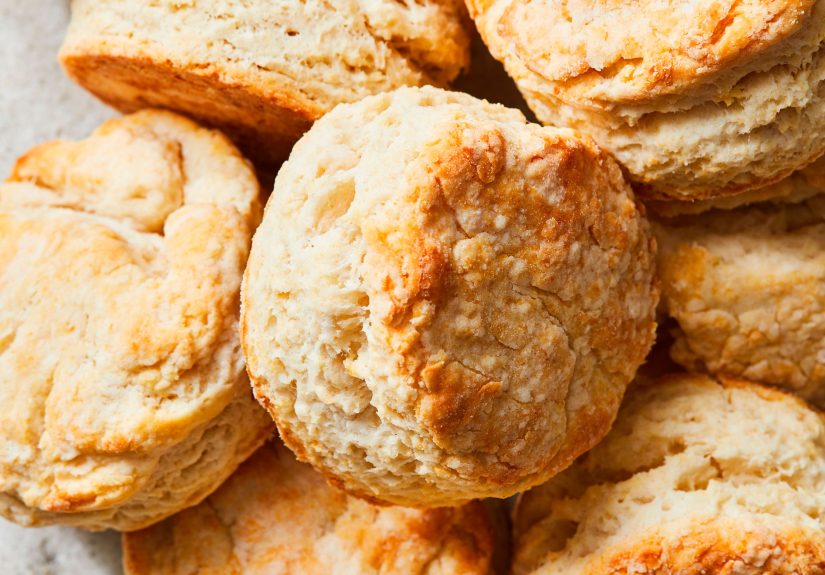
And when the tray comes out, the biscuits look almost too simple for the reaction they get. They are not glossy layer cakes. They are not decorated cupcakes. They are little golden domes with lightly craggy tops, and yet people treat them like treasure. Split one open while it is still warm and the inside looks soft, layered, and faintly steamy. Add butter and it vanishes instantly. Add jam and it becomes breakfast. Add fried chicken and suddenly you have lunch worth bragging about.
That is what makes this recipe memorable. It is practical enough for a weekday-for-dinner move and special enough for holidays, brunches, and family tables. It gives you something homemade without demanding a full emotional support team. Even the mistakes are forgiving. A slightly lopsided biscuit is still delicious. A scrappy rerolled biscuit is still welcome. In fact, the ugly one is often the one the baker eats first over the sink, which is a sacred culinary tradition.
Over time, recipes like this stop being “the biscuit recipe” and become your biscuit recipe. You learn whether you like buttermilk more than regular milk, whether square biscuits are easier than rounds, whether you want honey butter on top or pepper in the dough. The recipe becomes less of a script and more of a ritual. And that, more than anything, is why BHG’s best buttery biscuit recipe earns its reputation. It does not just make biscuits. It makes people feel like they know exactly what they are doingeven when they are still brushing flour off their shirt.
Conclusion
BHG’s best buttery biscuit recipe succeeds because it honors the fundamentals of biscuit baking while staying approachable for ordinary kitchens. The ingredients are familiar, the method is manageable, and the results feel a little grander than the effort required. That combination is hard to beat. If you want a flaky biscuit recipe that tastes deeply buttery, bakes up golden, and works for breakfast, brunch, or dinner, this is the kind of recipe worth bookmarking, memorizing, and defending at family gatherings.
Make them once for the technique. Make them twice for confidence. Make them a third time because someone in your house will absolutely ask.