Table of Contents >> Show >> Hide
- What is a blister, exactly?
- Why do blisters show up on hands?
- Hand blister treatment: what to do (and what to avoid)
- Step 1: Identify the “type” before you treat it like a DIY project
- If the blister is intact (not popped)
- If the blister already popped (or the roof tore)
- If it’s large and painful (and you’re tempted to pop it)
- If it’s a burn blister
- If the blisters are itchy and recurring (eczema/contact dermatitis)
- Signs of infection: when a blister needs medical attention
- How long do hand blisters take to heal?
- Prevention: how to stop hand blisters before they start
- Quick FAQ (because your hands are busy)
- Experiences that people commonly report (and what helps)
- Conclusion
Disclaimer: This article is for general education, not a diagnosis. If you’re unsure what’s causing your hand blistersor they’re severe, spreading, or infectedcheck in with a healthcare professional.
Your hands do a lot. They lift groceries, text novels, open “childproof” packaging (ha), and occasionally decide that a new shovel or dumbbell bar is their sworn enemy. When the skin gets irritated enough, it may respond with a blister: a small bubble of fluid that basically says, “Hi, I’m here to protect you… and also to be extremely annoying.”
This guide covers the most common causes of blisters on hands, how to treat them safely, what not to do (sorry, pin lovers), and practical ways to prevent themwithout turning your life into a full-time glove commercial.
What is a blister, exactly?
A blister is a fluid-filled pocket that forms in the upper layers of skin. It’s often caused by friction (repeated rubbing), heat (burns), chemicals, allergies/irritants, or certain skin conditions and infections. The fluidclear, cloudy, or sometimes bloodyacts like a cushion and a barrier while the skin underneath heals.
Blisters on hands are especially common because hand skin gets hit with a perfect storm: pressure, gripping, sweat, soaps, cleaning products, and “I’ll just do this one quick thing” decisions.
Why do blisters show up on hands?
1) Friction and pressure (the classic “new tool/new workout” blister)
These form when repeated rubbing separates skin layers. The body fills the space with fluid to reduce damage. Common triggers include:
- Weightlifting, rowing, pull-ups, kettlebells
- Gardening, raking, shoveling
- Using hand tools (screwdrivers, hammers, paint scrapers)
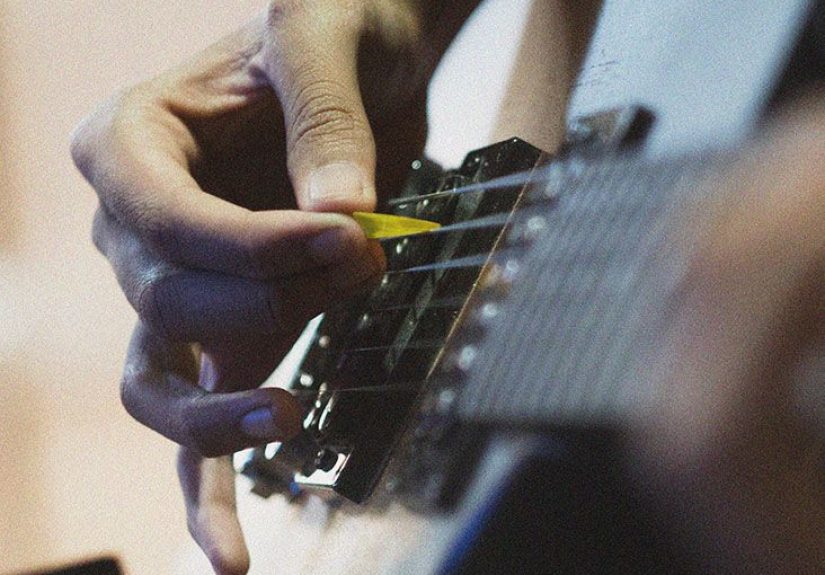
- Musical instruments (guitar, drums, violin)
- Sports grips (tennis, baseball, golf, climbing)
Clue it’s friction: the blister is usually on a high-contact spot (palms, fingertips, sides of fingers), and it shows up after repetitive activity.
2) Burns (heat or chemical)
Burn blisters can appear after contact with heat (hot pan handle, steam, curling iron) or chemicals (certain cleaners, solvents). Burn blisters can look similar to friction blisters, but the surrounding skin may be more red, painful, and sensitive.
Clue it’s a burn: it started after heat/chemical exposure, and the area feels hot, stings intensely, or looks more broadly red.
3) Dyshidrotic eczema (tiny itchy blisters that feel unfair)
Dyshidrotic eczema (also called dyshidrosis) can cause small, deep blistersoften described as “tapioca-like”on the sides of fingers, palms, and sometimes soles of feet. It tends to be very itchy and can flare with stress, sweaty hands, allergies, or irritants.
Clue it’s dyshidrotic eczema: intense itch + clusters of tiny blisters + recurring flares, often without a clear “I used a shovel for 3 hours” moment.
4) Contact dermatitis (irritant or allergic reactions)
Contact dermatitis happens when your skin reacts to something it touched. Irritant dermatitis is from harsh exposure (frequent handwashing, detergents, solvents). Allergic dermatitis is an immune reaction (for example, latex or certain ingredients in products).
Clue it’s contact dermatitis: redness, soreness, itching, or blisters after exposure to a product/substanceoften with a “pattern” (where the glove cuff hit, where soap pooled, etc.).
5) Viral causes (sometimes the “it’s not just a blister” category)
Some infections can cause hand blisters:
- Hand, foot, and mouth disease (HFMD): often includes fever, mouth sores, and a rash/blisters on hands and feet. It’s contagious and common in kids but can affect anyone.
- Herpetic whitlow: a painful viral infection near a fingernail (caused by herpes simplex virus). It can form grouped blisters and is contagious.
Clue it’s viral: you also feel sick (fever, sore throat), have mouth sores, or the blister cluster is extremely painful and close to the nail.
Hand blister treatment: what to do (and what to avoid)
Blister care depends on whether it’s intact, already open, burn-related, or linked to a skin condition. The big goals are simple: protect the skin barrier, reduce friction, keep it clean, and watch for infection.
Step 1: Identify the “type” before you treat it like a DIY project
- Friction blister? Protect, cushion, reduce rubbing.
- Burn blister? Cool appropriately and protectdon’t trap heat or break the blister.
- Itchy clusters that keep coming back? Consider eczema/contact dermatitis and treat the inflammation plus triggers.
- Very painful near nail or with fever/mouth sores? Think viral and get medical advice.
If the blister is intact (not popped)
In many cases, the best move is also the hardest: leave it alone. The blister “roof” (the skin over it) is your built-in bandage and helps reduce infection risk.
- Clean gently with soap and water; pat dry.
- Cover it with a protective bandage. For friction blisters, consider cushioning options (moleskin-style padding, hydrocolloid blister bandages, or a soft gauze pad taped in place).
- Reduce friction/pressuremodify your grip, pause the activity, or wear gloves.
Pro tip: If it’s on a grip-heavy area (like the base of your fingers), padding works best when it reduces rubbing. Think “shield,” not “tape that becomes sandpaper.”
If the blister already popped (or the roof tore)
Once it’s open, infection prevention becomes priority #1.
- Wash with soap and water.
- Don’t rip off the remaining roof unless it’s dirty, jagged, or already detached. That skin can still protect the raw area underneath.
- Apply a thin layer of petroleum jelly to keep the wound moist (this helps healing).
- Cover with a nonstick dressing and change it daily (or when wet/dirty).
If the area is weeping a lot or you’re working with your hands all day, you may need to change the dressing more often. Moisture is good for healingdirty moisture is not.
If it’s large and painful (and you’re tempted to pop it)
Sometimes a big blister makes normal life impossibletyping, gripping a steering wheel, or holding a toothbrush suddenly feels like an Olympic event. In general, medical guidance often recommends leaving blisters intact when possible. If you truly can’t function, consider having a clinician handle it safelyespecially if you have diabetes, poor circulation, immune issues, or frequent infections.
If you do end up draining a friction blister at home, the safer approach is to drain the fluid while keeping the roof in place (so you still have that protective cover). Keep everything very clean and stop if you’re unsure. If you notice increasing pain, warmth, redness spreading, or pus, seek care.
If it’s a burn blister
Burn blisters are protective. For minor burns, first aid typically emphasizes cooling the burn (appropriately), protecting the area, and not breaking blisters. Avoid home “hacks” that can worsen injury (for example, butter or oils that trap heat).
- Cool the burn with cool (not icy) water for several minutes.
- Remove rings/jewelry early if swelling is likely.
- Keep it clean, covered, and protected.
- Seek care if the burn is large, deep, very painful, on joints, or shows infection signs.
If the blisters are itchy and recurring (eczema/contact dermatitis)
If your “blisters on hands” come with intense itch, dry scaling, or repeated flares, treat it like a skin inflammation problemnot a one-off bubble.
- Go gentle: Use fragrance-free cleanser, lukewarm water, and avoid harsh scrubs.
- Moisturize strategically: Thick, fragrance-free creams/ointments after washing and before bed can help restore the skin barrier.
- Reduce triggers: sweat, stress, metals (like nickel), irritating soaps, cleaning chemicals, or frequent wet-work.
- OTC help: Mild hydrocortisone may reduce inflammation for minor flares, but persistent dyshidrotic eczema often needs professional guidance and prescription options.
If you suspect an allergic trigger (for example, a new glove material, a product ingredient, or a metal exposure), a clinician can help with diagnosis and, when needed, allergy/patch testing.
Signs of infection: when a blister needs medical attention
Most hand blisters heal fine with basic care. But get medical help if you notice:
- Redness that spreads outward, increasing warmth, swelling, or worsening pain
- Pus, cloudy drainage, or a bad odor
- Red streaks or fever
- A blister that doesn’t improve over time or keeps coming back
- You have diabetes, poor circulation, immune suppression, or frequent infections
- Blisters plus mouth sores/fever (possible viral illness)
- Very painful clustered blisters near the nail (possible herpetic whitlowdo not drain)
Infections on hands matter because hands are busy, exposed, and full of small structures (tendons, joints) that you really want to keep happy.
How long do hand blisters take to heal?
Simple friction blisters often improve over several days and heal fully in about 1–2 weeks, depending on size and whether they stay protected. Burn blisters may take longer depending on burn depth. Eczema-related blisters can flare and calm in cycles and often improve when triggers are controlled and inflammation is treated.
Prevention: how to stop hand blisters before they start
Blister prevention is less about becoming a bubble-wrap person and more about reducing friction, heat, and irritationconsistently.
Prevent friction blisters (gym, tools, sports, instruments)
- Use gloves when gripping rough tools or doing repetitive work. For weight training, consider well-fitted training gloves or gripsespecially during high-volume sessions.
- Tape hot spots early. The best time to protect skin is when you feel that “warm rub” sensationbefore fluid shows up.
- Keep hands dry (but not desert-dry). Sweat increases friction; overly dry, cracked skin tears easily. Chalk (for lifting/climbing) can help some people; moisturizer helps otherstest what works for your skin.
- Break in new gear gradually. New racket grip? New shovel handle? New pull-up bar texture? Start with shorter sessions so skin adapts.
- Check your grip. Death-gripping a bar often increases friction. A coach/trainer can help you adjust hand placement to reduce shear forces.
Prevent irritant/contact dermatitis (the “my hands hate soap now” problem)
- Switch to fragrance-free, gentle cleansers and avoid super-hot water.
- Moisturize after washing every time you canthink of it as restoring your skin barrier.
- Wear protective gloves for cleaning and dishwashing. If you sweat inside gloves, consider cotton glove liners under protective gloves.
- Rinse and dry thoroughly after exposure to irritants; trapped moisture can worsen skin breakdown.
- Read product labels if you’re sensitivefragrances and preservatives are common culprits.
Prevent dyshidrotic eczema flares
- Control sweat and heat (take breaks, dry hands, breathable gloves when possible).
- Manage stressnot because stress is “all in your head,” but because your skin can absolutely respond to it like a drama queen.
- Keep a simple trigger diary for a few weeks: new products, new metals, intense sweating days, travel, seasonal dryness.
- Build a barrier routine: gentle wash + thick moisturizer + protective gloves for wet work.
Prevent viral spread (HFMD and herpetic whitlow)
- Handwashing matters, especially around kids and shared surfaces.
- Avoid touching blisters and keep any open lesions covered.
- Don’t share towels, utensils, or personal items during active symptoms.
- If you suspect herpetic whitlow, avoid popping or draining and seek medical advicethis helps reduce spread and may speed recovery with antivirals.
Quick FAQ (because your hands are busy)
Should I pop a blister on my hand?
Usually, no. The blister roof protects the skin underneath and reduces infection risk. If it breaks on its own, keep it clean, use petroleum jelly, and cover it with a nonstick dressing.
What if it’s a blood blister?
Blood blisters are usually from pinching or stronger friction that breaks small blood vessels. Treat them like other blisters: protect, keep clean, avoid popping, and monitor for infection. Seek care if it’s very painful, huge, or you don’t know what caused it.
Do blister bandages actually work?
They canespecially hydrocolloid blister bandages, which cushion and protect while maintaining a moist healing environment. Just make sure the area is clean before applying, and replace it if it loosens or gets dirty.
When should I worry that it’s not a simple blister?
If blisters are widespread, recurring, very itchy with scaling (eczema), intensely painful near the nail (possible herpetic whitlow), or paired with fever/mouth sores (possible HFMD), it’s time to get medical guidance.
Experiences that people commonly report (and what helps)
(This section shares real-world patterns many people experience with hand blisters. Use it to recognize what’s happening and choose safer care.)
The “new gym era” blister: A lot of people get hand blisters right when they start lifting consistentlyespecially pulling movements (deadlifts, pull-ups, rows). The first week feels great, the second week brings “mysterious palm bubbles,” and by week three you’re Googling “how to hold a bar without my hands filing a complaint.” What helps most is changing the timeline: instead of forcing your hands to adapt overnight, cut volume for a week and add protection early. Many lifters swear that taping a hot spot before it becomes a blister is the single biggest difference-maker. Others find that adjusting gripletting the bar sit closer to the base of fingers rather than deep in the palmreduces the skin pinching that triggers blisters.
The “weekend warrior” tool blister: Gardening or DIY projects are famous for the “I did this for 6 hours straight” blister. A common story: raking leaves, shoveling, or sanding starts out fine, then suddenly the handle feels like it’s made of betrayal. People often notice a warm, tender patch before the blister forms. The best prevention move is almost boring: gloves that fit well, plus breaks long enough to let sweat dry and pressure points reset. If you already have a blister, people tend to heal faster when they stop re-injuring itcover it, cushion it, and avoid repeating the exact same friction pattern the next day.
The “my hands are always washed” rash-blister combo: Students, food service workers, healthcare workers, and anyone who washes hands constantly often describe skin that goes from dry → cracked → irritated → blistery. The surprise is that over-cleaning can weaken the barrier so much that tiny blisters show up even without heavy friction. People report improvement when they switch to fragrance-free products, use lukewarm water, and moisturize right after washing (even a small amount, consistently). For cleaning jobs, many find cotton glove liners reduce sweat and irritation under protective gloves.
The itchy “tapioca” blisters that keep returning: People with dyshidrotic eczema often describe the itch as the worst partsometimes the itch shows up before the blisters. Flares can happen during stressful weeks, hot weather, or when hands stay damp. Commonly reported “wins” include: a simple skin routine (gentle wash + thick moisturizer), avoiding harsh products, and seeing a clinician when OTC options aren’t enough. Many learn their triggers over time (certain soaps, glove materials, metals, or heavy sweating) and build small habits that prevent bigger flares.
The “pain near the nail that feels different” blister: Herpetic whitlow stories often sound like, “I thought it was a hangnail… then it got intensely painful.” The blisters may cluster near the nail and feel more painful than typical friction blisters. People are often tempted to drain it because it looks like it should helpbut that can make things worse and spread the virus. The safer move is to keep it covered and get medical advice, especially early on.
The kid-in-school surprise: HFMD can show up in families as “the daycare bug that found everyone.” People often describe fever, then mouth discomfort, then a rash/blistery situation on hands and feet. It’s usually self-limited, but the experience is that hydration and comfort measures matterespecially because mouth sores can make drinking unpleasant. Hygiene steps (handwashing, disinfecting surfaces, not sharing cups) are what families say helps reduce spread.
Across these scenarios, the consistent theme is: blisters are usually your skin trying to protect you. When you protect the blister backby reducing friction/irritation, keeping it clean, and watching for infectionit typically returns the favor by healing.
Conclusion
Blisters on hands are common, and most heal well with basic care: keep the blister roof intact when possible, clean and cover open blisters, reduce friction, and watch for infection. The tricky part is recognizing when a “simple blister” is actually a burn blister, eczema flare, contact dermatitis reaction, or viral infection like HFMD or herpetic whitlow. When in doubtespecially with spreading redness, pus, fever, severe pain, or repeated outbreaksget medical guidance. Your hands have enough jobs already; they don’t need to become a medical mystery, too.