Table of Contents >> Show >> Hide
- What Counts as a Brain Disease, Disorder, or Condition?
- Common Brain Diseases and What They Do
- Symptoms You Should Never Ignore
- How Doctors Diagnose Brain Disorders
- Treatment and Management
- Can Brain Disorders Be Prevented?
- The Human Side: Real-World Experiences With Brain Diseases, Disorders, & Conditions
- Conclusion
Your brain is the ultimate control room. It manages memory, movement, speech, mood, balance, sleep, breathing, and all the quiet background tasks that keep you functioning like a reasonably organized human. So when something affects the brain, the results can range from mildly disruptive to life-altering. One day it is a nagging tremor. Another day it is a seizure, memory loss, confusion, or sudden weakness that turns into a medical emergency.
That is why the topic of brain diseases, disorders, and conditions matters so much. This broad category includes degenerative illnesses like Alzheimer’s disease and Parkinson’s disease, emergencies like stroke, immune-related conditions like multiple sclerosis, seizure disorders such as epilepsy, infections like meningitis, structural problems such as brain tumors, and functional conditions that change how brain networks work even when scans look normal.
In other words, this is not one tidy box. It is a giant shelf of health issues that affect the body’s command center. The good news is that medicine has better tools than ever to diagnose, treat, and manage many of these conditions. The earlier people recognize symptoms and get proper care, the better the odds of protecting brain health and quality of life.
What Counts as a Brain Disease, Disorder, or Condition?
The phrase sounds simple, but it covers a huge range of problems. Some conditions damage brain cells over time. Some interrupt blood flow. Some trigger abnormal electrical activity. Others are caused by inflammation, infection, trauma, genetics, tumors, or immune system mistakes. Many of them overlap in symptoms, which is one reason brain disorders can be tricky to sort out.
Major categories include:
- Neurodegenerative diseases: Conditions that gradually damage or destroy nerve cells, such as Alzheimer’s disease and Parkinson’s disease.
- Cerebrovascular disorders: Problems involving blood vessels in the brain, including stroke and aneurysm-related events.
- Seizure disorders: Conditions such as epilepsy, where abnormal electrical activity in the brain causes recurring seizures.
- Inflammatory and autoimmune conditions: Disorders like multiple sclerosis, where the immune system attacks parts of the central nervous system.
- Infections: Illnesses such as meningitis or encephalitis that inflame tissues surrounding or inside the brain.
- Structural conditions: Brain tumors, hydrocephalus, traumatic injuries, and other physical abnormalities.
- Functional disorders: Conditions like functional neurological disorder, where the problem lies in how brain networks function rather than a clear structural lesion.
This variety explains why there is no one-size-fits-all “brain disease treatment plan.” Two people may both say, “Something is wrong with my brain,” yet one needs emergency stroke care while the other needs neuropsychological testing, anti-seizure medication, immunotherapy, surgery, rehabilitation, or counseling support. The brain loves complexity. Very on-brand of it.
Common Brain Diseases and What They Do
Alzheimer’s Disease and Other Dementias
Alzheimer’s disease is the most common cause of dementia. It gradually affects memory, reasoning, language, and the ability to perform everyday tasks. In the early stages, a person may forget recent conversations, repeat questions, lose track of appointments, or struggle with planning. Over time, symptoms can interfere with dressing, eating, walking, and recognizing loved ones.
Not all dementia is Alzheimer’s disease. Other forms include vascular dementia, dementia with Lewy bodies, and frontotemporal dementia. These conditions can look different depending on which parts of the brain are most affected. Some begin with behavior changes, others with movement problems, and others with trouble organizing thoughts. What they share is a decline in cognitive function serious enough to affect daily life.
Stroke
Stroke is one of the clearest examples of why sudden brain symptoms should never be brushed off. It happens when blood flow to part of the brain is blocked or when a blood vessel bursts. Brain tissue can become damaged within minutes, which is why stroke is a true medical emergency.
Classic warning signs include sudden facial droop, arm weakness, numbness on one side, speech trouble, vision changes, severe headache, dizziness, or loss of balance. Fast treatment can reduce disability and save brain function. Waiting it out because “maybe it’s just stress” is a terrible game plan.
Epilepsy and Seizures
Seizures happen when there is a sudden burst of abnormal electrical activity in the brain. They do not always look like dramatic convulsions. Some seizures cause staring spells, confusion, brief loss of awareness, unusual sensations, or repetitive movements. Epilepsy is usually diagnosed when a person has recurring unprovoked seizures.
Seizures may be related to genetics, brain injury, infection, stroke, tumors, immune conditions, or unknown causes. Proper diagnosis matters because not every fainting spell or blank stare is epilepsy, and not every seizure looks the same. Treatment often includes anti-seizure medication, but some people may also need surgery, devices, dietary therapy, or treatment of the underlying cause.
Parkinson’s Disease
Parkinson’s disease is a progressive neurological disorder that affects movement, but it is not only about tremors. People may develop stiffness, slowed movement, poor balance, changes in speech, sleep problems, constipation, mood symptoms, and cognitive changes. In many cases, symptoms build gradually, which can make them easy to dismiss at first.
Because Parkinson’s affects brain circuits involved in movement control, everyday tasks may become slower and harder. Buttoning a shirt can start to feel like an engineering project. Still, treatment, exercise, physical therapy, occupational therapy, speech therapy, and medication can make a meaningful difference for many people.
Multiple Sclerosis
Multiple sclerosis, or MS, is an autoimmune disease affecting the brain and spinal cord. The immune system attacks myelin, the protective covering around nerve fibers, which disrupts communication between the brain and the rest of the body. Symptoms can come and go or steadily worsen, depending on the type of MS.
Common symptoms include numbness, tingling, pain, balance problems, weakness, vision issues, fatigue, and bladder problems. Since MS can affect many different parts of the central nervous system, it can wear many disguises. That is why diagnosis often involves MRI scans, neurological exams, and a close review of symptom patterns over time.
Brain Tumors
Brain tumors can be benign or malignant, primary or metastatic, slow-growing or aggressive. Symptoms depend heavily on location, size, and pressure on surrounding tissue. A tumor affecting language areas may cause speech difficulty. One near the visual system may change eyesight. Another may trigger headaches, nausea, seizures, personality changes, or weakness on one side of the body.
Treatment can include surgery, radiation therapy, chemotherapy, targeted therapy, observation, or a combination of approaches. The treatment plan depends on tumor type, grade, location, and the patient’s overall health. In brain medicine, location is everything. Real estate matters here more than ever.
Meningitis and Other Brain Infections
Meningitis is inflammation of the protective lining around the brain and spinal cord. It can be caused by bacteria, viruses, fungi, or, more rarely, other organisms. Bacterial meningitis is especially urgent and can become life-threatening quickly.
Symptoms often include fever, headache, stiff neck, nausea, vomiting, sensitivity to light, and confusion. Some people also develop a rash, seizures, or altered mental status. These are not “drink some water and see how you feel tomorrow” symptoms. Brain infections require prompt medical evaluation.
Functional Neurological Disorder
Functional neurological disorder, or FND, sits at an important intersection of brain science and lived experience. People with FND can have very real symptoms such as weakness, tremor, gait problems, non-epileptic seizures, speech changes, or sensory issues. The problem is related to how brain networks function, not simply a structural lesion visible on a scan.
That distinction matters because patients are sometimes misunderstood. FND is not “made up,” laziness, or a character flaw wearing a lab coat. It is a recognized neurological condition that can improve with the right diagnosis, education, physical therapy, psychological support, and symptom-specific treatment.
Symptoms You Should Never Ignore
Brain conditions can begin gradually or hit like a lightning bolt. Either way, certain warning signs deserve urgent medical attention:
- Sudden weakness, numbness, facial drooping, or speech trouble
- New seizures or unexplained loss of consciousness
- Sudden severe headache unlike usual headaches
- Confusion, altered behavior, or extreme sleepiness
- Vision loss, double vision, or sudden balance problems
- Persistent vomiting with neurological symptoms
- Fever with stiff neck, severe headache, or confusion
- Rapidly worsening memory or personality changes
Some brain symptoms are subtle, too. Repeated falls, increasing forgetfulness, word-finding trouble, tremor, clumsiness, or “spacing out” episodes may not be dramatic, but they still deserve a medical evaluation, especially when they are new, persistent, or getting worse.
How Doctors Diagnose Brain Disorders
Diagnosing brain diseases is part detective work, part technology, and part listening carefully to what patients and families notice. A good evaluation often starts with a detailed history. When did symptoms begin? Are they sudden or gradual? Do they happen in episodes? Have there been infections, injuries, medication changes, or a family history of neurological disease?
From there, doctors may use several tools:
- Neurological examination: Tests strength, coordination, reflexes, balance, sensation, speech, memory, and eye movements.
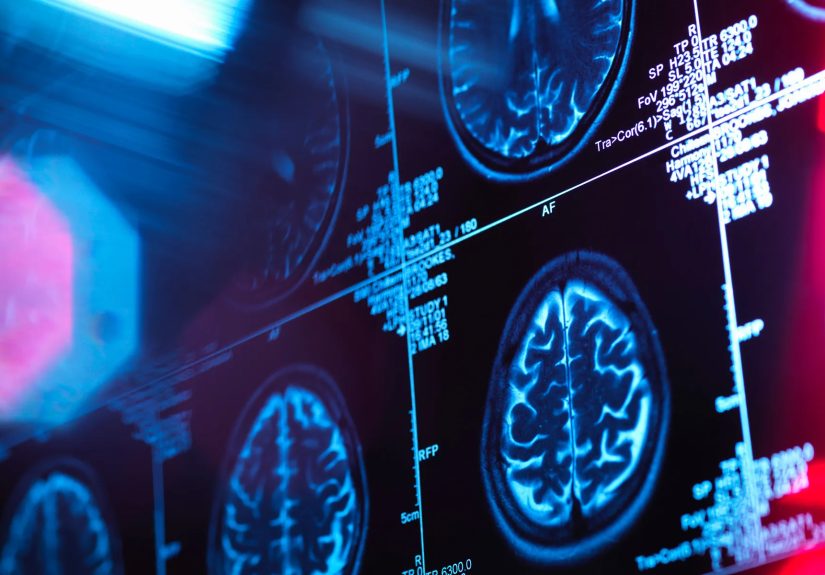
- Imaging: CT and MRI scans help identify bleeding, stroke, tumors, inflammation, lesions, or structural changes.
- EEG: Records electrical activity in the brain and is especially useful in seizure evaluation.
- Blood tests: Can help identify infections, autoimmune clues, metabolic issues, or vitamin deficiencies.
- Lumbar puncture: May be used when doctors suspect infection, inflammation, or certain immune disorders.
- Neuropsychological testing: Helps measure memory, reasoning, attention, language, and executive function.
One reason diagnosis can take time is that many brain conditions share overlapping symptoms. Fatigue, brain fog, dizziness, confusion, tremor, and headaches show up in more than one disorder. That is why self-diagnosing through late-night internet doom scrolling is rarely the hero of the story.
Treatment and Management
Treatment depends entirely on the cause. Stroke may require clot-busting medication or emergency procedures. Epilepsy may improve with anti-seizure medicine. Parkinson’s disease often involves medications that support dopamine-related function. MS treatment can include disease-modifying therapies that reduce attacks and slow progression. Brain tumors may need surgery, radiation, chemotherapy, or targeted treatment. Meningitis may require urgent antibiotics or other infection-specific care.
But treatment is not only about medication or procedures. Brain disorders often require a team approach that may include neurologists, neurosurgeons, psychiatrists, rehabilitation specialists, speech-language pathologists, physical therapists, occupational therapists, social workers, and caregivers. Sometimes the most meaningful gains come from rehab, adaptive tools, home safety changes, and routines that help people stay independent longer.
Long-term management may focus on symptom control, preventing complications, improving function, and protecting quality of life. For some conditions, cure is possible. For others, the goal is control, adaptation, and slowing progression. That still counts as real progress.
Can Brain Disorders Be Prevented?
Not every brain disease is preventable. Genetics, age, random cell changes, and immune dysfunction all play a role in many conditions. Still, some risk reduction strategies are powerful. Managing blood pressure, diabetes, cholesterol, and smoking risk can help lower stroke risk. Wearing helmets and seat belts helps protect against traumatic brain injury. Staying physically active, sleeping well, and controlling cardiovascular risk factors may support long-term brain health. Vaccination can reduce the risk of certain infections that may lead to meningitis or other neurological complications.
For dementia, there is no guaranteed prevention formula, but research continues to support the importance of heart health, physical activity, social engagement, and management of chronic disease. What helps the heart often helps the brain, which is convenient because the body clearly enjoys bundling responsibilities.
The Human Side: Real-World Experiences With Brain Diseases, Disorders, & Conditions
Medical definitions explain what a condition does to the brain. They do not fully explain what it feels like to live through it. That experience is often messy, tiring, emotional, and deeply personal. Many people describe the first phase as confusion. Something feels off, but it is hard to prove. A parent starts repeating stories. A teenager has staring episodes teachers mistake for daydreaming. An adult notices tremor, balance trouble, or memory lapses and wonders whether stress is the culprit. Families often spend months connecting dots before they have a name for what is happening.
Once a diagnosis arrives, the next experience is often information overload. Suddenly there are scans, appointments, medications, insurance questions, new vocabulary, and a thousand tabs open in the patient portal. Some people feel relief because the symptoms finally make sense. Others feel fear, grief, anger, or all three before lunch. Brain disorders can affect identity in a way other illnesses sometimes do not. A person may ask, “If my memory, speech, movement, or mood is changing, am I still me?” That question lands heavily for patients and families alike.
Daily life can change in practical ways that sound small on paper but feel enormous in real life. Driving may no longer be safe. Work tasks may take twice as long. Noise and crowds may become exhausting. A once-simple grocery trip can turn into a strategy event involving lists, rest breaks, and backup plans. Caregivers also carry a major burden. They often manage appointments, medications, mobility, household tasks, and emotional support while quietly grieving the changes in someone they love.
At the same time, many people build new routines and discover forms of resilience they never expected. Someone with epilepsy may learn trigger management and regain confidence. A person with Parkinson’s may thrive in exercise-based therapy. A family coping with dementia may create memory aids, simplify daily routines, and learn how to communicate with more patience and less correction. People with MS or FND often talk about the value of being believed, educated, and treated as active partners in care rather than mysterious puzzles in a clinic room.
Perhaps the most important shared experience is this: progress does not always look dramatic. Sometimes victory is one week without falls, a medication adjustment that reduces seizures, a successful physical therapy milestone, a calmer morning routine, or a loved one feeling seen instead of dismissed. Brain disorders can take away predictability, but they do not erase dignity, humor, connection, or hope. Those things still belong to patients and families, even on the hardest days.
Conclusion
Brain diseases, disorders, and conditions are not a single illness but a broad group of neurological problems that can affect memory, movement, sensation, mood, behavior, and survival itself. Some develop slowly over years, while others require emergency care within minutes. The most important takeaways are simple: know the warning signs, take new neurological symptoms seriously, and do not assume every brain-related symptom will look dramatic.
From Alzheimer’s disease and Parkinson’s disease to stroke, epilepsy, multiple sclerosis, meningitis, brain tumors, and functional neurological disorder, these conditions differ in cause and treatment, but they all remind us of how central the brain is to daily life. With faster diagnosis, better therapies, rehabilitation, and informed support, many people can manage symptoms, preserve independence, and improve quality of life. When it comes to brain health, early attention is rarely wasted.