Table of Contents >> Show >> Hide
- Why C-Section Underwear Matters More Than You Think
- What Is C-Section Underwear, Exactly?
- Best Features to Look For in C-Section Underwear
- Disposable vs. Reusable C-Section Underwear
- How Many Pairs Do You Need?
- What to Avoid After a C-Section
- When Can You Start Wearing C-Section Underwear?
- How C-Section Underwear Fits Into Overall Recovery
- When to Call Your Doctor Instead of Shopping for Better Underwear
- Quick C-Section Underwear Shopping Checklist
- Common Experiences With C-Section Underwear (Extended 500-Word Experience Section)
- Final Thoughts
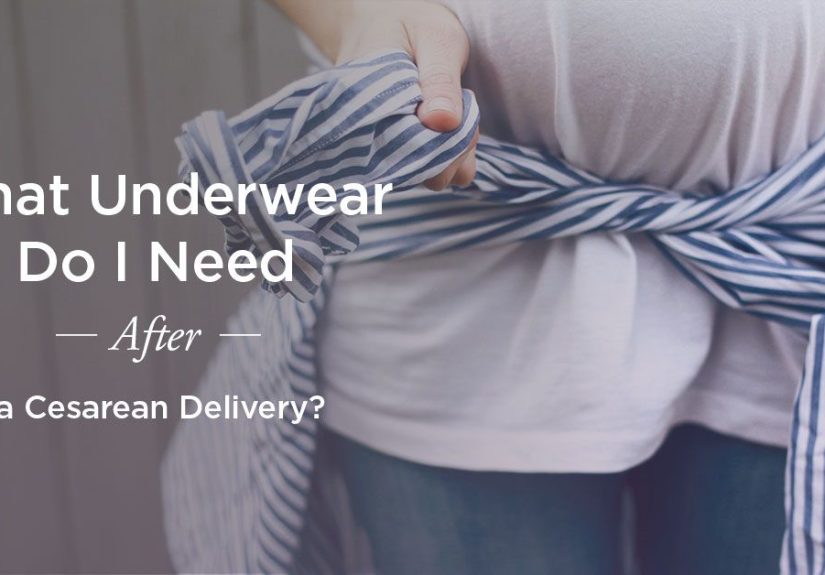
Let’s talk about something nobody puts on the baby registry mood board but absolutely deserves a spotlight: C-section underwear. After a cesarean birth, your body is healing from major abdominal surgery and adjusting to postpartum life (sleep deprivation, feeding schedules, mystery stains, the whole thing). The right underwear won’t magically make recovery effortless, but it can make a very real difference in comfort, incision protection, and day-to-day sanity.
If you’ve ever looked at a drawer full of cute low-rise underwear and thought, “Not today, tiny waistband,” you are not alone. This guide breaks down what C-section underwear is, what features actually matter, what to avoid, and how to choose options that support healing without feeling like medieval armor.
Important note: This article is for general education and comfort planning. Always follow your OB-GYN, midwife, or surgeon’s instructions for your specific recovery.
Why C-Section Underwear Matters More Than You Think
After a C-section, your incision area may feel tender, swollen, numb, itchy, or oddly sensitive (sometimes all before lunch). Standard underwear can rub directly against the incision line, trap moisture, or squeeze your abdomen in ways that make standing, walking, coughing, or laughing feel worse.
Postpartum underwear for C-section recovery is designed to reduce friction, sit above the incision, and accommodate postpartum bleeding (lochia), swelling, and body changes. In other words, it’s less about “shapewear” and more about “please do not poke my healing abdomen.”
What your underwear needs to work with during recovery
- A healing abdominal incision that may be sore and sensitive for weeks.
- Postpartum bleeding (lochia), which can continue for several weeks after birth.
- Belly swelling and tenderness after surgery and delivery.
- Movement discomfort when sitting up, walking, or changing positions.
- Skin sensitivity from adhesive, friction, sweat, or hormonal changes.
What Is C-Section Underwear, Exactly?
C-section underwear is usually a type of high-waisted postpartum underwear made to sit comfortably above your incision while offering soft support. Some are disposable (great for the first days of bleeding and easy cleanup), while others are reusable (better for comfort, breathability, and longer-term wear).
Some styles also include features like light compression, extra-stretch fabric, or even pockets for cooling/heating packs. That last one may sound fancy, but when you’re sore and tired, it can feel like elite-level engineering.
Best Features to Look For in C-Section Underwear
1) A high waist that clears the incision
This is the big one. A waistband that sits well above the incision helps prevent rubbing and pressure. High-rise styles are often recommended because they avoid direct contact with the scar area and can feel more supportive for your abdomen during the early recovery weeks.
2) Soft, breathable fabric
Look for materials that feel gentle against sensitive skin and allow airflow. Common comfortable options include cotton blends, modal, bamboo blends, or soft microfiber. Breathability matters because warm, sweaty, irritated fabric near a healing incision is not a vibe.
3) Stretch without squeezing
“Supportive” should not mean “I can’t inhale.” Your abdomen may be swollen after surgery, and your size can fluctuate during the first few weeks. Choose underwear with enough stretch to move with your body without digging in or rolling down.
4) Space for postpartum pads
Even after a C-section, postpartum bleeding is normal. You’ll want underwear that can securely hold a pad and keep it in place. A full-coverage cut is usually more comfortable than skimpy styles during this stage.
5) Minimal seams around the incision area
Flat seams or seam-free front panels can reduce irritation. Pay special attention to where the waistband seam and side seams landtiny details can feel very big when your body is healing.
6) Easy on/easy off design
In the early days, bending, twisting, and tugging can be uncomfortable. Underwear that slides on easily and doesn’t require a wrestling match gets bonus points.
7) Optional gentle compression (with provider guidance)
Some people love light support because it helps them feel more secure when moving around. Others prefer a looser fit, especially in the first week or two. If you want compression, think gentle, not “vacuum-sealed.” If anything feels too tight, painful, or irritating, switch styles and ask your provider what’s appropriate for your recovery.
8) Optional hot/cold pack pocket
Some postpartum recovery underwear includes a pocket for heat or ice packs. This can be a useful comfort feature for soreness, swelling, or abdominal achesjust follow your provider’s advice and avoid placing anything directly on sensitive skin.
Disposable vs. Reusable C-Section Underwear
Disposable postpartum underwear
Best for: Hospital stay, first few days home, heavy bleeding days, low-laundry periods (which is basically postpartum in general).
- Convenient and low-maintenance
- Often stretchy and high-waisted
- Good backup when bleeding is heavier
- May be less breathable or less comfortable for extended wear
Reusable postpartum underwear
Best for: Ongoing recovery, daily comfort, better fabric feel, weeks 2–8 and beyond.
- Usually softer and more breathable
- More cost-effective over time
- Better fit options and materials
- Requires washing (which may or may not happen promptly when you have a newborn)
A practical plan for many parents: start with a few disposable pairs and then transition to reusable high-waisted postpartum underwear once you know what feels best on your incision and abdomen.
How Many Pairs Do You Need?
There’s no perfect number, but most people do better with more than they think. Postpartum bleeding, sweat, milk leaks, and surprise baby messes can all increase clothing changes.
A realistic starter stash
- Disposable: 5–10 pairs (or a small pack) for early recovery
- Reusable: 6–10 pairs of high-waisted postpartum underwear
- Pads: A mix of heavier and lighter absorbency options
Translation: you don’t need a boutique lingerie capsule. You need comfort, rotation, and enough clean pairs to survive a laundry delay.
What to Avoid After a C-Section
- Low-rise waistbands that hit the incision line
- Rough lace or scratchy elastic near the scar
- Tight shapewear unless your provider has specifically cleared it
- Thongs or minimal coverage styles while you still need pads and extra support
- Any underwear that rolls, pinches, or leaves deep marks
If a pair looks cute but makes you walk like a cautious penguin, it’s not your recovery underwear. It’s an enemy.
When Can You Start Wearing C-Section Underwear?
Usually, you’ll wear whatever is most comfortable immediately after birthoften hospital-provided mesh underwear or a disposable postpartum pair. From there, many people switch to reusable high-waisted C-section underwear once they’re home and want something softer and sturdier.
The key is simple: choose styles that don’t rub the incision, don’t trap moisture, and don’t feel tight. If your provider gave specific incision care instructions (dressings, tape, coverings, or timing), those instructions come first.
How C-Section Underwear Fits Into Overall Recovery
The right underwear supports comfort, but it’s only one piece of postpartum recovery. Healing after a cesarean also includes rest, gentle movement (like short walks), incision care, pain management, and watching for warning signs.
Recovery habits that make underwear work better
- Change underwear and pads regularly to stay dry and comfortable.
- Pat the incision area dry after showering (don’t scrub).
- Choose loose clothing over the underwear, especially in the first weeks.
- Use a pillow to support your abdomen when coughing or laughing if your provider recommends it.
- Ask for help with lifting, chores, and laundry while you heal.
When to Call Your Doctor Instead of Shopping for Better Underwear
Underwear can improve comfort, but it can’t fix a medical problem. Contact your healthcare provider promptly if you have symptoms such as increasing incision redness, swelling, pus or drainage, worsening pain, fever, foul-smelling discharge, very heavy bleeding, or concerning leg pain/swelling. If something feels off, trust that instinct and get checked.
Bottom line: comfort gear is helpful, but medical guidance is essential.
Quick C-Section Underwear Shopping Checklist
- ✅ High waist (well above incision)
- ✅ Soft, breathable fabric
- ✅ Stretchy but not tight
- ✅ Full coverage for pads
- ✅ Minimal irritating seams
- ✅ Easy to pull on/off
- ✅ Optional light support or hot/cold pocket if desired
- ✅ Multiple pairs for rotation
Common Experiences With C-Section Underwear (Extended 500-Word Experience Section)
One of the most common experiences people describe after a C-section is being surprised by how much their comfort depends on small thingslike where a waistband lands. Many parents say they assumed any “soft” underwear would be fine, only to realize that even a gentle elastic can feel sharp if it sits on or near the incision. A pair that rises just a few inches higher can completely change the day. That’s why so many people end up reaching for high-waisted postpartum underwear over and over, even if it wasn’t originally their style.
Another frequent experience is the “comfort over aesthetics” shift. Before birth, someone may buy trendy maternity or postpartum pieces and imagine feeling polished right away. Then recovery begins, and suddenly the favorite item is the giant, soft, practical pair that holds a pad securely and doesn’t move around. This is normal. In fact, it’s smart. The first few weeks after a cesarean are less about fashion and more about reducing friction, protecting a healing incision, and feeling stable enough to move, feed the baby, and rest whenever possible.
Many people also report that their preferences change week to week. In the first days, disposable mesh or disposable postpartum underwear may feel easiest because bleeding is heavier and laundry is not exactly the household priority. Later, reusable underwear often becomes the favorite because it feels softer, more breathable, and more “normal.” Some parents like gentle support early on; others can’t tolerate any compression until swelling and tenderness improve. It’s common to rotate between different styles depending on the time of day, activity level, and how the incision feels.
A very real experience that doesn’t get enough attention: skin sensitivity. Some people notice irritation from adhesive, sweat, or rough fabric, especially if they’re also dealing with hormonal changes and interrupted sleep. In those cases, the “best” C-section underwear is often the simplest onesoft fabric, flat seams, high rise, and no unnecessary details. Fancy trims, tight panels, or stiff waistbands tend to lose quickly in the postpartum comfort Olympics.
There’s also an emotional side to this topic. For some, putting on underwear that feels secure and comfortable can restore a little confidence during a time when the body feels unfamiliar. You may still look pregnant. You may feel swollen, sore, or exhausted. You may need help standing up one day and feel much stronger the next. Recovery is rarely linear. Having a few reliable pairs of C-section underwear can create a small but meaningful sense of controlone less thing to troubleshoot while caring for a newborn.
Finally, many parents say they wish someone had told them this sooner: if a pair hurts, irritates, rolls, or makes you dread getting dressed, you do not need to “tough it out.” Your body is healing from surgery. Comfortable postpartum underwear is not a luxury item in this seasonit’s a practical recovery tool. Give yourself permission to choose what feels good, even if it’s not glamorous. Your incision, your sleep-deprived future self, and probably your laundry pile will thank you.
Final Thoughts
Choosing the right C-section underwear is one of those postpartum decisions that seems small until you’re actually recoveringand then it becomes weirdly important. Prioritize a high waist, soft breathable fabric, room for pads, and a fit that supports you without squeezing. Keep a few options on hand, because recovery is personal and your needs may change week by week.
Most importantly, be kind to yourself. Your body is doing a lot. Comfortable underwear won’t do the healing for you, but it can make healing feel a little less like a contact sport.