Table of Contents >> Show >> Hide
- The quick answer: Yes, but it depends on the type
- Why people overuse eye drops (and why it’s not your fault)
- Meet the main types of eye drops (and how overuse can backfire)
- Your FAQf: Can eye drops be overused?
- How often can I use artificial tears?
- How do I tell if my drops have preservatives?
- What is rebound rednessreally?
- Can eye drops “make dry eye worse”?
- Can I use eye drops while wearing contacts?
- Is it okay to share eye drops with someone?
- Do eye drops expireand does it matter?
- Why do drops sting?
- Could I be using drops to hide a bigger issue?
- When should I see a doctor urgently?
- How to use eye drops safely (without turning it into a hobby)
- Bottom line
- Experiences: What overusing eye drops can look like in real life ()
Eye drops are the little superheroes of modern life. They swoop in when your eyes feel like two saltine crackers, when allergies turn you into a sneezing fountain, or when your coworker asks, “Are you okay?” because your eyes are crimson.
But even superheroes have limits. Yeseye drops can be overused, and what happens next depends on which drops you’re using and why you’re reaching for them. The tricky part is that “too much” doesn’t always mean “dangerous today.” Sometimes it means “quietly making things worse” or “masking a bigger problem.” (And your eyes are not fans of surprise plot twists.)
This guide breaks down the different types of drops, how overuse happens, what it can do, and how to use drops safelywithout turning your bathroom cabinet into a tiny pharmacy of regret.
The quick answer: Yes, but it depends on the type
Think of eye drops like beverages:
- Artificial tears are like waterusually safe, but some formulas (especially preserved ones) can get irritating if you chug them all day.
- Redness-relief “get the red out” drops are like espressohelpful in a pinch, but overdo it and you might pay for it later (hello, rebound redness).
- Allergy drops are like antihistaminessafe when used as directed, but not a free-for-all.
- Prescription drops (steroids, glaucoma meds, antibiotics) are like prescription-strength anythinguse exactly as instructed, because the side effects can be real.
Why people overuse eye drops (and why it’s not your fault)
Most “overuse” is accidental. Common triggers include:
- Screen time (reduced blinking dries the tear film)
- Dry indoor air (AC, heaters, airplane cabinsaka the Sahara with armrests)
- Allergies (itching can feel like a personal challenge)
- Contact lenses (dryness + irritation + lenses = drama)
- Chasing instant results (especially with redness-relievers)
The goal isn’t to shame your drops. It’s to match the right drop to the right problemand to know when your eyes are asking for more than a quick fix.
Meet the main types of eye drops (and how overuse can backfire)
1) Artificial tears (lubricating drops)
Best for: dry eye, gritty feeling, mild irritation from wind/screen time, occasional discomfort.
Artificial tears are generally the safest over-the-counter option, but there’s a big detail that matters: preservatives.
Preserved drops (often in multi-dose bottles) are convenient and perfectly fine for many people. However, frequent use can irritate the eye surfaceespecially if you’re using them four or more times a day, day after day. That irritation can feel like more dryness, more burning, and more “why are my eyes mad at me?”
Preservative-free drops (often single-use vials or special multi-dose bottles) are usually recommended if you need drops frequentlyespecially more than about four times dailyor if your eyes are sensitive.
How overuse shows up:
- Burning or stinging that gets worse with each dose
- Dryness that feels unchanged (or worse) despite constant drops
- Watery eyes (yesparadoxically, irritation can trigger reflex tearing)
- Redness that doesn’t match your “I just need moisture” theory
What to do instead: If you’re using preserved artificial tears several times daily, consider switching to preservative-free options and schedule an eye exam. Needing frequent drops can be a clue that something else is going onlike meibomian gland dysfunction (oil layer problems), blepharitis, allergies, or dry eye disease that needs targeted treatment.
2) Redness-relieving drops (ocular decongestants)
Best for: occasional redness from minor irritation (not infection, not injury, not “mystery red eye”).
These drops work by constricting blood vessels on the surface of your eye, so redness fades fast. The problem? Your eyes can rebound like a rubber band.
Rebound redness happens when the drop wears off and blood vessels dilate againsometimes becoming more noticeable than before. With repeated use, you can get stuck in a cycle: red → drops → less red → drops wear off → even redder → more drops. It’s like trying to fix a squeaky door by turning up the TV.
How overuse shows up:
- Redness returns quickly and looks worse than before
- You feel like you “need” the drop to look normal
- More frequent dosing over time to get the same effect
- Irritation, dryness, or burning underneath the “whiter” look
Smart rule of thumb: If you’re using redness-relief drops for more than a couple days in a row, stop and get evaluated. Persistent redness is a symptom, not a cosmetic inconvenience. It can signal dry eye, allergy, blepharitis, a contact lens issue, or an infection that needs real treatment.
What about newer redness drops? Some redness-relief products use different mechanisms and may be less likely to cause rebound redness than classic decongestants. Still, even “better” redness drops can mask a real problem. If you’re relying on them often, your eyes deserve an actual diagnosisbecause “covering it up” is not the same as “fixing it.”
3) Allergy eye drops
Best for: itchy, watery, allergy-related red eyes (especially seasonal allergies).
Allergy drops often contain antihistamines, mast cell stabilizers, or both. Many are designed for once- or twice-daily use. Used as directed, they’re generally safe and can reduce the itch that leads to rubbing (which is basically sandpaper for your eye surface).
Where people get into trouble:
- Using them far more often than directed because “itching keeps coming back”
- Using combo drops that include a redness reliever (which can bring rebound redness into the mix)
- Stacking multiple products without spacing doses, causing extra irritation
Better strategy: Use allergy drops as labeled, add preservative-free artificial tears for comfort if needed, and reduce exposure (wash hands, shower after outdoor time, consider a HEPA filter). If symptoms are constant, ask an eye care professional about longer-term options.
4) Prescription drops (steroids, antibiotics, glaucoma meds)
Best for: specific diagnosed conditions. These are not “use whenever” products.
Steroid eye drops can be extremely effective for inflammation, but overuse (or using them without supervision) can raise eye pressure and increase the risk of complications. They’re typically meant for short courses with follow-up.
Antibiotic drops should be used exactly as prescribed. Using them too often, too long, or “just in case” can irritate the eye and may contribute to resistance patterns over time.
Glaucoma drops are a different story: the danger is often underuse or inconsistent use. Don’t change glaucoma meds without your prescriberif side effects are bothering you, your doctor can adjust the plan.
Your FAQf: Can eye drops be overused?
How often can I use artificial tears?
For many people, artificial tears can be used a few times daily. If you need them frequently (especially many times every day), choose preservative-free options and get evaluated for the underlying cause. “I live on eye drops” is a symptom worth investigating.
How do I tell if my drops have preservatives?
Check the “inactive ingredients” or look for wording like “preservative-free.” Preservative-free drops are often packaged in single-use vials or specialty bottles. If the bottle is a standard multi-dose squeeze bottle and doesn’t say preservative-free, it probably contains a preservative.
What is rebound rednessreally?
It’s when redness-relief drops temporarily shrink surface blood vessels, but after the effect wears off, the vessels dilate againsometimes more than before. Frequent use can make redness persist and tempt you into using the drops more often.
Can eye drops “make dry eye worse”?
They can if the formula irritates your eye surface (often due to preservatives with frequent use) or if you’re using the wrong drop for the problem (like redness-relief drops when dryness is the real issue). Dry eye is often about tear qualitynot just tear quantityso “more liquid” isn’t always the complete fix.
Can I use eye drops while wearing contacts?
Only if the product is labeled safe for contact lenses. Some drops can bind to soft contacts or irritate eyes under a lens. When in doubt: remove lenses, use the drop, and wait as directed before reinserting. Also: redness and contacts don’t mixpersistent redness with lenses deserves a professional check.
Is it okay to share eye drops with someone?
No. Sharing spreads bacteria and viruses and increases infection risk. Eye drops are not chips and salsa.
Do eye drops expireand does it matter?
Yes and yes. Expired drops can be less effective and may increase infection risk. Also, some products have “discard after opening” guidance. If you can’t remember when you opened it and the bottle looks like it survived a move, it’s time to let it go.
Why do drops sting?
Occasional mild stinging can happen. But if it’s intense or persistent, the drop may be irritating your eye surface, you may be reacting to an ingredient, or your eye may already be inflamed. If stinging worsens with frequent use, switch products and consider an exam.
Could I be using drops to hide a bigger issue?
Sometimes, yesespecially with redness-relieving drops. Persistent redness, pain, light sensitivity, discharge, or blurry vision shouldn’t be “managed” indefinitely with OTC drops. That’s not self-care; that’s postponing the plot.
When should I see a doctor urgently?
Get prompt care if you have:
- Moderate to severe eye pain
- Sudden vision changes, halos, or significant blurred vision
- Light sensitivity that’s new or intense
- Thick discharge, eyelids stuck shut, or suspected infection
- Eye injury or chemical exposure
- Red eye while wearing contact lenses
How to use eye drops safely (without turning it into a hobby)
Technique matters more than people think
- Wash your hands first.
- Don’t touch the tip to your eye, lashes, or fingers.
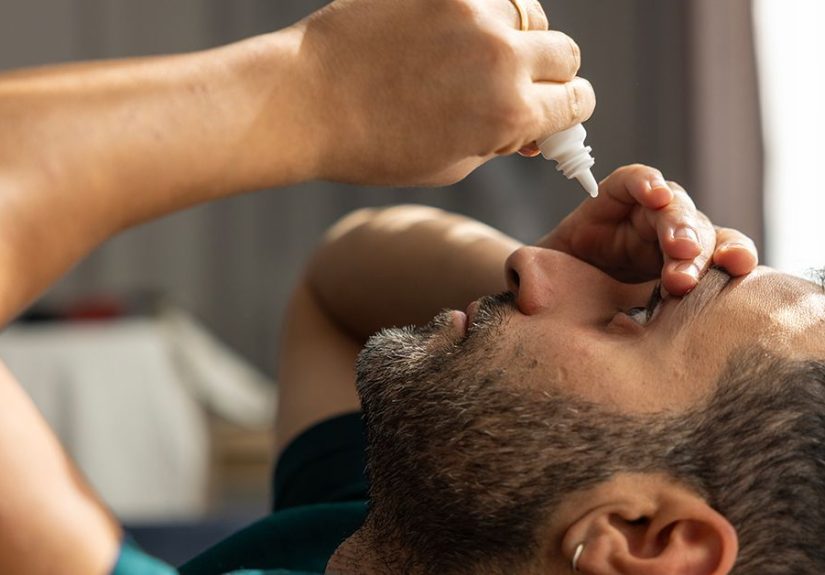
- Pull down the lower lid, place one drop, then gently close your eye.
- If you use multiple drops, wait 5–10 minutes between them.
- Store drops as directed, and keep caps clean and tightly closed.
Reduce the need for drops
- Screen breaks: try the 20-20-20 habit (every 20 minutes, look 20 feet away for 20 seconds).
- Blink on purpose: especially during focused work.
- Hydrate your environment: a humidifier can help in dry spaces.
- Warm compresses and lid hygiene can help if oil glands are part of the problem.
- Address allergies consistently instead of emergency-dosing every hour.
Bottom line
Yes, eye drops can be overusedmost commonly when people rely heavily on preserved artificial tears or use redness-relief drops repeatedly. Overuse can irritate the eye surface, cause rebound redness, or mask conditions that need proper diagnosis. If you need drops frequently, switch to preservative-free options (when appropriate) and let an eye care professional help you figure out the “why.” Your eyes are trying to communicate. You don’t have to decode the message alone.
Experiences: What overusing eye drops can look like in real life ()
Experience #1: The “I’m basically sponsored by artificial tears” phase. A remote worker starts using lubricating drops a couple times a day during winter. Then deadlines hit, screen time climbs, and soon they’re dosing every hour. At first, it feels helpfuluntil it doesn’t. The eyes start burning right after the drops, and the dryness returns faster than ever. The fix often isn’t “more drops,” but “different drops and a better plan.” Switching from preserved to preservative-free tears, adding screen breaks, and treating underlying lid inflammation can turn the cycle around. Many people are surprised to learn that frequent preserved drops can irritate the surface over time, making the eyes feel more reactive.
Experience #2: The redness drop spiral. Someone uses redness-relief drops before a big meeting because their eyes look tired. It worksinstantly. So they do it again the next day. Then the redness seems to show up faster and stronger, and now they’re carrying the bottle everywhere like a tiny fire extinguisher. This is classic rebound territory: the blood vessels keep “bouncing back,” and the eye stays irritated underneath the cosmetic improvement. When people stop the drops, they often notice the redness looks worse for a bitthen gradually settles as the surface calms down and the real cause (dryness, allergy, contact irritation, blepharitis) is addressed properly.
Experience #3: Allergy season chaos. A pollen-sensitive runner gets itchy eyes every afternoon. They rotate three different OTC productsone for itch, one for redness, one “extra strength” they found onlinewithout spacing doses or checking labels. The result is irritated, watery eyes that feel both dry and inflamed. When they simplifyusing a dedicated allergy drop as directed, adding preservative-free tears for comfort, washing pollen off lashes, and avoiding combo redness productsthe eyes calm down. The biggest “aha” is realizing that stacking drops can add irritation, especially if preservatives and decongestants sneak into the mix.
Experience #4: The contact lens warning sign. A contact lens wearer uses “moisture” drops constantly to get through long days. Eventually, lenses feel gritty by lunchtime, and the eyes look red after removal. This can be a signal that lenses are overdrying the surface or that the tear film is unstable. Many people find relief by changing lens material or wear time, using lens-compatible lubricating drops sparingly, and treating dry eye more comprehensively (warm compresses, lid care, preservative-free tears). Persistent redness with contacts is a strong reason to get checked, because infections and corneal irritation can escalate quickly.
Experience #5: The ‘I borrowed a steroid drop’ mistake. Someone uses a leftover steroid drop from a family member because their eye feels irritated. The redness eases, so they keep using it. This is risky: steroid drops can temporarily improve inflammation while quietly increasing eye pressure or worsening certain infections. The common lesson people share afterward is blunt but useful: prescription drops are targeted tools, not general-purpose solutions. If an eye is red, painful, light-sensitive, or repeatedly irritated, it’s worth getting the correct diagnosis instead of experimenting.