Table of Contents >> Show >> Hide
- What the Paleo Diet Actually Is (and What It’s Not)
- How Weight Loss Works (Even If You Never Touch a Caveman Club)
- What the Research Says About Paleo Diet Weight Loss
- Why Paleo Helps Some People Lose Weight (Without Feeling Like They’re Dieting)
- Why Paleo Can Be a Problem (Especially If You’re Trying to Lose Weight Safely)
- How to Do Paleo for Weight Loss Without Turning It Into a Cartoon
- A Simple 3-Day Paleo Meal Plan for Weight Loss (Realistic Edition)
- Who Should Be Careful With Paleo?
- Paleo vs. Other Weight-Loss Diets: What’s the Real Difference?
- So… Can the Paleo Diet Help You Lose Weight?
- Real-World Experiences: What It’s Like to Try Paleo for Weight Loss
- Conclusion
If “diet” makes you picture sad desk lunches and a lifelong feud with bread, the Paleo diet shows up with a different vibe:
Eat like a hunter-gatherer. Which sounds cool until you realize you still have to answer emails and can’t exactly
spear a salmon between Zoom meetings.
But here’s the real question behind the caveman branding: can the Paleo diet help you lose weight in the modern worldgrocery stores,
birthday cake, and all? The evidence says: often, yesespecially in the short term. The bigger question is whether it helps
you lose weight in a way that’s healthy, sustainable, and doesn’t turn you into the person who lectures friends about legumes at brunch.
What the Paleo Diet Actually Is (and What It’s Not)
The Paleo diet (a.k.a. “caveman diet”) is a way of eating built around whole, minimally processed foods.
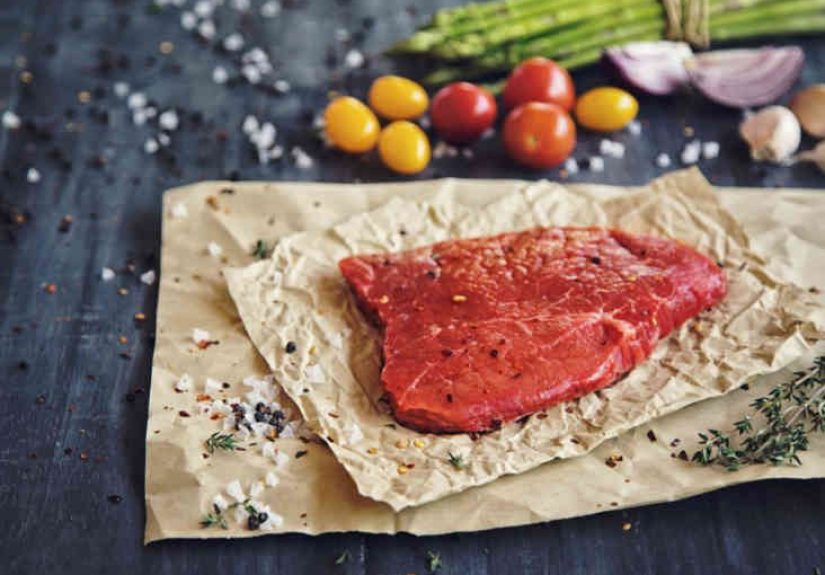
Most versions focus on foods that could be hunted, fished, or gatheredtranslated into modern terms: meat, seafood, eggs, vegetables,
fruit, nuts, seeds, and some healthy fats.
Foods you’ll eat a lot of
- Protein: chicken, turkey, lean beef, pork, fish, shellfish, eggs
- Vegetables: leafy greens, broccoli, peppers, carrots, asparagus, mushrooms
- Fruit: berries, apples, citrus, melons (usually in reasonable portions)
- Fats: olive oil, avocado, nuts, seeds
- Starches (depending on your version): sweet potatoes, squash, plantains
Foods you’ll usually avoid
- Grains: wheat, rice, oats, corn
- Legumes: beans, lentils, peanuts, soy
- Dairy: milk, yogurt, cheese (some people allow small amounts)
- Added sugar and ultra-processed foods: soda, candy, packaged snacks, most “desserts”
Important note: “Paleo” isn’t one single diet
There’s strict Paleo, “Paleo-ish,” and versions that lean lower-carb or higher-carb. Some people keep it simple:
protein + veggies + fruit. Others build a shrine to almond flour. Your results depend heavily on which version you followand how consistently.
How Weight Loss Works (Even If You Never Touch a Caveman Club)
Let’s get the unglamorous truth out of the way: fat loss requires a calorie deficitburning more energy than you take in.
Paleo isn’t magic. It’s a structure that can make a calorie deficit easier (or harder) depending on what you eat and how you live.
Why Paleo can create a calorie deficit without counting
- More protein: Protein is filling, helps preserve muscle during weight loss, and has a higher “thermic effect” (your body uses energy to digest it).
- More volume from produce: Vegetables add fiber and bulk for fewer calories.
- Fewer ultra-processed foods: When you remove chips, cookies, and sugary drinks, calories often drop fastwithout you feeling deprived 24/7.
- Less “decision fatigue”: Clear rules can reduce mindless eating (especially at night, when willpower is basically asleep).
But it can also backfire
If you replace bread and cereal with constant handfuls of nuts, coconut “treats,” and bacon-forward everything, you can absolutely
eat at maintenanceor surpluson Paleo. “Whole food” does not automatically mean “low-calorie.”
What the Research Says About Paleo Diet Weight Loss
Studies on Paleo-style diets often find modest weight loss and waist reductionespecially over the first few months.
Many trials compare Paleo to guideline-based diets (think heart-healthy patterns that include whole grains, legumes, and low-fat dairy).
Short-term: weight and waist often improve
In multiple clinical trials and evidence reviews, participants following a Paleo-style diet commonly lose weight and inches from the waistline,
particularly in the first 8–12 weeks. A lot of that benefit likely comes from improved food quality and reduced intake of refined carbs,
added sugars, and ultra-processed snacks.
Metabolic markers can improve too (sometimes)
Some studies report improvements in blood pressure, triglycerides, and measures of blood sugar regulation. That doesn’t mean Paleo is a
cure-allit means that eating mostly whole foods, boosting produce, and reducing added sugars tends to move the needle in a positive direction.
Long-term: the evidence gets thinner, and adherence becomes the boss fight
The biggest limitation is that long-term data is limited and many people struggle to stick with strict Paleo for a year or more.
When adherence drops, results usually drift, too. In plain English: the “best diet” is the one you can keep doing without becoming miserable
(or socially unavailable).
Why Paleo Helps Some People Lose Weight (Without Feeling Like They’re Dieting)
1) It naturally cuts out common calorie traps
Paleo removes many foods that are easy to overeat: refined grains, sugary drinks, packaged snack foods, and “just-one-more” desserts.
If your current diet is heavy on those, Paleo can create a dramatic before-and-after.
2) It pushes you toward protein-forward meals
A Paleo breakfast often looks like eggs, veggies, maybe fruitcompared to pastries or sweet cereal. That shift alone can reduce cravings later
in the day. Many people report fewer 3 p.m. snack emergencies.
3) It can stabilize appetite for some people
Higher protein plus high-fiber produce can increase satiety. That means you may feel satisfied on fewer calories without white-knuckling hunger
every afternoon.
Why Paleo Can Be a Problem (Especially If You’re Trying to Lose Weight Safely)
It’s restrictivesocially, culturally, and practically
Skipping grains, beans, and dairy can make meals out, family dinners, and travel tricky. Restrictive plans may also increase the risk of
an unhealthy relationship with food for some peopleespecially those with a history of dieting or disordered eating patterns.
Nutrient gaps are possible if you’re not careful
When you eliminate entire food groups, you may miss nutrients those foods provide. For example, many people rely on dairy for calcium and vitamin D,
and on whole grains and legumes for certain fibers and micronutrients. You can still meet your needs on Paleobut it requires intention,
not vibes.
“Paleo” can accidentally become high saturated fat
If Paleo turns into “meat and butter with a side of bacon,” your saturated fat intake may climb. Heart-health organizations generally recommend
patterns rich in fruits, vegetables, whole grains, legumes, nuts, and fishso a Paleo approach that minimizes plants or leans heavily on fatty
red meats may not match those recommendations.
Paleo junk food is still junk food (just more expensive)
Cookies made with almond flour and maple syrup are still cookies. They may be gluten-free and influencer-approved, but they can also be
calorie-dense and easy to overeat. Weight loss doesn’t care if your snack is “clean.”
How to Do Paleo for Weight Loss Without Turning It Into a Cartoon
Build meals with a simple plate formula
- Half your plate: non-starchy vegetables
- One palm-sized portion: lean protein
- One thumb of fat: olive oil, avocado, nuts/seeds (measured, not free-poured)
- Optional: a fist of starchy veggies or fruit if you’re active and it helps adherence
Choose “boring” proteins more often
For weight loss, leaner proteins are your friend: chicken breast, turkey, fish, shrimp, eggs (and egg whites if needed),
and lean cuts of meat. Save bacon and fatty cuts for “sometimes,” not “food group.”
Prioritize fiber on purpose
Without whole grains and beans, you’ll want to intentionally include fiber-rich produce: berries, apples, broccoli, Brussels sprouts,
leafy greens, carrots, and seeds like chia or flax (if you tolerate them). Fiber supports fullness and digestive comfortboth helpful for
staying consistent.
Make the plan fit your life, not the other way around
If strict Paleo makes you feel trapped, consider a “Paleo-ish” approach: keep the whole-food foundation, but allow strategic additions
like plain Greek yogurt, legumes, or oats if they help you stay consistent and feel good. Weight loss success usually comes from the plan
you can repeat, not the plan you can brag about for 10 days.
A Simple 3-Day Paleo Meal Plan for Weight Loss (Realistic Edition)
This is a template, not a commandment. Adjust portions to your hunger, body size, and activity level. If you’re hungry all the time,
your portion sizes are probably too small (or you need more protein and produce).
Day 1
- Breakfast: veggie scramble (eggs + spinach + mushrooms) with berries
- Lunch: big salad with grilled chicken, avocado, olive oil + lemon
- Dinner: salmon with roasted broccoli and sweet potato wedges
- Snack (optional): apple + a measured handful of almonds
Day 2
- Breakfast: omelet with peppers and onions; side of fruit
- Lunch: turkey lettuce wraps with tomato, cucumber, and salsa
- Dinner: shrimp stir-fry with mixed vegetables (use olive or avocado oil)
- Snack (optional): carrots + guacamole
Day 3
- Breakfast: egg muffins with veggies (meal-prep friendly)
- Lunch: leftover protein over a veggie-heavy bowl (greens + roasted veggies)
- Dinner: lean steak or chicken, plus a huge side of sautéed greens and roasted squash
- Snack (optional): berries or a small portion of nuts
Who Should Be Careful With Paleo?
Paleo is not automatically unsafe, but it isn’t automatically perfect either. Consider extra caution (and professional guidance)
if any of these apply:
- Diabetes or blood sugar medications: lowering carbs can change medication needs.
- Kidney disease: higher protein intake may not be appropriate for everyone.
- History of disordered eating: rigid rules can be triggering.
- Pregnancy/breastfeeding: nutrient needs are higher and more specific.
- Endurance athletes: you may need more carbohydrates than strict Paleo allows.
Paleo vs. Other Weight-Loss Diets: What’s the Real Difference?
Paleo often overlaps with other successful approaches in one key way: it improves food quality. Many effective patterns
Mediterranean-style eating, DASH-style eating, higher-protein plans, and generally “less processed food” livingcan support weight loss
when they create a sustainable calorie deficit.
Paleo’s main difference is what it excludes. If avoiding grains, legumes, and dairy helps you eat better and feel satisfied, you may do great.
If it makes you miserable and rebellious (hello, late-night “accidental” tortilla chips), you might do better with a less restrictive plan.
So… Can the Paleo Diet Help You Lose Weight?
Yes, it canespecially if your current eating pattern includes a lot of ultra-processed foods, sugary drinks, and
refined carbs. Paleo tends to push you toward protein, produce, and cooking at homehabits that often reduce calories naturally.
The catch is sustainability. Paleo works best when it’s built on vegetables, lean proteins, and smart portionsnot when it’s
a bacon festival with a side of almond-flour brownies. If you can make it fit your life (or adopt a flexible “Paleo-ish” approach),
it can be a practical weight-loss toolnot a prehistoric punishment.
Real-World Experiences: What It’s Like to Try Paleo for Weight Loss
People usually start Paleo with the same energy they bring to reorganizing a closet: optimistic, slightly smug, and armed with containers.
The first week tends to be a mix of wins, surprises, and at least one moment of staring into the fridge like it personally betrayed you.
Here are common experiences reported by Paleo newcomersand what they often mean.
The “Week 1 Whoosh” (and why it happens)
Many people drop a few pounds quickly at first. That can feel like magic, but it’s often a combination of eating fewer calories and
losing water weight from reduced refined carbs and salty processed foods. It’s still progress, but it’s not a guarantee that you’ll lose
that fast forever. Think of it as a motivational trailer, not the whole movie.
Cravings get weirdly quiet… or louder than ever
Some people notice fewer cravings after a week or two because protein-forward meals keep them fuller, and cutting added sugar reduces the
constant snacky soundtrack in their brain. Others have the opposite experienceespecially if they accidentally go too low-carb, too low-calorie,
or too low-fiber. If you’re dreaming about bagels, it might be your body asking for more food, more starchy vegetables, or a better-balanced plate.
The “I’m eating healthy but I’m not losing” moment
This is where Paleo can get sneaky. Nuts, nut butters, coconut products, dried fruit, and Paleo snacks are easy to overdo.
People commonly underestimate portions because the foods feel wholesome. A “healthy” handful can become three handfuls.
A drizzle of oil can become a generous pour. If weight loss stalls, tightening portions of calorie-dense extraswhile keeping protein and veggies strong
often gets things moving again.
Meal prep becomes your superpower
Paleo tends to work better when you have food ready. People who succeed usually find 2–3 reliable breakfasts, rotate simple lunches,
and keep “emergency protein” on hand (canned tuna, hard-boiled eggs, cooked chicken). The less you rely on willpower at 7 p.m.,
the less likely you are to invent “Paleo nachos” out of desperation.
Social situations are the true final boss
The hardest part is rarely Tuesday lunchit’s Friday pizza, grandma’s casserole, or grabbing food on a road trip. Many people do better when they
decide in advance how flexible they’ll be. Some choose “Paleo at home, flexible out.” Others use the 80/20 rule. The point isn’t perfection;
it’s building a pattern you can live with for months, not days.
When Paleo feels good, it’s usually for the same reasons
In success stories, the pattern is consistent: more vegetables, more protein, fewer liquid calories, fewer ultra-processed snacks,
and more home-cooked meals. That’s the real secret sauce. The label “Paleo” matters less than the habits it creates.
If Paleo helps you do those thingsand you can maintain itthen yes, it can absolutely help with weight loss.
Conclusion
The Paleo diet can be an effective weight-loss strategy when it improves food quality, boosts protein and produce, and helps you maintain a
calorie deficit without constant hunger. The key is doing it thoughtfullykeeping portions realistic, prioritizing fiber-rich plants, and avoiding
the “Paleo dessert every night” loophole. If strict rules aren’t your style, a flexible, whole-food “Paleo-ish” approach may give you the best of both worlds:
results you can keep, and a social life you don’t have to apologize for.