Table of Contents >> Show >> Hide
- The Quick Answer: Can You Pour Bleach Into a Toilet Tank?
- Why People Reach for Bleach in the First Place
- Why Bleach in the Tank Can Backfire
- So What Should You Use Instead?
- How to Clean Your Toilet Tank Safely: Step-by-Step
- If You Still Want to Use Bleach: Do This, Not That
- How Often Should You Clean the Toilet Tank?
- Troubleshooting: Common Tank Issues (and What Cleaning Can’t Fix)
- Real-World Experiences: What Actually Happens When You Use Bleach in a Toilet Tank (And What People Learn the Hard Way)
- Conclusion
If you’ve ever lifted a toilet tank lid and found something that looks like a science fair project (minus the tri-fold board),
you’ve probably had the same thought: “Should I just nuke this with bleach?”
Bleach is the cleaning world’s big red button. It’s powerful, familiar, and it makes you feel like you’re winning.
But your toilet tank isn’t just a gross little aquariumit’s a working piece of plumbing with rubber seals, plastic valves,
and metal fasteners that may not appreciate a chemical “spa day.”
Let’s settle the debate: Yes, you can use bleach in a toilet tankbut only in a careful, limited way.
And for many toilets, there are safer options that clean just as well (sometimes better) without shortening the life of your tank parts.
The Quick Answer: Can You Pour Bleach Into a Toilet Tank?
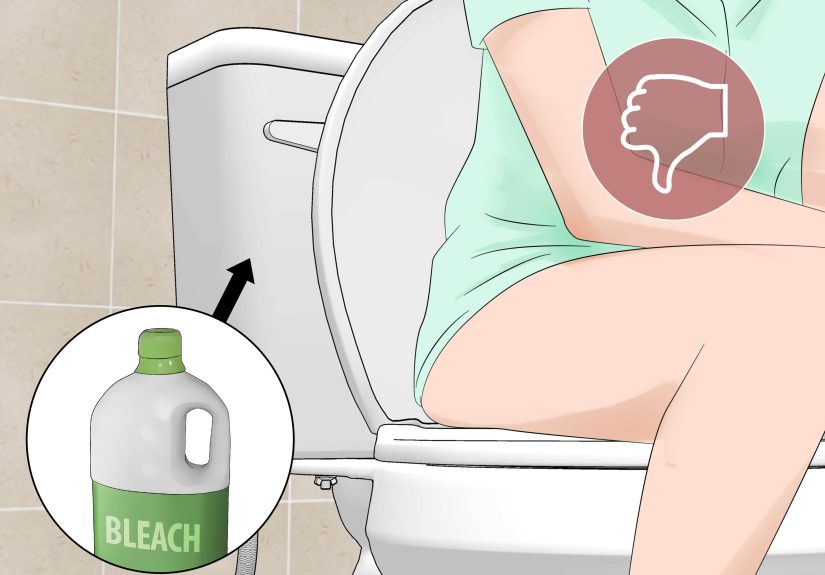
You can, but you usually shouldn’t pour straight bleach into the tank water and leave it there.
Occasional, controlled use of a diluted bleach solution applied to tank surfaces can be an effective way to disinfect.
The problem is what happens when bleach hangs out in the tank for hours or days, or when you use chlorine “drop-in” tablets that
constantly dose the tank water.
In plain terms: bleach can clean your tank, but it can also quietly ruin the parts that make your toilet work.
So the real question isn’t “Can I?” but “What’s the safest way to get the result I want?”
Why People Reach for Bleach in the First Place
Most toilet tanks aren’t filthy because people are doing something wrong. They get gross because water + time = buildup.
Common tank “ick” includes:
- Mineral scale from hard water (chalky white crust, gritty deposits, clogged rim jets over time).
- Biofilm (a slippery layer that can smell musty or swampy).
- Mold or mildew in humid bathrooms, especially in rarely used toilets.
- Pink/orange slime (often linked to bacteria that thrive in damp environments).
- Rust stains if your water has iron or your tank hardware is aging.
Bleach is tempting because it disinfects. It can knock down bacteria and odor fast. But tank problems often involve
mineral buildup, and bleach is not the star player for dissolving minerals. (That’s more of an acid’s jobhello, vinegar.)
Why Bleach in the Tank Can Backfire
Here’s what makes toilet tanks different from, say, a grimy countertop: toilets have parts made to survive water, not constant chemical exposure.
1) Rubber and plastic parts can degrade faster
Inside the tank you’ll find rubber seals, gaskets, and the flapper (or a canister seal). Prolonged exposure to strong chlorine
products can make rubber stiff, brittle, or warped. When that happens, you can get:
- A slow leak from tank to bowl (your toilet “runs” periodically)
- Weak flushes
- Phantom refills that quietly waste water
2) Metal parts can corrode
Some tanks have metal screws, washers, or older hardware. Bleach is an oxidizer. Over time, it can encourage corrosion,
especially if the tank already has mineral deposits acting like little corrosion hotels.
3) Manufacturer guidance often discourages “in-tank” cleaners
Many toilet and valve manufacturers caution against in-tank drop-in cleanersespecially bleach or chlorine tabletsbecause they can damage
internal components. That doesn’t mean your toilet will explode on contact, but it does mean routine dosing can be a long-term
maintenance strategy… for your plumber.
4) Safety risks if bleach is mixed with other cleaners
This is a big one: some toilet bowl cleaners are acidic, and many household cleaners contain ammonia or other reactive ingredients.
Mixing bleach with the wrong product can create dangerous fumes. The toilet tank is a confined, splash-prone spaceso it’s not the place
to freestyle a chemistry experiment.
So What Should You Use Instead?
The “best” cleaner depends on what kind of gross you’re dealing with. Here are safer go-to options that cover most situations.
For mineral buildup (hard water): white vinegar
Vinegar helps dissolve mineral scale and can loosen grime so you can scrub it away. If your tank looks like it’s growing a stalactite collection,
vinegar is often the most effective first step.
For general funk and light grime: dish soap + scrub
Sometimes the tank just needs a basic clean. A little mild dish soap, warm water, and elbow grease can do a lotwithout stressing your seals.
For deodorizing and gentle cleaning: baking soda
Baking soda is a mild abrasive and deodorizer. It won’t dissolve heavy mineral scale like vinegar, but it can help scrub away light residue
and reduce odorsespecially when paired with a good brush.
For disinfecting the bowl (not the tank): gel toilet cleaner
If your goal is a cleaner bowl (and most people’s is), you’ll get better results focusing on the bowl and under the rim.
Many in-tank products mainly tint the water and give the illusion of “automatic cleaning.”
How to Clean Your Toilet Tank Safely: Step-by-Step
What you’ll need
- Rubber gloves
- Old towel or paper towels
- Soft scrub brush (nylon bristles) or sponge
- White vinegar (for mineral scale) and/or mild dish soap
- Optional: diluted bleach solution (for targeted disinfection)
- Optional: small plastic cup or measuring cup
Step 1: Turn off the water and flush
Find the shutoff valve behind the toilet (near the wall) and turn it clockwise until it stops.
Flush once to drain most of the water from the tank. Hold the handle down to encourage more water to leave.
Step 2: Inspect the parts like a responsible adult
Before you clean, look around:
- Is the flapper or seal warped, slimy, or cracked?
- Is the chain tangled?
- Do you see gritty mineral buildup around the fill valve or overflow tube?
- Any obvious rust on bolts or hardware?
If you already see failing rubber parts, skip harsh chemicals and plan to replace the worn component. Cleaning won’t un-crack rubber.
Step 3: Remove loose debris
Wipe out sediment at the bottom of the tank with paper towels. This prevents you from turning cleaning into “dirty soup”
that you then scrub around for fun.
Step 4: Choose your cleaner based on the problem
Option A: Vinegar soak (best for hard water)
Pour enough white vinegar into the tank to coat problem areas. For heavier scale, you can add more vinegar and let it sit
for 30 minutes to a few hours (or longer if needed). Scrub mineral deposits with a nylon brush.
Option B: Mild soap scrub (best for routine cleaning)
Add a small amount of dish soap to a sponge or brush and scrub the tank walls, lid underside, and around the overflow tube.
This is great for general grime without being aggressive on parts.
Option C: Diluted bleach application (best for targeted disinfection)
If you truly need disinfection (for example, a rarely used toilet that smells musty or has noticeable biofilm),
use bleach as a diluted solution applied to surfacesnot as a “dump it in and forget it” tank additive.
A common disinfecting dilution used for hard, nonporous surfaces is roughly
5 tablespoons (1/3 cup) of regular household bleach per 1 gallon of water.
You don’t need a gallon for a toilet tankmake a smaller batch (same ratio) and apply it with a sponge,
or put it in a labeled spray bottle for controlled use.
Step 5: Scrub, wait briefly, then rinse
For vinegar: scrub after soaking, then wipe away loosened deposits.
For diluted bleach: keep the surfaces visibly wet for a few minutes (follow product guidance), then rinse by wiping with clean water.
Step 6: Turn water back on and flush a few times
Turn the shutoff valve counterclockwise to restore water. Let the tank refill.
Flush 2–3 times to clear any remaining cleaner. Make sure everything refills normally and the flapper reseats cleanly.
If You Still Want to Use Bleach: Do This, Not That
Do: Use bleach sparingly and in a controlled way
- Do use a diluted bleach solution on tank surfaces when disinfection is needed.
- Do limit contact time and rinse/flush afterward.
- Do ventilate the bathroom and wear gloves.
- Do check your toilet or valve manufacturer’s care guidance first.
Don’t: Pour straight bleach into the tank and leave it
- Don’t dump concentrated bleach into tank water and let it sit for hours or days.
- Don’t use in-tank drop-in tablets/pucks that continuously release chlorine.
- Don’t mix bleach with vinegar, toilet bowl cleaner, ammonia-based products, or mystery cleaners.
- Don’t assume “blue water” means a clean tank. It often means “blue water.”
How Often Should You Clean the Toilet Tank?
Most households don’t need weekly tank cleaning. A good baseline:
- Toilet bowl: weekly (more often if you have multiple people, hard water, or frequent stains)
- Toilet tank: every 3–6 months, or 2–4 times per year
You may need more frequent tank attention if:
- You have hard water or well water (scale forms faster)
- The toilet is rarely used (stagnant water encourages odor and biofilm)
- Your bathroom is humid and ventilation is poor
Troubleshooting: Common Tank Issues (and What Cleaning Can’t Fix)
“My tank smells weird.”
Odors often come from biofilm or a rarely used toilet. Start with a vinegar clean and a good scrub. If you need disinfection,
do a brief diluted bleach wipe-down and flush thoroughly. Also check that the bowl is being cleaned under the rimodor often lives there.
“I cleaned it, and now my toilet runs.”
This usually means the flapper (or seal) isn’t seating properlysometimes because it was already worn, and cleaning just revealed the problem.
Check for warping, cracks, or chain issues. Flappers are inexpensive and commonly replaced.
“There’s rust or orange staining.”
Rust stains can come from water with iron or aging hardware. Vinegar can help with mineral-related staining, but severe corrosion
may require replacing bolts or parts. If metal is heavily rusted, think “repair,” not “more bleach.”
“There’s a pink/orange ring or slime.”
Pink residue often shows up in damp bathrooms and can spread to the tank and bowl. Regular cleaning, better ventilation,
and avoiding stagnant water (flush rarely used toilets weekly) can help keep it under control.
Real-World Experiences: What Actually Happens When You Use Bleach in a Toilet Tank (And What People Learn the Hard Way)
Cleaning advice sounds simple until you’re standing in a bathroom holding a bottle of bleach like it’s the final boss in a video game.
Here are some real-life patterns people run intoand the practical lessons that come with them.
Experience #1: “It looked cleaner… until the toilet started ghost-running.”
A lot of people try the “just add bleach” method because it’s effortless: pour, close lid, walk away. For a short time, the tank may
smell cleaner and look brighter. But after repeated use, many notice the toilet starts refilling randomly. That’s often a flapper issue.
The flapper may not visibly crumble into dust (sadly, that would be more satisfying), but it can lose flexibility or develop a slightly
misshapen edge. The result is a tiny leak from tank to bowl. You might not see it, but you’ll hear the refill kick on at 2 a.m.the
toilet’s way of reminding you that convenience has a monthly subscription fee.
Experience #2: “Bleach didn’t fix the crusty stuff, so I used more bleach.”
This is the classic escalation. If the tank problem is mineral scale, bleach is the wrong tool. People pour more, wait longer, and then
wonder why the white crust is still there. Mineral buildup usually responds better to vinegar soaking and scrubbing. When someone switches
from bleach to vinegar, the difference is often immediate: the deposits soften, scrub off more easily, and the tank actually looks cleaner
instead of just “disinfected but still crunchy.” The big lesson: match the chemical to the mess. Bleach is a disinfectant, not a descaler.
Experience #3: “The tank tablets were ‘set it and forget it’… until something leaked.”
Drop-in tank tablets are popular because they promise low-effort cleanliness. The water turns blue, and you feel like a responsible adult
who has their life together. But many people later discover leaking tank bolts, brittle seals, or flappers that don’t seal well. What makes
tablets tricky is the constant exposureparts are bathing in chemically treated water 24/7. Even if the damage is slow, it can show up as
annoying leaks or a weaker flush. People often end up switching to bowl-applied cleaners or occasional manual tank cleaning, which is less
magical but kinder to the mechanics.
Experience #4: “I cleaned the tank, but the toilet still looked dirty.”
This one surprises people: the tank can be spotless, and the bowl can still stain or smell because the bowl’s problem areas are under the rim,
in rim jets, or in mineral deposits that form where water flows. Many find that a weekly bowl routine (brush + cleaner under the rim) does more
for appearance than obsessing over the tank. The tank matters for odor and function, but “sparkly toilet” usually comes from consistent bowl care.
The overall takeaway: Occasional diluted bleach can be useful for disinfection, but long-term “bleach-in-the-tank” habits often
trade short-term convenience for part wear, leaks, and mystery maintenance. A smarter routine is usually: vinegar for minerals, mild soap for routine
grime, and diluted bleach only when disinfection is truly neededfollowed by a thorough rinse and flush.
Conclusion
So, can you pour bleach into a toilet tank? Technically, yes. But the safest, most effective approach is usually
not “straight bleach in the tank water.” Instead:
- Use vinegar for mineral buildup
- Use mild soap + scrubbing for routine tank cleaning
- Use diluted bleach only when you need targeted disinfection, then rinse and flush well
- Avoid in-tank bleach tablets that constantly dose the tank and can wear out parts
- Never mix bleach with other cleanersespecially toilet bowl cleaners, vinegar, or ammonia-based products
Your toilet tank doesn’t need a chemical takeover. It needs the right cleaner for the right messand a little respect for the tiny rubber parts
working overtime so you don’t have to think about plumbing every day. (Let’s keep it that way.)