Table of Contents >> Show >> Hide
- What is cardamom, exactly?
- 1. Cardamom may help lower blood pressure
- 2. Cardamom is packed with antioxidant compounds
- 3. It may help calm inflammation
- 4. Cardamom may support blood sugar, cholesterol, and overall metabolic health
- 5. It may be helpful for liver health
- 6. Cardamom may aid digestion and stomach comfort
- 7. It may support oral health and fresher breath
- How much cardamom should you take?
- Side effects and safety
- How to use cardamom without overthinking it
- Real-life experiences with cardamom: what people often notice
- The bottom line
- SEO Tags
Note: This article is for educational purposes only and is not a substitute for personal medical advice.
Cardamom is one of those spices that makes everything feel a little more expensive, even when it is just sitting quietly in your pantry next to the garlic powder and the slightly judgmental paprika. But beyond its warm, citrusy, almost eucalyptus-like flavor, cardamom has built a serious wellness reputation. Traditional medicine has used it for centuries, and modern research is starting to ask an important question: is this spice just delicious, or is it actually useful for health too?
The honest answer is somewhere in the middle. Cardamom is not a magic seed that will turn your blood pressure into poetry and your digestion into a standing ovation. Still, early studies suggest it may offer real benefits, especially for inflammation, blood pressure, metabolic health, digestion, and oral health. The catch is that the strongest evidence is still limited, and most of the best human studies are fairly small.
That makes cardamom a great example of a “promising but not perfect” functional food. It deserves a seat at the table, but not a superhero cape. Here is what cardamom may do for your health, how much people typically use, and what side effects to know before you start tossing it into tea, oatmeal, or supplement form like a spice-powered optimist.
What is cardamom, exactly?
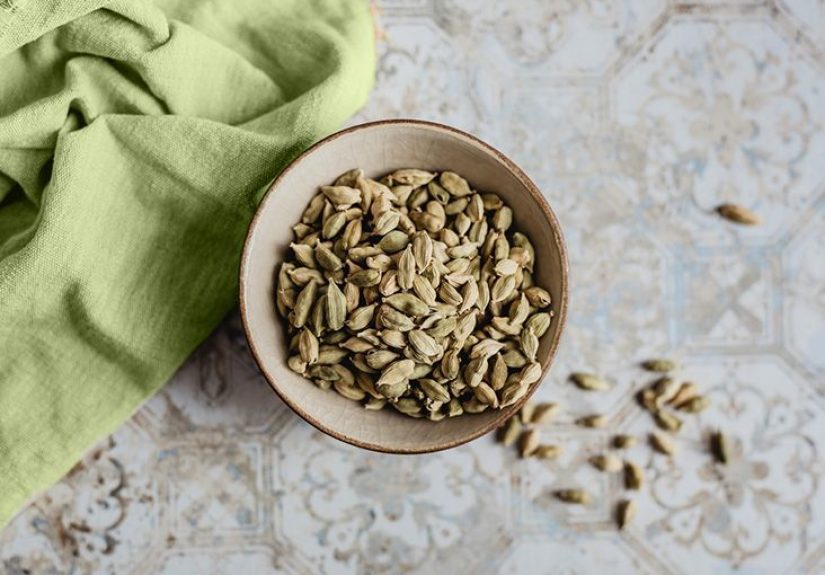
Cardamom usually refers to the seeds of plants in the ginger family, especially Elettaria cardamomum, often called green or true cardamom. The spice contains naturally occurring compounds such as terpenes, flavonoids, and phenolic compounds that help explain both its signature aroma and its potential health effects.
You will usually see cardamom in a few forms:
- Whole pods
- Ground cardamom powder
- Capsules or tablets
- Extracts and essential oils
If you cook with it, you already know the flavor is bold but elegant. It is sweet, herbal, a little peppery, and just mysterious enough to make plain rice pudding suddenly act like it has a passport.
1. Cardamom may help lower blood pressure
This is one of the most talked-about benefits, and for good reason. In a small human study, adults with stage 1 hypertension who took cardamom powder daily for 12 weeks saw reductions in blood pressure. More recent reviews and meta-analyses also suggest cardamom may modestly improve both inflammatory markers and blood pressure, although results across studies have not been perfectly consistent.
Why might that happen? Researchers think cardamom may support blood vessel relaxation, mild diuresis, and antioxidant activity. In plain English, it may help the cardiovascular system run a little more smoothly. That said, no one should swap prescribed blood pressure medication for a spice jar with a charming personality.
The practical takeaway is simple: cardamom may be a helpful dietary addition for heart health, but it works best as part of a larger pattern that includes medical care, exercise, sleep, and a balanced diet.
2. Cardamom is packed with antioxidant compounds
Cardamom contains plant compounds that act as antioxidants, including terpenes, phenols, and flavonoids. These compounds help neutralize oxidative stress, which is the cellular equivalent of daily wear and tear. Oxidative stress has been linked to aging and a long list of chronic conditions, including cardiovascular disease and metabolic problems.
This does not mean a teaspoon of cardamom will suddenly “detox” your body. Your liver and kidneys are already doing that job, and frankly, they do not need competition. What cardamom can do is contribute antioxidant compounds as part of a broader eating pattern rich in herbs, spices, fruits, vegetables, legumes, and whole grains.
That may sound less dramatic than internet wellness headlines, but it is actually better news. Tiny, repeatable improvements in diet tend to matter more than flashy one-day fixes.
3. It may help calm inflammation
Chronic low-grade inflammation shows up in many common health conditions, from metabolic syndrome to fatty liver disease and cardiovascular disease. Cardamom has attracted attention because both preclinical studies and some human trials suggest it may help lower markers of inflammation.
Researchers have looked at markers such as C-reactive protein, IL-6, and TNF-alpha. Some studies found improvement, especially when cardamom was used consistently over several weeks. Other studies found smaller or mixed effects. That inconsistency is important, because it keeps the story grounded in reality.
Still, cardamom’s anti-inflammatory reputation is not pulled from thin air. Its bioactive compounds appear to interact with pathways involved in oxidative stress and inflammation. That does not make it an anti-inflammatory drug, but it does make it a useful spice to include in a diet focused on long-term health.
4. Cardamom may support blood sugar, cholesterol, and overall metabolic health
Several small clinical studies have explored cardamom in people with prediabetes, type 2 diabetes, or metabolic dysfunction. Results suggest cardamom may improve some markers, such as insulin sensitivity, HbA1c, total cholesterol, or LDL cholesterol in certain groups.
Here is the keyword: may. The findings are encouraging, but not universal. Some trials reported significant improvements, while others showed little change in fasting blood sugar or blood pressure. The most reasonable reading of the evidence is that cardamom might be a supportive dietary tool for metabolic health, especially when paired with other healthy habits, but it is not a replacement for medical treatment.
Think of it as an assistant coach, not the whole team.
5. It may be helpful for liver health
Cardamom has also been studied in people with nonalcoholic fatty liver disease, now often called metabolic dysfunction-associated steatotic liver disease. In one clinical trial, green cardamom supplementation was associated with improvements in inflammatory markers and certain metabolic measures.
That does not mean everyone with fatty liver should run out and buy capsules. Liver health depends heavily on weight management, blood sugar control, alcohol intake, physical activity, sleep, and medical follow-up. But cardamom may have a supporting role in a broader lifestyle plan, especially because it appears to combine antioxidant and anti-inflammatory effects.
In other words, it may help the liver a bit, but it will not negotiate with last night’s triple cheeseburger on your behalf.
6. Cardamom may aid digestion and stomach comfort
Cardamom has a long traditional reputation as a digestive aid. People often use it in tea after meals, and it is commonly paired with ginger, fennel, or cinnamon in stomach-soothing blends. Research in animals and lab settings suggests cardamom may help protect the stomach lining and may have gastroprotective properties.
Human evidence is more limited, but the culinary use makes sense. A warm cardamom tea after a heavy meal is not a wild idea. Many people find the flavor naturally calming, and the spice is commonly associated with easing bloating, fullness, or mild digestive discomfort.
Cardamom has also been explored in nausea-related settings, including aromatherapy research. That does not prove that a muffin dusted with cardamom is a medical treatment for nausea, but it does suggest that its aromatic compounds may have soothing effects in some circumstances.
7. It may support oral health and fresher breath
Cardamom has been used traditionally as a natural breath freshener, and there is a plausible reason for that beyond “it smells nice.” Some lab studies suggest cardamom extracts can act against oral microbes associated with bad breath and dental problems.
That makes cardamom one of the rare spices that feels equally at home in dessert and in a conversation about oral hygiene. Chewing whole pods has long been a traditional habit in some cultures after meals, partly for flavor and partly for mouth freshness.
To be clear, cardamom is not a substitute for brushing, flossing, and dental care. Your dentist still wants to see you. But as a flavorful add-on, it earns points for being more charming than mint gum and less noisy than a lecture on plaque.
How much cardamom should you take?
There is no official standardized dose
This is the most important thing to know. There is no universally established supplement dose for cardamom. Different studies have used different forms and amounts, so there is no one-size-fits-all recommendation.
Common amounts used in studies
Human studies often use around 3 grams per day of cardamom powder for about 8 to 12 weeks. Some over-the-counter capsules list around 400 to 500 milligrams per pill, but that does not automatically make them equivalent to research-tested products.
Best real-world approach
- For cooking, use cardamom as a spice in normal food amounts.
- For supplements, start conservatively and talk with a healthcare professional first.
- Choose products from reputable companies with third-party quality testing when possible.
- Do not assume “natural” means risk-free or perfectly standardized.
If you simply want more cardamom in your routine, the safest and easiest move is to use it in food: oatmeal, chai, coffee, smoothies, baked fruit, yogurt, curry, or rice dishes. Culinary cardamom is the low-drama option, and sometimes low drama is exactly what health decisions need.
Side effects and safety
In food amounts, cardamom is generally considered safe for most people. That is the easy part. The caution comes in when people use concentrated supplements, extracts, or essential oils.
Possible side effects
- Mild digestive upset, such as nausea or diarrhea
- Mouth or tongue irritation in rare cases
- Allergic reactions, which are uncommon but possible
- Gallbladder pain in people with gallstones when taken in larger-than-food amounts
Who should be extra careful?
- People with gallstones
- People who take prescription medications
- Pregnant or breastfeeding women using supplement-level amounts
- Children, unless a clinician recommends it
- Anyone preparing for surgery or managing a chronic medical condition
Another overlooked issue is product quality. Supplements may vary from what the label claims, and spices in general can sometimes be contaminated during production or storage. Buying from a reputable brand matters more than clever packaging and wellness buzzwords.
How to use cardamom without overthinking it
If you want the potential benefits of cardamom without turning your kitchen into a supplement lab, here are some easy ideas:
- Add a pinch to oatmeal, overnight oats, or yogurt
- Use it in tea, coffee, or a homemade latte
- Stir it into smoothies with cinnamon and ginger
- Mix it into baked apples, pears, or bananas
- Use it in curries, lentils, rice, or roasted carrots
- Pair it with cinnamon in whole-grain muffins or granola
Whole pods offer the freshest flavor, while ground cardamom is more convenient. If your cardamom has been sitting in the cabinet since a previous era of your life, replacing it is a good idea. Fresh spices are more flavorful, and flavor is half the point.
Real-life experiences with cardamom: what people often notice
One of the most interesting things about cardamom is that people do not usually “experience” it the way they experience a pain reliever or a cup of coffee. It is subtler than that. Most people who use cardamom regularly describe a pattern of small, repeatable effects rather than one dramatic moment where angelic music starts playing from the spice rack.
A common experience is digestive comfort. People often say cardamom tea feels especially pleasant after a heavy meal, a rich dessert, or a dinner that may have been delicious but ambitious. The spice has a warming, aromatic quality that many find soothing. Even when it is not doing anything medically dramatic, it can make a simple drink feel easier on the stomach and more satisfying than plain hot water.
Another common report is that cardamom makes sweet foods taste more “finished,” which can help people use less sugar without feeling deprived. A bowl of oatmeal with cardamom, cinnamon, and fruit tends to taste fuller and more fragrant. The same goes for coffee or chai. Some people find that the spice makes everyday foods feel more special, which indirectly supports healthier routines because meals become more enjoyable.
There is also the freshness factor. People who chew a pod after meals often talk about cleaner breath and a lighter feeling in the mouth. It is not exactly a replacement for mouthwash, but it does have that neat trick of making you feel more put together after eating garlic-heavy food. Cardamom is basically the polite friend who opens a window and says nothing.
For home cooks, another real-world experience is that cardamom can feel intimidating at first. It is powerful. Too little and it disappears. Too much and your banana bread suddenly tastes like it is trying very hard to become perfume. Most people learn quickly that a small amount goes a long way, especially in baked goods and drinks. Once that learning curve is over, cardamom often becomes a “secret weapon” spice rather than an everyday heavy hitter.
Some people also notice that cardamom works best as part of a pattern, not as a one-time experiment. Using it regularly in tea, breakfast, or savory cooking seems to fit naturally into a routine. That matters because wellness habits that are enjoyable tend to last longer than habits built around punishment, panic, or suspiciously expensive powders.
Of course, not everyone loves it. Some people find the flavor too floral or too intense. Others tolerate the spice in food just fine but do not enjoy concentrated supplements. That difference is worth paying attention to. Real-life experience often teaches the same lesson as research: cardamom works best when it is used thoughtfully, in reasonable amounts, and with realistic expectations.
In short, cardamom is not the kind of ingredient that usually changes your life by Tuesday. It is the kind that can quietly improve the flavor of your food, make certain routines feel better, and possibly support health over time. And honestly, that is a pretty respectable job for a spice.
The bottom line
Cardamom earns its reputation as more than just a flavorful spice. Early research suggests it may help with blood pressure, inflammation, digestion, oral health, and aspects of metabolic and liver health. The strongest evidence so far points to modest benefits, not miracles, and there is still no standardized supplement dose.
For most people, the smartest move is to enjoy cardamom in food and beverages first. If you are considering supplements, especially for a medical purpose, talk with a healthcare professional. Food-level cardamom is usually low-risk and high-reward. Supplement-level cardamom is where caution, context, and common sense need to step into the room.
If nothing else, cardamom proves a lovely point: sometimes better health advice does not start with a cleanse, a trend, or a complicated protocol. Sometimes it starts with a spice that makes your kitchen smell fantastic and your breakfast taste like it got promoted.