Table of Contents >> Show >> Hide
- What Is the Casabella Wool Duster?
- Why a Wool Duster Still Has Fans
- Where the Casabella Wool Duster Works Best
- Where It Falls Short
- Casabella Wool Duster vs. Microfiber Duster
- How to Use a Wool Duster the Right Way
- How to Clean and Maintain the Casabella Wool Duster
- Is the Casabella Wool Duster Still Worth Buying?
- Who Should Choose a Wool Duster Today?
- Real-Life Experience: Living With a Casabella Wool Duster
- Conclusion
- SEO Tags
If there were an award for “cleaning tool most likely to make you feel like a competent adult in under 30 seconds,” the Casabella Wool Duster would at least deserve a nomination. It is simple, old-school, slightly charming, and refreshingly free of batteries, apps, and dramatic marketing promises. At its core, this is a lambswool duster designed to pick up light household dust without bullying delicate surfaces.
That straightforward idea is exactly why people still search for the Casabella Wool Duster. Even though the original version appears to be discontinued, it keeps popping up in older product listings, resale searches, and cleaning conversations because it represents a category many people still love: the natural wool duster. It is the kind of tool that looks humble in a closet but becomes oddly satisfying when you glide it across a bookshelf and watch the dust disappear instead of exploding into a floating snowstorm of regret.
This guide breaks down what the Casabella Wool Duster is, why people still care about it, where it works best, where it falls short, how to clean it, and whether a wool duster is still worth buying in a world obsessed with microfiber. Spoiler: it depends on what you are dusting, how often you clean, and how much patience you have for anything labeled “hand washable.”
What Is the Casabella Wool Duster?
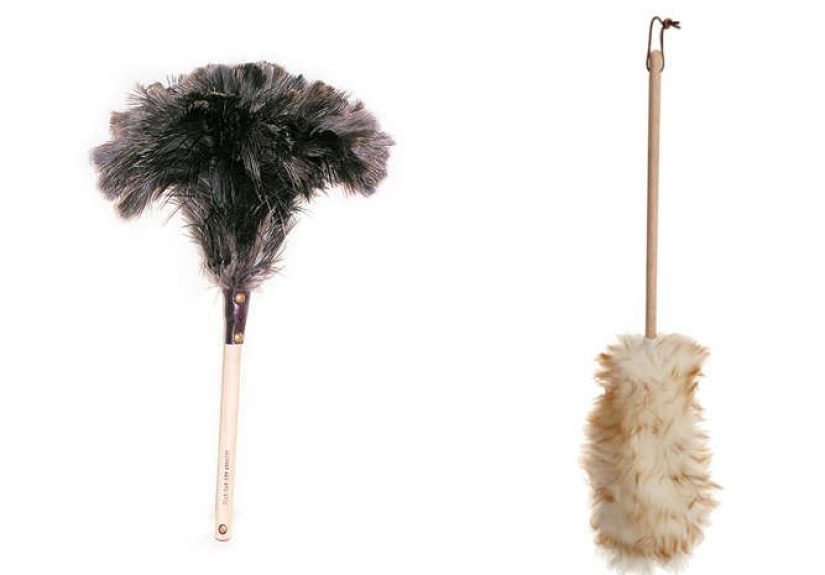
The original Casabella Wool Duster was described in retailer and editorial listings as a 24-inch duster made from genuine Australian lambswool with a wood handle. The selling point was classic and clear: it could pick up dirt and dust quickly, hold it until shaken out, and do so without scratching surfaces. In other words, it was not trying to be a transformer, a floor mop, a fan-cleaning octopus, or an all-purpose deep-cleaning system. It was a dusting tool, and it knew its lane.
That matters because modern cleaning aisles are crowded with gadgets that promise to solve every mess known to humankind. A wool duster is more specialized. It is built for light surface dusting, especially on areas where softness matters: shelves, lamps, frames, decorative objects, blinds, mantels, and hard-to-reach trim. If your home mostly needs quick maintenance dusting instead of a full forensic investigation into where all the fuzz came from, a tool like this makes sense.
The appeal is also tactile. Wool dusters have a softer, fuller texture than many synthetic options. They feel gentler, look nicer, and bring a little “heritage cleaning tool” energy to the task. That may sound silly, but aesthetics matter when you are trying to motivate yourself to clean the top of a bookshelf instead of merely staring at it with disappointment.
Why a Wool Duster Still Has Fans
There is a reason lambswool dusters have never completely disappeared. Wool naturally attracts and holds light dust, and many people like the fact that the material feels less harsh than a rough rag or an overly rigid plastic wand. When used correctly, a lambswool duster can sweep over furniture edges, picture frames, molding, and light fixtures without making you worry that you are sanding down the finish in the name of cleanliness.
The Casabella Wool Duster also sits in a sweet spot between decorative and practical. It is not disposable, it does not rely on refill heads, and it is easy to grab for a fast pass around the room. For people who prefer reusable cleaning tools, that is a meaningful advantage. One simple duster on a hook beats a box of refills that somehow vanishes the exact moment you are finally motivated to clean.
Another reason people still look for it is that wool can be excellent for routine maintenance dusting. If you dust frequently, you usually are not dealing with thick grime. You are dealing with the everyday layer that settles on shelves, lampshades, TV stands, and trim. That is where a wool duster shines. It is quick, lightweight, and more pleasant to use than dragging out a vacuum for every little job.
Where the Casabella Wool Duster Works Best
1. Delicate furniture and décor
Wool dusters are well-suited to furniture surfaces, framed art, vases, ceramics, and decorative accessories that need a gentle hand. The soft fibers are less intimidating than rough cloths and less chaotic than a feather duster that seems committed to redistributing dust as a lifestyle choice.
2. Bookshelves and mantels
The classic bookshelf situation is exactly what this type of duster was made for: a row of books, a candle, a bowl you bought because it felt “minimal,” and a suspicious amount of dust on all of it. A wool duster is fast here because it can move around objects without requiring you to remove every single item from the shelf.
3. Blinds, trim, and moldings
Light dust on horizontal blinds, window trim, crown molding, and baseboards can often be handled with a pass from a soft duster. The shape is handy, and the length gives you a bit more reach than a cloth in your hand.
4. Light fixtures and ceiling fans with regular upkeep
If dust has not reached archaeological levels, a wool duster can work well for light fixtures and fan blades. The key phrase here is regular upkeep. Once the buildup gets thick or greasy, you are leaving “maintenance mode” and entering “actual cleaning mode,” where other tools usually perform better.
Where It Falls Short
No cleaning tool deserves a halo, and the Casabella Wool Duster is no exception. Wool is excellent for gentle maintenance dusting, but it is not always the best choice for heavy buildup, sticky grime, or households where allergen control is the top priority. Many cleaning experts today prefer microfiber for maximum dust capture, especially when you want less redistribution and more reliable pickup.
That does not make a wool duster bad. It simply means it has a job description. If you are dusting an area with caked-on debris, kitchen grease, or pet hair that has fused itself to a surface like it signed a lease, you will likely need a vacuum attachment, a damp microfiber cloth, or both.
It also requires a bit more care than some modern synthetic options. You cannot treat a wool duster like a disposable sheet and forget about it. It needs to be shaken out, occasionally washed, dried properly, and fluffed back up. For some people, that sounds charming and sustainable. For others, that sounds like a relationship with too many needs.
Casabella Wool Duster vs. Microfiber Duster
This is the real debate, and it is worth answering honestly. If your goal is a more traditional, reusable, soft, natural-feeling tool for everyday dusting, a wool duster has real appeal. If your goal is the most efficient overall dust capture with the widest expert support, microfiber usually wins.
Microfiber tends to perform better when you want to trap fine particles, tackle heavier dust, and support a dusting routine aimed at reducing allergens rather than simply freshening surfaces. It is also a strong choice for electronics, vents, and spots where you want a tighter grip on fine debris.
Wool, on the other hand, feels gentler and more elegant on decorative surfaces. It is also perfectly reasonable for people who want to avoid disposable dusters and prefer a simple hand tool they can grab in seconds. A good rule of thumb is this: use wool for quick, frequent, low-drama dusting; use microfiber or a vacuum for heavier-duty jobs.
How to Use a Wool Duster the Right Way
Start high and work down
Always begin with higher surfaces such as shelves, light fixtures, moldings, and fan blades before moving to tables, counters, and lower furniture. Dust falls. Gravity remains undefeated. If you dust the coffee table first and the ceiling fan second, you have simply scheduled yourself for bonus work.
Use light pressure
The point of a wool duster is not to scrub. Glide it lightly over surfaces and let the fibers do the work. Pressing harder does not make you more effective; it just makes you look dramatic.
Dust often enough that buildup never gets nasty
A wool duster performs best as part of a regular routine. Weekly or near-weekly maintenance lets it shine. If you only dust once every time the sun hits your bookshelf at the perfect angle and reveals the truth, the job may be too heavy for wool alone.
Follow with a vacuum when needed
For rooms with lots of dust, pet hair, or allergens, finish by vacuuming floors, rugs, and soft furnishings. This gives you a cleaner final result and keeps the dust you just loosened from hanging around like an unwanted after-party guest.
How to Clean and Maintain the Casabella Wool Duster
One of the nice things about the original Casabella Wool Duster is that it was described as hand washable. That is useful because reusable tools only stay helpful if you actually maintain them.
For routine care, take the duster outside and give it a good shake after use. This removes loose dust before it settles deeper into the fibers. If the wool begins looking dull or dirty, hand wash the head gently in cool to lukewarm water with a mild soap or wool-safe cleanser. Do not soak it forever, do not twist it aggressively, and do not treat it like gym laundry. Rinse it carefully, squeeze out excess water with a towel, then let it air-dry completely. After drying, roll the handle between your palms or fluff the fibers with your fingers to restore some loft.
Also, store it where the head can breathe. Crushing a wool duster into a packed utility drawer is a great way to turn a fluffy cleaning tool into a tired-looking mop caterpillar. Hanging it or placing it loosely in a closet helps preserve the shape.
Is the Casabella Wool Duster Still Worth Buying?
If you find original old stock, a resale listing, or a secondhand version in excellent condition, the answer can be yes, with one important caveat: know what you are buying it for. If you want a soft, classic wool duster for delicate surfaces and routine upkeep, it still makes sense. If you want a one-tool solution for deep dust, allergens, electronics, greasy buildup, and neglected baseboards, this is not your superhero.
Because the original product appears discontinued, it is smart to inspect any available listing carefully. Look at the condition of the wool, the firmness of the handle, and whether the fibers still look full rather than flattened or worn down. A wool duster should feel like a tool you want to use, not a relic that belongs in a pioneer museum display on domestic labor.
For the right buyer, though, the value is still there. The Casabella Wool Duster is part cleaning tool, part design object, and part reminder that not every household task needs to be optimized within an inch of its life. Sometimes a simple, well-made tool is enough.
Who Should Choose a Wool Duster Today?
A wool duster is a smart fit for people who dust often, like reusable tools, and want something gentle for furniture and décor. It is also good for anyone who enjoys a lighter-touch cleaning routine and prefers tools that are simple, attractive, and ready to use without assembly or refills.
On the other hand, if you are dealing with allergy concerns, a high-shedding pet, thick dust buildup, or a strong preference for machine-washable gear, a microfiber system may be a better everyday choice. That is not a knock on wool. It is just a realistic match between tool and task.
The smartest setup for many homes is not wool or microfiber. It is wool and microfiber. Use the wool duster for quick surface passes, decorative objects, shelves, and weekly maintenance. Then keep microfiber cloths or a vacuum attachment nearby for the messier, grittier jobs. That combination gives you speed, gentleness, and actual cleaning power. A rare household peace treaty.
Real-Life Experience: Living With a Casabella Wool Duster
I once underestimated what a wool duster could do because, frankly, it looked too polite to be effective. It had the energy of a tool that would help you dust a piano in a period drama, not survive modern life with open shelving, blinds, electronics, and the mysterious fluff that forms under side tables. Then I started using a wool duster regularly, and I understood the appeal immediately.
The first thing I noticed was speed. When I was in a hurry, I could take a quick lap around the room and hit the obvious offenders: the tops of picture frames, the TV stand, lamp bases, bookshelf edges, and the ridge on the baseboard that somehow collects lint like it is being paid for it. I did not need spray. I did not need paper towels. I did not need the psychological commitment of dragging out the vacuum. I just needed the duster and a few minutes of good intentions.
The second thing I noticed was that it changed my cleaning habits in a very specific way: I dusted more often because the task felt easier. That may be the secret advantage of a tool like the Casabella Wool Duster. It lowers the friction. A microfiber cloth may be technically stronger for some jobs, but a wool duster hanging in plain sight practically dares you to use it. It turns dusting into a quick maintenance ritual instead of a full-blown household event that requires a playlist, a snack break, and a pep talk.
I also liked it on decorative surfaces where a heavier hand felt wrong. It was great for vases, framed prints, ceramic pieces, and lampshades that needed a light touch. I did not have to grip a cloth around every small object and risk knocking something over. The duster moved around those shapes easily, which made the room look better fast. And that matters. Sometimes the difference between “my house is chaotic” and “my house is fine” is literally ten minutes and one decent duster.
That said, the romance ends when the dust gets serious. If I skipped a week or two, the wool duster was no longer the star of the show. It still helped, but it was clearly better as a maintenance tool than a rescue tool. Thick dust on fan blades, gritty buildup on vents, or greasy kitchen film needed backup. In those moments, microfiber cloths and vacuum attachments were the adults in the room.
The care routine was also real, though not dramatic. After dusting, I had to take it outside and shake it out. Occasionally, I had to wash it and let it dry fully. That was not difficult, but it was enough to remind me that reusable tools ask for a tiny bit of respect. Ignore that, and the duster stops looking fluffy and starts looking like it has seen things.
Overall, the experience made me understand why people still search for the Casabella Wool Duster. It is not because it is magic. It is because it makes regular dusting feel manageable, even a little satisfying. In a house full of overcomplicated products, that kind of simplicity feels oddly luxurious. And if a humble wool duster can make you clean your shelves before the dust starts writing its memoir, that is a pretty solid win.
Conclusion
The Casabella Wool Duster is easy to romanticize, but the best reason to like it is practical: it is a soft, reusable, effective tool for routine dusting on delicate surfaces and everyday household spots. It will not replace every dusting method, and it should not try. Its strength is gentle maintenance, quick touch-ups, and making the whole idea of dusting feel less annoying.
If you can still find one in good condition, it remains a charming and useful option for anyone who values a classic lambswool duster. And even if you ultimately choose microfiber for most of your cleaning, the Casabella version still deserves credit for reminding us that simple tools can do a lot when they are used well. Sometimes the best cleaning upgrade is not more technology. Sometimes it is just a better stick with fluff on the end.