Table of Contents >> Show >> Hide
- What Is Cervical Cancer?
- What Causes Cervical Cancer?
- Symptoms of Cervical Cancer
- How Cervical Cancer Is Diagnosed
- How to Prevent Cervical Cancer
- Treatment Options for Cervical Cancer
- What Recovery and Follow-Up Can Look Like
- When to See a Doctor
- Experiences Related to Cervical Cancer: What Many People Go Through
- Conclusion
- SEO Tags
Note: This article is for educational purposes only and is not a substitute for medical advice, diagnosis, or treatment.
Cervical cancer is one of those health topics that deserves more attention and less awkward silence. It begins in the cervix, the lower part of the uterus, and it usually develops slowly over time. That slow timeline is actually important news, because it means there are real opportunities to catch problems early, treat precancerous changes, and prevent a serious cancer diagnosis before it ever happens.
Here is the headline your future self would like you to remember: cervical cancer is often highly preventable. Regular screening, HPV vaccination, prompt follow-up for abnormal test results, and knowing what symptoms should never be brushed off can make a major difference. In other words, this is not a “cross your fingers and hope for the best” situation. This is a “screen, protect, and act early” situation.
That said, prevention does not mean panic. Most HPV infections do not turn into cancer. Many clear on their own. But when high-risk HPV sticks around for years, it can slowly change cervical cells. If those changes are not found and treated, cancer can develop. The good news is that modern screening and treatment options have come a long way, and many people do very well, especially when the disease is found early.
This guide breaks down what causes cervical cancer, which symptoms matter, how prevention works in the real world, and what treatment may look like from diagnosis to recovery. No jargon storm, no scare tactics, and no weird internet myths pretending to be medicine.
What Is Cervical Cancer?
Cervical cancer happens when abnormal cells in the cervix grow out of control. In many cases, the process starts with precancerous changes rather than a full-blown cancer overnight. That is why screening matters so much. A Pap test can look for abnormal cervical cells, and an HPV test can look for high-risk types of human papillomavirus that raise the risk of those cells becoming cancerous.
There are two main types of cervical cancer. Squamous cell carcinoma begins in the thin, flat cells lining the outer part of the cervix and is the most common type. Adenocarcinoma starts in the glandular cells that line the cervical canal. Some tumors contain features of both. From a reader’s point of view, the exact subtype matters because it helps guide treatment, but the bigger point is simple: cervical cancer usually does not arrive without warning signs somewhere along the road. The challenge is that those warning signs are often microscopic at first, which is why screening is so valuable.
What Causes Cervical Cancer?
The main driver: persistent high-risk HPV
The leading cause of cervical cancer is a long-lasting infection with high-risk types of human papillomavirus, better known as HPV. HPV is extremely common. In fact, it is so common that many people will have it at some point and never know it. Most infections clear naturally. Trouble begins when a high-risk strain stays in the body and causes ongoing cellular changes in the cervix.
You can think of HPV like an uninvited houseguest. Most drop by, make a mess, and leave. High-risk persistent HPV is the version that keeps changing the furniture, painting the walls, and pretending it pays rent. Over time, those cell changes can move from mild abnormalities to precancer and then to cancer if they are not found and managed.
Other risk factors that can raise the odds
HPV is the big headline, but it is not the only factor that matters. Several things can increase the risk that an HPV infection will persist or that abnormal cells will become more dangerous. These include:
- Smoking or long-term exposure to tobacco smoke
- A weakened immune system, including from certain medical conditions or medications
- A history of limited access to routine screening and follow-up care
- Long-term use of certain hormonal contraceptives in some cases
- Past sexually transmitted infections that may affect cervical health
- Having had cervical precancer before
Smoking deserves a special mention because it does not just affect the lungs. Chemicals from tobacco can damage cells and make it harder for the body to clear HPV. It is like handing the virus a tiny umbrella and a snack while your immune system is trying to escort it out.
Symptoms of Cervical Cancer
Early cervical cancer often causes no symptoms at all. That is the sneaky part. A person can feel completely fine and still have abnormal cervical cells or even an early cancer. Screening is designed for exactly this reason.
When symptoms do appear, they may include:
- Abnormal vaginal bleeding, such as bleeding between periods
- Bleeding after sex
- Bleeding after menopause
- Periods that are heavier or last longer than usual
- Unusual vaginal discharge, sometimes watery, bloody, or foul-smelling
- Pain during sex
- Pelvic pain or pressure
More advanced disease can cause additional symptoms, including back pain, leg swelling, trouble urinating, fatigue, or unexplained weight loss. None of these symptoms automatically mean cervical cancer. Plenty of noncancerous conditions can cause them too. Still, unexplained bleeding is not something to ignore, explain away, or toss into the emotional junk drawer labeled “probably stress.” It deserves medical attention.
How Cervical Cancer Is Diagnosed
Diagnosis usually does not begin with a dramatic movie scene and a physician pulling off glasses in slow motion. It usually starts with something far less cinematic: a routine screening test, an abnormal result, or a symptom that leads to further evaluation.
Screening tests
Healthcare professionals may use a Pap test, an HPV test, or both, depending on age, medical history, and current screening recommendations. The goal is to detect either abnormal cells or high-risk HPV before cervical cancer has a chance to grow silently.
Follow-up testing
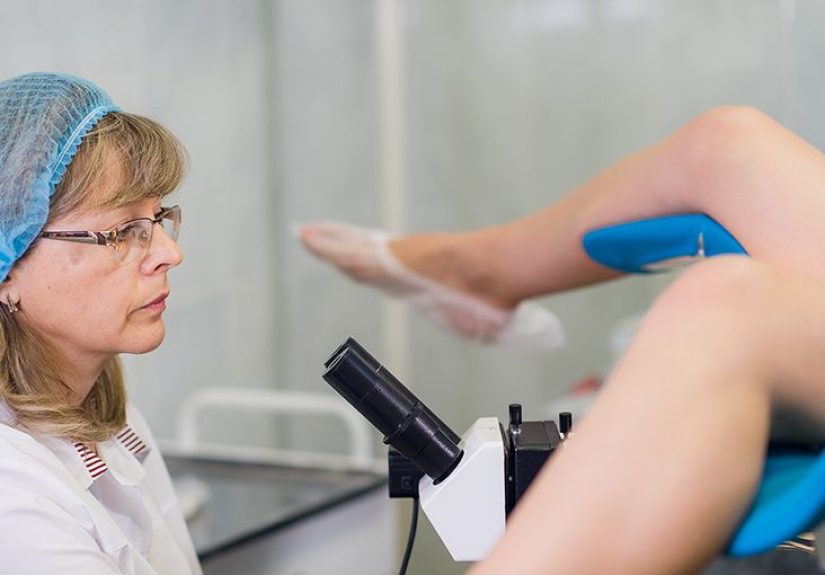
If screening results are abnormal, the next step may be a colposcopy, which allows a clinician to examine the cervix more closely. A biopsy may be taken to determine whether abnormal cells are precancerous or cancerous. In some cases, a LEEP procedure or a cone biopsy is used to remove abnormal tissue and, in some situations, treat it at the same time.
Staging
If cancer is confirmed, doctors determine the stage based on tumor size, depth of spread, lymph node involvement, and whether the cancer has reached nearby or distant organs. Imaging tests and additional exams may be used to build that picture. Stage matters because it shapes the treatment plan and helps estimate prognosis.
How to Prevent Cervical Cancer
If cervical cancer prevention had a slogan, it would be something like: “Vaccinate, screen, and do not ghost your follow-up appointment.”
1. Get the HPV vaccine
The HPV vaccine is one of the strongest prevention tools available. It protects against HPV types that cause most cervical cancers, as well as some other HPV-related cancers. It works best when given before exposure to HPV, but eligibility depends on age and individual medical history, so the best move is to ask a clinician what schedule applies.
2. Keep up with cervical screening
Screening can catch precancerous changes before they become cancer, or detect cancer at an earlier, more treatable stage. The exact test and schedule can vary based on age, prior results, and health history. What matters is staying on schedule and following through on abnormal results rather than pretending a voicemail from the doctor is decorative.
3. Do not smoke
Quitting smoking lowers cervical cancer risk and improves overall health. If someone needs one more reason to stop, “my cervix would appreciate it” is surprisingly compelling.
4. Practice safer sex
Barrier methods can reduce the risk of HPV and other sexually transmitted infections, although they do not eliminate risk completely because HPV can spread through skin-to-skin contact in nearby areas. Safer sex is helpful, but it does not replace vaccination or screening.
5. Take abnormal results seriously
Many cases of cervical cancer happen not because screening never happened, but because abnormal results were not followed up quickly enough. Early action matters. Precancer is the stage where medicine gets to be wonderfully bossy and effective.
Treatment Options for Cervical Cancer
Cervical cancer treatment depends on the stage of the disease, tumor type, overall health, fertility goals, and personal preferences. Treatment is not one-size-fits-all. It is more like a menu built around medical evidence and individual needs.
Surgery
For very early-stage cancers, surgery may be the main treatment. Options can include removing a small cone-shaped piece of tissue, removing the cervix, or performing a hysterectomy. In carefully selected cases, fertility-sparing treatment may be possible. That conversation is especially important for younger patients who hope to become pregnant in the future.
Radiation therapy
Radiation is often used for cancers that are larger or have spread beyond the cervix. Treatment may include external beam radiation along with brachytherapy, which delivers radiation more directly to the tumor area. Radiation can be highly effective, but it also comes with side effects that should be discussed honestly before treatment begins.
Chemotherapy
Chemotherapy is often given with radiation for certain stages of cervical cancer. In many cases, it helps the radiation work better. Chemotherapy may also be used when cancer has spread or returned.
Targeted therapy and immunotherapy
Advanced or recurrent cervical cancer may be treated with newer medicines such as targeted therapy or immunotherapy. These drugs do not work the same way as traditional chemotherapy. Some are used for tumors with certain biomarkers, while others may be combined with chemotherapy or radiation depending on the stage and treatment setting. This is one of the fastest-changing areas of cervical cancer care, which is why treatment at or in consultation with a gynecologic oncology team can be especially valuable.
Supportive care
Good treatment is not just about attacking cancer cells. It is also about controlling pain, nausea, fatigue, bowel and bladder symptoms, and emotional stress. Nutrition support, counseling, pelvic floor care, fertility counseling, sexual health support, and survivorship planning all matter. Cancer care should treat the whole person, not just the scan result.
What Recovery and Follow-Up Can Look Like
Recovery after cervical cancer treatment can be physical, emotional, and surprisingly administrative. There may be scans, exams, lab work, symptom tracking, medication schedules, and a growing relationship with a calendar app. Follow-up care helps doctors watch for recurrence, manage side effects, and support long-term health.
Some people recover quickly after early treatment and return to normal routines with only minor disruption. Others deal with fatigue, changes in sexual function, menopause symptoms, fertility loss, bowel or bladder changes, or anxiety before every follow-up appointment. All of that is real. Healing is not a straight line, and it does not need to look inspirational on social media to count.
When to See a Doctor
Make an appointment promptly if you notice abnormal bleeding, new pelvic pain, pain during sex, unusual discharge, or any symptom that feels persistent or unexplained. Also contact a healthcare professional if you received an abnormal Pap or HPV result and are unsure what the next step should be. Waiting for symptoms to become dramatic is not a strategy. It is just a stressful plot twist no one asked for.
Experiences Related to Cervical Cancer: What Many People Go Through
One of the most common experiences around cervical cancer starts long before anyone hears the word “cancer.” It starts with a phone call or a patient portal alert saying a Pap test or HPV result came back abnormal. For many people, that moment is terrifying. They immediately jump to worst-case scenarios. In reality, an abnormal screening result often means further testing is needed, not that cancer has already been found. Still, the emotional whiplash is real. People describe the waiting period before a colposcopy or biopsy as the hardest part, because uncertainty can feel louder than facts.
Another common experience is surprise. Many patients say they felt healthy and had no warning signs at all. That can be confusing and upsetting. It is also one of the strongest real-world reminders of why cervical cancer screening matters. Feeling fine is wonderful, but it is not proof that every cell is minding its business. Cervical changes can develop quietly, which is why routine care often catches problems before symptoms ever appear.
People going through diagnostic procedures often talk about how helpful clear communication can be. A clinician who explains what a colposcopy is, what a biopsy might feel like, and when results will be ready can reduce fear dramatically. On the other hand, vague instructions and long waits can leave people feeling isolated. Many patients say they wish someone had told them ahead of time that it is normal to feel nervous, bring questions, ask for clarification, and lean on a support person.
For those diagnosed with cervical cancer, treatment experiences vary widely. Someone with very early-stage disease may go through surgery and then move into close follow-up. Someone with more advanced cancer may face weeks of radiation, chemotherapy, and brachytherapy. Patients often describe fatigue as one of the most persistent side effects. Not dramatic movie-scene fatigue, either. More like “why does carrying groceries feel like an Olympic qualifier” fatigue. Others talk about changes in appetite, bowel or bladder habits, sleep, sex, and body image.
Fertility concerns are also a major part of the experience for many younger patients. Questions about whether pregnancy is still possible, whether treatment will trigger early menopause, or whether eggs or embryos should be preserved can add another layer of urgency to an already overwhelming time. Even when the medical plan is clear, the emotional processing can take longer. It helps when care teams address fertility, sexuality, and mental health as seriously as they address scans and lab results.
Survivors often describe a strange mix of gratitude and anxiety after treatment ends. Friends and family may think the hard part is over, but follow-up appointments can bring back a flood of fear. Some people become hyperaware of every symptom. Others struggle with intimacy, confidence, or the pressure to “be positive” all the time. Honest recovery usually looks less like a motivational poster and more like rebuilding trust in your body one month at a time.
The encouraging thread in many cervical cancer experiences is that knowledge really does help. People who understand HPV, screening, treatment options, and follow-up care often feel more empowered, even when the road is difficult. Early detection, strong support, and a care team that actually explains things can turn a frightening diagnosis into something manageable, step by step.
Conclusion
Cervical cancer is serious, but it is also one of the clearest examples of how prevention and early detection save lives. Persistent high-risk HPV is the main cause, which is why HPV vaccination and routine screening are so important. Early cervical cancer may not cause symptoms, but warning signs such as abnormal bleeding, unusual discharge, and pelvic pain should never be ignored. Treatment can include surgery, radiation, chemotherapy, targeted therapy, and immunotherapy, depending on the stage and individual needs.
If there is one takeaway worth circling in bright ink, it is this: keeping up with screening and following through on abnormal results can make all the difference. Cervical cancer is not a topic anyone plans to become an expert in, but knowing the basics can protect your health in a very real way.