Table of Contents >> Show >> Hide
- Who Is Charles Muntz, Really?
- Where Charles Muntz Lands In Pixar Villain Rankings
- Why Charles Muntz Feels So Disturbing
- Was Charles Muntz Ever “Right” About Anything?
- How Fans React: Charles Muntz Through Audience Eyes
- What Charles Muntz Says About Heroes, Aging, And Obsession
- My Own Ranking: Where Does Charles Muntz Belong?
- Experiences And Reflections: Living With A “Charles Muntz” In Your Head
- Conclusion: The Legacy Of Charles Muntz
If you’ve ever rewatched Up and thought, “Wow, I forgot how scary that old guy with the airship is,” congratulationsyou’ve just rediscovered Charles Muntz. While most people remember the heartbreaking opening montage, the talking dogs, and the floating house, the movie’s villain quietly sneaks up on you. By the time you realize how dark he really is, he’s already dangling people off an airship and hunting a giant bird with the energy of someone fighting for a refund at customer service.
In this deep dive, we’ll look at where Charles Muntz tends to land in Pixar villain rankings, why opinions about him are so intense, and what his character says about aging, obsession, and disappointed heroes. We’ll mix critical analysis, fan reactions, and some playful commentary to answer one big question:
Is Charles Muntz an underrated Pixar villain, or exactly as terrifying as he looks?
Who Is Charles Muntz, Really?
On paper, Charles F. Muntz is everything a kid in the 1930s would have on a bedroom poster. He’s a world-famous explorer, flies a massive blimp called the Spirit of Adventure, and travels with a pack of loyal dogs. He discovers strange creatures, returns with wild stories, and inspires a whole generation of armchair adventurers.
At least, that’s the legend young Carl and Ellie fall in love with. The problem starts when Muntz brings back a skeleton of a mysterious bird from Paradise Fallsand is accused of fraud by the scientific community. Humiliated and furious, he vows not to return until he can drag home a living specimen to prove everyone wrong.
Fast-forward decades later, and we meet Muntz again in Paradise Falls. He’s still there, still hunting the same bird, now called Kevin. The cheerful celebrity explorer has morphed into something much darker: a paranoid old man who assumes anyone who stumbles into his territory is there to steal his discovery. Instead of a beloved public hero, he’s basically the HOA president of a jungle canyon who happens to have an airship and weaponized dogs.
This gap between who he was and who he’s become is the heart of why people debate Charles Muntz so much. He isn’t a villain who started evil; he’s a villain who rotted over time.
Where Charles Muntz Lands In Pixar Villain Rankings
When you look at lists of Pixar villains, Charles Muntz almost never tops the listbut he almost never falls to the bottom either. He lives in that uncomfortable middle zone where critics and fans say, “He’s not the flashiest, but he’s absolutely terrifying if you think about him for more than 30 seconds.”
The “Top 10 Material” Tier
Several pop-culture rankings place Muntz roughly around the 8–10 range among Pixar villains. He usually sits below big names like Syndrome from The Incredibles, Lotso from Toy Story 3, or Ernesto de la Cruz from Coco, but above one-note or more comedic villains.
Why that middle-upper tier?
- Impactful but subtle: He doesn’t have a musical number, glowing eyes, or a giant robot. Instead, he’s frightening because he feels plausiblea real human who cracked under pressure.
- Story importance: He’s the “what if” version of Carl. Every scene with him reframes Carl’s journey, which gives Muntz extra narrative weight.
- Villainy with receipts: The film strongly implies that he’s killed other explorers. He isn’t just grumpyhe’s lethal.
The “Secretly One Of The Worst” View
Some outlets and fans take things further and rank Muntz as one of the most horrible Pixar villains overall, sometimes even top three when judged purely on evil deeds. If your scale is “how morally bad is this person?” rather than “how flashy is the character design?”, he quickly climbs the chart.
Think about his résumé:
- He’s implied to have killed anyone who might expose “his” bird.
- He keeps a whole army of dogs essentially as soldiers and hunters.
- He tries to burn down an old man’s house and has zero issues endangering a child.
So depending on whether you rank villains by style or by body count, Charles Muntz might be “solid mid-tier” or “alarmingly high.” That’s why rankings and opinions about him are all over the place.
Why Charles Muntz Feels So Disturbing
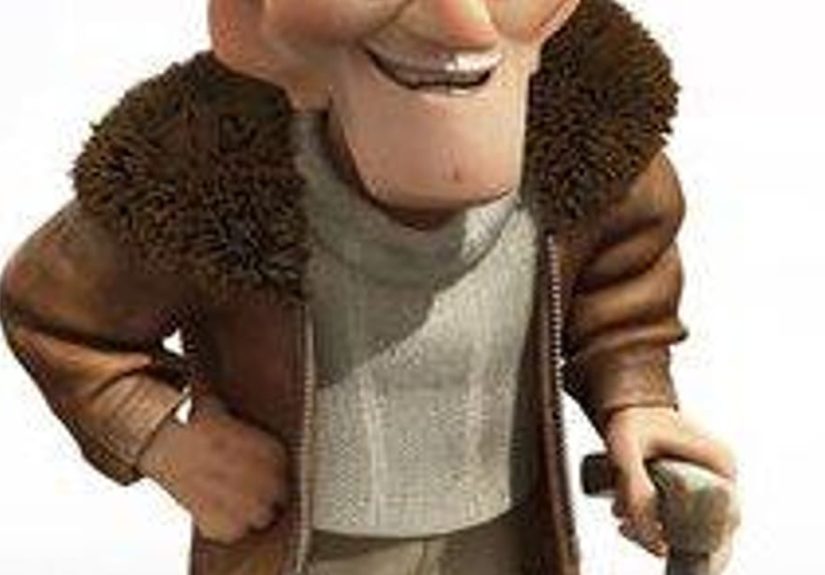
Muntz doesn’t look like a classic Disney villain. He isn’t cloaked in purple smoke or cackling over a cauldron. He’s an older man in a shearling jacket who could just as easily be your retired neighbor, the one who tells big stories about “the good old days.”
But that normality is exactly what makes him creepy. He’s realistic. He’s the kind of person who let resentment age with him.
Obsession Turned Toxic
At some point, proving his innocence stopped being about science and turned into a personal crusade. The bird isn’t just a specimen anymore; it’s his entire identity. Without Kevin, he’s not the great Charles Muntzhe’s just an old man who got laughed out of a meeting decades ago.
That obsession leads him to justify anything:
- He sees Carl and Russell as threats, not guests.
- He’s willing to endanger or kill them just to keep the secret of the bird.
- He doesn’t care what happens to the jungle ecosystem as long as he gets his proof.
In other words, Charles Muntz is what happens when a personal grudge becomes a life missionand no one around you is brave enough to say, “Hey, maybe it’s time to go home.”
The Dogs, The Gadgets, And The Power Dynamic
Let’s also talk about the dogs. On the surface, the talking collars are hilarious. Who doesn’t love Dug? But the tech also reveals how controlling Muntz is. He literally reprograms an entire pack of animals to serve his obsession. Their loyalty isn’t built on love; it’s enforced by gadgets, hierarchy, and fear.
The movie uses this to show Muntz as a kind of authoritarian figure: top-down control, surveillance (those collars are basically wearable intercoms), and harsh punishment for failure. For a family movie, that’s a quietly heavy concept.
Was Charles Muntz Ever “Right” About Anything?
Every good villain believes they’re the hero of their own story, and Muntz is no exception. If we look at his situation from his perspective, you can almost see how he’d justify his actionsalmost, not fully.
Public Humiliation And Professional Ruin
Imagine dedicating your whole life to exploration, then being accused of faking your biggest discovery. Your reputation, funding, and identity all depend on people believing you. When that collapses, most people either fight back through official channels or accept the loss and move on. Muntz does neitherhe heads straight to the jungle with a dirigible and a grudge.
In a twisted way, his anger makes sense. The scientific community probably handled his case harshly, and the movie suggests he became the punchline of an era. He wasn’t just criticized; he was mocked.
Where It All Crosses The Line
The problem is that instead of proving the truth through transparent research, Muntz chooses violence and secrecy. Rather than invite others to study the bird, he hoards information, threatens anyone who gets close, and treats the creature as a trophy rather than a living being.
So while you can empathize with his hurt pride and lost career, there’s no “well, he kind of had a point” defense that excuses attempted murder, animal cruelty, and arson. This tensionbetween understandable pain and indefensible actionsis what keeps discussions about Charles Muntz interesting.
How Fans React: Charles Muntz Through Audience Eyes
If you wander through fan forums and comment sections, you’ll find a wide spectrum of Charles Muntz opinions. He’s rarely anyone’s favorite villain, but he’s often one of the most debated.
Team “Most Evil”
Some viewers argue that Muntz is one of the darkest Pixar antagonists precisely because his evil is grounded in implied violence rather than cartoonish schemes. The movie hints at a history of “disappearances” around Paradise Falls. The implication is that anyone who came too close to finding Kevin met an unfortunate end.
To these fans, Muntz isn’t just a grumpy explorer with a temperhe’s a serial killer in a family movie wearing a shearling coat.
Team “Most Tragic”
Other viewers see him as a tragic figure, a warning about what happens when you let bitterness define your life. In their view, Muntz is the dark mirror of Carl:
- Carl lost his wife and risks retreating into nostalgia, but eventually chooses new connections.
- Muntz lost his reputation and chooses obsession instead, cutting himself off from the world.
Both men are old, both are stubborn, both are linked by the same childhood dream. Only one of them finds a healthy way forward. That contrast makes Muntz feel sad as well as scary.
Team “Kind Of Forgettable… Until He Isn’t”
Then there’s a third group: people who just forget he exists until the third act. Because the emotional opening of Up is so strong, Muntz can feel like a late-arriving villain in someone else’s movie. For those viewers, he functions almost like a final examone last test to see what Carl will prioritize: his house, his past, or living people (and birds) in danger right in front of him.
In this reading, Muntz doesn’t need to be the most iconic villain. He just needs to be dangerous enough to force Carl to change.
What Charles Muntz Says About Heroes, Aging, And Obsession
Beyond rankings and fan debates, Charles Muntz plays a key thematic role in Up. He is what Carl could become if he lets grief and stubbornness calcify his worldview.
The Dark Future Version Of Carl
Muntz is essentially “Carl on Hard Mode.” Both idolized adventure, both attached their identities to a single dream, and both struggle when life doesn’t cooperate. The big difference is how they respond:
- Carl begins by clinging to his house and memories, but eventually realizes that his late wife wanted him to keep living, not freeze time.
- Muntz doubles down on his obsession, even as it isolates him and erases any chance of redemption.
Seeing them face off on the airship isn’t just hero vs. villainit’s hope vs. bitterness, adaptability vs. fixation.
Ageism And Expectations Of Older Characters
Up also does something rare in mainstream animation: it lets older characters be complex. Carl and Muntz aren’t background grandparents; they drive the story. Muntz shows that older characters can be dangerous, ambitious, and deeply flawed, not just cute and wise.
That’s part of why he unsettles people. We don’t expect a grandfatherly figure to send dogs to attack a child or set a house on fire. Muntz breaks the stereotype of the “safe old man” and forces us to see that age doesn’t automatically equal wisdom.
My Own Ranking: Where Does Charles Muntz Belong?
If we’re talking pure entertainment value, Charles Muntz may not outshine some of Pixar’s flashier villains. There’s no evil monologue over a volcano, no musical number, no visually over-the-top transformation. In that sense, he’s comfortably behind characters like Syndrome or Ernesto de la Cruz.
But if our metric is “who would you least want to run into in real life?”, he’s very near the top.
He’s armed, paranoid, and completely convinced that his life’s purpose justifies anything he does. He has resources (an airship!), henchmen (the dogs!), and decades of practice stalking a single target. That’s a horror movie antagonist wrapped inside a Pixar film.
On a blended scale of memorability, narrative importance, and sheer moral awfulness, I’d place Charles Muntz firmly in the upper tier of Pixar villainssomewhere around 4th or 5th overall. He’s not the most theatrical, but he’s one of the most unsettling.
Experiences And Reflections: Living With A “Charles Muntz” In Your Head
Because Charles Muntz is such a grounded villain, it’s easy to connect him to real experienceseven if you (hopefully) haven’t met an obsessed airship hermit with an attack-dog army.
When A Role Model Disappoints You
One of the most relatable parts of Up is Carl’s heartbreak when he realizes his childhood hero is, frankly, awful. Many people have gone through a much smaller version of that moment: maybe it was a famous athlete caught cheating, a beloved celebrity involved in scandal, or even a teacher, coach, or family member who turned out to be less kind than you believed.
In those moments, you’re forced to separate the ideal you looked up to from the flawed human being behind it. That’s exactly what Carl has to do when he sees Muntz endanger Russell and Kevin. The explorer he idolized in newsreels is gone; what’s left is a man who chose his ego over other people’s lives.
For viewers, that can stir memories of similar disillusionmentstimes when you realized that admiration needs to be tempered with critical thinking.
Obsession In Everyday Life (The Non-Murdery Version)
Most of us will never cross a jungle chasing a bird, but we can recognize smaller “Muntz moments” in our own behavior. Maybe it’s:
- Clinging to a career path long after it stops making you happy, just because you don’t want to feel like you “wasted” past effort.
- Refusing to admit a mistake in a relationship, even when it would obviously fix the problem, because your pride won’t let you back down.
- Obsessing over being “proven right” on the internet to the point that you lose hours arguing with strangers.
Muntz is a magnified version of these everyday patterns. He shows what happens when the desire to vindicate yourself is never checked, never questioned, and never balanced by empathy.
The Emotional Weight Of Letting Go
One powerful experience many viewers have with Up is watching Carl literally drop the things he’s been dragging behind himfurniture, mementos, physical symbols of his pastto rescue Russell and Kevin. In contrast, Muntz clings to his obsession right up to his final fall.
It’s hard not to see your own life in that contrast. Everyone has a “house” they’re tempted to cling to: a fantasy of what life should have been, an old plan that never quite worked, a story you tell yourself about who you are. Letting go of that can feel like failure, but the movieand Muntz by negative examplesuggests the opposite: refusing to let go might be the real danger.
Viewers who have made big life changesleaving a draining job, moving cities, ending a toxic friendshipoften connect deeply with this aspect of the story. When they look at Charles Muntz, they see the version of themselves they might have become if they hadn’t been brave enough to choose something new.
Why Charles Muntz Sticks With You
Ultimately, the experience of watching Charles Muntz isn’t just “oh, that’s the bad guy.” It’s a layered emotional reaction:
- First, nostalgiahe’s the heroic explorer from Carl’s childhood newsreels.
- Then, uneasesomething about his intensity feels off.
- Finally, disturbancehis willingness to harm others becomes impossible to ignore.
That emotional progression mirrors experiences many people have had in real life with authority figures or institutions: admiration, doubt, then clarity. It’s uncomfortable, but it’s also weirdly empowering. Once you see Muntz clearly, you can’t unsee himand you can’t help comparing him with the choices you’re making in your own life.
In that sense, Charles Muntz is more than a villain to be ranked in a list. He’s a cautionary tale asking a hard question: when life doesn’t go the way you planned, will you become Carl… or Muntz?
Conclusion: The Legacy Of Charles Muntz
Charles Muntz may not have the meme-ability of some other Disney or Pixar villains, but he leaves a surprisingly deep mark. He’s a character built from recognizable human flaws: pride, resentment, and the desperate need to be proven right. Wrap those in an airship, some talking dogs, and a jungle full of cliffs, and you get one of Pixar’s most quietly chilling antagonists.
In the grand ranking of Pixar villains, he deserves a spot near the topnot because he’s the most dramatic, but because he’s the most believable. He feels like someone who could exist, and that might be the scariest trait of all.
So the next time you watch Up, don’t just cry over the first ten minutes (you still will, obviously). Keep an eye on Charles Muntz. Where you place him in your personal villain rankings might say as much about you as it does about him.