Table of Contents >> Show >> Hide
- What Are “Chemo Curls”?
- Why Chemotherapy Affects Hair in the First Place
- A Simple Timeline: From First Infusion to First Fuzz
- Why Does Hair Grow Back Curly (or Straighter) After Chemo?
- What Chemo Curls Can Look Like (Yes, It’s a Grab Bag)
- How to Care for Your Scalp and New Hair During Regrowth
- How to Style Chemo Curls Without Starting a War With Your Hair
- Can You Prevent Hair Lossor Chemo Curls?
- When to Call Your Care Team
- The Emotional Side of Hair Changes (Because It’s Not “Just Hair”)
- Quick FAQs About Chemo Curls
- Conclusion: Your Hair Is Recovering, Not Misbehaving
- Real-Life Experiences: The Chemo Curls Diaries (What Many People Notice)
- 1) “The shedding started and I didn’t expect it to feel so personal.”
- 2) “I became weirdly attached to my hats.”
- 3) “The first fuzz was exciting… and also confusing.”
- 4) “Then the curls showed up… and they had opinions.”
- 5) “The hardest part wasn’t vanityit was identity.”
- 6) “What helped most was getting practicaland asking for help.”
- SEO Tags
Hair is one of those “small” things that somehow takes up a lot of space in our lives. It’s how we signal
who we are: the messy bun that says “I tried,” the fresh fade that says “I really tried,” the bangs that say
“I made a decision at 2 a.m.” So when chemotherapy affects your hairsometimes causing hair loss, and later,
unexpected “chemo curls”it can feel like your reflection is going through treatment too.
The good news: for many people, hair changes after chemo are temporary, and regrowth is common. The
“weird-but-kinda-cute” news: when hair grows back, it may show up with a different texture, thickness,
or colorlike your follicles took a gap year and came back with a new personality.
This guide breaks down what “chemo curls” are, why they happen, what to expect during regrowth, and how to care
for your scalp and new hair with a mix of science, practical tips, and a little humor (because if your hair is
going to surprise you, you deserve at least one laugh).
What Are “Chemo Curls”?
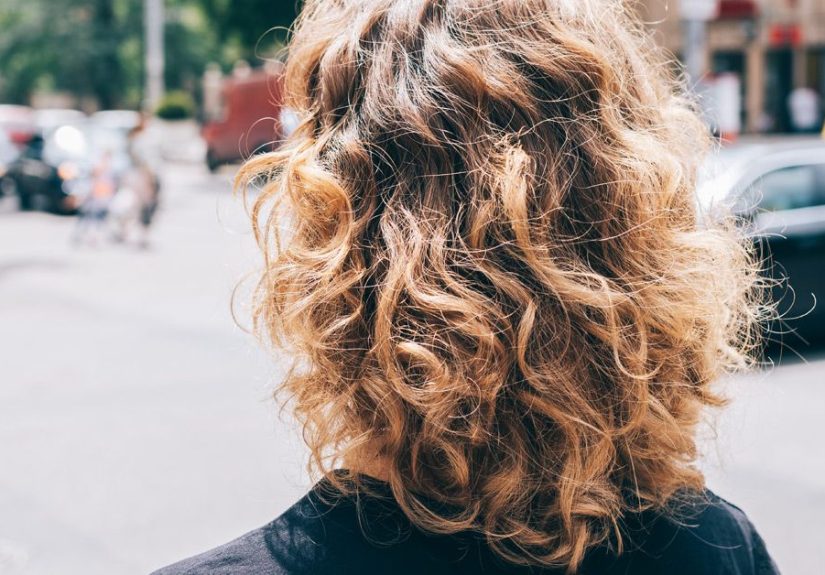
“Chemo curls” is a nickname for the changes in hair texture that can happen when hair grows back after chemotherapy.
People who had straight hair may notice new hair coming in wavy or curly. People with curls may find their curls
are tighter, looser, or uneven. Some notice changes in thickness (finer or coarser), shine, and even how their hair
partsbecause apparently your hair can also reinvent itself.
These texture changes often show up during the early regrowth period and may soften over time as the hair follicle
recovers. Not everyone gets chemo curls, and not everyone who gets them keeps them. But they’re common enough that
they’ve earned their own nameand their own set of styling questions.
Why Chemotherapy Affects Hair in the First Place
Hair follicles are fast growersand chemo targets fast growers
Chemotherapy drugs are designed to attack rapidly dividing cells. That’s a big deal for cancer cells, which often
divide quickly. But your body has other fast-dividing cells too, including the cells in hair follicles that make
hair grow. When those follicle cells get disrupted, hair can thin, shed, or fall out. This type of hair loss is
often called chemotherapy-induced alopecia (or anagen effluvium), and it can happen on the scalp and elsewhere
(eyebrows, eyelashes, body hair).
Not every chemo regimen causes the same hair changes
Some chemotherapy drugs are more likely to cause noticeable hair loss than others, and dose and schedule matter too.
Your care team can usually tell you whether hair loss is likely with your specific regimen. Also worth knowing:
“hair loss” isn’t always all-or-nothing. Some people have thinning, some have patchy loss, and some lose most or
all scalp hair. And sometimes texture changes happen even if you didn’t lose all your hair.
A Simple Timeline: From First Infusion to First Fuzz
During treatment: shedding often starts a few weeks in
If your chemo is likely to cause hair loss, shedding often begins within the first month of treatment. Many people
notice more hair on the pillow, in the brush, or in the shower drain. Some people also feel scalp tenderness or a
“tingly” sensationyour scalp’s way of being dramatic in a very real situation.
After treatment: regrowth usually begins within a few months
Once chemotherapy ends, follicles typically begin recovering. Many people notice very fine “peach fuzz” first,
followed by more visible growth. Timing varies widely, but a common pattern is early regrowth within a couple of
months and fuller regrowth over the following months. The first hair can look different: softer, finer, curlier,
and sometimes a different color (temporary gray or lighter shade can happen).
Eyebrows, eyelashes, and body hair may have their own schedule
If chemo affects eyebrows and eyelashes, regrowth may lag behind scalp hair. Some people notice brows returning
earlier than lashes, or vice versa. Body hair also often returns gradually. The timeline can feel uneven, but it’s
usually part of the normal “follicles rebooting” process.
Why Does Hair Grow Back Curly (or Straighter) After Chemo?
Hair texture is influenced by the shape of the hair follicle and how the hair shaft forms as it grows. After hair
loss, follicles may temporarily change shape or function as they recover. That can affect the hair shaft’s curve,
thickness, and surface. Translation: the “factory” is open again, but it’s running a new machine setting for a while.
Early regrowth hair is also new, delicate hair that hasn’t been through months (or years) of heat styling, coloring,
sun exposure, and harsh detergents. That can make it feel differentsometimes healthier, sometimes frizzier, sometimes
like it’s negotiating with gravity on a daily basis.
Other factors can contribute too: changes in hormones, nutrition during recovery, stress on the body, and medication
effects beyond chemo. The result is often a “transition texture” phase that can evolve as hair grows and the follicle
settles back into its usual rhythm.
What Chemo Curls Can Look Like (Yes, It’s a Grab Bag)
Chemo curls and post-chemo regrowth can vary, but common changes include:
- Tighter curls or new waves in hair that used to be straight.
- Looser curls (or straighter patches) in hair that used to be consistently curly.
- Finer texture at first, with hair that breaks more easily.
- Coarser or wirier feel in early regrowth, often improving over time.
- Different color (temporary gray, lighter tone, or subtle shifts).
- Patchy density as follicles “wake up” at different speeds.
- Cowlicks and odd partingyour hair may try a new architectural layout.
How to Care for Your Scalp and New Hair During Regrowth
Think “baby hair rules”
New regrowth is often fragile. Treat it like you’d treat a baby sweater: gently, patiently, and not with a 450°F
flat iron. A good baseline routine:
- Use a mild shampoo and gentle conditioner to reduce dryness and breakage.
- Pat dry instead of rubbing; consider a soft towel or microfiber wrap.
- Detangle carefully with a wide-tooth comb if needed.
- Limit heat (blow dryers, curling irons, straighteners) early on.
- Skip harsh chemicals (bleach, perms, strong dyes) until your oncology team says it’s okay.
Protect the scalp you can now see (even if you’d rather not)
If hair is thin or you’re bald during treatment, your scalp is more exposed to sun and cold. Hats, scarves, and
sunscreen are practicalnot just fashion. During regrowth, scalp skin can still be sensitive. If you notice redness,
flaking, itching, or irritation, ask your care team whether a gentle moisturizer or specific scalp product is appropriate.
Trim strategically
Cutting hair doesn’t make it grow faster (sorry, biology), but trims can help shape regrowth and reduce the look of
uneven ends as textures shift. Many people find that a few planned trimsrather than one dramatic “fix it now” cutfeels
more manageable.
How to Style Chemo Curls Without Starting a War With Your Hair
Start with moisture
Early chemo curls can be dry and frizz-prone. Light, fragrance-free leave-in conditioners or curl creams can help define
curls without weighing hair down. Think “soft support,” not “helmet of product.”
Use gentle styling habits
- Scrunch, don’t yank. Let curls form instead of forcing them into submission.
- Sleep smarter. A smooth pillowcase or hair wrap can reduce friction and frizz.
- Choose soft accessories. Avoid tight elastics that snag fragile hair.
- Try “refresh days.” A little water spritz and a tiny bit of product can revive curls without full washing.
If you want to color or chemically treat your hair, ask first
It’s tempting to “get back to normal” with color or straightening. But regrowth hair can be delicate, and your scalp
may still be sensitive. Many cancer centers recommend waiting until hair is stronger and your care team gives the green
light. If you do color later, consider gentler options and a professional stylist experienced with post-chemo hair.
Can You Prevent Hair Lossor Chemo Curls?
Scalp cooling (cold caps) may reduce hair loss for some people
Scalp cooling devices (often called “cold caps”) are used before, during, and after chemo infusions to cool the scalp.
The goal is to reduce the amount of chemotherapy drug reaching hair follicles. Scalp cooling can help some people keep
more hair, especially with certain solid-tumor chemo regimens. It doesn’t work for everyone, and it isn’t appropriate
for every cancer type or treatment plan. If you’re interested, ask your oncology team earlytiming and eligibility matter.
Supplements and “miracle regrowth hacks” deserve caution
The internet loves a miracle. Your body prefers evidence. Before starting supplements, oils, or medications marketed for
regrowth, talk with your care teamespecially during active treatment. Some supplements can interfere with treatment or
affect lab results. If a product promises “guaranteed regrowth in 7 days,” that’s not confidence; that’s marketing.
When to Call Your Care Team
Hair regrowth is usually a waiting game, but some situations deserve a check-in. Contact your oncology team or a
dermatologist if you have:
- Scalp pain, sores, pus, spreading redness, or signs of infection
- Severe itching or rash that doesn’t improve
- Sudden hair loss patterns that feel unusual for your timeline
- Little to no regrowth months after chemo ends (especially if it’s been around 6 months)
- Concerns about eyebrow/eyelash regrowth, eye irritation, or lash-related discomfort
The Emotional Side of Hair Changes (Because It’s Not “Just Hair”)
Even when you know hair loss is a side effect, it can still hit hard. Hair is tied to identity, privacy, culture,
gender expression, and confidence. Some people feel relief (“one less thing to deal with”), some feel grief, and many
feel a mix that changes day to day.
Practical coping strategies can help:
- Plan ahead (if you can): choosing head coverings or wigs before hair loss can feel more in-control.
- Protect your comfort: soft caps for sleep, gentle fabrics, temperature-friendly options.
- Find your people: support groups, trusted friends, or online communities can normalize the process.
- Give yourself permission to care: it’s okay to want to feel like yourself while you heal.
Quick FAQs About Chemo Curls
Are chemo curls permanent?
Often, no. Many people find that texture changes soften over time as hair grows and the follicles recover. But everyone’s
body is different, and some people keep a portion of the change longer-term.
Will shaving my head make hair grow back better?
Shaving doesn’t change follicle biology, but it can make shedding feel less distressing and regrowth look more uniform.
The benefit is emotional and practicalnot magical.
Why is my regrowth patchy?
Follicles don’t all “wake up” at the same time. Patchy regrowth is common early on and often improves over time.
Can I use minoxidil (Rogaine)?
Some clinicians use it to support regrowth in certain situations, but it’s not a one-size-fits-all solution. Ask your
oncology team before starting it, especially during active treatment or if your scalp is irritated.
Conclusion: Your Hair Is Recovering, Not Misbehaving
Chemo curls can feel surprising, frustrating, and occasionally hilarious (“Who gave my hair a perm while I wasn’t looking?”).
But they’re often a sign that follicles are reactivating and your body is rebuilding. Regrowth takes time, and the early
phases can look and feel unfamiliar. Gentle care, scalp protection, and realistic expectations go a long way.
If you’re dealing with chemo curls right now, remember: you’re not doing it wrong. Your hair is simply in its recovery era.
And recoverylike curlsrarely arrives in a perfectly straight line.
Real-Life Experiences: The Chemo Curls Diaries (What Many People Notice)
Everyone’s cancer journey is unique, but certain “hair moments” show up again and again in conversations with patients,
caregivers, and support communities. If you’re in the middle of it, you may recognize a few of these scenes.
1) “The shedding started and I didn’t expect it to feel so personal.”
Many people describe the first big shed as the moment chemo becomes visible. It’s not just hair in the brushit’s a
reminder that your body is working hard and going through something serious. Some people choose to cut their hair short
right away to make shedding feel less dramatic. Others keep their style as long as they can because it feels like a piece
of normal life. There’s no correct choiceonly the choice that helps you cope today.
2) “I became weirdly attached to my hats.”
Hats, beanies, scarves, and soft caps often become daily essentialsnot just for appearance, but for comfort. People talk
about being surprised by how cold their head feels, how sunlight hits differently, and how certain fabrics suddenly feel
scratchy. Over time, many develop a “rotation” like a mini wardrobe: a cozy sleep cap, a breathable daytime option, and a
“this makes me feel like myself” favorite for leaving the house.
3) “The first fuzz was exciting… and also confusing.”
The first signs of regrowth can feel like a milestonetiny, soft hair that looks like peach fuzz or a very short buzz.
People often describe touching their scalp more than usual, partly because it’s new, and partly because it’s proof that
healing is happening. At the same time, early regrowth can be uneven, and the texture can be unpredictable. Some folks
joke that their hair came back like it “downloaded the wrong update,” while others feel anxious about whether it will keep
growing. Both reactions make sense.
4) “Then the curls showed up… and they had opinions.”
When chemo curls arrive, people often describe a phase where hair seems to do whatever it wants: tight curls in one spot,
straight pieces in another, and a cowlick that behaves like it’s on a mission. A common experience is realizing that old
hair routines don’t work anymore. The brush that used to glide now creates frizz. The product that used to smooth now
weighs hair down. Many people have success when they shift from “control the hair” to “support the hair”adding moisture,
using gentle detangling, and letting texture form naturally.
5) “The hardest part wasn’t vanityit was identity.”
A lot of people say the emotional impact surprised them. Hair loss and regrowth can change how strangers interact with you,
how private you feel in public, and how you recognize yourself. Some people feel pressure to “be positive” about hair changes,
while privately grieving what they lost. Others feel proud of their regrowth as a symbol of survival. For many, it’s both:
pride and grief can sit in the same room without fighting.
6) “What helped most was getting practicaland asking for help.”
Across many stories, a few practical moves come up repeatedly:
- Talking to the care team early about whether hair loss is expected and whether scalp cooling is an option.
- Switching to gentle hair care during regrowth: mild shampoo, conditioner, soft drying, minimal heat.
- Choosing a stylist who’s kind, patient, and experienced with post-chemo hair (or willing to learn with you).
- Leaning on support: a friend who helps pick a head covering, a support group that normalizes the awkward stages,
or a caregiver who reminds you that regrowth takes time.
If you take one thing from these shared experiences, let it be this: the “chemo curls era” is often temporary, and it’s
okay to feel whatever you feel about it. You’re allowed to want your hair back. You’re allowed to be amused by it. You’re
allowed to be tired of thinking about it. And you’re allowed to build a new routine that fits the hair you have today,
while your body continues to heal.