Table of Contents >> Show >> Hide
- Chemo vs. Radiation: The Big Picture
- What Chemotherapy Is Used For
- What Radiation Therapy Is Used For
- Benefits: What Each Treatment Is Good At
- Side Effects: What to Expect (and Why They Happen)
- Chemo vs. Radiation: Practical Differences That Matter Day-to-Day
- How Doctors Decide: The Factors Behind the Recommendation
- Side Effect Management: Small Moves That Make a Big Difference
- Chemo vs. Radiation: A Quick Comparison Table (Words, Not Spreadsheets)
- Conclusion: Which One Is “Better”?
- Experiences: What Treatment Can Feel Like in Real Life (About )
- SEO Tags
If cancer treatment were a group project, chemotherapy and radiation therapy would be the two teammates who get the most done
and take the most questions. They’re both powerful, common, and often misunderstood. One travels through the bloodstream like a
city-wide delivery service (chemo). The other is more like a laser-focused specialist showing up to one address with a very precise plan (radiation).
This guide breaks down how each works, when doctors use them, what benefits they offer, what side effects to expect, and how people
often feel during treatmentso you can walk into appointments with fewer “Wait… what?” moments and more “Okay, I’ve got this.”
Chemo vs. Radiation: The Big Picture
Chemotherapy (chemo) uses medicines to kill or slow the growth of cancer cells. Because many chemo drugs travel through the bloodstream,
chemo is considered a systemic treatmentit can reach cancer cells almost anywhere in the body.
Radiation therapy uses high-energy beams (or, sometimes, implanted sources) to damage cancer cells’ DNA so they stop dividing.
It’s usually a local treatment, meaning it targets a specific tumor or area.
Here’s the simple (but accurate) shortcut:
Chemo = whole-body strategy.
Radiation = targeted strategy.
Why they’re often compared
They can both:
- Help cure cancer (especially when the cancer is caught early or is very treatment-responsive).
- Shrink tumors before surgery (neoadjuvant treatment).
- Kill leftover cancer cells after surgery (adjuvant treatment).
- Relieve symptoms when cure isn’t the goal (palliative treatment), such as pain or bleeding.
But they differ in how they’re delivered, how long they take, and which side effects show upso the best choice depends on the cancer type,
stage, location, and your overall health.
What Chemotherapy Is Used For
Chemo is especially useful when cancer cells may be in more than one place, even if scans don’t show it clearly yet. That’s why it’s common for:
- Cancers that have spread (metastatic disease) or have a higher risk of spreading.
- Blood cancers like leukemia and many lymphomas (where “local” treatment doesn’t make as much sense).
- After surgery to reduce the chance of recurrence (adjuvant chemo).
- Before surgery to shrink a tumor and make surgery easier or more successful (neoadjuvant chemo).
Examples of when chemo may be part of the plan
While every diagnosis is unique, these examples show why chemo can be chosen:
- Breast cancer: Some people need chemo to reduce recurrence risk, especially when cancer is aggressive or involves lymph nodes.
- Colon cancer: Chemo may be recommended after surgery for certain stages to help lower the risk of the cancer returning.
- Lymphoma: Chemo is often a primary treatment because lymphoma cells circulate through the lymphatic system and blood.
How chemo is given
Chemo can be delivered in several ways:
- IV infusion (sometimes through a port for easier access).
- Oral pills or capsules.
- Injections or special routes (less common), depending on the drug and cancer type.
Treatment usually happens in cycles (for example, one day of infusion followed by a couple weeks of recovery).
That schedule gives healthy cells time to bounce backbecause yes, healthy cells deserve a break too.
What Radiation Therapy Is Used For
Radiation is often chosen when doctors want to treat a specific spot with precision. It’s commonly used for:
- Localized tumors (cancer in one main area).
- After surgery to kill microscopic cells that might remain near the tumor site.
- Before surgery to shrink a tumor and improve surgical outcomes in certain cancers.
- Symptom relieffor example, easing pain from bone metastases or shrinking tumors that press on nerves.
External beam vs. internal radiation (brachytherapy)
Radiation therapy generally falls into two big buckets:
-
External beam radiation therapy (EBRT): A machine directs radiation beams at the tumor from outside the body.
Treatments are often short daily sessions (weekday visits) over several weeks. -
Brachytherapy (internal radiation): A radiation source is placed inside or near the tumor for a period of time.
This approach is used in certain cancers (for example, some prostate or gynecologic cancers).
Examples of when radiation may be part of the plan
- Breast cancer: Radiation is often recommended after lumpectomy to reduce recurrence in the breast.
- Prostate cancer: External beam radiation and/or brachytherapy may be options depending on risk level and goals.
- Head and neck cancers: Radiation may be central to treatmentsometimes combined with chemo (chemoradiation).
What the radiation process looks like (in real life)
Many people are surprised that a lot of radiation therapy happens before the first actual treatment:
- Simulation/planning: Imaging helps map the target area and protect healthy organs.
- Small skin marks: Tiny dots or marks help the team line things up consistently.
- Daily treatments: Sessions are usually quick, but consistentlike a standing appointment your calendar will not forget.
Benefits: What Each Treatment Is Good At
Benefits of chemotherapy
- Reaches cancer cells throughout the body, even those too small to detect on scans.
- Pairs well with other treatments (surgery, radiation, immunotherapy, targeted therapy).
- Highly effective for some cancers, including many blood cancers and chemo-sensitive tumors.
Benefits of radiation therapy
- Targets a specific area with precision, helping spare healthy tissue when carefully planned.
- Strong local control, especially after surgery when the goal is to eliminate remaining cells near the original tumor.
- Powerful symptom relief in palliative care, often with relatively quick improvement for pain or pressure symptoms.
Sometimes the best answer is: both
Many treatment plans use a combination. One common approach is chemoradiation (chemo and radiation given together),
where chemo can make cancer cells more sensitive to radiation in certain cancers. This is used in specific situations and cancer types,
and it comes with a side effect profile that can feel more intenseso the “why” matters, and your team should explain the strategy clearly.
Side Effects: What to Expect (and Why They Happen)
Side effects don’t mean treatment is “failing.” They usually mean treatment is doing what it doesaffecting rapidly dividing cells or
irritating tissues in the treated area. The good news: modern supportive care can prevent or reduce many side effects, and your team wants
you to report symptoms early (not when you’re already suffering in silence).
Common chemotherapy side effects
Chemo can affect fast-growing healthy cells, including those in the bone marrow, digestive tract lining, and hair follicles. Common issues include:
- Fatigue (sometimes cumulative over cycles).
- Nausea/vomiting (often preventable with anti-nausea meds).
- Hair loss (depends on the drug; not all chemo causes it).
- Mouth sores and taste changes.
- Low blood counts, which can raise infection risk, cause anemia-related tiredness, or increase bruising/bleeding risk.
- Diarrhea or constipation depending on the regimen and supportive meds.
Possible long-term or serious chemo effects
Some side effects can last longer, depending on the drugs and your medical history. Examples can include:
- Peripheral neuropathy (numbness/tingling in hands or feet) with certain drugs.
- Fertility effects (varies by treatment, age, and timing).
- Organ effects (heart, lungs, kidneys) with specific agentsrare, but part of why monitoring matters.
Common radiation therapy side effects
Radiation side effects depend heavily on what part of the body is treated. Many people notice:
- Fatigue (often builds over the course of treatment).
- Skin changes in the treatment area (redness, irritation, drynesslike a stubborn sunburn with paperwork).
- Hair loss in the treated area (for example, scalp hair if the head is treated, not everywhere).
Area-specific radiation side effects (examples)
- Head/neck: dry mouth, mouth sores, taste changes, difficulty swallowing.
- Chest: cough or shortness of breath; soreness in the treated region.
- Abdomen/pelvis: nausea, diarrhea, bladder irritation (frequency/burning), rectal irritation.
Long-term radiation risks
Radiation can cause longer-term tissue changes (like scarring/fibrosis) depending on dose and location. There is also a small risk of
developing a second cancer years later, which is part of the benefit-risk discussionespecially important for younger patients. Modern techniques
aim to reduce these risks by focusing dose and limiting exposure to healthy organs.
Chemo vs. Radiation: Practical Differences That Matter Day-to-Day
Time and schedule
- Chemo: Usually in cycles (for example, every 1–3 weeks), sometimes with long infusion days and recovery days.
- Radiation: Often shorter daily visits (weekday sessions) over several weeks, with a very consistent routine.
Where treatment happens
- Chemo: infusion center, clinic, or at home for oral chemo.
- Radiation: radiation oncology center; treatment itself is painless, but setup and positioning matter.
How side effects show up
- Chemo: can affect multiple body systems because it circulates widely.
- Radiation: tends to affect the treated area most, plus fatigue.
Monitoring and check-ins
Both require monitoring. Chemo often comes with regular blood work. Radiation often includes weekly “on-treatment” visits
to check skin, symptoms, nutrition, and overall tolerance. In both cases, tell your team early if something feels offyour care plan can usually be adjusted.
How Doctors Decide: The Factors Behind the Recommendation
If you’ve ever wondered, “Why can’t they just pick the strongest option and be done with it?”it’s because “strongest” depends on what you’re trying to do:
control a local tumor, treat possible microscopic spread, protect organs, maintain quality of life, or all of the above.
Common decision factors include:
- Cancer type and biology: some cancers respond especially well to certain chemo drugs or radiation approaches.
- Stage and spread: systemic risk pushes toward systemic therapy; local control pushes toward local therapy.
- Tumor location: nearby organs can affect whether radiation is feasible or what technique is used.
- Your overall health and goals: other conditions, age, energy level, and what matters most to you.
- Prior treatments: past radiation or specific chemo drugs can shape future options.
Questions worth asking your care team
- What is the goal of this treatmentcure, control, or symptom relief?
- Why are you recommending chemo, radiation, or both for my specific cancer?
- What side effects are most likely for me, and what can we do to prevent or manage them?
- How will we know if it’s working?
- What symptoms mean I should call you right away?
- Are there alternatives (different drugs, different radiation schedule/technique, surgery, clinical trials)?
Side Effect Management: Small Moves That Make a Big Difference
You shouldn’t have to “tough it out” to prove anything. Managing side effects is part of treatmentnot a bonus round.
These general strategies are commonly recommended, but always follow your oncology team’s guidance for your situation.
Chemo side effect tips
- Nausea: take anti-nausea medications as prescribed (often best before nausea ramps up).
- Infection risk: know your fever instructions; some teams consider fever an urgent symptom during chemo.
- Mouth sores: gentle oral care, avoiding irritating foods, and using recommended rinses can help.
- Fatigue: pacing, short walks when possible, and asking for help with chores can be surprisingly powerful.
Radiation side effect tips
- Skin care: use only products approved by your radiation team; treat it like delicate skin that’s doing hard work.
- Nutrition: if swallowing is hard (head/neck or chest treatment), ask early about nutrition support.
- Bathroom changes: report urinary or bowel symptoms earlythere are medications and adjustments that can help.
- Energy management: plan your day around the time you feel best, not the time you wish you felt best.
Chemo vs. Radiation: A Quick Comparison Table (Words, Not Spreadsheets)
Chemotherapy
- Type: systemic
- Best for: cancers that may be widespread or have high spread risk
- Common side effects: fatigue, nausea, hair loss (drug-dependent), low blood counts
- Logistics: cycles, blood work, infusion days or oral meds
Radiation therapy
- Type: local/regional
- Best for: controlling tumors in a specific area; reducing local recurrence risk; symptom relief
- Common side effects: fatigue, skin changes; effects tied to treated area
- Logistics: planning session + daily weekday treatments for a period of weeks (varies)
Conclusion: Which One Is “Better”?
The most honest answer is: the better treatment is the one that matches your cancer’s behavior and your body’s needs.
Chemo and radiation aren’t rivalsthey’re tools. Sometimes one tool is enough. Sometimes you need both. And sometimes the plan changes midstream
because your team learns more about how the cancer responds.
If you take only one thing from this article, let it be this: ask questions, report side effects early, and remember that supportive care is not “extra.”
It’s how people get through treatment more safely and with a better quality of life.
Experiences: What Treatment Can Feel Like in Real Life (About )
People often say the hardest part isn’t just the treatmentit’s the uncertainty before it starts. The words “chemotherapy” and “radiation”
arrive in your life like uninvited guests who immediately rearrange your calendar. What many patients learn quickly is that the experience is less like a
single dramatic moment and more like a series of very human days: some tough, some manageable, and some surprisingly okay.
What chemo days can be like
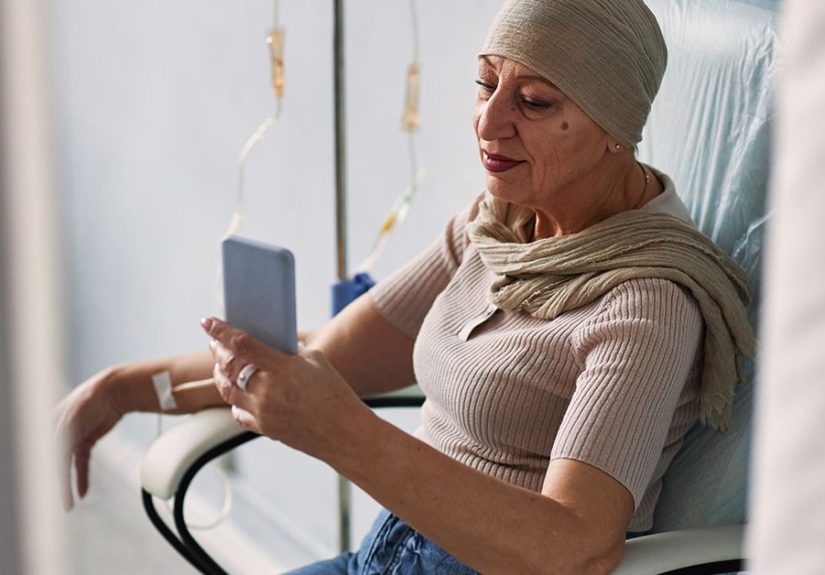
Many describe infusion day as a strange mix of routine and emotion. You might pack a “chemo bag” with snacks, a charger, a hoodie, and something comforting
(a book, playlist, or a friend who knows when to talk and when to just exist quietly). The infusion center can feel like its own little universenurses who
become familiar faces, reclining chairs that you learn to negotiate like a pro, and the oddly triumphant feeling of finishing a session.
Side effects often come in patterns. Some people feel fine the day of treatment and notice fatigue or nausea later. Others feel wiped out quickly and then
improve as the cycle goes on. A common theme is learning to plan life around your “good days.” Patients sometimes joke that they become expert schedulers:
laundry and errands on the upswing, rest and comfort food on the downswing.
What radiation routines can be like
Radiation therapy is often described as “quick but constant.” The daily appointment may only take a short time, but showing up weekday after weekday becomes
part of life. People talk about the routine feeling oddly groundinglike a steady rhythm when everything else feels chaotic. It can also feel tiring simply
because it’s relentless. Even when the treatment itself doesn’t hurt, the body may start to feel run down as weeks pass.
Skin changes are one of the most talked-about experiences. Many compare it to a sunburn that doesn’t get the memo to calm down. Patients often learn to be
gentle with the treated areasoft clothing, careful washing, and using only products approved by their care team. Some say the first time they treat that
skin kindly, it feels like a small victory: “I can’t control everything, but I can control this part.”
When chemo and radiation happen together
People receiving chemoradiation often describe it as more intensenot necessarily because it’s unbearable, but because it demands more attention:
managing hydration, nutrition, swallowing issues (in certain cancers), and fatigue. Many emphasize that support makes a big difference: dietitians, nurses,
caregivers, and friends who show up in practical ways (rides, meals, or just checking in without forcing positivity).
The emotional side (yes, it counts)
A lot of patients say the emotional experience changes over time. Early on, it may feel like survival mode. Later, it can become a long lesson in patience.
People often appreciate being reminded that asking for help isn’t weaknessit’s strategy. And on the days when you can laugh, even a little, it doesn’t mean
you’re not taking cancer seriously. It means you’re still you.