Table of Contents >> Show >> Hide
- What Exactly Is a Cherry Sling Ottoman?
- Quick Specs: A Real-World Example
- Why Cherry Wood Is the “Gets Better With Age” Hardwood
- The Sling Difference: Comfort, Support, and That Tailored Look
- How to Style a Cherry Sling Ottoman Without Overthinking It
- Choosing the Right Sling: Leather vs. Canvas
- Care and Maintenance: Keep It Gorgeous Without Becoming a Full-Time Furniture Butler
- Where a Cherry Sling Ottoman Fits Best
- Buying Checklist: What to Look For Before You Commit
- Real-Life Experiences With a Cherry Sling Ottoman (About )
There are ottomans, and then there are ott-omans that quietly steal the show. A cherry sling ottoman is one of those pieces: part footrest, part sculptural stool, part “waitwhere did you get that?” conversation starter. It looks simple, but it’s the good kind of simplethe kind that makes your other furniture look like it suddenly started trying harder.
In this guide, we’ll break down what a cherry sling ottoman is, why cherry wood is such a flex (in a tasteful way), how sling construction changes comfort, and how to style and care for it so it ages into that rich, warm patina everyone pretends they’re not jealous of.
What Exactly Is a Cherry Sling Ottoman?
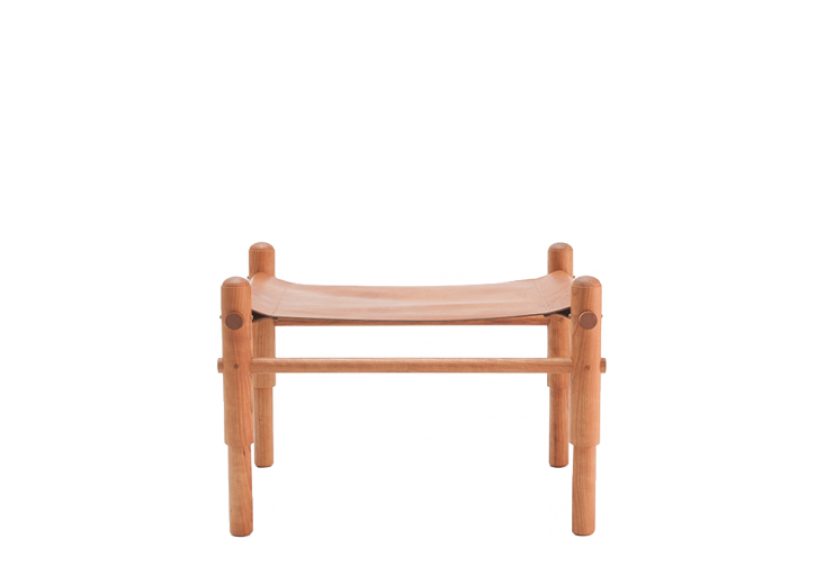
A “sling ottoman” swaps the usual upholstered cushion for a suspended seattypically leather or canvasstretched in a tailored sling across a wooden frame. Think hammock, but for your feet (and occasionally for a careful, polite sitter). The “cherry” part refers to the frame being made from cherry wood, a classic American hardwood prized for its smooth grain and famously handsome color shift over time.
Many modern sling pieces borrow from the spirit of campaign furnitureportable, practical designs originally built to be moved, packed, and used in real life. Translation: the vibe is refined, but not fragile. It’s the interior-design equivalent of a well-cut jacket with roomy pockets.
Quick Specs: A Real-World Example
While “cherry sling ottoman” can describe a category, one well-known interpretation is a compact, low-profile footstool built with turned wooden posts and pegs plus an integrated leather-or-canvas sling. In that style, you’ll commonly see dimensions around 24 inches wide, 18 inches deep, and 16 inches higha size that reads substantial without becoming a space hog.
Why those measurements work
- 16-inch height tends to pair well with many lounge chairs and sofas (comfortable for ankles, not a calf workout).
- 24-inch width gives your feet room to land without requiring a full “furniture rearrangement meeting.”
- 18-inch depth is deep enough for a sling to feel supportive without feeling like a trampoline.
Why Cherry Wood Is the “Gets Better With Age” Hardwood
Cherry wood has a reputation for maturing beautifully. Freshly cut cherry can start lightersometimes with pinkish tonesthen deepens over time into a warmer, richer reddish-brown, especially with exposure to light. This is why cherry furniture often looks more “alive” after a few months in a room than it did on day one.
Cherry’s personality traits (in furniture form)
- Color evolution: Cherry darkens and warms with time and light exposure, which many people consider part of its charm.
- Fine, even texture: It’s typically smooth-grained, so it looks clean and tailored even in minimalist rooms.
- Classic-but-not-stuffy: Cherry reads “heritage” without feeling like you moved into a museum gift shop.
One practical note: because cherry changes color, you’ll want to avoid leaving an object parked on top of it in the same spot for months (the infamous “tan line” effect, but for furniture). If you use a tray or stack of books on your ottoman, just rotate or move it occasionally.
The Sling Difference: Comfort, Support, and That Tailored Look
A sling seat behaves differently than a cushion. Instead of compressing foam, your feet are supported by tension in the material. That changes the feel in a few ways:
What you’ll notice immediately
- Gentle give: The sling has a small amount of flex, which can feel more ergonomic than a hard-topped stool.
- Crisp silhouette: With no bulky upholstery, the shape stays light and architectural.
- Material-forward design: Leather looks warm and luxe; canvas looks relaxed and casual (like it drinks iced coffee year-round).
Sling furniture also has design-history street cred. One famous sling-chair cousin is the Butterfly (BKF) chairan icon built from a metal frame and a suspended leather seat. The point isn’t that your ottoman is secretly a museum piece; it’s that sling construction has long been loved because it’s simple, comfortable, and visually striking without yelling for attention.
How to Style a Cherry Sling Ottoman Without Overthinking It
Styling an ottoman is basically choosing which job you want it to do: footrest, extra seat, soft coffee table, or “design punctuation mark” that makes the room feel finished. A cherry sling ottoman can do all of the abovejust pick your lane (or rotate lanes seasonally like a responsible adult with throw pillows).
1) As a classic footrest (the “correct” job, but not the only one)
Pair it with a lounge chair or sling chair. The wood frame visually connects to other warm finishes (walnut, oak, brass) and brings balance to rooms heavy on upholstery. If your chair is modern and boxy, the turned posts add softness. If your chair is already curvy, the ottoman’s geometry keeps things grounded.
2) As a coffee table alternative (tray requireddon’t be brave)
Want the softness and flexibility of an ottoman but still need a surface for drinks or remotes? Use a tray. A big tray gives you a stable platform, and you can remove it when you need extra seating. If you’re styling the tray, keep it simple:
- One stack of books (height)
- One sculptural object (personality)
- One practical item (coaster or small catchallyour future self will thank you)
3) As “extra seating” in a small living room
An ottoman is one of the easiest ways to sneak in seating without crowding the space. A sling ottoman can feel especially airy because it has negative space and a slimmer profile than a fully upholstered cube. It’s a seat in the way a barstool is a seat: occasional, handy, and surprisingly popular when guests show up.
4) As a bedroom or dressing-area helper
At the foot of the bed, a cherry sling ottoman reads calm and intentional. In a closet or dressing area, it gives you a spot to sit while putting on shoeswithout introducing a whole second chair that will inevitably become a laundry magnet.
Choosing the Right Sling: Leather vs. Canvas
Leather sling
Leather tends to age into a patinasoftening slightly, picking up character, and looking more “lived-in” in a good way. Depending on the leather type, it may show natural variation and markings. If you like furniture that looks better after it’s been used, leather is your friend.
Canvas sling
Canvas feels more casual and can lean coastal, modern rustic, or studio-minimalist depending on the rest of your room. It’s also great if you want a lighter visual footprint. Think: bright room, lots of texture, and a vibe that says “yes, you can put your feet up.”
Care and Maintenance: Keep It Gorgeous Without Becoming a Full-Time Furniture Butler
Cherry wood care
- Dust regularly with a soft cloth to prevent grit from acting like sandpaper.
- Avoid long-term direct sunlight if you want slower, more even color change (some sun is fine; a daily sunbeam spotlight is a lot).
- Rotate accessories (trays, books) so the wood ages evenly.
- Be cautious with harsh cleanersgentle is the move for finished wood surfaces.
Leather sling care
- Vacuum or dust gently to remove debris in seams and edges.
- Wipe with a slightly damp cloth for routine cleaningavoid soaking leather.
- Condition occasionally to keep leather supple, especially in dry climates.
- Keep it out of direct heat and sun to reduce drying and fading.
Canvas sling care
Canvas is usually low-drama. Spot-clean spills quickly, use mild cleaning methods, and let it dry completely. If your space is pet-heavy or snack-forward, canvas can be a practical choicejust don’t let stains audition for a long-running role.
Where a Cherry Sling Ottoman Fits Best
This piece shines in rooms that like balance: warm wood + clean lines, softness + structure, minimalism + comfort. A few especially good pairings:
- Modern organic: linen sofas, textured rugs, warm woods, simple ceramics.
- Mid-century adjacent: not a theme park versionjust a few iconic shapes and honest materials.
- Quiet luxury: fewer pieces, higher quality, and a room that feels calm instead of cluttered.
- Layered traditional: cherry plays well with classic interiors, especially when the sling keeps the look lighter.
Buying Checklist: What to Look For Before You Commit
Frame and joinery
- Look for tight connections and a frame that doesn’t rack or wobble.
- Turned posts and pegs should feel clean and intentional, not “craft fair on a windy day.”
Sling attachment and tension
- The sling should sit evenly, with consistent tension and no twisting.
- Ask how the sling is constructed and whether it can be serviced or replaced if needed.
Finish expectations
- Cherry changes with lightif you want a perfectly uniform color forever, cherry will not honor that request.
- Leather will show patina; canvas will show wear. Both are normal. Choose the kind of “real life” you enjoy.
Real-Life Experiences With a Cherry Sling Ottoman (About )
People usually buy a cherry sling ottoman thinking, “Nice, a footrest.” And thenwithin a weekit starts doing the kind of quiet, overachieving that makes other furniture nervous. First, it becomes the favorite landing spot at the end of the day. Not in a dramatic way. More like: you sit down, your feet find the sling, and your body instantly understands the assignment. The gentle give of the sling feels different than a firm upholstered ottomanless “platform” and more “supported.”
After a few months, the materials start telling a story. Cherry wood warms up, especially in a sunny room, and that shift can be oddly satisfyinglike watching a good leather jacket break in, but without the existential crisis of realizing you’re now emotionally attached to an object. If the sling is leather, it tends to soften and develop a lived-in look. Tiny variations become part of the charm. If you’re the kind of person who thinks “patina” is just a fancy word for “wear,” you may find yourself changing teams.
In real homes, the ottoman becomes a problem-solver. Movie night? It scoots closer to the sofa. Guests over? It turns into an extra perch (and everyone acts surprised it’s comfortable). Working from home? Suddenly it’s under your desk because your legs decided they deserve a promotion. It’s also the furniture equivalent of a good sidekick: it helps the main pieces look better by adding a layer of texture and warmth without stealing the plot.
One common surprise is how often people use it as a “soft coffee table.” The trick is a trayalways a tray. A sturdy tray makes it practical, and styling it becomes a tiny ritual: books, a candle, maybe a catchall for remotes so they stop teleporting to alternate dimensions. Then when you need the surface cleared, the tray lifts off and the ottoman goes right back to being a footrest. Flexible furniture is basically a love language in small spaces.
It also teaches you some gentle furniture habits. You start rotating objects so the cherry ages evenly (because nobody wants a rectangle-shaped tan line). You clean spills faster because the ottoman is always close enough to witness your snacks’ bad decisions. If you have pets, you may learn that canvas is more forgiving, while leather can be more resilient than expectedbut also more honest about claw-related crimes.
The biggest “experience” takeaway: a cherry sling ottoman doesn’t just fill a spot. It changes how a room functions day-to-day. It’s the kind of piece that feels intentional without feeling precious. And once you’ve lived with one, a lot of bulky, overstuffed ottomans start looking like they’re trying a little too hard.