Table of Contents >> Show >> Hide
- What Is Chia Seed Water, Exactly?
- Chia Seeds 101: What’s Actually in Them?
- So… Can Chia Seed Water Help You Lose Weight?
- How to Use Chia Seed Water for Weight Loss (Without Fooling Yourself)
- Common Mistakes That Make Chia Seed Water Backfire
- Benefits Beyond Weight Loss (Still Worth Caring About)
- Who Should Be Careful With Chia Seed Water?
- FAQ: Quick Answers People Actually Want
- Real-World Experiences With Chia Seed Water (A 500-Word Add-On)
- Conclusion: Helpful Tool, Not a Miracle Drink
Chia seed water has one job on the internet: to look like a tiny science experiment in your cup and promise big weight-loss results.
It’s basically water + chia seeds, which swell into a gel-like texture after soaking. The question is: does that gooey magic actually
help you lose weightor is it just a trendy way to make your drink look like it’s wearing polka dots?
Let’s break it down with real nutrition science, realistic expectations, and a zero-fluff answer: chia seed water can support weight loss
if it helps you eat fewer calories overall. It’s not a fat-melting potion. It’s more like a “helpful side character” in a bigger story
about hunger, habits, and consistency.
What Is Chia Seed Water, Exactly?
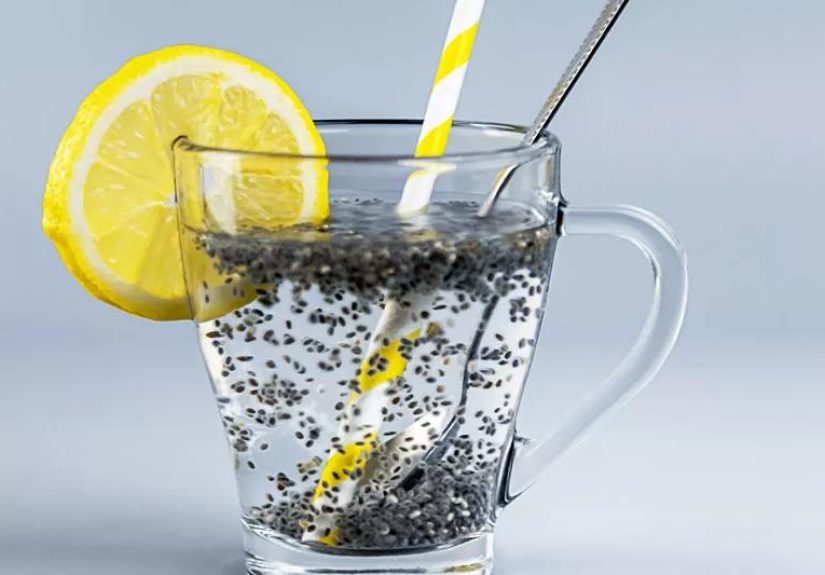
Chia seed water is made by stirring chia seeds into water and letting them soak for about 10–30 minutes (or longer). As they hydrate,
they form a gel (often called “mucilage”), which thickens the drink. Some people add lemon, lime, cinnamon, or a splash of juice to improve flavor.
Why the gel matters
That gel forms because chia seeds contain soluble fiber. Soluble fiber absorbs water and can slow digestion a bit, which may help you feel
fuller for longer. In plain English: it can make your stomach feel like it’s got a “please hold” sign on it.
Chia Seeds 101: What’s Actually in Them?
Chia seeds are small, but nutritionally they punch above their weight. They’re known for:
- Fiber (a lot for such a small serving)
- Plant-based omega-3s (ALA)
- Protein (modest, but helpful)
- Minerals like calcium, magnesium, and phosphorus
A common serving size is 2 tablespoons (about 1 ounce / 28g). That serving is roughly around 140 calories and
provides a hefty amount of fiber along with healthy fats and some protein. The exact numbers vary by brand and measurement style,
but the big picture is consistent: chia seeds are nutrient-dense.
So… Can Chia Seed Water Help You Lose Weight?
The honest answer: it can help indirectly. Weight loss happens when you consistently take in fewer calories than you burn over time.
Chia seed water may make that easier in a few practical waysmostly by helping with hunger, snacking, and “liquid calories.”
1) It may increase fullness (satiety)
Because chia absorbs water and adds volume, many people feel fuller after drinking itespecially if they drink it before a meal or during the time
they normally start hunting for snacks. Research on chia and satiety is mixed, but the mechanism makes sense: soluble fiber + fluid = slower gastric
emptying and a longer-lasting sense of fullness.
Important detail: fullness is only helpful if it leads to behavior changes, like smaller portions or fewer snacks. If you drink chia seed water and
then celebrate by adding an extra pastry “because health,” your body will not be moved by the plot twist.
2) It can replace higher-calorie drinks
Many weight-loss plans succeed because people reduce liquid caloriessugary coffee drinks, soda, sweet tea, and “juice that is basically dessert in disguise.”
If chia seed water replaces something high-calorie, it can support a calorie deficit.
Example: If you normally drink a sweetened beverage in the afternoon and swap it for chia seed water with lemon, you might reduce daily calories without
feeling deprived. That’s not glamorous, but it’s powerful.
3) It can support fiber intake (and fiber helps weight management)
Many Americans don’t get enough fiber. Higher-fiber eating patterns are linked to better appetite control and healthier gut function. When your meals have
more fiber, they tend to be more filling per calorie (especially when paired with protein).
Think of fiber as the “slow-burn” part of the meal: it helps you stay satisfied longer. Chia can be one tool for thatthough it’s not the only one
(beans, lentils, oats, vegetables, and berries can also be fiber superheroes).
What the studies really suggest
Chia has been studied for metabolic markers and weight outcomes, and results aren’t consistently dramatic. Some research shows small improvements in fullness
or certain health markers, while other studies show no significant weight-loss difference when chia is added without other lifestyle changes.
Translation: chia helps the most when it supports a broader plan, not when it’s treated like a magic seed from a fairy tale.
How to Use Chia Seed Water for Weight Loss (Without Fooling Yourself)
If you want chia seed water to be useful, treat it like a strategyone that fits into your daily routine and supports healthy eating habits.
A simple, sensible recipe
- Stir 1 teaspoon to 1 tablespoon chia seeds into 8–12 ounces of water.
- Let it sit for 10–15 minutes, stir again to reduce clumps, and wait another 5–10 minutes.
- Add lemon/lime, cinnamon, or a small splash of juice if you want flavor.
- Drink it slowly, and follow it with water if you’re increasing fiber.
Starting small matters because chia is high in fiber. Going from “low fiber” to “chia every day forever” can lead to bloating, gas, or bathroom drama.
Your gut likes a warm-up lap.
Timing ideas that actually make sense
- Mid-afternoon: when cravings hit and snack choices get chaotic.
- Before dinner: if you tend to arrive at dinner starving and over-serve.
- As part of breakfast: alongside protein (eggs, Greek yogurt, tofu scramble) for longer fullness.
Pair it with the “Big 3” for better results
If your goal is weight loss, chia seed water works best when it supports these three things:
- Protein at meals: helps fullness and supports muscle.
- High-volume foods: vegetables, soups, fruitlots of food for fewer calories.
- Consistent movement: walking, sports, strength trainingwhatever you can do regularly.
Common Mistakes That Make Chia Seed Water Backfire
Mistake #1: Using too much chia
More is not always better. Chia has calories. If you add several tablespoons daily without adjusting anything else, you can accidentally increase total intake.
Weight loss loves math. It’s not romantic, but it’s loyal.
Mistake #2: Not soaking it well (or drinking it too fast)
Chia expands in liquid. Drinking it too thick, too quickly, or with insufficient soaking can be uncomfortable for some peopleespecially those who have
difficulty swallowing. A smoother gel (properly soaked and well-stirred) is easier to handle.
Mistake #3: Treating it like a “detox”
Your liver and kidneys handle detoxing. Chia seed water can support digestion and hydration, but it doesn’t “flush fat.” If anyone promises that,
they’re selling a storyline, not physiology.
Benefits Beyond Weight Loss (Still Worth Caring About)
Even if chia seed water isn’t a guaranteed weight-loss hack, chia seeds can still be a smart addition to a balanced diet.
Better digestion for some people
More fiber can support regularity and overall gut health. If you’re not used to fiber, increase gradually and drink plenty of fluids.
Heart-healthy fats
Chia provides ALA, a plant-based omega-3. It’s not the same as the omega-3s in fatty fish, but it still contributes to a healthier fat pattern in the diet.
More nutrient density with minimal effort
Adding a small amount of chia is a simple way to bump fiber and minerals without changing your whole menu.
It’s like upgrading your diet without needing a complete kitchen renovation.
Who Should Be Careful With Chia Seed Water?
Chia seeds are generally safe for many people in normal food amounts, but there are a few “pause and consider” situations:
- Swallowing difficulties: soaking thoroughly matters; ask a clinician if you have a history of esophageal issues.
- Digestive sensitivity: high fiber can cause bloating or discomfort if increased too quickly.
- Medication considerations: chia may affect blood sugar or blood pressure in some people; use extra caution if you take meds for either.
- Allergies: seed allergies exist. If you notice itching, swelling, or symptoms that feel unusual, stop and seek medical advice.
If you’re managing a medical condition or taking medications, it’s smart to ask a registered dietitian or clinician before making chia a daily habitespecially
in larger amounts.
FAQ: Quick Answers People Actually Want
How fast will I lose weight with chia seed water?
If weight changes happen, they’re usually because chia helps you eat fewer calories or snack lessnot because chia “burns fat.”
If nothing else changes, results may be minimal.
Is it better in the morning or at night?
The best time is the time you’ll actually use it consistently. Many people find it most helpful when cravings hit (often mid-afternoon or before dinner).
Do I need lemon, cinnamon, or honey?
No. Flavor add-ins don’t make it “work.” They just make it easier to drink. If you add sweeteners, keep them small so you don’t erase the calorie advantage.
Real-World Experiences With Chia Seed Water (A 500-Word Add-On)
Experiences with chia seed water tend to fall into a few predictable categories, and they’re honestly more helpful than the viral “I drank this once and became
a superhero” posts. Here’s what people commonly reportplus what those experiences might actually mean.
“It keeps me full, so I snack less.”
This is one of the most common experiences. People often say chia seed water helps them feel “held over” between meals, especially in the late afternoon when
energy dips and snack cravings get loud. If you’re someone who gets ravenous by dinner and ends up eating fast and extra-large portions, sipping chia seed water
beforehand may create a calmer appetite. The key detail is that this works best when the rest of the meal is balancedchia can help with hunger, but protein and
vegetables usually do the heavy lifting.
“The texture is… weird. Like frog eggs.”
Also common. The gel texture is not everyone’s favorite. Some people adapt by using more water, stirring twice, and adding lemon or lime. Others prefer blending
the soaked mixture into a smoothie so the texture disappears. If texture is a deal-breaker, it’s completely fine to use chia in other wayslike stirring a small
amount into yogurt, oatmeal, or overnight oatsso you still get the fiber benefit without feeling like you’re drinking tapioca’s mysterious cousin.
“It helped my digestion… after a few days.”
Some people notice more regular bathroom habits once they consistently add chia. That’s believable because chia adds fiber, and fiber can support regularity
especially when paired with enough fluids. But there’s a flip side: others report bloating or gas at first, particularly if they jump from low fiber to high fiber
overnight. A gradual ramp-up (starting with a teaspoon) tends to create smoother results than going from zero to “three tablespoons daily” on day one.
“I gained weight because I added it on top of everything.”
This happens, toousually unintentionally. Chia seeds have calories, and “healthy calories” still count. People sometimes add chia seed water while also keeping
the same snacks and portions, or they add sweeteners and juices that turn the drink into a stealthy dessert. The best experiences usually come from using chia seed
water as a replacement (for a high-calorie drink or snack) rather than as an extra.
“It’s the first habit I’ve been able to stick with.”
This might be the most important experience of all. Chia seed water is simple. It’s quick. It feels like a “small win,” and small wins build momentum. For many
people, the real value isn’t that chia is magicalit’s that the habit nudges them toward better hydration, a bit more fiber, and slightly better appetite awareness.
Those are the kinds of boring, sustainable changes that actually add up.
Conclusion: Helpful Tool, Not a Miracle Drink
Chia seed water can support weight loss if it helps you feel fuller, snack less, and replace higher-calorie drinks. The science doesn’t crown it as a guaranteed
weight-loss shortcut, but it does back up the idea that fiber + fluid can improve satiety for many people. Use a reasonable amount, soak it well, increase slowly,
and plug it into a bigger plan that includes protein, fiber-rich foods, and consistent movement.
If you want a realistic motto: Chia seed water won’t do the work for you, but it can make the work easier.