Table of Contents >> Show >> Hide
- What Chiropractic Care Actually Includes (Spoiler: It’s Not Just “Cracking Backs”)
- Quick Safety Note Before We Get to the Good Stuff
- 1) Non-Drug Pain Relief for Common Aches
- 2) Relief for Acute and Subacute Low Back Pain
- 3) Support for Chronic Low Back Pain (Especially When Paired With Exercise)
- 4) Help With Certain Types of Neck Pain and Mobility Problems
- 5) Headache Management for Some People (Especially Cervicogenic or Tension-Related)
- 6) Improved Joint Function and Everyday Movement
- 7) Personalized Posture and Ergonomic Coaching (Because Your Chair Is Part of the Problem)
- 8) Sports and Activity Support: Recovery, Mobility, and Return-to-Play Planning
- 9) Pregnancy-Related Musculoskeletal Comfort (With the Right Precautions)
- 10) A Collaborative, Whole-Plan Approach (When It’s Done Well)
- What to Expect at Your First Chiropractic Visit
- How to Choose a Chiropractor (Without Falling for Hype)
- Common Questions People Ask About Chiropractic Care
- Experiences With Chiropractic Care (A 500-Word Reality-Based Look)
- Conclusion
If you’ve ever stood up from your desk and sounded like a bowl of Rice Krispies (snap, crackle, why am I like this?),
you’ve probably wondered whether chiropractic care could help. Chiropractic is a form of hands-on health care that focuses on the
musculoskeletal systemespecially the spine, joints, and how they move. The headline promise isn’t magic or “instant alignment for
all of life’s problems.” It’s much more practical: improving motion, reducing pain, and helping you function betteroften with a
non-drug approach.
Here’s the key: the strongest evidence for chiropractic care is for certain musculoskeletal issues (think back pain,
neck pain, and some types of headache). Claims that adjustments can “cure” unrelated diseases or supercharge your immune system are
not backed by strong research. So in this article, we’ll stay grounded in what reputable medical organizations and research say,
while still keeping it realand maybe a little funnybecause pain is serious, but you deserve to read something that doesn’t feel
like an instruction manual for a toaster.
What Chiropractic Care Actually Includes (Spoiler: It’s Not Just “Cracking Backs”)
Chiropractic care can include spinal manipulation (often called an “adjustment”), joint mobilization, soft-tissue work, movement and
exercise advice, posture/ergonomic coaching, and lifestyle recommendations that support recovery. Many chiropractors also coordinate
care with other providersespecially when symptoms suggest you need imaging, medication, physical therapy, or specialist evaluation.
Quick Safety Note Before We Get to the Good Stuff
Most people experience either no side effects or mild, temporary ones (like soreness or stiffness). Serious complications are
considered very rare, but they’ve been reportedparticularly with certain neck manipulations in people with underlying risk factors.
The smart move is simple: be honest about your medical history, ask questions, and seek urgent care for red-flag symptoms (more on
that below).
Red Flags: When to Skip the Chiropractor and Get Medical Care First
- New numbness, weakness, trouble walking, or loss of bowel/bladder control
- Fever, unexplained weight loss, history of cancer, or severe night pain
- Major trauma (car crash, serious fall), or suspected fracture
- Sudden “worst headache,” vision changes, trouble speaking, or facial droop
- Neck pain with neurological symptoms (especially if sudden or severe)
1) Non-Drug Pain Relief for Common Aches
One of the biggest advantages of chiropractic care is that it offers a nonpharmacologic option for managing certain
types of painespecially musculoskeletal pain. In a world where many people want to avoid relying on medication (or can’t take certain
meds due to side effects or interactions), hands-on care plus movement guidance can be a helpful first step.
Example: If you have a cranky lower back after a weekend “warrior” project (you moved one couch and suddenly you’re
97 years old), conservative care may help you get moving again while you work on strengthening and ergonomics.
2) Relief for Acute and Subacute Low Back Pain
Low back pain is the poster child for chiropractic careand for good reason. Major clinical guidelines recognize spinal manipulation
as an option among initial non-drug treatments for acute or subacute non-radicular low back pain. That doesn’t mean it’s a miracle;
it means it’s a reasonable tool in a broader toolkit.
What this looks like in real life
Your chiropractor may combine adjustments with education (how to move without flaring things up), gentle mobility work, and a plan to
build strength and endurance. The goal isn’t just “less pain today,” but “more resilience next month.”
3) Support for Chronic Low Back Pain (Especially When Paired With Exercise)
Chronic low back pain is complicatedoften involving muscle conditioning, movement habits, stress, sleep, and sometimes work demands.
Research suggests spinal manipulation can provide modest improvements for some people, but it tends to work best when combined with
active care like exercise, walking, and strengthening.
Practical takeaway: If the plan is “adjustments forever and never lift a light dumbbell again,” ask for a more complete
strategy. A good plan evolves from pain relief to performance and prevention.
4) Help With Certain Types of Neck Pain and Mobility Problems
Neck pain is commonespecially with phone-and-laptop posture, stress, or after minor injuries. Chiropractic care may help by improving
joint mobility, reducing muscle guarding, and helping you restore normal range of motion. Many chiropractors also teach ergonomic and
strengthening strategies, because your neck shouldn’t have to hold up your screen time habits alone.
Smart questions to ask
- “Will you use high-velocity techniques on my neck, or can we start with gentler mobilization?”
- “What home exercises will support the work we do here?”
- “What symptoms would mean I should stop and get medical evaluation?”
5) Headache Management for Some People (Especially Cervicogenic or Tension-Related)
Not all headaches are created equal. Some are related to neck dysfunction (often called cervicogenic headaches), muscle tension,
posture strain, or jaw/upper-back issues. For certain headache types, addressing musculoskeletal contributors may reduce frequency or
intensity for some patients. The key word is some. Migraines, for instance, are neurological and can have multiple
triggersso chiropractic care, if used, should be part of a broader plan that may include medical guidance.
Example: If you get headaches after long meetings and notice your neck feels tight and your shoulders live at ear level,
a plan that targets neck mobility, upper-back movement, and posture breaks may help.
6) Improved Joint Function and Everyday Movement
Chiropractic care isn’t only about pain. Sometimes the “win” is moving betterturning your head without wincing, squatting without
feeling locked up, or getting through a workday without feeling like your body is staging a protest. Improved joint motion can also
make it easier to exercise, and exercise is one of the most consistent long-term helpers for many musculoskeletal conditions.
7) Personalized Posture and Ergonomic Coaching (Because Your Chair Is Part of the Problem)
A sneaky benefit of chiropractic care is education. Many chiropractors spend time teaching posture tweaks, desk setup changes, lifting
mechanics, and movement “snacks” you can do during the day. Tiny adjustments (pun fully intended) can reduce strain and help prevent
repeated flare-ups.
Try this now (yes, right now)
- Drop your shoulders away from your ears.
- Bring your screen up closer to eye level.
- Plant both feet, and scoot your hips to the back of the chair.
- Take one slow breath like you’re not being chased by email.
8) Sports and Activity Support: Recovery, Mobility, and Return-to-Play Planning
Athletes and active people often seek chiropractic care for mobility work, soft tissue support, and guidance around training loads.
Chiropractic care may help reduce pain and restore motion after minor strains, but the biggest advantage is often the overall plan:
when to rest, when to modify training, and how to rebuild capacity safely.
Example: A runner with recurring hip tightness might benefit from joint mobility work and a strengthening plan
for glutes and core, plus training adjustments to prevent overload.
9) Pregnancy-Related Musculoskeletal Comfort (With the Right Precautions)
Pregnancy can change posture, joint laxity, and load on the lower back and pelvis. Some chiropractors offer pregnancy-specific care and
positioning modifications to improve comfort. If you’re pregnant, it’s wise to choose a provider experienced with prenatal care, and
to coordinate with your OB/GYN or midwifeespecially if you have complications.
Reality check: The goal is comfort and functionnot promises about labor outcomes or “guaranteed” pelvic alignment.
10) A Collaborative, Whole-Plan Approach (When It’s Done Well)
One underrated advantage is how chiropractic care can fit into coordinated musculoskeletal care. The best outcomes often happen when
providers work in parallel: chiropractic care for symptom relief and mobility, physical therapy or exercise programming for strength
and stability, and medical evaluation when symptoms suggest something more serious.
The mark of a strong chiropractor isn’t how many conditions they claim to treat. It’s how well they:
(1) assess your situation, (2) explain options and risks, (3) set measurable goals, and (4) refer you out when appropriate.
What to Expect at Your First Chiropractic Visit
A solid first visit usually includes a health history, discussion of symptoms, physical exam (range of motion, strength, reflexes,
orthopedic tests), and a plan. Some clinics may recommend imaging, but it shouldn’t be automatic for everyone. You should feel free to
ask why something is recommendedand what would change based on the result.
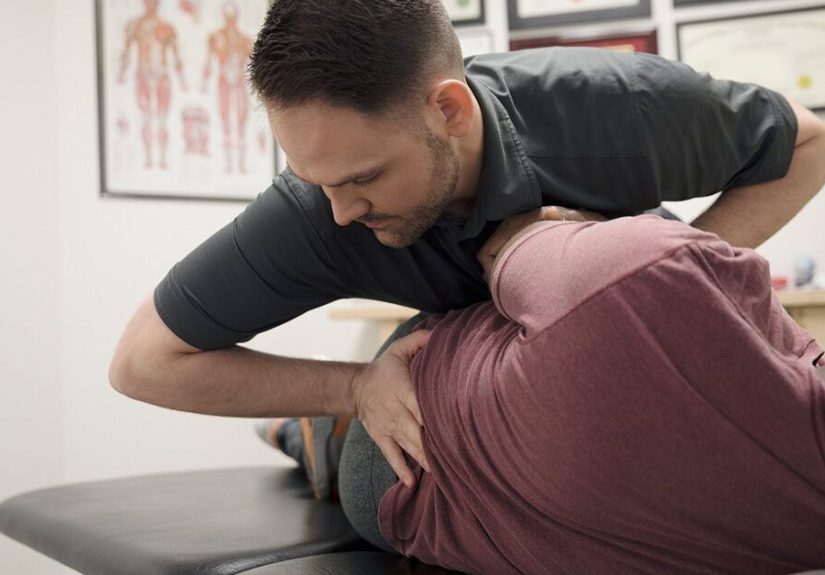
During an adjustment
You might hear a “pop.” That sound is often gas releasing from the joint (like cracking knuckles), not bones grinding into place.
Afterwards, mild soreness can happenespecially if you haven’t had manual therapy before.
How to Choose a Chiropractor (Without Falling for Hype)
- Look for clear communication: they explain your diagnosis and plan in plain English.
- Ask about shared decision-making: do they discuss options, risks, and alternatives?
- Expect an active plan: movement, exercise, and self-care should be part of it.
- Watch out for wild promises: “We can cure everything” is not a green flag.
- Comfort matters: you should feel respected, not pressured into long prepaid plans.
Common Questions People Ask About Chiropractic Care
How many visits will I need?
It depends on the condition, severity, and your goals. Many people try a short trial (for example, a few visits over a couple weeks)
and evaluate progress using measurable outcomespain levels, range of motion, sleep, function, or ability to return to activities.
Is chiropractic care safe?
For many people, side effects are mild and short-lived (like soreness). Serious adverse events have been reported but are considered
very rare. The safest approach is a careful history, appropriate technique selection, and avoiding manipulation when contraindications
are present.
Can chiropractic help with non-musculoskeletal diseases?
High-quality research support is limited for non-musculoskeletal conditions. Be skeptical of claims that adjustments prevent, treat,
or cure diseases. If a clinic’s marketing sounds like it belongs on a late-night infomercial, you’re allowed to back away slowly.
Experiences With Chiropractic Care (A 500-Word Reality-Based Look)
People’s experiences with chiropractic care vary, but a few themes show up again and again: curiosity, a little nervousness, and the
pleasant surprise that the appointment is usually more “assessment and planning” than “mystical spine wizardry.” Here are three
composite, realistic experiencesbased on common patient journeysso you know what it can feel like when chiropractic care is done
thoughtfully.
Experience #1: The Desk Worker With the “Tech Neck” Special
Jordan (who definitely doesn’t spend hours staring at a laptop… except yes, absolutely does) comes in with neck stiffness and
headaches that show up after long workdays. The first visit involves a detailed historywhen symptoms started, what makes them worse,
and whether there are any red flags. The chiropractor checks range of motion, posture, and upper-back mobility. Instead of immediately
launching into dramatic neck twisting, the chiropractor starts with gentler mobilization and soft tissue work, then explains a simple
plan: brief posture breaks, screen height changes, and two strengthening moves to support the upper back. After the first session,
Jordan feels looserbut also a little sore, like the “I went to the gym for the first time” version of soreness. Within a couple
weeks, the headaches are less frequent, and Jordan realizes the real MVP wasn’t only the adjustmentit was the new habit of taking
movement breaks before the neck turns into a grumpy statue.
Experience #2: The Runner Who Can’t Stop Stretching (But Still Hurts)
Sam runs four days a week and stretches like it’s an Olympic sport. The problem: recurring low back tightness after long runs. The
chiropractor evaluates hip mobility, glute strength, and running-related movement patterns. Treatment includes targeted spinal and hip
mobility work, but the bigger “aha” is the training plan: adding strength work twice a week, adjusting long-run progression, and
improving warm-up drills. Sam notices that chiropractic sessions help calm flare-ups, but the lasting improvement comes when strength
and load management become part of the routine. The experience feels less like “fix me” and more like “coach me,” which is exactly how
active recovery should work.
Experience #3: The New Parent With a Back That’s Angry at Gravity
Taylor has a new baby, which means sleep is rare and lifting is constant. The back pain isn’t from one dramatic momentit’s the daily
repetition of feeding, carrying, and bending with a tired core. The chiropractor offers gentle care, teaches safer lifting strategies,
and focuses on restoring comfortable movement. Taylor learns how to hinge at the hips, brace the core without holding the breath, and
set up the nursery area to reduce awkward bending. Over time, chiropractic care becomes part of a broader survival plan: better
mechanics, simple strengthening, and realistic expectations. The biggest benefit? Feeling capable againnot perfect, but functional.
Across these experiences, the pattern is consistent: chiropractic care can be useful for the right problems, especially when it’s
paired with education and an active plan. The best experiences don’t feel like endless appointments. They feel like progress, clarity,
and a path back to doing normal life without negotiating with your own spine.
Conclusion
Chiropractic care can offer meaningful benefitsespecially for back pain, certain neck pain patterns, mobility limitations, and some
headache types that involve musculoskeletal triggers. The biggest advantages tend to show up when chiropractic care is delivered as
part of a complete plan: symptom relief plus movement, strengthening, ergonomics, and smart collaboration with other health
professionals. If you’re considering chiropractic care, choose a provider who communicates clearly, avoids exaggerated claims, and
helps you build long-term resiliencenot dependence.