Table of Contents >> Show >> Hide
- Why This Chocolate Bread Pudding Casserole Recipe Works
- What Is Chocolate Bread Pudding Casserole?
- Ingredients for the Best Chocolate Bread Pudding Casserole
- Best Bread Choices for Chocolate Bread Pudding
- How to Make Chocolate Bread Pudding Casserole (Step-by-Step)
- Chocolate Bread Pudding Casserole Recipe (Printable Version)
- Pro Tips for a Better Bread Pudding Casserole
- Delicious Variations to Try
- Make-Ahead, Storage, and Reheating
- How to Serve Chocolate Bread Pudding Casserole
- Common Mistakes to Avoid
- FAQ: Chocolate Bread Pudding Casserole Recipe
- Final Thoughts
- Kitchen Experiences: What I’ve Learned Making Chocolate Bread Pudding Casserole (Extended Notes)
If brownies and French toast casserole had a delicious little secret, it would probably be this: chocolate bread pudding casserole. It’s rich, cozy, crowd-friendly, and wildly good at turning “leftover bread” into “who made this and can I take some home?” territory.
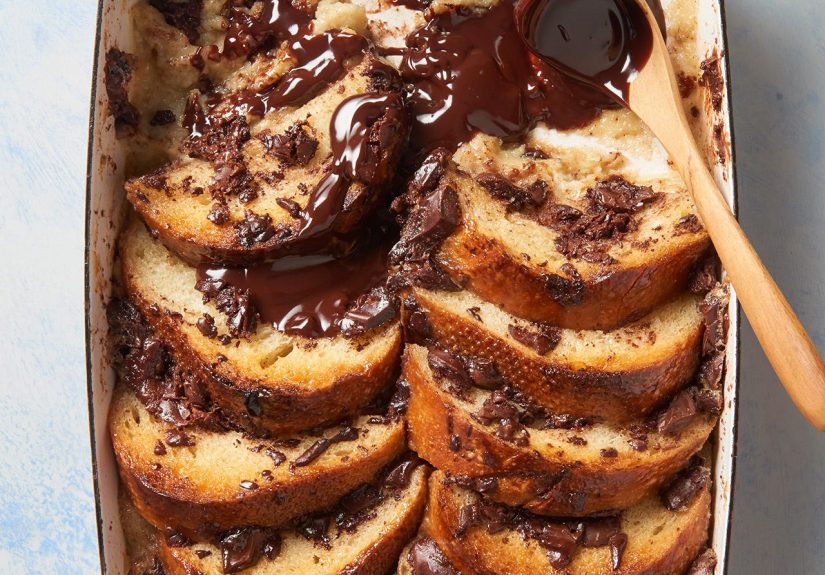
This recipe is built for real kitchens and real schedules. It uses easy ingredients, a simple casserole dish, and a no-fuss method that still tastes like you did something fancy. The result is a soft, custardy center with melty chocolate pockets and a lightly crisp top. In other words: comfort food wearing a tuxedo T-shirt.
Below, you’ll get an in-depth, SEO-friendly guide with ingredient choices, step-by-step instructions, make-ahead tips, variations, storage advice, and common mistakes to avoid. Whether you’re making brunch for a holiday crowd or dessert for a Tuesday that got a little too Tuesday, this recipe has your back.
Why This Chocolate Bread Pudding Casserole Recipe Works
- Uses day-old bread for better texture and less waste.
- Custard-to-bread balance keeps it creamy, not soggy.
- Chocolate in multiple forms (cocoa + chips/chunks) builds deeper flavor.
- Casserole format makes it easy to serve a group.
- Make-ahead friendly for stress-free mornings and gatherings.
What Is Chocolate Bread Pudding Casserole?
A chocolate bread pudding casserole is a baked dessert (or very decadent brunch item) made by soaking cubes or torn pieces of bread in a sweet egg-and-dairy custard, adding chocolate, and baking everything in a dish until set. It lands somewhere between pudding, baked custard, and cakewithout fully becoming any of them. That’s the charm.
Compared with a classic bread pudding, this version leans extra chocolatey and is often baked in a 9×13-inch casserole dish for easy slicing and serving. Some versions are elegant enough for holidays; others are cozy enough to eat in pajamas while standing at the counter. Both are valid.
Ingredients for the Best Chocolate Bread Pudding Casserole
Main Casserole Ingredients
- 1 loaf bread (about 12 to 14 ounces) – challah, brioche, French bread, or croissants
- 4 large eggs
- 2 cups whole milk
- 1 cup heavy cream
- 3/4 cup granulated sugar
- 1/4 cup unsweetened cocoa powder
- 1 tablespoon vanilla extract
- 1 teaspoon ground cinnamon (optional but highly recommended)
- 1/4 teaspoon nutmeg (optional)
- 1/2 teaspoon kosher salt
- 1 1/4 cups semisweet chocolate chips or chopped chocolate (divided)
- 2 tablespoons unsalted butter (for greasing dish and dotting top)
Optional Toppings (Pick Your Favorite)
- Warm chocolate ganache
- Powdered sugar
- Whipped cream
- Vanilla ice cream
- Fresh berries
- Caramel sauce
- Toasted pecans or walnuts
Best Bread Choices for Chocolate Bread Pudding
Bread choice matters more than people think. You want bread that can absorb custard without disappearing into sad mush. Here are the best options:
1) Challah
Soft, slightly sweet, and sturdy. Challah gives a plush, custardy texture with a beautiful golden top. It’s a top-tier choice for both breakfast-style and dessert-style bread puddings.
2) Brioche
Rich and buttery, brioche makes the casserole taste extra luxurious. If you’re aiming for “dessert first, questions later,” brioche is your friend.
3) French Bread
A great budget-friendly option. It absorbs custard well and gives a slightly chewier bite. Perfect for a more rustic texture.
4) Croissants
For maximum indulgence. Croissants create buttery layers and crispy edges that feel bakery-level without requiring you to become a pastry wizard.
Pro tip: Slightly stale or lightly dried bread works best. If your bread is fresh, cube it and toast it in a low oven for 8 to 10 minutes to help it soak up custard more evenly.
How to Make Chocolate Bread Pudding Casserole (Step-by-Step)
Step 1: Prep the Bread and Pan
Preheat your oven to 350°F. Grease a 9×13-inch casserole dish with butter. Cut or tear the bread into 1-inch pieces. Spread the bread in the dish and sprinkle about 1 cup of the chocolate chips/chunks over and between the pieces.
Step 2: Make the Chocolate Custard
In a large bowl, whisk together the eggs, milk, heavy cream, sugar, cocoa powder, vanilla, cinnamon, nutmeg (if using), and salt until smooth. No cocoa lumps, no drama.
If you want a deeper chocolate flavor, warm the milk slightly and whisk in 1/4 cup chopped chocolate before adding it to the eggs (let it cool a bit first so you don’t accidentally make sweet scrambled eggs).
Step 3: Soak the Bread
Pour the custard evenly over the bread. Gently press the bread down so all the pieces get acquainted with the custard. Let it sit for 20 to 30 minutes at room temperature.
This soaking step is the difference between “pretty good” and “why is this so good?” Don’t skip it.
Step 4: Add the Final Chocolate and Butter
Sprinkle the remaining chocolate chips/chunks on top. Dot the surface lightly with small bits of butter for a richer finish and better browning.
Step 5: Bake the Casserole
Bake uncovered for 40 to 50 minutes, or until the edges are set and the center is just slightly wobbly (not liquid). If the top browns too fast, tent loosely with foil during the last 10 minutes.
Let the casserole rest for 10 to 15 minutes before serving. This helps the custard finish setting and makes slicing much easier.
Chocolate Bread Pudding Casserole Recipe (Printable Version)
Quick Recipe Summary
Prep Time: 20 minutes
Soak Time: 20 to 30 minutes
Bake Time: 40 to 50 minutes
Total Time: About 1 hour 30 minutes
Servings: 10 to 12
Instructions
- Preheat oven to 350°F. Butter a 9×13-inch casserole dish.
- Arrange bread pieces in dish. Add most of the chocolate throughout the bread.
- Whisk eggs, milk, cream, sugar, cocoa, vanilla, cinnamon, nutmeg, and salt until smooth.
- Pour custard over bread and gently press bread down. Soak 20–30 minutes.
- Top with remaining chocolate and small bits of butter.
- Bake 40–50 minutes, until edges are set and center is softly set.
- Rest 10–15 minutes. Serve warm with ganache, whipped cream, or ice cream.
Pro Tips for a Better Bread Pudding Casserole
Use a Mix of Chocolate
Combine cocoa powder with chocolate chips or chopped chocolate for fuller flavor. Cocoa gives you the base note; chocolate chunks give you those gooey pockets everyone fights over.
Don’t Oversoak Soft Bread
Brioche and croissants soak faster than French bread. They can turn too soft if left too long. Start checking at the 20-minute mark.
Don’t Overbake
Overbaking dries out the custard and makes the casserole tough. Pull it when the center has a slight jiggle. It will continue to set as it rests.
Serve Warm, Not Lava-Hot
Fresh from the oven is tempting, but letting it rest improves flavor and texture. Also, it reduces the chance of burning your tongue and ruining dessert for everyone. (We’ve all been there.)
Delicious Variations to Try
1) Double Chocolate Bread Pudding Casserole
Add 2 extra tablespoons cocoa powder and swap in dark chocolate chunks. Top with chocolate ganache for a full “I regret nothing” finish.
2) Chocolate Orange Bread Pudding
Add 1 teaspoon orange zest to the custard. Chocolate + orange is a classic combination that makes the whole dish taste a little fancy with almost no extra effort.
3) Mocha Bread Pudding Casserole
Add 1 to 2 teaspoons espresso powder. It won’t taste like coffee; it makes the chocolate taste more chocolatey. Science is beautiful.
4) Nutty Chocolate Bread Pudding
Fold in 1/2 cup toasted pecans or walnuts for crunch. This is especially good if you’re serving it with vanilla ice cream.
5) Holiday Version
Add dried cherries or raisins plus a pinch more cinnamon. Suddenly it’s holiday brunch and somebody should light a candle.
Make-Ahead, Storage, and Reheating
Make Ahead
You can assemble the casserole the night before, cover it, and refrigerate it. Let it sit at room temperature for 20 to 30 minutes before baking. This is a lifesaver for holidays and brunch parties.
Storage
Cool completely, then cover and refrigerate for up to 3 to 4 days. The texture will become a bit denser after chilling, but the flavor stays excellent.
Reheating
Reheat individual portions in the microwave for 30 to 60 seconds, or warm larger portions in a 300°F oven until heated through. Add a splash of milk or cream before reheating if you want to bring back extra moisture.
Freezing
You can freeze baked portions for up to 2 months. Wrap tightly, thaw overnight in the fridge, and reheat gently. It’s not quite as dreamy as fresh, but still very worth it.
How to Serve Chocolate Bread Pudding Casserole
This dish is flexible enough to play both brunch and dessert. Here are easy serving ideas:
- For brunch: Dust with powdered sugar and add berries.
- For dessert: Serve warm with vanilla ice cream and chocolate sauce.
- For holidays: Add whipped cream and a caramel drizzle.
- For breakfast leftovers: Reheat and pretend you planned this all along.
Common Mistakes to Avoid
Using Thin Sandwich Bread
Very soft sandwich bread can collapse into mush. If that’s all you have, dry it thoroughly first and reduce soak time.
Skipping the Salt
Even sweet casseroles need salt. It balances the sugar and sharpens the chocolate flavor.
Pouring Custard Unevenly
Dry spots and soggy spots happen when custard is dumped in one area. Pour slowly and press the bread gently so the mixture distributes evenly.
Cutting Too Soon
Resting time matters. If you slice immediately, you’ll get a delicious but messy scoop situation. If that’s the goal, no judgmentjust call it “rustic.”
FAQ: Chocolate Bread Pudding Casserole Recipe
Can I make this without heavy cream?
Yes. Replace the heavy cream with more whole milk for a lighter version. It will still be good, just a little less rich and silky.
Can I use chocolate milk?
You can, but reduce the sugar and cocoa powder so the casserole doesn’t become overly sweet.
Is this a dessert or a breakfast casserole?
Honestly? It depends on how brave you are before 10 a.m. It can absolutely be either.
Can I make it gluten-free?
Yes, use sturdy gluten-free bread and watch the soak time carefully, since gluten-free loaves vary a lot in how fast they absorb liquid.
Final Thoughts
A great Chocolate Bread Pudding Casserole Recipe should be easy enough for a weeknight, special enough for guests, and flexible enough to fit whatever bread is hanging around your kitchen. This one checks all three boxes.
It’s warm, chocolatey, deeply comforting, and surprisingly practical. You get a crowd-pleasing casserole, fewer leftovers in the bread bin, and a dessert that somehow feels both nostalgic and a little dramatic. The best kind of dramatic, obviously.
If you make it once, you’ll probably make it againespecially after someone asks for “that chocolate casserole thing” and you realize they mean the entire pan.
Kitchen Experiences: What I’ve Learned Making Chocolate Bread Pudding Casserole (Extended Notes)
The first time I made a chocolate bread pudding casserole for a crowd, I treated it like a regular cake recipe: mix, bake, done. It was edible, but not magical. The bread on top was dry, the middle was too wet, and the chocolate chips all sank like they had somewhere better to be. It taught me the biggest lesson about bread pudding: this recipe is less about speed and more about rhythm. Once I started respecting the soak time and choosing better bread, everything changed.
One of the most useful real-world discoveries is that different breads behave like different personalities at a family reunion. Brioche is the charming oneit soaks quickly, bakes beautifully, and makes everyone happy. French bread is reliable and sturdy, but it needs a little more soak time. Croissants are the dramatic cousin: absolutely delicious, flaky on top, luxurious in the middle, but they can tip into overly soft if you leave them soaking too long. After a few test batches, I started combining breadsusually half challah and half croissantand that combo gives the best balance of structure and richness.
I’ve also learned that this casserole changes personality depending on when you serve it. At brunch, it feels cozy and slightly indulgent, especially with berries and powdered sugar. At dessert, it becomes a full event when you add warm ganache and ice cream. Same casserole, different outfit. This makes it one of my favorite recipes for holidays, because the leftovers (if any survive) work just as well the next morning with coffee.
Another practical note: people often panic when they see the center still jiggle a little after baking. Don’t. Bread pudding keeps setting as it rests, and pulling it at the right moment is the difference between creamy and rubbery. I used to overbake “just to be safe,” which is how I accidentally created a chocolate brick one winter. A delicious brick, surebut still a brick. Now I trust the slight wobble and let the casserole rest before serving. Much better texture, much happier guests.
The make-ahead version has saved me more than once. I’ve assembled it the night before Thanksgiving brunch, covered it, and baked it the next morning while everyone else was debating coffee strength and oven space. It frees up your brain, and honestly, anything that reduces holiday chaos earns permanent recipe-card status. I do let it sit out for a bit before baking so the dish doesn’t go from fridge-cold to oven-shocked.
My favorite accidental improvement happened when I ran out of chocolate chips and chopped up a dark chocolate bar instead. The irregular pieces created these molten pockets throughout the casserole that tasted better than the evenly distributed chips. Since then, I use a mix: chips for consistency, chopped chocolate for drama. Add a pinch of cinnamon or espresso powder, and suddenly the whole kitchen smells like you own a very successful bakery.
If you’re new to bread pudding, this is a forgiving place to start. Even the “ugly” versions taste good warm. And once you get a feel for bread texture, soak time, and bake doneness, it becomes one of those dependable back-pocket recipes you can riff on forever. Chocolate today, caramel tomorrow, berries next weekend. The formula is friendly, the payoff is huge, and the casserole dish usually comes back emptywhich is really the only review that matters.