Table of Contents >> Show >> Hide
- What Are Chronic Hives?
- Can Diet Trigger or Worsen Chronic Hives?
- Is There a “Chronic Hives Diet”?
- How to Know if Food Is Affecting Your Hives
- Other Non-Dietary Triggers Worth Considering
- Practical Tips to Manage Chronic Hives
- So… Does Diet Really Matter?
- Additional : Real Experiences and Insights About Chronic Hives and Diet
- Conclusion
If you’ve ever broken out in mysterious red bumps after lunch and thought, “Great, now my skin is throwing a tantrum,” you’re not alone. Chronic hivesalso known as chronic urticariaare sneaky, persistent, and frustrating. And one of the most common questions people ask is: is my diet making this worse? While science doesn’t point to a single villain lurking in your pantry, research from U.S. allergy and immunology experts suggests that the foods you eat can play a role in flare-ups for some people.
So grab a snack (a safe one!), get cozy, and let’s explore the surprisingly tangled relationship between chronic hives and diet.
What Are Chronic Hives?
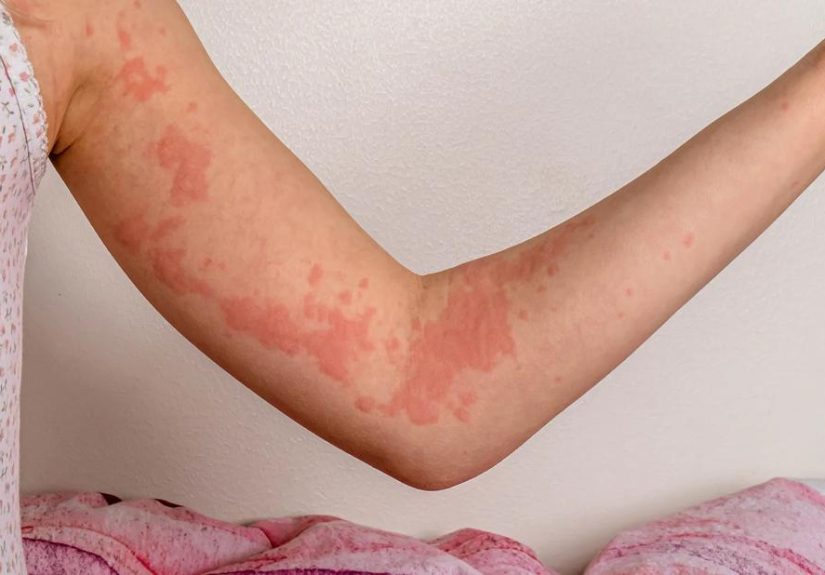
Chronic hives are raised, itchy welts that come and go for six weeks or longer. They can appear anywhere on the body: your arms, your legs, your face, orif your immune system is feeling extra creativeall at once. Unlike acute hives, which usually show up after a clear trigger like a medication or infection, chronic hives can be infuriatingly unpredictable.
According to U.S. allergy organizations and dermatology specialists, chronic hives often fall into two categories:
- Chronic spontaneous urticaria (CSU): No clear trigger. Hives simply… happen.
- Chronic inducible urticaria: Triggered by specific factors like heat, cold, pressure, sunlight, or exercise.
But where does food fit into this picture? Let’s find out.
Can Diet Trigger or Worsen Chronic Hives?
Short answer: sometimes. Long answer: it depends on the person.
Multiple U.S. medical sources agree that food is rarely the main cause of chronic hives. However, specific foods can make hives worse or more frequent for certain individuals. Think of diet as the “supporting cast” in the hives dramanot the leading actor, but definitely capable of stirring up some chaos.
Here are the main diet-related factors linked to chronic hives:
1. Food Allergies (Less Common but Possible)
Classic food allergieslike allergies to peanuts, shellfish, milk, or eggscan cause hives. But these reactions usually appear quickly and are part of acute hives, not chronic conditions. Still, a chronic hive sufferer can also have a food allergy, so it’s worth keeping in mind.
If hives appear within minutes to hours of eating a specific food, and this happens repeatedly, an allergist can help sort out whether a true allergy is involved.
2. Histamine-Rich Foods
Many chronic hives patients report that high-histamine foods make their symptoms worse. Histamine is a compound involved in immune responsesincluding the itch-and-bump party that happens on your skin.
Foods naturally high in histamine include:
- Aged cheeses
- Wine (sorry!)
- Fermented foods like sauerkraut
- Processed meats
- Smoked fish
- Vinegar-containing products
According to allergy experts, cutting back on high-histamine foods can help a subset of people reduce symptoms, although it’s not a guaranteed fix.
3. Histamine-Releasing Foods
Some foods are not high in histamine but can encourage your body to release histamine on its own. These include:
- Strawberries
- Tomatoes
- Citrus fruits
- Chocolate (heartbreaking, we know)
- Nuts
If you notice more flare-ups after snacking on these foods, you may be dealing with a histamine sensitivity rather than a traditional allergy.
4. Food Additives
Artificial additives and preservatives occasionally trigger hives in sensitive individuals. Common culprits include:
- Food dyes
- Sulfites (often found in wine and dried fruits)
- Benzoates
- Nitrates
Not everyone with chronic hives reacts to additives, but they’re worth consideringespecially if your hives flare after packaged or processed foods.
5. Alcohol
Alcohol can cause blood vessels to dilate and increase histamine release, which can worsen hives. Several people with CSU report that beer, wine, or mixed drinks make symptoms spike. Yet another reason to be mindful when toasting at your next celebration.
Is There a “Chronic Hives Diet”?
The internet is full of quick fixes and miracle diets, but U.S. clinicians emphasize that there is no universal chronic hives diet. However, there are evidence-supported strategies that may help reduce flares.
1. The Low-Histamine Diet
This approach temporarily reduces foods high in histamine or known to trigger histamine release. It’s meant to be short-termtypically two to four weeksfollowed by reintroduction to identify any personal triggers.
Common foods avoided include aged cheeses, fermented foods, cured meats, red wine, and certain fruits and vegetables. Studies show mixed results, but some people report noticeable relief.
2. The Elimination Diet
Used when there is suspicion of a food allergy or sensitivity. Under medical supervision, you avoid potential triggers, then reintroduce them slowly. This method helps pinpoint what’s fueling the hives.
Elimination diets should be monitored by an allergist or dietitian to avoid nutritional gaps.
3. The Anti-Inflammatory Diet
Chronic hives have an inflammatory component, so reducing overall inflammation may help. An anti-inflammatory diet includes:
- Leafy greens
- Fresh fruits
- Whole grains
- Lean proteins
- Omega-3-rich foods like salmon
- Healthy fats like avocado and olive oil
This is considered a long-term, sustainable eating pattern that benefits your skin, heart, and overall health.
How to Know if Food Is Affecting Your Hives
Not all cases of chronic hives are connected to diet, so how do you tell if food is playing a role? Here are some practical strategies widely recommended by U.S. allergists:
1. Keep a Food and Symptom Journal
Track what you eat, when you eat it, and when your hives flare. Patterns often show up within days. This approach is especially useful for spotting reactions to foods like strawberries, chocolate, or alcohol.
2. Try a Short Elimination Period
For example, cut out high-histamine foods for two weeks and see how you feel. If symptoms improve, reintroduce foods one by one to identify troublemakers.
3. Get Tested for Food Allergies
If immediate reactions occur after eating, request an evaluation. Allergy tests may not solve chronic hives entirely, but they can help rule out or confirm important triggers.
4. Work With a Specialist
An allergist or dermatologist can guide you through testing, diet adjustments, and treatment options so you’re not navigating the hive maze alone.
Other Non-Dietary Triggers Worth Considering
While diet gets a lot of attention, chronic hives often stem from causes unrelated to food. Experts point to several common triggers:
- Stress and anxiety
- Illness or infection
- Certain medications
- Temperature changes
- Pressure or friction on the skin
Interestingly, stress alone can worsen hives for many people. So if you’ve ever developed a breakout right before a work presentation, you’re not imagining things.
Practical Tips to Manage Chronic Hives
Diet may play a role, but it’s only part of the picture. Here’s what dermatologists and allergists often recommend to keep flare-ups in check:
- Take antihistamines as prescribed
- Use fragrance-free skincare
- Avoid extreme temperatures
- Wear loose clothing
- Limit alcohol
- Manage stress through sleep, exercise, and relaxation techniques
And yes, sometimes the best treatment is giving yourself permission to relax and breathe.
So… Does Diet Really Matter?
The bottom line: diet is not the root cause of chronic hives for most people, but it can be a significant factor for some. The best approach is to observe your body’s reactions, make thoughtful adjustments, and work with a specialist if needed. Whether it’s histamine intolerance, a specific food sensitivity, or just a glass of wine that disagrees with you, understanding your body’s unique patterns can empower you to reduce flare-ups.
There may not be a magic “hive-free menu,” but there is hope, strategy, and plenty of room for delicious, irritation-free meals.
Additional : Real Experiences and Insights About Chronic Hives and Diet
Living with chronic hives is something you don’t truly understand until you’ve been therestanding in the mirror at midnight wondering why your legs look like a topographical map of the Rocky Mountains. Many people who deal with chronic urticaria quickly become amateur detectives, trying to figure out which mysterious culprit in their daily routine keeps triggering the outbreak.
Food often ends up becoming the first suspect. One woman I spoke with described her journey as “CSI: Kitchen Edition.” She started noticing that every time she ate aged cheese, she felt a warm flush crawl across her chest before the hives erupted. For months she blamed stress (because life), until her allergist pointed out the high histamine content in certain cheeses. After removing them for a while, her flare-ups decreased. When she tried reintroducing them again, the hives immediately returnedand the case was solved.
Another common experience involves alcohol. People with chronic hives often say, “I love wine, but wine does not love me back.” One man shared that every Friday night after a beer or two, he would break out in itchy patches across his torso. At first, he assumed it was heat or humidity, but eventually he discovered that beer’s histamine and yeast content were working against him. Switching to low-histamine alternatives helped, though he still approaches happy hour with caution.
Some individuals have more subtle connections between diet and symptoms. For example, one woman noticed that her hives worsened whenever she ate strawberries and tomatoes within the same week. Separately, she could tolerate them, but together they seemed to push her body past its histamine threshold. This is something experts often talk about: cumulative histamine load. Even if a single food isn’t a trigger, too many histamine-rich items in close succession can spark a flare.
Others have discovered that the problem isn’t the food itself but additives. One man spent months trying to figure out why his hives always flared when he meal-prepped chicken and vegetables. Eventually he discovered it wasn’t the chicken or the veggiesit was the store-bought marinade containing sulfites. Once he swapped it for a homemade version, the flare-ups mysteriously vanished.
There are also stories from people who tried elimination diets with great success. One woman shared that after cutting out high-histamine foods for three weeks, her daily hives went down to mild weekly episodes. She then slowly added foods back into her meals one by one and found out that red wine and cured meats were her worst enemies. She said, “It hurt to break up with charcuterie boards, but honestly, it was toxic relationship energy.”
On the flip side, some people report that diet changes didn’t help at alland that’s equally valid. One man said he tried everything: low-histamine diets, gluten-free diets, dairy-free experiments, sugar detoxes… yet the hives persisted until his doctor adjusted his medication. His takeaway? Diet can help some people, but it’s not a guaranteed cure. And it’s important not to starve yourself mentally or physically chasing the perfect food solution.
What most chronic hive sufferers agree on is this: managing the condition is a journey. It often involves balancing medical treatment, lifestyle adjustments, mindful eating, and a healthy dose of humor. After all, laughing about how your body seems to throw confetti under your skin is better than crying about it.
Ultimately, your relationship with chronic hivesand the role diet plays in itis deeply personal. What triggers one person may be perfectly harmless to another. Understanding your own patterns through mindful eating, journaling, or professional guidance can make a world of difference. And as most people eventually discover, the power of small changes can add up significantly over time.
While chronic hives may be annoying, unpredictable, and occasionally dramatic, they don’t have to take over your life. With the right mix of awareness, lifestyle tweaks, and medical support, many people find relief and regain confidence in their daily routines.
Conclusion
Chronic hives and diet do share a connection for some individualsespecially those with histamine intolerance or specific sensitivities. But diet is just one piece of the puzzle. Understanding your triggers, adopting supportive eating habits, and working with health professionals can help you regain control. And who knows? You may even find new favorite foods along the way.