Table of Contents >> Show >> Hide
- Why This Classic Banana Bread Recipe Works
- Ingredients for Classic Banana Bread
- How to Make Banana Bread Step by Step
- Tips for the Best Classic Banana Bread
- Classic Banana Bread Variations
- How to Know When Banana Bread Is Done
- How to Store Banana Bread
- Troubleshooting Common Banana Bread Problems
- What to Serve with Classic Banana Bread
- Why This Recipe Stays a Classic
- Experiences with a Classic Banana Bread Recipe
- Conclusion
- SEO Tags
Banana bread is what happens when good intentions meet a fruit bowl full of bananas that went from “snackable” to “suspiciously freckled” overnight. And honestly? That is beautiful. A classic banana bread recipe is one of the easiest, coziest, most forgiving bakes in an American kitchen. It does not demand fancy tools, a culinary degree, or a standing ovation from Paul Hollywood. It just asks for ripe bananas, a loaf pan, and a willingness to let your house smell like a warm hug.
This version keeps things true to the spirit of traditional banana bread: simple pantry ingredients, deep banana flavor, a tender crumb, and a golden top with just enough swagger. It is sweet but not cupcake-sweet, moist without feeling heavy, and sturdy enough for breakfast yet charming enough to pass off as dessert. In other words, it is the kind of loaf that disappears slice by slice while everyone insists they are “just trimming the edge.”
Why This Classic Banana Bread Recipe Works
The magic of a classic banana bread recipe comes down to balance. Very ripe bananas bring natural sweetness, moisture, and that unmistakable banana aroma. Butter adds richness and flavor. Eggs help bind the batter and support the loaf’s structure. Flour gives it body, while baking soda provides lift and encourages browning. A pinch of salt keeps everything from tasting flat, which is a polite way of saying salt stops the bread from tasting like sweet beige sadness.
Classic banana bread also belongs to the quick bread family, which means it rises with baking soda or baking powder rather than yeast. That makes it practical, approachable, and ideal for bakers who want a reliable result without spending all day babying dough. Stir, pour, bake, cool, slice, pretend you will save some for tomorrow.
Ingredients for Classic Banana Bread
- 3 very ripe bananas, mashed
- 1/2 cup unsalted butter, melted and slightly cooled
- 3/4 cup granulated sugar
- 2 large eggs
- 1 teaspoon vanilla extract
- 1 3/4 cups all-purpose flour
- 1 teaspoon baking soda
- 1/2 teaspoon salt
- 1/2 teaspoon ground cinnamon (optional, but lovely)
- 1/2 cup chopped walnuts or pecans (optional)
Ingredient Notes
The bananas should be deeply speckled or mostly brown. Those sad-looking bananas are not a problem; they are the plan. Riper bananas mash more easily and deliver stronger flavor. Melted butter keeps the loaf rich and tender, while sugar sweetens the batter without stealing the spotlight from the fruit. Cinnamon is optional, but it adds warmth without turning the bread into a holiday candle.
How to Make Banana Bread Step by Step
- Preheat the oven: Set your oven to 350°F. Grease a 9×5-inch loaf pan or line it with parchment paper.
- Mash the bananas: In a large bowl, mash the bananas until mostly smooth. A few small lumps are fine. Banana bread is rustic, not a skincare serum.
- Mix the wet ingredients: Stir in the melted butter, then add the sugar, eggs, and vanilla. Mix until combined.
- Combine the dry ingredients: In a separate bowl, whisk together the flour, baking soda, salt, and cinnamon.
- Make the batter: Fold the dry ingredients into the wet ingredients until no dry streaks remain. Do not overmix. If using nuts, fold them in gently.
- Bake: Pour the batter into the prepared pan and smooth the top. Bake for 55 to 65 minutes, or until a toothpick inserted in the center comes out clean or with a few moist crumbs.
- Cool: Let the loaf cool in the pan for about 10 to 15 minutes, then transfer it to a wire rack to cool completely.
Tips for the Best Classic Banana Bread
1. Use Very Ripe Bananas
This is the big one. If your bananas are bright yellow and perky, they are great for smoothies or pretending you eat fruit responsibly. For banana bread, you want soft, spotted, almost alarmingly ripe bananas. Their sugars are more developed, and the flavor is deeper and sweeter.
2. Do Not Overmix the Batter
Once the flour goes in, treat the batter gently. Overmixing develops gluten, which can make the loaf tough instead of tender. Banana bread should slice cleanly, but it should not chew like a gym membership.
3. Check the Pan Size
A 9×5-inch loaf pan is a classic choice, though some recipes use 8×4-inch pans for a taller loaf. If your pan is smaller, the batter may need a little longer in the oven. If your pan is larger, the bread may bake faster and come out flatter. Same batter, different drama.
4. Tent with Foil if Needed
If the top is browning too quickly before the center finishes baking, loosely tent the loaf with foil during the last 15 to 20 minutes. That keeps the top from going from golden to “well, that escalated quickly.”
5. Cool Before Slicing
Fresh banana bread smells so good that patience becomes a moral challenge. Still, let it cool properly. Slicing too early can make the crumb gummy and fragile. Give it time to settle, then cut with confidence.
Classic Banana Bread Variations
A true classic banana bread recipe does not need bells, whistles, or a parade. Still, small variations can suit your mood, pantry, or audience.
Banana Nut Bread
Fold in chopped walnuts or pecans for crunch and contrast. Toasting the nuts first adds even more flavor.
Chocolate Chip Banana Bread
Add 1/2 cup chocolate chips for a sweeter, more dessert-like loaf. This is the version for people who say they are making breakfast and then wink suspiciously.
Brown Sugar Twist
Swap part of the granulated sugar for brown sugar to add a slightly deeper, caramel-like note and a softer crumb.
Sour Cream or Yogurt Upgrade
A few tablespoons of sour cream or plain Greek yogurt can add tenderness and a gentle tang. It is not mandatory for a classic loaf, but it is a smart trick when you want extra moisture.
How to Know When Banana Bread Is Done
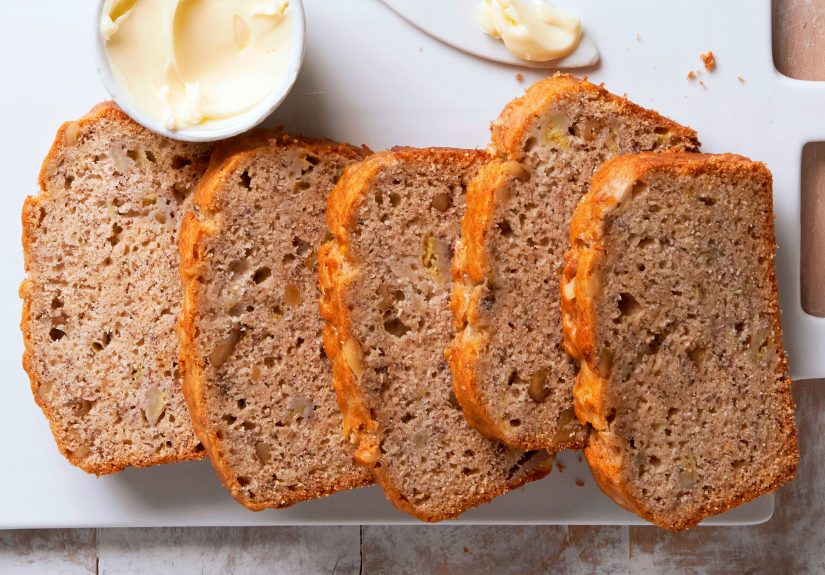
Banana bread can look finished on top while still being underbaked in the middle, which is rude but common. Start checking near the 55-minute mark. A toothpick inserted into the center should come out clean or with a few moist crumbs, not wet batter. The top should feel set, and the loaf may begin to pull slightly from the sides of the pan.
If you are a visual baker, look for a deep golden-brown top with a center crack. That split is often a good sign. Banana bread likes to look a little dramatic. Let it.
How to Store Banana Bread
Once the loaf has cooled completely, wrap it tightly or store it in an airtight container at room temperature. It is usually best within about 3 to 4 days, though many banana bread fans will tell you it tastes even better on day two, when the moisture settles and the flavor deepens.
For longer storage, freeze the loaf or individual slices. Wrap well, then place in a freezer-safe bag or container. Slices are especially handy when you want one quick breakfast without having to wrestle an entire frozen loaf like a kitchen gladiator.
Storage Reminder
If your loaf includes especially perishable add-ins such as cream cheese filling, treat it differently and refrigerate it. A plain classic banana bread is simpler and easier to store.
Troubleshooting Common Banana Bread Problems
Why is my banana bread dry?
Usually because it was overbaked, measured with too much flour, or made with not enough banana. Spoon flour into the measuring cup instead of scooping directly from the bag, and keep an eye on baking time.
Why is my banana bread dense?
Too much mixing, too little leavening, or batter that is too wet can all contribute. Measure carefully and mix just until combined.
Why did my loaf sink in the middle?
The center may have been underbaked, or the oven door may have been opened too early. Let the loaf bake long enough for the center to set before testing repeatedly.
Why does it taste bland?
Usually the bananas were not ripe enough, or the salt was skipped. Banana bread needs contrast to taste lively.
What to Serve with Classic Banana Bread
Banana bread is versatile in the best possible way. Serve it warm with butter for a cozy breakfast, toasted with cream cheese for an afternoon snack, or plain with coffee when life feels slightly chaotic and carbohydrates are the only trustworthy thing in the room. It also pairs well with peanut butter, honey, or a swipe of salted butter that melts into every crumb like it owns the place.
Why This Recipe Stays a Classic
Trends come and go. One week everyone is infusing dessert with olive oil and sea salt flakes harvested by moonlight; the next week it is all about protein-packed baked oats pretending to be fun. But classic banana bread stays put. It is practical, nostalgic, affordable, and deeply satisfying. It rescues overripe fruit, fills the kitchen with comfort, and asks for very little in return. That is not just a recipe. That is a public service.
Experiences with a Classic Banana Bread Recipe
There is something wonderfully familiar about making banana bread, even when the rest of life feels a little chaotic. You do not make it only because you are hungry. You make it because the bananas are ripe, the kitchen needs a win, and turning soft fruit into a golden loaf feels like proof that not everything is falling apart. A classic banana bread recipe is one of those rare kitchen rituals that works for beginners, seasoned bakers, college students with one mixing bowl, and grandmothers who do not need written instructions but keep the recipe card anyway because it has flour fingerprints from 1998.
For many people, banana bread starts as an act of thrift. You look at the counter, see three overripe bananas, and hear that little voice saying, “You paid money for those.” Suddenly, baking feels less like a hobby and more like a moral obligation. But somewhere between mashing the bananas and scraping the batter into the pan, the task stops feeling practical and starts feeling comforting. The smell changes the mood of the whole house. It says someone is home. It says something good is in the oven. It says you may not have folded the laundry, but you did create a loaf.
The best experiences with banana bread are often the ordinary ones. A thick slice eaten warm at the counter while the loaf is still technically cooling. A second slice wrapped in a paper towel and taken to work, where it becomes the most envied desk breakfast in the room. A heel piece eaten standing up in the kitchen, because everyone knows calories consumed while hovering near the cutting board are basically theoretical.
Banana bread also has a sneaky emotional quality. It travels well, keeps well, and feels personal without being fussy. It is the sort of thing you bring to a neighbor, a teacher, a new parent, or a friend who is having a rough week. You do not need a special occasion. Banana bread is the occasion. It carries the same energy as saying, “I made this, and I thought you might like a slice,” which is really another way of saying, “Hello, I care about you, and also carbs help.”
Even baking mistakes become part of the story. Maybe your first loaf was underdone in the middle. Maybe you got impatient and sliced it too early, turning it into a deliciously steamy pile of banana rubble. Maybe you added too many chocolate chips and accidentally crossed the line from breakfast bread into full dessert. None of that makes the experience worse. If anything, it makes the recipe feel more human. Banana bread is generous like that. It does not punish you for imperfection. It just suggests you try again, perhaps with slightly less chaos next time.
That may be why a classic banana bread recipe lasts. It is not flashy. It is not difficult. It does not need a trend cycle, a viral video, or a dramatic origin story. It only needs ripe bananas and a little faith. And once you make a good loaf, it tends to become part of your life in small, steady ways. A comfort bake. A backup plan. A tiny household tradition. Some recipes impress people. Banana bread feeds them, calms them, and sends them back for another slice. Honestly, that is a better legacy.
Conclusion
A classic banana bread recipe earns its place in every baker’s rotation because it is simple, dependable, and endlessly comforting. With ripe bananas, a handful of pantry staples, and a few smart techniques, you can bake a loaf that is moist, flavorful, and wonderfully sliceable. Whether you keep it plain, add nuts, or sneak in a few chocolate chips, the heart of the recipe stays the same: turn everyday ingredients into something generous and delicious.
So the next time your bananas look a little too far gone for polite company, do not throw them out. Mash them, mix them, bake them, and let the kitchen smell like you absolutely have your life together.