Table of Contents >> Show >> Hide
- What It Is (and What You’re Actually Buying)
- The Cotton Flower Scent: Clean, Powdery, Comforting (Not “Laundry Detergent Punch”)
- Formula & Ingredients: Why It Feels Less Harsh Than Many Soaps
- How It Performs at the Sink: Lather, Rinse, and the “After-Feel”
- Hand Soap vs. Hand Skin: Keeping Your Hands Happy
- Packaging & Sustainability: The Bottle That Pulls Its Weight
- Where It Works Best: Kitchen, Bathroom, or Guest Bath?
- Is It Worth the Price? A Quick Reality Check
- How to Use It Correctly (Because “Two Seconds and a Splash” Doesn’t Count)
- Common Questions About Compagnie De Provence Cotton Flower Hand Soap
- Final Thoughts
- Experiences: of Real-Life “Cotton Flower at the Sink” Moments
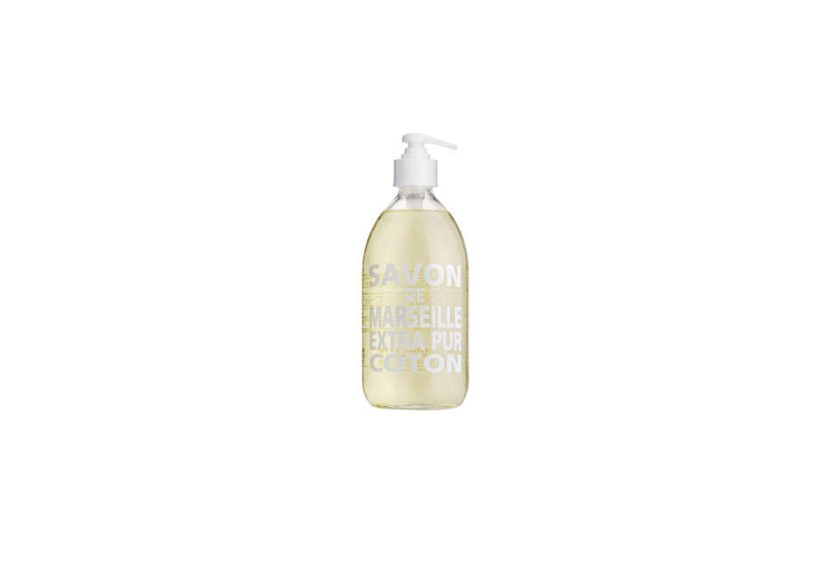
Some products do their job quietly. Others do their job and make your sink look like it has a tiny interior designer. Compagnie De Provence Cotton Flower Hand Soap (often sold as the brand’s “Liquid Marseille Soap” in the Cotton Flower fragrance) lands firmly in the second camp: it’s a daily-use hand soap that leans into French soapmaking tradition, a soft “fresh linen” vibe, and packaging that practically begs to be left out on the counter like functional décor.
If you’ve ever washed your hands, glanced at the bottle, and thought, “Why does my soap look like it came free with a gas station bathroom?”this is the antidote. But beyond the aesthetics, people also chase this soap because it aims to cleanse without turning your hands into a pair of sad, overbaked croissants. Let’s break down what it is, what it smells like, how it feels, and how to use it in a way that keeps both germs and dryness from moving in permanently.
What It Is (and What You’re Actually Buying)
Compagnie De Provence’s Cotton Flower hand soap is typically sold as a Liquid Marseille Soapa liquid soap inspired by the famed Savon de Marseille tradition. In most listings, you’ll see it in a glass pump bottle (commonly around 16.7–16.9 fl oz / ~500 ml), with refill options available so you can keep the pretty bottle and simply top it up. That refill ecosystem matters because once a bottle looks this good, nobody wants to downgrade back to “mystery plastic jug” energy.
It’s also commonly positioned as a gentle, everyday hand wash that lathers well and rinses clean. Many retailers describe it as made using traditional, cauldron-style saponification methods and enriched with vegetable oilsbasically: “old-school soapmaking, updated for modern sinks.”
The Cotton Flower Scent: Clean, Powdery, Comforting (Not “Laundry Detergent Punch”)
“Cotton Flower” can sound like a scent invented by someone who has never met cotton, flowers, or reality. In practice, it’s usually described as a delicate, floral-powdery fragrancesoft, cozy, and “fresh linen adjacent,” with a gentle muskiness that keeps it from feeling too sugary or sharp.
Fragrance notes you’ll often see associated with Cotton Flower
- Top notes: Cassia flower, hawthorn
- Heart notes: Cotton flower, jasmine, rose
- Base notes: White musk, opoponax, raspberry sugar
Translation: it opens airy and lightly floral, settles into a soft “fresh fabric + petals” middle, and finishes with a clean musk that reads more “hug” than “headache.” If you like scents that feel tidy and calm (instead of aggressively citrus or dessert-like), Cotton Flower tends to be in your lane.
Formula & Ingredients: Why It Feels Less Harsh Than Many Soaps
Great hand soap walks a tightrope: it needs to lift grime and oils (because hands touch everything) without stripping skin so thoroughly that you start considering gloves as a lifestyle. Compagnie De Provence’s Liquid Marseille Soap is frequently described as:
- Naturally glycerin-rich (glycerin is a well-known humectant that helps skin hold onto water)
- Made with vegetable oils such as coconut oil, olive oil, and sweet almond oil (often mentioned alongside grape seed oil as well)
- Sulfate-free in many product descriptions (helpful if sulfates tend to feel drying on you)
- Free of coloring agents and animal fats in many listings
- Often labeled vegan and cruelty-free by U.S. retailers/distributors
You’ll also sometimes see the soap described as being “saponified in a cauldron using traditional methods.” That’s less about your hands needing a history lesson and more about signaling a classic soapmaking approachturning oils into soap through saponificationpaired with modern fragrance design.
A quick, practical ingredient perspective
If your hands tend to get tight after washing, look for hand soaps that include glycerin and/or oils in the formula. Those components won’t replace a true hand cream, but they can make the wash step feel less like a tax on your skin barrier. The “fine, rich lather” many users describe is often what you get when a formula balances cleansing with slip and conditioning.
How It Performs at the Sink: Lather, Rinse, and the “After-Feel”
Performance is where luxury soap either earns its keep or becomes an expensive countertop statue. Here’s the typical experience people look for with a premium liquid hand wash like this:
1) Lather that feels creamy, not squeaky
A good lather isn’t just about bubblesit’s about glide. This soap is commonly described as producing a fine foam that spreads easily, which means you’re less likely to over-pump (and less likely to feel like you’re washing with air).
2) A rinse that doesn’t leave “soap film” drama
Some moisturizing soaps feel like they leave a residue. Cotton Flower is typically positioned as rinsing clean while still leaving hands feeling soft. That “soft but not coated” finish is the sweet spot for kitchen use, where you don’t want lingering fragrance and slickness on your fingertips while you’re trying to slice a tomato without launching it across the room.
3) Scent that lingers politely
The fragrance tends to hang around just long enough to feel comfortingbut not so long that it hijacks your dinner or competes with perfume. If you want your soap to smell like a spa, not like you lost a fight with a scented candle aisle, Cotton Flower’s vibe is generally “soft-spoken luxury.”
Hand Soap vs. Hand Skin: Keeping Your Hands Happy
Even a gentle hand soap can’t fully outsmart the laws of frequent washing: soap + water + repetition can lead to dryness, especially in winter, in air-conditioned environments, or if you’re washing up constantly while cooking, cleaning, or caring for kids.
Dermatologists often emphasize a simple rule: moisturize after washing, especially while skin is still slightly damp. Yes, it’s one more step. No, it doesn’t “undo” handwashing. Think of it as restoring what water and surfactants temporarily remove from your skin surface. If you love the Cotton Flower scent, pairing it with a fragrance-compatible hand cream can turn basic hygiene into a tiny ritual you actually look forward to.
Skin-friendly routine you can actually stick with
- Wash hands with soap and water.
- Pat dry (don’t sandpaper-rub).
- Apply a pea-sized amount of hand cream while hands are slightly damp.
If you’re fragrance-sensitive or prone to eczema, it’s worth noting that any fragranced soapno matter how fancycan be a trigger for some people. In that case, consider a fragrance-free hand wash for your most frequent washes, and use Cotton Flower where you’ll enjoy it most (like a guest bath), or rotate based on how your skin is behaving that week.
Packaging & Sustainability: The Bottle That Pulls Its Weight
Let’s be honest: a major reason this soap goes viral in kitchens and bathrooms is the packaging. The glass pump bottle looks elevated, the label design is clean, and it fits right in with modern home décor. It’s the rare product that makes your sink area look more “boutique hotel” and less “I moved in yesterday.”
Refills: the underrated win
Many sellers offer refill formats (including larger refill bottles and, in some ranges, eco-sized refills). Practically, this can reduce plastic waste and keep your cost-per-wash lower than repeatedly buying the glass bottle. Emotionally, it also saves you from the heartbreak of finishing a beautiful bottle and replacing it with something that looks like it belongs in a janitor closet.
Where It Works Best: Kitchen, Bathroom, or Guest Bath?
The Cotton Flower fragrance is versatile enough for multiple spaces, but here’s how it tends to shine:
Kitchen sink
If you like a “clean cotton” scent that doesn’t clash with food aromas, Cotton Flower can be a great kitchen option. It’s especially nice if you cook a lot and wash up oftenbecause anything that makes repetitive handwashing feel less annoying is basically a productivity tool.
Primary bathroom
In a bathroom, the powdery floral notes read softer and more spa-like. It’s also a great “transition scent”not overly feminine, not overly cologne, and generally easy to live with day after day.
Guest bathroom
This is where the soap becomes part of the welcome. Guests notice the bottle, the scent, and the overall “someone thought about this” feeling. It’s a small touch that quietly signals hospitality without you having to say, “Please admire my soap.”
Is It Worth the Price? A Quick Reality Check
Premium hand soap can feel like a splurge until you realize how often you use it. A typical 500 ml bottle might deliver roughly a few hundred pumps, depending on the dispenser and how enthusiastic your household is about soap. If you estimate about 1.5–2 ml per pump, that’s roughly 250–330 washes. At around the low-$30 range for a glass bottle, you’re in the neighborhood of $0.10–$0.13 per wash.
That’s more than bargain soap, surebut the value equation changes if:
- You actually enjoy using it (so you wash properly and consistently).
- Your hands feel less dry afterward (so you’re not buying “emergency lotion” every two weeks).
- The refill system reduces ongoing cost and waste.
- You care about how your kitchen/bathroom looks (because yes, aesthetics count in daily life).
How to Use It Correctly (Because “Two Seconds and a Splash” Doesn’t Count)
The best hand soap in the world can’t help if it’s used like a drive-by. A thorough wash is simple and takes about the length of humming “Happy Birthday” twiceaka the amount of time it takes to decide whether you should order takeout.
A solid handwashing method
- Wet hands with clean, running water.
- Apply soap and lather well (backs of hands, between fingers, under nails).
- Scrub for at least 20 seconds.
- Rinse thoroughly.
- Dry with a clean towel or air dryer.
Pro tip: if frequent washing dries you out, keep a hand cream next to the soap so the routine becomes automatic. When the moisturizer is within arm’s reach, your future self (with intact cuticles) will thank you.
Common Questions About Compagnie De Provence Cotton Flower Hand Soap
Is it only for hands?
Many retailers position Liquid Marseille Soap as suitable for hands and sometimes as a gentle body wash as well. If you try it on the body, start small, especially if you have sensitive skin or fragrance sensitivities.
Is it good for sensitive skin?
“Gentle” and “sensitive” aren’t universal guaranteesskin is personal. The formula is often described as moisturizing and not stripping, but the Cotton Flower fragrance could bother some people. If sensitivity is a known issue, consider alternating with a fragrance-free cleanser and saving Cotton Flower for moments when your skin is calm.
Does the scent last?
Expect a light, clean lingering fragrancenot a perfume replacement. It’s usually noticeable during and shortly after washing, then fades into “soft and clean” rather than “announcement.”
What’s the best way to make the bottle last?
Use one pump for normal washes, two pumps for heavy-duty kitchen moments (raw meat prep, greasy dishes, gardening evidence). Refill instead of replacing the glass bottle, and wipe the pump occasionally so it doesn’t build up residue (a quick damp cloth does the trick).
Final Thoughts
Compagnie De Provence Cotton Flower Hand Soap is the kind of everyday luxury that makes a surprising difference: it upgrades the look of your sink, turns routine handwashing into something a little more enjoyable, and aims to cleanse without leaving your hands feeling punished. If you love a clean, powdery floral fragrance and appreciate refillable, countertop-worthy design, it’s a strong contender for “best hand wash you’ll happily keep out.”
And if you’re the type who believes hand soap should be both functional and mildly delightfulwelcome. Your sink has been waiting for you.
Experiences: of Real-Life “Cotton Flower at the Sink” Moments
Imagine this: it’s Monday morning, and you’re doing the first handwash of the daythe one where your brain is still loading like an old laptop. You press the pump and get a silky little mound of soap that smells like “freshly folded linens” without the aggressive detergent vibe. The scent isn’t shouting. It’s more like it’s gently tapping you on the shoulder saying, “Good morning, we can do this.” That soft powdery note makes the whole routine feel calmer, like you accidentally started your day in a spa instead of in a rush.
Then there’s the kitchen test: you’ve been cooking, you’ve handled garlic, and your hands smell like you’re auditioning for a role as “mysterious person who lives inside an Italian restaurant.” A good hand soap should handle food odors without leaving your hands so dry they start catching on your sweater. Cotton Flower tends to feel balanced hereclean rinse, light scent, no weird film. And because the fragrance is gentle, it doesn’t fight with the smell of whatever you’re cooking next. It just leaves your hands feeling “reset.”
The most unexpectedly fun part might be the bottle. People don’t usually compliment hand soap out loud, but a sleek glass pump on the counter has a way of turning guests into accidental reviewers. Someone comes over, uses the bathroom, and you can almost hear the internal monologue: “Oh. This soap is nice. This house has its life together.” It’s not that the soap changes your personalitybut it absolutely changes the vibes. It’s countertop confidence in a pump.
If you wash your hands a lotparents, cooks, cleaners, germ-conscious office folksyour hands can start to feel tight by midweek. One thing many people notice with a glycerin-and-oils style formula is that the wash itself feels less punishing. It’s not a replacement for hand cream, but it’s the difference between “I washed my hands” and “I washed my hands and now I need to immediately apologize to my knuckles.” The best pairing is keeping a hand cream right next to the soap: wash, pat dry, moisturize. It becomes a tiny ritual you can do on autopilot.
And finally, the long-game experience: refilling the bottle. It’s oddly satisfyinglike you’ve cracked a code that allows you to be both practical and fancy. You keep the pretty glass, reduce waste, and your sink stays styled without constantly buying new bottles. The soap becomes a “small daily luxury” that doesn’t feel wasteful, because you’re not tossing the whole setup every time it runs out. In the end, Cotton Flower isn’t just a scent; it’s a mood shiftclean hands, softer skin, and a sink area that looks like it belongs in a magazine, even if your laundry situation says otherwise.