Table of Contents >> Show >> Hide
- What Does It Mean to “Age” Blood Vessels?
- The Study Behind the “5-Year Aging” Claim
- Why Might Women Be More Affected?
- How Can COVID Stiffen Arteries Months Later?
- What Does “Five Years Older” Mean for Real-Life Risk?
- Who Should Be Most Proactive After COVID?
- How to Protect Your Blood Vessels After COVID (Without Going Full Biohacker)
- When to Seek Urgent Care
- Frequently Asked Questions
- Conclusion
- Experiences After COVID: What This Can Look Like in Real Life (and Why It Matters)
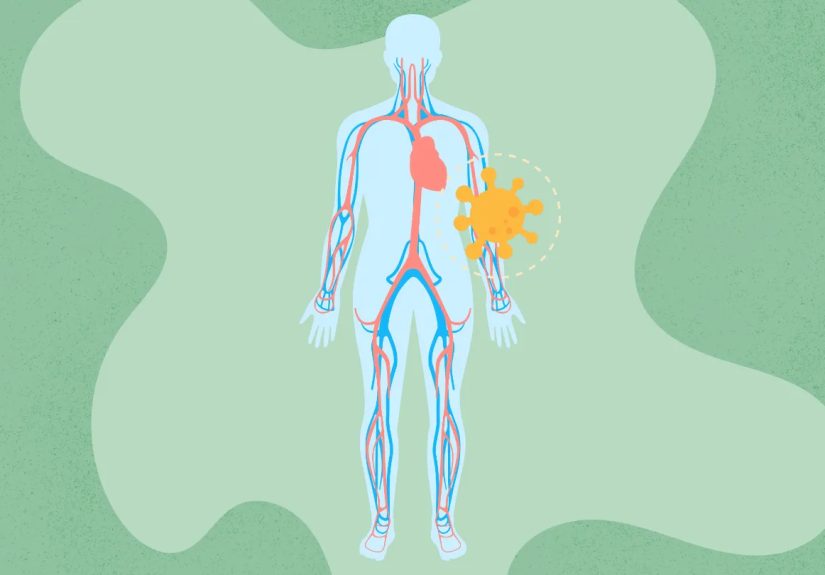
Remember when COVID-19 was “just” a respiratory virus? (Cute.) Over the last few years, scientists have learned that SARS-CoV-2 doesn’t stay politely in the lungs like a well-mannered houseguest. It wanders. It pokes. It irritates. And in a growing body of research, it appears to leave a particular calling card in the cardiovascular systemespecially in women.
One headline-grabbing finding: COVID-19 may “age” women’s blood vessels by about five years. That sounds like your arteries woke up, looked around, and said, “I’m too old for this.” But what does that actually mean? Is it permanent? Is it common? And what should women do with this information besides stress-scroll at 1:00 a.m.?
Let’s break down the science (without breaking your spirit), why women appear more affected in this study, and what practical, evidence-based steps can help protect your heart and blood vessels after a COVID infection.
What Does It Mean to “Age” Blood Vessels?
Blood vessels aren’t just passive plumbing. They’re living tissueflexible, responsive, and designed to expand and recoil with every heartbeat. Over time, arteries naturally get stiffer. That stiffening is a big deal because stiffer arteries make the heart work harder and can raise the risk of high blood pressure, stroke, heart attack, kidney disease, and more.
Researchers often talk about vascular age, which is basically: “How old do your blood vessels behave?” Sometimes your vascular age matches your birthday candles. Sometimes it doesn’tbecause genetics, lifestyle, inflammation, smoking, diabetes, and blood pressure can speed up (or slow down) the process.
The Key Measurement: Arterial Stiffness and Pulse Wave Velocity
One common way to estimate vascular aging is measuring arterial stiffness using pulse wave velocity (PWV). Here’s the concept: when the heart pumps, it sends a pressure wave through your arteries. In younger, more elastic vessels, that wave travels more slowly. In stiffer vessels, the wave travels fasterlike a bouncy ball on tile versus carpet.
PWV is used in cardiovascular research because higher PWV is associated with higher cardiovascular risk. It’s not a crystal ball, but it’s a useful “early warning” markerkind of like your car’s check engine light, except it can’t be fixed with duct tape and denial.
The Study Behind the “5-Year Aging” Claim
The headline comes from a large international research project published in a major cardiology journal in 2025. Researchers recruited thousands of adults and compared arterial stiffness across groups: people who never had COVID and people who had COVID with varying severity (mild, hospitalized, ICU).
They measured carotid-femoral PWVa standard method that tracks how quickly the pressure wave travels between the carotid artery in the neck and the femoral artery in the leg. Measurements were taken around six months after infection and again later for follow-up.
What They Found in Women
After adjusting for other factors, women who had COVID showed higher PWV (stiffer arteries) compared with women who never had COVID. The effect showed up even after mild illness, and it was bigger with more severe disease. In the study’s interpretation, an increase around 0.5 meters per second in PWV is considered clinically meaningful and roughly comparable to about five years of vascular aging in a typical older adult.
In plain English: for many women in the study, their arteries behaved as if they were several years older than expectedmonths after COVID.
What About Men?
The same clear statistical signal wasn’t seen in men in this particular study when analyses were separated by sex. That does not mean men get a free cardiovascular pass after COVID. It means that in this dataset, the measured arterial stiffness change was more consistently detectable in women.
Was It Permanent?
The follow-up data suggested something cautiously encouraging: arterial stiffness did not necessarily worsen over time in the COVID groups, and there were signs the effect might be at least partly reversible. That matters, because “vascular aging” sounds finallike a one-way escalatorbut biology is often messier (and sometimes kinder) than headlines.
Why Might Women Be More Affected?
Science is still unpacking this, but several plausible explanations show up across cardiovascular and long COVID research:
1) Women Are More Likely to Report Long COVID
U.S. public health data have repeatedly shown that women report long COVID more often than men. Long COVID is a broad umbrella, but it frequently includes symptoms tied to circulation and autonomic functionfatigue, exercise intolerance, chest discomfort, palpitations, dizziness, and “brain fog.”
If persistent symptoms reflect ongoing inflammation or vascular dysfunction in some people, a stronger effect in women would track with that pattern.
2) Immune Response Differences (Helpful… Until They Aren’t)
Women often mount strong immune responses to infections. That can be protective early on, but it may also increase the risk of an immune system that stays “revved up” longer than necessary. Chronic inflammation is one of the key drivers of arterial stiffening over time.
3) Hormones and Life Stage May Matter
Estrogen is generally considered protective for blood vesselssupporting nitric oxide signaling, vessel flexibility, and healthier vascular function. Shifts in hormonal status (including perimenopause and menopause) can change vascular behavior and inflammatory balance. Some long COVID research suggests risk patterns may vary by age and reproductive or menopausal status.
That doesn’t mean “it’s hormones, end of story.” It means hormones may be one part of why the same virus can leave different footprints in different bodies.
How Can COVID Stiffen Arteries Months Later?
COVID-19 can affect the cardiovascular system through multiple pathways. The leading suspects include:
Endothelial Dysfunction (Your Blood Vessels’ “Inner Skin” Gets Irritated)
The endothelium is the thin layer of cells lining blood vessels. It helps regulate vessel dilation, blood flow, clotting, and inflammation. When the endothelium is inflamed or damaged, arteries can become less responsive and more prone to stiffness and clotting.
Inflammation and Clotting Cascades
COVID is known for provoking inflammation and, in some cases, abnormal clotting. Even when the acute illness is mild, the body can experience a lingering inflammatory “aftertaste.” Chronic low-grade inflammation is linked to arterial stiffening and accelerated vascular aging in many conditionsnot just COVID.
Autonomic Dysfunction (The “Automatic” System Stops Being Automatic)
Some post-COVID patients experience dysautonomiawhere the autonomic nervous system struggles to regulate heart rate, blood pressure, and circulation. This can show up as palpitations, dizziness, rapid heart rate when standing (including POTS-like symptoms), and exercise intolerance. Over time, poor regulation and stress signaling can influence vascular tone and cardiovascular strain.
What Does “Five Years Older” Mean for Real-Life Risk?
Here’s the important nuance: “vascular age” is a risk marker, not a diagnosis. It does not mean a heart attack is scheduled on your calendar.
But it does align with wider evidence that COVID infection is associated with increased risk of cardiovascular problems in the months and even years after infection. U.S.-based cardiovascular organizations and large database studies have reported elevated long-term risk for issues such as blood clots, arrhythmias, heart inflammation, and ischemic eventsespecially after more severe disease, but not exclusively.
The practical takeaway is less “panic” and more “pay attention.” If COVID nudges vascular risk upward for some women, the goal is to identify that risk early and reduce it with proven strategies.
Who Should Be Most Proactive After COVID?
Any woman can benefit from heart-healthy habits after infection, but extra vigilance makes sense if you:
- Had moderate to severe COVID, especially hospitalization or ICU care
- Have persistent symptoms (fatigue, chest discomfort, palpitations, dizziness, exercise intolerance)
- Have existing risk factors (high blood pressure, diabetes, high cholesterol, obesity, kidney disease)
- Are in midlife or older, especially around menopause
- Had multiple infections (repeat infections can add cumulative stress)
How to Protect Your Blood Vessels After COVID (Without Going Full Biohacker)
If your arteries could talk, they’d probably ask for fewer extremes and more consistency. The good news: many drivers of arterial stiffness are modifiable.
1) Get the Basics Checked
If you’ve had COVIDespecially if you have lingering symptomsconsider a check-in with your clinician for:
- Blood pressure (including home readings if possible)
- Lipids (cholesterol panel)
- Blood sugar (A1C or fasting glucose if appropriate)
- Symptom review (chest pain, shortness of breath, palpitations, fainting, exercise intolerance)
Many post-COVID cardiovascular issues are treatable, but they’re easier to manage when caught early.
2) Don’t “Push Through” Post-Exertional Crashes
For some people with long COVID, aggressive exercise can backfireespecially if they experience post-exertional malaise (a delayed symptom flare after activity). If your body treats a normal workout like an insult, that’s data, not laziness.
A safer approach is graduated activity, pacing, andwhen neededrehab-style guidance. Think “slow and steady” instead of “new year, new cardiovascular system.”
3) Prioritize the Big Four: Movement, Sleep, Food, Stress
These aren’t glamorous, but they’re powerful:
- Movement: Regular, tolerable aerobic activity and gentle strength work can improve vascular function over time.
- Sleep: Poor sleep worsens inflammation and blood pressure regulation.
- Food: A Mediterranean-style pattern (fiber, legumes, fish, olive oil, nuts, colorful plants) supports vascular health.
- Stress: Chronic stress keeps the sympathetic nervous system “on,” which is not great for blood vessels.
4) Take Long COVID Symptoms Seriously (Especially Cardio Ones)
If you have palpitations, racing heart on standing, dizziness, chest discomfort, or shortness of breath, bring it up. Clinicians may evaluate for rhythm issues, myocarditis/pericarditis, clot risk, anemia, thyroid issues, or dysautonomia. Management may include hydration strategies, salt adjustments (when appropriate), compression garments, targeted medications, and rehab approachestailored to your situation.
5) Stay Up to Date on Vaccination
Vaccination reduces the risk of severe acute disease, and public health guidance also notes it may help reduce the risk of long COVID. Some research also suggests vaccinated people may have less vascular impact after infection. The exact mechanism isn’t fully settled, but the direction of evidence supports vaccination as a net cardiovascular protection strategy.
When to Seek Urgent Care
Don’t “wait it out” if you have:
- Chest pain or pressure that is new, severe, or persistent
- Shortness of breath at rest or worsening rapidly
- Fainting, severe dizziness, or a racing heartbeat with chest pain
- Stroke warning signs (face droop, arm weakness, speech trouble)
COVID’s cardiovascular effects are uncommon in many peoplebut when serious symptoms appear, speed matters.
Frequently Asked Questions
Should women get a “vascular age test” after COVID?
PWV testing is more common in research and specialty settings than in routine primary care. For most people, the most useful next steps are traditional risk checks (blood pressure, lipids, glucose), symptom evaluation, and a personalized plan. If you’re in a specialty clinic or research setting, vascular testing may be discussed.
If my COVID case was mild, can this still apply?
Yes. The study that sparked this discussion found detectable changes even after mild cases in womenthough this doesn’t mean everyone will have the same response. Individual risk varies widely.
Is the damage reversible?
Some follow-up data suggest partial improvement or stabilization over time. Vascular function can improve with risk reductionespecially blood pressure control, physical activity (when tolerated), and addressing inflammation and metabolic health.
Conclusion
The idea that COVID-19 could age women’s blood vessels by about five years is not just clickbaitit reflects a real, measurable change in arterial stiffness observed in a large study months after infection. The bigger message isn’t “your arteries are doomed.” It’s that COVID can leave a vascular footprint, women may be more vulnerable to that specific signal, and the effects appear detectableand potentially modifiable.
If you’ve had COVID, treat your cardiovascular health like a priority, not a footnote. Check the basics, listen to persistent symptoms, and build a long-term routine that supports vessel function. Your future selfand your future arterieswill appreciate it.
Experiences After COVID: What This Can Look Like in Real Life (and Why It Matters)
Numbers like “five years of vascular aging” can feel abstract until you translate them into lived reality. Most women won’t walk around thinking, “Ah yes, my carotid-femoral pulse wave velocity feels a bit zesty today.” What they notice are the day-to-day changes that make them feel unlike themselvessometimes subtle, sometimes disruptive, and often frustrating because the symptoms can be inconsistent.
Here are common experience patterns clinicians hear in post-COVID care settings. These are not universal, and they’re not proof that someone’s arteries have stiffenedbut they are the kinds of real-world signals that prompt evaluation and support.
1) “I’m better… but I’m not back.”
A lot of women describe recovering from the acute infectionfever gone, cough fading, test negativeyet noticing their stamina never fully returns. A brisk walk that used to feel easy now triggers heavy legs, breathlessness, or a drained feeling that lasts the rest of the day. Some try to “train their way out of it,” only to experience a delayed crash: symptoms flare the next day (or two), bringing fatigue, headache, brain fog, and a strange sense that their body’s energy budget has been slashed. This pattern pushes many women toward pacing strategiesbreaking tasks into smaller chunks, adding rest intervals, and slowly rebuilding capacity without provoking setbacks.
2) “My heart races when I stand up, and no one believes me.”
Another common story centers on palpitations and dizzinessespecially with standing, showering, or climbing stairs. Some women report that their smartwatch becomes an uninvited narrator: “Your heart rate is 130… while you’re folding laundry.” This can be terrifying, and it’s also easy for others to dismiss if basic tests look normal. In some cases, clinicians evaluate for dysautonomia or POTS-like presentations, and the care plan becomes surprisingly practical: hydration, electrolyte strategies, compression garments, careful reconditioning, and symptom-targeted medications when needed. A huge part of the experience is validationhearing, “This is real, and we can work on it,” rather than “Maybe you’re just stressed.”
3) “My blood pressure is different now.”
Some women discover changes only because they start checking. Maybe a routine physical shows blood pressure creeping up. Or home readings seem higher than their pre-COVID baseline. That can be unsettling, but it’s also actionablebecause blood pressure control is one of the most effective ways to reduce strain on blood vessels and lower cardiovascular risk over time. Women who respond earlytightening sleep schedules, adjusting diet, adding gentle activity, and using medication when appropriateoften feel empowered by the fact that this is a lever they can pull.
4) “I’m functioning, but it’s costing me more.”
Plenty of women keep working, caregiving, and living lifeyet feel like everything requires more effort than it used to. They may notice swollen ankles after long days, headaches after mild exertion, or a new sensitivity to stress where their body flips into “fight-or-flight” more easily. Some describe it as feeling “wired but tired.” In these cases, the most helpful shift is often long-term and unglamorous: protecting sleep, reducing alcohol, prioritizing protein and fiber, building a slow movement routine, and treating mental health support as cardiovascular carebecause chronic stress and poor recovery are not “just emotions,” they’re physiological inputs.
The takeaway from these experiences isn’t that every woman post-COVID has vascular aging. It’s that post-COVID changes can show up in circulation, regulation, and staminaand women’s symptoms deserve serious attention. If something feels off, you don’t need to wait for it to become dramatic. A thoughtful check-in, basic cardiovascular screening, and a personalized plan can turn a scary unknown into a manageable next step.