Table of Contents >> Show >> Hide
- What Are Crown Silvered Light Bulbs?
- How They Work (Without the Boring Physics Lecture)
- Common Types and Finishes
- Where Crown Silvered Bulbs Work Best
- How to Choose the Right Crown Silvered Bulb
- Design Tips That Make Them Look Intentional (Not Accidental)
- LED vs. Incandescent: What Changes With Crown Silvering?
- Troubleshooting (Because Lighting Always Has Opinions)
- FAQ
- Real-World Experiences With Crown Silvered Light Bulbs (Extra Long Section)
- Conclusion
Crown silvered light bulbs are the lighting world’s version of sunglasses: they take a bright source that can feel
a little too in-your-face and add a reflective “cap” (the silvered crown) so the light gets redirected and
softened. If you’ve ever sat under a bare pendant and felt like you were being interviewed by a detectivecongrats,
you’ve discovered the exact problem crown silvered (a.k.a. silver bowl / chrome top / mirror-top) bulbs were born to solve.
In this guide, we’ll break down what crown silvered bulbs are, how they work, where they shine (pun intended),
how to choose the right one, and what to expect once you swap them in. You’ll also get a longer, real-life-style
“experience section” at the end, because lighting decisions are rarely made in a laboratorythey’re made over kitchen
islands, bathroom vanities, and that one living room lamp you refuse to replace because it “still works.”
What Are Crown Silvered Light Bulbs?
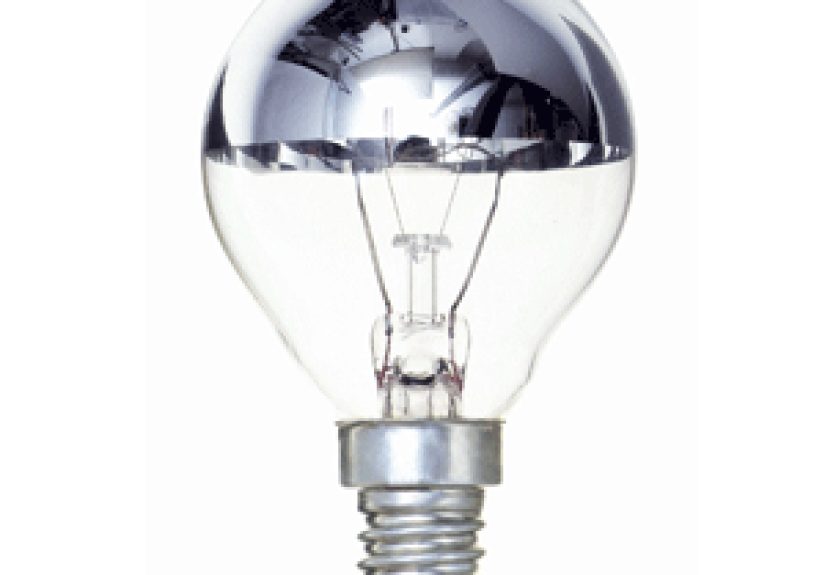
A crown silvered light bulb has a reflective coatingusually silver, chrome, or mirror-likeapplied to the top
portion of the bulb (the “crown”). Instead of letting light blast straight into your eyes from every angle, the
reflective crown bounces a portion of the light back into the fixture. The fixture then helps spread that light
more gently into the room.
In the U.S., you’ll often see these called silver bowl or chrome top bulbs. “Crown silvered”
is a common descriptive term that points to the same idea: a silvered top section that changes the direction and
feel of the light.
Why People Buy Them
- Reduce glare when the bulb is exposed (pendants, open shades, bare sockets, globe fixtures).
- Create a softer vibe that feels “designed,” not “utility closet.”
- Add a decorative lookthe mirrored top can look high-end and intentional.
- Improve comfort for seating areas below the fixture (tables, islands, reading nooks).
How They Work (Without the Boring Physics Lecture)
Light bulbs don’t just “turn on.” They throw light in many directions. In fixtures where the bulb is visible, that
direct view of the bright source can cause harsh glareespecially with clear glass, higher-lumen bulbs, or lights
positioned at eye level.
The reflective crown acts like a built-in “do-not-blind-humans” sign. The silvered portion reflects a chunk of the
light upward (or back into the fixture), so what you see is more reflected light and less direct glare. The result
is often a more comfortable pool of light and a calmer overall feel.
Think of It Like This
A normal exposed bulb is like shining a flashlight toward your face and saying, “This is ambiance.” A crown silvered
bulb is like aiming the flashlight at the ceiling so the room glows instead of your retinas.
Common Types and Finishes
1) Silver Bowl / Half-Chrome / Mirror-Top
These are the most common “crown silvered” styles in the U.S. The top portion is reflective, while the bottom stays
clear or lightly frosted so light can still spill downward and outward in a controlled way.
2) Shapes You’ll Actually See in Homes
- A19: The classic “regular bulb” shapegreat for pendants and many table/floor lamps.
- G25 globe: Popular for bathroom vanities and decorative fixtures; looks intentional even when exposed.
- ST / Edison-style: Vintage shapes with a reflective topgreat when you want “moody restaurant” energy.
3) Light Source Options
- LED: The most common modern optionefficient, long-lasting, and available in many color temperatures.
- Incandescent (where still available): Warmer and naturally dimmable, but uses more energy and runs hotter.
Where Crown Silvered Bulbs Work Best
Pendant Lights Over Islands and Dining Tables
This is the crown silvered bulb’s natural habitat. If your pendants hang low and you can see the bulb, glare is
basically guaranteed. A reflective crown reduces that “spotlight on your eyeballs” effect while keeping the space
bright enough to function.
Restaurants, Bars, and “I Want My Kitchen to Feel Like One”
Designers love controlled glare because it makes spaces feel calmer and more expensive. Crown silvered bulbs help
create that soft, flattering lightespecially when paired with warm color temperatures.
Bathroom Vanities (With a Caveat)
Crown silvered bulbs can look amazing in globe vanity fixtures where the bulb is visible. But for face lighting,
you typically want even illumination from both sides of the mirror. If the reflective crown blocks too much forward
light, your makeup routine might feel like a suspense film. Use them for style-forward vanities, not necessarily
precision color-matching tasksunless you test and love the result.
Lamps and Open Fixtures in Living Rooms
Exposed bulbs in floor lamps can be brutal at night, especially from a couch-level view. A crown silvered bulb can
turn that lamp into a softer “glow source,” making the whole room feel more relaxed.
How to Choose the Right Crown Silvered Bulb
Step 1: Pick Brightness by Lumens (Not Watts)
Modern bulb shopping is less “watts” and more “lumens.” Lumens tell you how bright the bulb is. If you’re replacing
a standard bulb, you’ll often see familiar equivalencies (like “60W equivalent”), but lumens are the real truth serum.
Step 2: Choose Color Temperature That Matches the Mood
- 2200K–3000K (Warm): Cozy, homey, flattering. Great for dining, living rooms, bedrooms.
- 3000K–3500K (Neutral-warm): Clean but not icy. Good for kitchens if you want clarity without a “hospital vibe.”
- 4000K–5000K+ (Cool/Daylight): Crisp and bright. Can feel clinical in relaxing spaces, but useful for task areas.
Step 3: Check Dimmability (and Dimmer Compatibility)
If you have a dimmer switch, make sure the bulb is labeled dimmable. With LEDs, compatibility matterssome dimmers
behave badly with some LED drivers, which can cause flicker, buzzing, or limited dimming range. If you’re investing
in “soft ambiance,” you don’t want your lights to imitate a haunted house.
Step 4: Confirm Base Type and Size
Most standard U.S. fixtures use an E26 medium base. Some smaller decorative fixtures use E12 candelabra.
Match the base, then match the bulb size to the shade or globe clearance.
Step 5: Look for Fixture Ratings (Enclosed, Damp, Wet)
Some LEDs are not designed for enclosed fixtures because heat can build up and shorten lifespan. Others are rated
specifically for enclosed use. Likewise, if the bulb is going near moisture (bathrooms, covered outdoor areas),
check the rating and listing information on the packaging or spec sheet.
Design Tips That Make Them Look Intentional (Not Accidental)
Match Finish to Hardware
If your fixture hardware is chrome or polished nickel, a chrome-top bulb can look like it belongs there. If your
fixture is matte black or brass, consider whether the mirrored top is a bold contrast (cool) or a mismatch (less cool).
Use Warm Light for the “Hotel Lobby Glow”
The reflective crown already pushes the vibe toward “soft and moody.” Pair it with warm color temperature to avoid
lighting that feels like a refrigerated display case.
One Room, One Lighting Story
If only one fixture in a room has crown silvered bulbs and everything else is a different color temperature, your
room can feel visually inconsistent. Try to keep color temperature aligned across the space.
LED vs. Incandescent: What Changes With Crown Silvering?
Energy and Heat
If you’re choosing between LED and incandescent versions, LED wins on efficiency and longevity in most homes.
Incandescent bulbs run hotter and use more energy for the same brightness. LEDs are also available in many decorative
styles now, including mirrored tops and filament looks.
Light Quality and “Feel”
Incandescent light is naturally warm and often dims smoothly. LEDs can be excellent, but the experience depends on
bulb quality, driver design, and dimmer compatibility. For crown silvered bulbs, the big difference you’ll notice is:
the reflective top changes where the light goes, so brightness in the “forward” direction may feel lower than a standard bulb
with the same lumen rating.
Troubleshooting (Because Lighting Always Has Opinions)
“It’s Too Dim Now”
- Try a higher-lumen bulb.
- Switch to a shape that throws more downward light (some designs are more directional than others).
- Add layered lighting (under-cabinet lights, lamps, wall sconces) so the pendant doesn’t have to do everything.
“It Looks Glitzy… in a Bad Way”
- Choose a subtler silver bowl rather than a highly mirrored chrome dome.
- Match the reflective finish with your fixture’s metal tones.
- Use a frosted or softly tinted variant if available.
“My LED Flickers on the Dimmer”
- Confirm the bulb is dimmable.
- Check dimmer compatibility (many bulb makers list compatible dimmers).
- Consider upgrading to an LED-rated dimmer switch if yours is older.
FAQ
Are crown silvered bulbs only for decorative fixtures?
Mostly, yesbut they’re also functional. Anytime glare is the problem, a reflective crown can be the fix. That
includes dining pendants, open floor lamps, and exposed-bulb sconces.
Do crown silvered bulbs reduce brightness?
They don’t always reduce total lumens produced, but they do redirect light. So the area directly in front of the bulb
may feel dimmer, while the overall room glow can feel smoother and more comfortable.
Will they work in any fixture?
They work best when the fixture can reflect or distribute the redirected lightlike pendants with shades, open bowls,
or fixtures that naturally bounce light around. In a fixture that relies on direct light for a task, you may prefer a standard bulb.
Real-World Experiences With Crown Silvered Light Bulbs (Extra Long Section)
Lighting choices aren’t just technicalthey’re emotional. People don’t say, “I crave 810 lumens.” They say, “Why does
my kitchen feel like an interrogation room?” Crown silvered bulbs show up in those moments, when the fixture looks
great but the light behaves like it missed the memo.
Experience #1: The Kitchen Island Peace Treaty. A classic scenario: three pendants over a kitchen island,
clear bulbs installed because they look stylish, and then… regret. You sit down, glance up, and your eyes get hit with
direct glare. Switching to crown silvered bulbs often feels like turning down the “aggression” of the light without
changing the fixture. You still get useful illumination on the countertop, but the visual discomfort drops. The space
suddenly feels more like “hang out here” and less like “sign these documents.”
Experience #2: The Restaurant Effect at Home. Many people first notice silver bowl or chrome-top bulbs
in restaurants because the vibe is calm and flattering. When you bring that idea homeespecially with warm color
temperaturesthe result can be surprisingly upscale. It’s not that your dining room becomes a five-star lounge, but it
does stop feeling like a cafeteria. The reflective crown softens the visual “hot spot,” and the room reads as more
intentional. Bonus: mirrors and glossy surfaces tend to look better under softened light.
Experience #3: The Living Room Lamp That Finally Behaves. Floor lamps with exposed bulbs can be brutal
when you’re sitting nearby. A crown silvered bulb can transform that lamp into a more indirect glow source. People
often describe the difference as “my lamp is still bright, but it stopped yelling at me.” It’s especially helpful in
reading corners where you want enough ambient light to relax, but not so much direct glare that the room feels tense.
Experience #4: Bathroom VanityStyle vs. Function. Crown silvered globe bulbs can look gorgeous in a
vanity fixture, especially when the bulb itself is part of the design. But the experience depends on what you’re doing
in that mirror. If you’re doing a quick brush-your-teeth check, the softer glow can feel spa-like. If you’re doing
detailed makeup or shaving and need even facial illumination, you might notice shadows or reduced forward light.
A common “best of both worlds” move is using crown silvered bulbs in a decorative overhead fixture, while using more
even, high-CRI bulbs in side sconces for face lighting.
Experience #5: Video Calls and Home Offices. This one surprises people: glare isn’t just annoyingit can
affect how a room looks on camera. An exposed bulb behind you can create harsh contrast and reflections. Crown silvered
bulbs can reduce that direct visible brightness, making the light feel more diffused. It’s not a replacement for a
proper key light, but it can make your room look calmer and less “I live inside a ceiling fixture.”
Experience #6: The “Oh, That’s Why It Exists” Moment. There’s a particular kind of satisfaction when a
simple bulb swap solves a problem you assumed required a new fixture. Many homeowners try shades, lower wattages, or
repositioning furniture first. A crown silvered bulb is one of those rare changes that can feel instantly obvious:
glare down, comfort up, style intact.
If you want a practical takeaway from all these experiences, it’s this: crown silvered bulbs are less about making
your home brighter and more about making your home friendlier. They help you keep the fixture you love while
fixing the light behavior you don’t.
Conclusion
Crown silvered light bulbs (silver bowl / chrome top / mirror-top) are a smart upgrade for any place you can see the
bulb and feel the glare. They redirect light for a softer, more controlled glowperfect for pendants, open lamps,
decorative globes, and style-forward spaces. Choose based on lumens, color temperature, dimmability, and fixture rating,
and you’ll get lighting that feels more comfortable, more intentional, and a lot less like it’s trying to win a staring contest.
![300+ Business Name Ideas to Inspire You [+7 Brand Name Generators]](https://gearxtop.com/wp-content/uploads/2026/03/300-business-name-ideas-to-inspire-you-7-brand-name-generators-H2XLoc5B-thumb.jpg)
![How Each Generation Shops in 2024 [New Data from Our State of Consumer Trends Report]](https://gearxtop.com/wp-content/uploads/2026/03/how-each-generation-shops-in-2024-new-data-from-our-state-of-consumer-trends-report-mnIzi0Br-thumb.jpg)
![How Do Millionaires Make Their Money? [2024 IRS Data]](https://gearxtop.com/wp-content/uploads/2026/03/how-do-millionaires-make-their-money-2024-irs-data-sCfhCHdr-thumb.jpg)