Table of Contents >> Show >> Hide
- Why Maine Design Feels So Right Right Now
- The Maine Palette: Fog, Pine, Granite, and a Tiny Bit of Lobster
- Architecture Crush: Shingle Style and Maine’s Talent for Looking Effortless
- Interiors That Feel Like a Deep Breath
- Maine-Made: Craftsmanship as a Cultural Superpower
- Design Icons You Can Actually Use: Sea Bags, Thos. Moser, and L.L.Bean
- Wabanaki Basketry: Design With Deep Roots
- Sea-to-Trees Materials: Granite, Glacial Texture, and a Coast That Designs Back
- Boatbuilding and the Maine Design Brain
- How to Bring “Maine by Design” Into Your Own Space
- Hands-On Experiences: A 500-Word “Maine by Design” Field Guide
- Conclusion: The Obsession That Actually Lasts
Some places are a vibe. Maine is a whole mood boardone that smells faintly of salt air, looks great in
weathered cedar, and somehow makes “granite” feel like a personality trait. Lately, the design world has been
borrowing Maine’s homework: coastal palettes that don’t scream “beach rental,” craftsmanship that actually
deserves the word “handmade,” and architecture that feels like it grew there on purpose (because, often, it kind
of did).
This is your guide to the current obsession: Maine by Designwhere shingle-style homes,
modern maker culture, Wabanaki basketry, and sea-to-trees textures collide in the best possible way. Consider it
equal parts inspiration, field notes, and a friendly reminder that you, too, can bring a little “Down East”
calm into your life… without needing to move your entire personality into a lighthouse.
Why Maine Design Feels So Right Right Now
Trends come and go, but Maine keeps quietly doing what it’s always done: build for weather, work with local
materials, and treat durability like a love language. That philosophy happens to align perfectly with what
people want todayhomes and products that feel grounded, sustainable, and real.
It’s the anti-“fast decor” antidote
Maine style isn’t about buying a new identity every spring. It’s about patina, honest materials, and pieces
you keep because they still work (and because they’re beautiful). Think: wood that shows its grain, textiles
that look better after you live with them, and interiors that prioritize light, warmth, and function over
flash.
Nature is the design director
Maine’s landscape is basically a masterclass in restraint: foggy grays, deep evergreen, sun-bleached driftwood,
dark water, and that iconic pink-gold glow on granite at the edges of day. It’s no wonder so many Maine
interiors lean into coastal light and wooded texturesthe environment is doing half the styling for you.
The Maine Palette: Fog, Pine, Granite, and a Tiny Bit of Lobster
If you want to spot “Maine by Design” from across a room, look for the palette. Not the obvious nautical stuff
(we’ve all suffered through at least one navy-and-anchor era), but the subtler Maine spectrum that feels calm
and lived-in.
Color cues that feel Maine without going full gift shop
- Soft grays and off-whites that mimic fog, weathered shingles, and sea spray.
- Deep greens inspired by spruce, fir, and pinemore forest than fern.
- Stone tones that echo Maine granite, from cool silvers to warm taupe.
- Accent colors used sparingly: oxidized reds, worn navy, and yessometimes a wink of “lobster buoy.”
Textures do the heavy lifting
Maine design is a tactile sport. You’ll see linen, wool, cotton canvas, leather, and wood everywhereplus stone
and metal that patinate instead of pretending life never happens. It’s less “perfect showroom” and more “this
chair has been in three family arguments and still looks great.”
Architecture Crush: Shingle Style and Maine’s Talent for Looking Effortless
Maine and the Shingle Style go together like tide and tidepool: naturally, and with a little
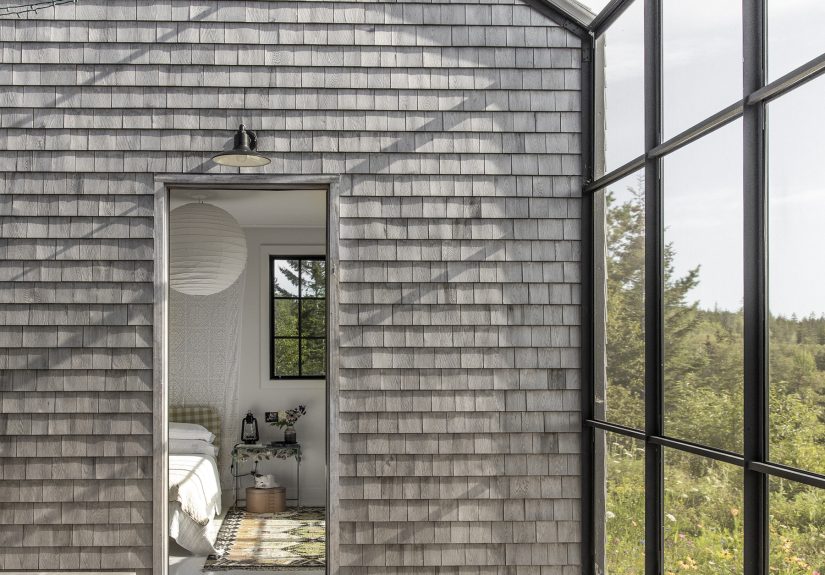
drama. Shingle-style homes were designed to feel cohesiveoften wrapped in continuous shingles that unify walls
and roof into one calm, sculptural form. The look is simultaneously relaxed and deeply intentional, which is
basically what everyone wants their house to be.
What makes shingle-style architecture feel so “Maine”
Shingle-style buildings grew out of late 19th-century New England, responding to fussier Victorian ornament by
leaning into simpler forms and natural materials. Cedar shingles weather to that silvery gray that reads like
“this house belongs here.” Wide porches (or piazzas), generous windows, and a strong relationship to the
landscape make these homes feel like they’re in conversation with the coast rather than trying to compete with
it.
A Maine icon: John Calvin Stevens and the coastal cottage legacy
If you’re touring Maine architecture (even virtually), you’ll run into John Calvin Stevensan influential
architect associated with shingle-style coastal homes and Portland’s historic character. What’s particularly
“Maine by Design” about that legacy is the emphasis on siting and scenery: big windows, outdoor rooms, and
layouts that make the landscape part of the experience.
The modern twist: same soul, cleaner lines
Today’s Maine architecture often keeps the DNAnatural siding, strong roofs, sheltered entries, and
indoor-outdoor flowwhile simplifying details. Translation: it still feels coastal, but with fewer frills and
more “quiet luxury.” And yes, it looks amazing in fog, which is convenient because Maine does not believe in
changing its weather for anyone.
Interiors That Feel Like a Deep Breath
The most compelling Maine interiors don’t chase a single “look.” They chase a feeling: light, comfort, and
materials that make sense for the place. Rooms are often designed to hold up through mud season, summer
houseguests, winter storms, and that one friend who “just popped by” and somehow stays for dinner.
Hallmarks of coastal Maine interior design
- Light management: big windows, layered shades, and thoughtful glare control.
- Warmth: hearth elements, wood, stone, and cozy textiles that make winter feel like a feature.
- Function-first layouts: spaces built for living, not just photographing.
- Collected objects: local art, handmade ceramics, baskets, and furniture with a story.
Design tip: make “view” your focal pointeven if it’s just a tree
Maine rooms often orient around what’s outside: water, pines, rocky ledges, changing sky. You can borrow that
trick anywhere. Identify the best “outside moment” you have (a tree line, a courtyard, a city skyline) and
arrange the room to honor it. Instant calm. No lighthouse required.
Maine-Made: Craftsmanship as a Cultural Superpower
Maine isn’t just prettyit makes things. And not in a “souvenir magnet” way (though, sure, those exist). Maine
has a strong maker ecosystem supported by statewide branding and organizations that connect artisans to buyers.
If “Maine by Design” is the vibe, Maine-made crafts are the proof.
The Maine Made stamp: quality with receipts
Maine’s statewide “Maine Made” program supports thousands of member companies under a recognizable brandan
umbrella for products crafted in Maine, from wood and fiber to farm-based goods. It’s basically a shortcut for
shoppers who want quality and regional integrity without needing to interrogate every label like a detective in
a cozy mystery.
Maine Crafts Association and the modern maker scene
If you want a snapshot of contemporary craftceramics, jewelry, textiles, glass, woodMaine has a robust
network of makers. Organizations supporting craft culture help spotlight artists and sustain the idea that
“handmade” can still be a viable livelihood, not just a hobby that eats your weekends and your dining table.
Design Icons You Can Actually Use: Sea Bags, Thos. Moser, and L.L.Bean
Maine’s design identity shows up in brands that mix practicality with unmistakable place-based character. The
best part? These aren’t “look but don’t touch” icons. They’re meant to be usedand to look better after you do.
Sea Bags: upcycled sails, Maine attitude
One of the most literal examples of Maine material culture: bags made from recycled sail cloth. It’s clever,
durable, and inherently coastal. The fabric already has a historywind, salt, sunso the product feels like it
arrived with stories built in. Sustainability can be beautiful when it’s not yelling about itself.
Thos. Moser: heirloom wood furniture with Shaker-leaning simplicity
Maine woodworking has a reputation for a reason, and Thos. Moser is frequently cited as an example of
craft-driven American furniture making: simple lines, traditional joinery, and an emphasis on wood’s natural
beauty. The takeaway for your own home isn’t “buy the most expensive chair,” it’s “choose fewer things, but
choose them well.”
L.L.Bean: the outdoors moves in (and somehow looks classic)
Maine’s design culture also includes the overlap between outdoor utility and everyday life. L.L.Bean’s brand is
rooted in that idea: items meant to last, designed for real use, and tied to Maine identity. Even if your
“outdoor adventure” is walking to get coffee, you can still appreciate the aesthetic: sturdy materials, classic
proportions, and comfort that doesn’t apologize for itself.
Wabanaki Basketry: Design With Deep Roots
You can’t talk about Maine craft without honoring Wabanaki artistry. Basketmakingespecially brown ash
basketryholds cultural and historical significance, and it’s also a powerful lesson in design: form follows
function, materials matter, and knowledge is passed through community.
Apprenticeship, continuity, and the Maine Indian Basketmakers Alliance
Traditional arts apprenticeship efforts in Maine have supported the passing down of basketmaking skills across
generations, including learning to weave and prepare brown ash. These programs and community organizing helped
strengthen networks among basketmakers and supported the formation of an alliance that advocates for the art,
visibility, and future of the tradition.
What modern design can learn here
- Respect the material: understand what it is, where it comes from, and how it behaves.
- Design is not separate from ecology: if the material is threatened, the craft is too.
- Beauty and usefulness are friends: baskets are functional, elegant, and enduring.
Sea-to-Trees Materials: Granite, Glacial Texture, and a Coast That Designs Back
Maine’s natural materials don’t just inspire designthey define it. The state’s iconic rocky coastline and
granite landscapes aren’t background scenery; they’re part of the material vocabulary that shows up in homes,
public spaces, and everyday objects.
Acadia as a masterclass in texture
Acadia National Park’s coastline is famously dramaticheadlands, bays, tidepools, and rocky shoreline that
remind you the ocean is not here to be “relaxing,” it’s here to be powerful. That sense of rugged elegance is a
direct line to Maine’s design sensibility: resilient, pared down, and beautifully unbothered by trends.
Granite has a timeline. Your coffee table does not. Stay humble.
Geological history in places like Mount Desert Island includes granite formed from ancient magma and landscapes
shaped by glacial movement. You don’t need to memorize the dates to feel the effect: Maine design often mirrors
that layered storystone, wood, and metal that look like they’ve lived through something (because they have).
Boatbuilding and the Maine Design Brain
Maine has a long boatbuilding tradition, and even if you’ve never set foot on a lobsterboat, you’ve felt its
influence. Boatbuilding teaches proportion, durability, and problem-solving under real constraints. It’s design
that must perform, in weather that does not negotiate.
Tradition + innovation is the whole point
Over time, Maine builders shifted from older tools and commercial vessel focus toward modern methods and
evolving markets, blending new materials and technologies with traditional knowledge. That mindsetrespect the
past, build for the futureshows up everywhere in Maine design, from furniture joinery to architecture details.
Borrow this for your home
- Choose materials like you’re going to use them (because you are).
- Prioritize good joints over decorative extras.
- Design for maintenance: things should be fixable, not disposable.
How to Bring “Maine by Design” Into Your Own Space
You don’t need to import a truckload of driftwood to get the Maine effect. You need restraint, real materials,
and a little respect for function. Here’s the practical playbook.
1) Start with light and layout
Maine rooms love daylight but understand glare. Use layered window treatments, keep sightlines open, and place
seating where it encourages conversation (and, ideally, where people can also stare out the window when social
energy is low).
2) Pick one “honest” hero material
Make one material the star: white oak, painted pine, soapstone, linen, or wool. Then support it with quieter
textures. Maine design works because it’s not trying to make every surface the main character.
3) Collect, don’t clutter
Add a basket that’s actually used. A ceramic mug you reach for daily. A lamp that feels like it could survive a
minor apocalypse. Maine style looks effortless because it’s editedand because every object earns its spot.
4) Make sustainability normal, not performative
Buy fewer things. Repair what you can. Choose reclaimed or upcycled materials when it makes sense. In Maine,
“waste not” isn’t a trend; it’s weather wisdom.
Hands-On Experiences: A 500-Word “Maine by Design” Field Guide
Let’s make this obsession practical. If you want to experience Maine by Design (not just pin it at 2 a.m.
and promise yourself you’ll become a person who owns matching linen napkins), plan a day like a designer with
comfortable shoes.
Start in Portland’s Arts District energy. Wander like you’re “just looking,” but carry a notebook because you
will absolutely steal ideas: storefront displays that balance minimalism and warmth, gallery walls that mix
contemporary and classic, and that very Maine trick of using natural texture to keep a neutral palette from
feeling flat. Pop into spaces that feature local makersceramics, textiles, jewelrythen pay attention to how
you feel holding the objects. Maine craft often has a quiet confidence: it doesn’t beg for attention, it earns
it.
Next, go chase the material story. Visit a working waterfront area where you can see how “industrial” becomes
“aesthetic” when it’s authentic. You’ll notice colors you can’t quite namerope tan, oxidized metal, storm-cloud
slateand you’ll realize why Maine interiors lean neutral: the real accent colors are outside. If you can watch
craftspeople at work (textiles being stitched, wood being shaped), do it. You’ll understand instantly why
craftsmanship changes how we value things. A hand-built object makes “disposable” feel mildly embarrassing.
Make time for art that’s inseparable from place. The Maine coast has long inspired artists because it’s both
gorgeous and a little intimidatinglike a supermodel who also knows how to change a tire. Seeing marine art and
coastline studies in person recalibrates your sense of color: the ocean isn’t “blue,” it’s ten thousand blues
plus gray plus green plus “I guess we’re doing drama today.” That’s exactly what good design does: it notices
nuance.
Now, drive (or day-trip) toward the coast and let architecture do the talking. Shingle-style homes are best
understood as a relationship between building and landscape. Look at rooflines, porches, and window placement.
Notice how the house often shelters you from wind while still giving you the view. That’s Maine logic: comfort
without disconnection. Snap photos of detailsshingle edges, stone walls, simple railingsand you’ll come home
with a library of “quiet ideas” that work anywhere.
Finally, end the day with one meaningful purchaseor none at all. The point isn’t souvenirs; it’s alignment.
Pick a basket you’ll use, a mug that fits your hand, a tote that’s tough enough to become your personality.
Maine by Design isn’t about looking coastal. It’s about living with intention, choosing well, and letting
natural materials (and a little humor) do the rest.