Table of Contents >> Show >> Hide
- Why This Glass Still Matters
- Who Is Deborah Ehrlich?
- What Makes the Crystal All Purpose Glass Special?
- How It Fits Into the Deborah Ehrlich Glassware Universe
- Why Design Lovers Keep Coming Back to It
- How to Use It at Home
- Things to Consider Before Buying
- Is the Deborah Ehrlich Crystal All Purpose Glass Worth It?
- Experience: Living With the Deborah Ehrlich Crystal All Purpose Glass
If you have ever picked up a glass and immediately thought, “Well, that feels expensive in an oddly calm, spiritually centered way,” you already understand the appeal of the Deborah Ehrlich Crystal All Purpose Glass. It is not loud. It is not trendy. It does not arrive waving jazz hands. Instead, it does the rare thing great tabletop design always does: it makes restraint feel luxurious.
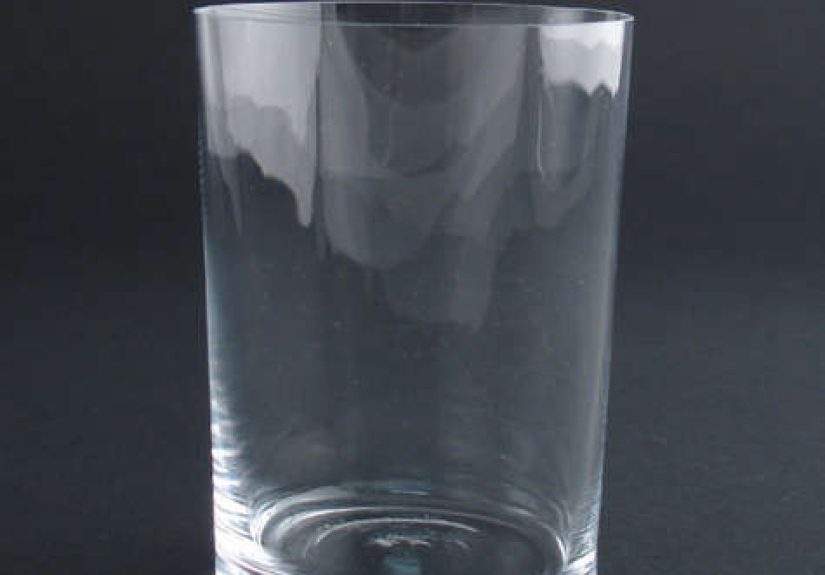
The Deborah Ehrlich name has long been associated with crystal that looks almost impossibly delicate yet feels purposeful in the hand. Her pieces are known for their clarity, thinness, balance, and an unshowy elegance that makes them just as comfortable at a weekday dinner as they are at a dressed-up table with linen napkins and a host who suddenly starts describing olives as “bright.” The Crystal All Purpose Glass fits neatly into that world. It is the kind of object that makes you realize “all purpose” does not have to mean boring. In this case, it means versatile, beautiful, and designed with enough discipline to outlast fads.
Why This Glass Still Matters
The phrase all purpose glass can sound a little plain, almost utilitarian. It brings to mind the sort of kitchen item that gets the job done and never gets invited into a design conversation. Deborah Ehrlich’s version flips that idea on its head. Here, “all purpose” means a glass that can move easily from water to wine, from juice to sparkling cocktails, from casual breakfast tables to candlelit dinners, without ever looking like the backup option.
That flexibility is part of why the piece has stayed relevant. Archival design coverage has featured the Deborah Ehrlich Crystal All Purpose Glass alongside other pieces in her collection, and current retailers in the U.S. continue to carry related water, wine, rocks, pilsner, and champagne glasses that share the same minimalist DNA. In other words, this is not a one-off novelty object. It belongs to a broader design language built around proportion, quiet beauty, and the idea that everyday rituals deserve better tools.
Who Is Deborah Ehrlich?
Deborah Ehrlich is an American designer whose work has been admired for turning simplicity into something memorable. Her background in sculpture helps explain why her glassware feels so considered. These are not pieces designed merely to hold liquid. They are objects shaped around line, weight, silhouette, negative space, and human touch. That sculptural thinking is one reason her glassware has such a distinctive presence even when it appears almost invisible on the table.
Her work is also closely tied to the Hudson Valley, where she designs with a slow, highly precise approach. That slowness matters. In a market flooded with products engineered to be “good enough,” Ehrlich’s process feels almost rebellious. She has built a reputation around careful proportion rather than visual noise, which is a lovely reminder that not every beautiful object needs to scream for attention like a reality-show contestant.
What Makes the Crystal All Purpose Glass Special?
1. It is about proportion first
The best Deborah Ehrlich pieces are not decorated into beauty; they are proportioned into beauty. That distinction matters. The Crystal All Purpose Glass does not rely on etching, color, heavy stems, novelty textures, or flashy flourishes. Its charm comes from the relationship between height, diameter, curve, rim, and base. It feels resolved. Nothing looks accidental, and nothing looks overworked.
That design discipline gives the glass a strangely timeless quality. You can imagine it on a modern table with matte stoneware, on a rustic wood surface with candlelight, or in a more formal setting with polished silver. It adapts because the form is clean enough to belong almost anywhere.
2. The crystal is delicate, but not precious in the annoying way
One of the signatures of Deborah Ehrlich glassware is its fine, refined construction. Her pieces are associated with hand-blown Swedish crystal, often described as clear, light, and beautifully thin at the lip. That matters because the lip of a glass changes the drinking experience more than most people realize. A thick rim can make even a good drink feel clunky. A thinner, well-finished rim lets the liquid arrive more cleanly and makes the whole experience feel smoother and more intentional.
And yet the appeal is not just fragility for fragility’s sake. The point is not to own a glass so delicate that you become emotionally unavailable every time someone reaches for it. The point is refinement. The glass feels lighter, cleaner, and better to drink from. It turns an ordinary sip of water into something just a little more ceremonial, which sounds dramatic until you try it and realize your chunky everyday tumbler has been doing you dirty.
3. It earns the phrase “all purpose”
A truly good all-purpose glass should be the tabletop equivalent of a perfect white shirt. It should work across situations, flatter almost everything, and never feel like a compromise. Deborah Ehrlich’s approach fits that idea beautifully. This kind of glass is not trapped in one identity. Use it for still water, sparkling water, white wine, a small aperitif, a citrusy spritz, fresh juice, or even a neat pour of something special. It looks appropriate in all those roles because it is designed around balance, not gimmickry.
That versatility also makes it a smart purchase for people who do not want a cabinet full of single-use glassware. Not everyone needs a vessel for every imaginable beverage category. Most people just want a few very good glasses that make daily life feel a little nicer. The Crystal All Purpose Glass belongs firmly in that camp.
How It Fits Into the Deborah Ehrlich Glassware Universe
To understand this glass, it helps to understand the wider Deborah Ehrlich collection. U.S. retailers continue to offer related forms such as water glasses, wine glasses, rocks glasses, pilsner glasses, and champagne glasses. Across those categories, the consistent theme is restraint. The pieces look like they come from the same family because they do: same emphasis on purity of form, same hand-finished quality, same understated elegance.
That coherence is one of the strongest selling points. If you buy the Crystal All Purpose Glass, you are not buying an orphan object. You are buying into a visual system. Over time, you can add a water glass, a white wine glass, or a champagne glass and still maintain a table that feels harmonious rather than randomly assembled. It is curated without looking curated, which is secretly the dream.
Why Design Lovers Keep Coming Back to It
People who care about design often talk about “quiet luxury,” and frankly, the term gets abused. Sometimes it is just code for expensive beige things with excellent public relations. In the case of Deborah Ehrlich glassware, though, the phrase actually fits. This is quiet luxury in the best sense: superb materials, hand craftsmanship, beautiful proportion, and an object that improves the experience of use instead of merely broadcasting status.
There is also something deeply refreshing about a piece that does not rely on visual clutter. The Crystal All Purpose Glass does not need branding, obvious spectacle, or trend-chasing details to feel special. It trusts form. That confidence is part of what makes it so appealing to collectors, stylists, hosts, and anyone who wants their home to look considered rather than overdecorated.
How to Use It at Home
The beauty of the Deborah Ehrlich Crystal All Purpose Glass is that it slips naturally into real life. Set it at the breakfast table with juice and coffee nearby, and it looks crisp and modern. Fill it with sparkling water and lemon at lunch, and it suddenly feels fresh and elegant. Put it next to linen napkins, ceramic plates, and candlelight at dinner, and it rises to the occasion without looking formal or stiff.
It also plays well with different aesthetics. In a minimalist home, it reinforces the calm. In a rustic interior, it adds contrast and polish. In a layered, collected space, it provides visual breathing room. This adaptability is one reason the glass photographs so well in design settings. It brings lightness to a tablescape without becoming the loudest thing in the room.
Things to Consider Before Buying
Care matters
Many Deborah Ehrlich pieces are sold with hand-wash recommendations, and that is worth respecting. This is handcrafted crystal, not an indestructible restaurant tumbler. If you buy it, buy it with the expectation that it deserves a little care. That is not a flaw; it is part of the category. The trade-off for thinness, clarity, and refinement is that you should treat it like the beautiful object it is.
Price is about craft, not volume
Deborah Ehrlich glassware is not impulse-bin glassware, and it should not be judged by big-box standards. You are paying for design authorship, hand craftsmanship, material quality, and the consistency of a well-developed aesthetic. If your main goal is simply “contains beverage,” yes, cheaper glasses exist. If your goal is “contains beverage while making the table feel ten times more thoughtful,” this starts to make a lot more sense.
Availability can shift
Because the collection is carried by design-forward retailers and includes handmade pieces, availability may vary. Some items appear seasonally, some go out of stock, and some older names may show up more easily in archival listings than in current catalogs. That is fairly normal in the design world. It is also why Deborah Ehrlich pieces often feel collected rather than mass distributed.
Is the Deborah Ehrlich Crystal All Purpose Glass Worth It?
For the right buyer, absolutely. If you love tabletop design, appreciate handmade objects, and want glassware that feels as good to use as it looks on a shelf, this is exactly the kind of piece that earns its place. It offers versatility without sacrificing personality, and it manages to feel luxurious without becoming fussy.
More importantly, it reflects a philosophy that is increasingly rare: that useful things can still be poetic. The Deborah Ehrlich Crystal All Purpose Glass is not trying to reinvent drinking. It is simply refining it. Sometimes that is enough. Sometimes that is actually better than enough.
Experience: Living With the Deborah Ehrlich Crystal All Purpose Glass
Living with a glass like this is a slow-burn pleasure. The first thing most people notice is not some dramatic design revelation. It is the feel. You pick it up and immediately register that it is lighter and more balanced than the average everyday glass. It does not thunk into your hand; it settles. That tiny difference changes the mood of the moment more than you would expect. Morning water feels cleaner. Juice feels less childish. A casual splash of wine after work suddenly has main-character lighting.
What is especially appealing is how the glass changes your table without asking for attention. On an ordinary Tuesday, it makes leftovers look oddly sophisticated. A salad, a roast chicken, some bread, and a simple glass of sparkling water can feel like an intentional meal instead of a frantic life decision made at 7:14 p.m. It brings order to the visual chaos. That sounds lofty for drinkware, but good design often works exactly like that: quietly, repeatedly, almost sneaking up on you.
There is also the social side of using it. Guests notice it, though usually not in a loud way. Someone will lift it, take a sip, and then say a version of the same thing every design lover hopes to hear: “Wait, this glass is really nice.” That reaction tells you a lot. The Deborah Ehrlich Crystal All Purpose Glass does not read as precious museum glass. It reads as deeply considered. People understand it through use, not just through appearance.
Another pleasant surprise is how flexible it feels over time. One day it is a water glass at lunch. The next day it is holding a chilled white wine. Later it becomes the right vessel for a spritz, a small cocktail, or even a carefully poured iced tea when you are pretending your kitchen is a boutique hotel. That adaptability keeps it from becoming a special-occasion object doomed to spend most of its life behind a cabinet door.
Of course, owning a handcrafted crystal glass comes with responsibility. You wash it more carefully. You do not stack it recklessly like you are closing down a sports bar. But that extra care quickly becomes part of the ritual rather than a burden. In fact, that might be one of the best things about it. The glass gently asks you to slow down. To set the table. To pour something good. To pay attention. In a culture that loves speed and disposable everything, that feels surprisingly radical.
Over weeks and months, the experience becomes less about the object itself and more about what it encourages. Better habits. More thoughtful hosting. A stronger appreciation for material, proportion, and craft. You start to understand why people become loyal to Deborah Ehrlich’s work. It is not because the pieces are flashy. It is because they make ordinary life feel edited, calmer, and more beautiful. And honestly, that is a pretty excellent job for one very elegant glass.