Table of Contents >> Show >> Hide
- Why Generator Maintenance Is Disaster Preparedness (Not Just a Chore)
- Know What You Own: Portable vs. Standby (Maintenance Isn’t One-Size-Fits-All)
- The Safety Stuff That Keeps You Alive to Enjoy Electricity
- Your Core Maintenance Routine: The “Before, Monthly, Yearly” System
- Oil, Filters, and Spark Plugs: The Big Three of Generator Maintenance
- Fuel Management: The Part Everyone Forgets Until the Gas Smells “Off”
- Battery, Bolts, and Other “Small Things” That Ruin Big Plans
- Standby Generator Maintenance: Follow the Schedule, Not Your Feelings
- Connection Readiness: Power What Matters (Without Tripping Everything)
- Off-Season Storage: Keep It Ready Without Keeping It Gross
- Build a Simple Generator Maintenance Log (You’ll Thank Past-You Later)
- Conclusion: Maintain It Like You’ll Need ItBecause You Will
- Experiences and Lessons from Real Outages ()
A generator is basically a loud, metal roommate who only shows up during emergencies, eats expensive fuel, and complains if you forget to change its oil. But when the grid goes down, it’s also the difference between “cozy survival mode” and “why is my freezer crying?”
This guide walks you through practical, real-world generator maintenance for disaster preparednessportable or standbyso your unit starts when it matters, runs safely, and doesn’t pick the worst possible moment to develop “mystery sputter.”
Why Generator Maintenance Is Disaster Preparedness (Not Just a Chore)
Disasters don’t schedule themselves around your to-do list. Storms, wildfires, heat waves, and winter events often trigger power outages when roads are messy, repair crews are stretched, and replacement parts are suddenly “backordered until the end of time.”
Maintaining your generator does three big things:
- Reliability: Prevents dead batteries, clogged carburetors, and low-oil shutdown surprises.
- Safety: Reduces risks like carbon monoxide exposure, electrical hazards, and fuel fires.
- Efficiency: Keeps the engine running cleaner, smoother, and with less fuel waste.
Know What You Own: Portable vs. Standby (Maintenance Isn’t One-Size-Fits-All)
Portable generators
Portable units are hands-on: you wheel them out, fuel them, start them, plug in loads, and baby-sit them. They usually require more user attentionespecially fuel management and oil checksbecause they may sit idle for months.
Standby generators
Standby generators are the “set-it-and-forget-it” optionuntil you actually forget it. They self-test and switch on automatically, but they still need scheduled service: oil and filter changes, battery checks, air filter/spark plug replacements, and periodic inspection for leaks or water intrusion.
Fuel type changes the maintenance game
- Gasoline: Most common for portables. Biggest enemy: stale fuel and gummy carburetors.
- Propane: Cleaner storage, fewer fuel-staleness headaches. Watch hoses/regulators and tank condition.
- Natural gas: Common for standby. Less fuel storage stress, but you still need engine maintenance.
- Diesel: Often larger systems. Needs clean fuel, filtration, and proper load exercise to avoid problems.
The Safety Stuff That Keeps You Alive to Enjoy Electricity
Maintenance and safety are joined at the hip. If you remember nothing else, remember this: generators make carbon monoxide (CO) and it can be deadly. Safe placement and ventilation are non-negotiable.
Placement and carbon monoxide rules
- Run your generator outside onlynever in a garage, basement, shed, or near open windows.
- Place it at least 20 feet away from doors, windows, and vents. (Some older guides mention shorter distances; the “20 feet” rule is the safer standard.)
- Point exhaust away from the home and neighbors, and keep openings closed in the exhaust path.
- Use battery-powered (or battery-backup) CO detectors inside your homeespecially near sleeping areas.
Fuel and fire safety
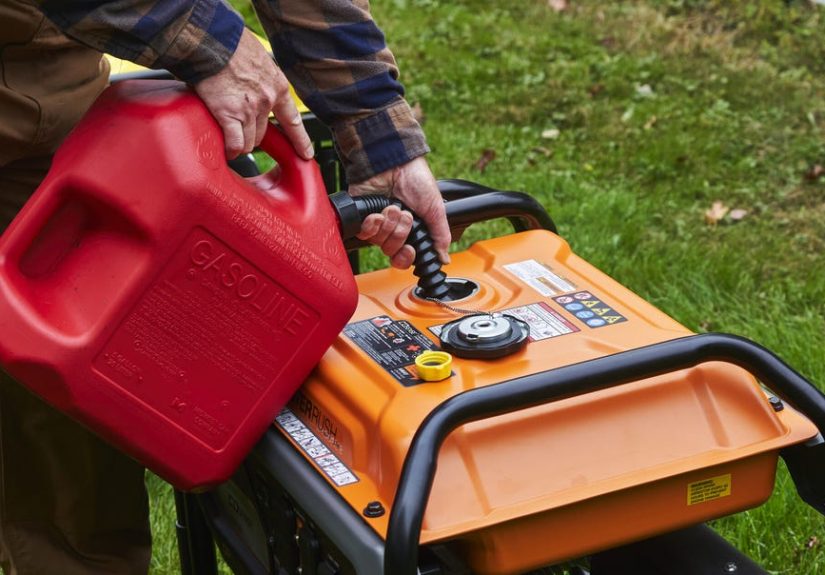
- Turn it off and let it cool before refueling. Hot engines + gasoline vapor = bad day.
- Store fuel outside living areas, away from ignition sources, in approved containers.
- Keep a small ABC fire extinguisher nearby (and know how to use it).
Electrical safety (no “DIY backfeed” adventures)
- Use heavy-duty, outdoor-rated extension cords sized for the load, and inspect them for damage.
- If you want to power home circuits, use a properly installed transfer switch or approved interlock set-upinstalled by a qualified electrician per local code.
- Start with essentials, add loads gradually, and don’t overload the generator.
Your Core Maintenance Routine: The “Before, Monthly, Yearly” System
You don’t need to become a small-engine wizard. You just need a repeatable routine. Here’s the framework that covers most portable and standby generators.
Before each use (or daily during long outages)
- Check engine oil level (top off if needed, but don’t overfill).
- Look for leaks (fuel, oil), loose bolts, chewed wires, or nesting critters.
- Clear airflow: remove debris around vents, muffler, and cooling intakes.
- Inspect cords and connections. If a cord looks like it fought a weed trimmer and lost, retire it.
- Confirm fresh fuel (or stabilized fuel) and check fuel shutoff valves.
- Test CO alarms in the house before you run the generator for an extended period.
Monthly: exercise it like a stubborn treadmill
A generator that never runs is like a bicycle left in the raineventually it gets cranky. Monthly testing helps keep components lubricated, catches issues early, and keeps you familiar with start-up steps before you’re doing them in the dark while it’s raining sideways.
- Run monthly for about 20–30 minutes. If possible, run it with a meaningful load (not just idling).
- Listen and look: hunting RPM, surging, fuel smell, smoke, tripped breakers, or unusual vibration are early warning signs.
- Record run time on a log (hours matter for oil-change intervals).
Seasonal / yearly: the tune-up that prevents 2 a.m. regret
Your annual maintenance is where reliability is earned. The exact intervals depend on your unit, but these are the usual suspects:
- Oil change (often after the initial break-in period, then every set number of hours or seasonally).
- Oil filter (on many models) replaced with the oil change.
- Air filter cleaned or replaced; dusty conditions shorten the interval.
- Spark plug inspected/cleaned/replaced as recommended.
- Spark arrester/muffler area inspected and cleaned if applicable (and after heavy use).
- Battery tested (especially electric-start models and standby units).
- Fuel system checked for leaks and cracked lines.
Oil, Filters, and Spark Plugs: The Big Three of Generator Maintenance
Oil: the cheapest insurance you can buy
Most generator failures don’t start with dramatic explosions. They start with “I thought it had enough oil.” Engines can consume oil, especially under heavy load, high heat, or long run times.
- For many small engines, the first oil change happens early (during break-in), then continues on a schedule (often based on run hours).
- If you’re running the generator continuously during an outage, check the oil daily (and more often if the manual recommends it).
Air filters: the lungs of the operation
Generators inhale a surprising amount of air. If you run in dusty conditions (post-storm debris, wildfire smoke, construction dust), the air filter can clog quickly. A clogged filter reduces power, increases fuel use, and makes the engine run poorly.
Spark plugs: tiny part, big attitude
Spark plugs wear, foul, and corrode. A weak spark means hard starts, rough running, and more fuel smell. Replacing a spark plug is cheap, fast, and wildly satisfyinglike fixing a squeaky door with one screw turn.
Fuel Management: The Part Everyone Forgets Until the Gas Smells “Off”
Gasoline: stabilize, rotate, and don’t hoard it indoors
Gasoline degrades over time, and ethanol blends can be especially troublesome for small engines. If fuel sits, it can form deposits that clog carburetors and fuel jetsright when you need them clear.
- Use fresh fuel and add a fuel stabilizer if you’re storing it.
- Rotate stored gasoline regularly: use the oldest fuel first and replace it with fresh.
- When you run the generator, pull fuel from your “storage can” so you’re constantly cycling it.
- Store fuel in approved portable fuel containers (commonly five gallons or less) and keep them in a safe, well-ventilated storage area away from the home’s living space.
Propane: cleaner storage, different checks
Propane doesn’t go “stale” the same way gasoline does, which is why many people love dual-fuel generators. Your maintenance focus shifts to:
- Checking hose condition, fittings, and regulators for wear or damage.
- Ensuring cylinders are stored and secured properly, per local guidance.
- Keeping a spare cylinder if your run-time plan depends on it.
Natural gas: convenient… until it isn’t
Natural gas standby generators avoid fuel storage, but outages can still disrupt supply in rare cases. Your best move is still the same: keep the generator maintained, exercised, and serviced on schedule.
Diesel: exercise under load to avoid “wet stacking” problems
Diesel generatorsmore common in larger standby setupscan develop issues when they run too lightly loaded for long periods. Low-load operation can lead to unburned fuel buildup in the exhaust system (“wet stacking”) over time. Monthly load-bank testing or ensuring adequate load during exercise helps burn off deposits and keep the engine happier.
Battery, Bolts, and Other “Small Things” That Ruin Big Plans
A generator can be mechanically perfect and still refuse to start because of a neglected battery or a loose connection. Add these to your routine:
- Battery care: check terminals for corrosion, confirm charge, replace when weak.
- Vibration check: generators shake. Periodically tighten bolts and inspect mounts.
- Keep it clean: wipe dust and grime, especially around vents and controls.
- Spare parts kit: keep oil, a spark plug, an air filter, and a funnel on hand.
Standby Generator Maintenance: Follow the Schedule, Not Your Feelings
Standby units are designed to run unattended, so they rely on scheduled maintenance intervals. A typical service schedule includes regular inspections plus larger “A” and “B” services that bundle oil/filter changes, battery checks, and periodic replacement of air filters and spark plugssometimes with valve clearance inspection depending on the engine.
Translation: if your standby generator politely reminds you on the control panel that service is due, it is not “being dramatic.” It is doing its job.
Connection Readiness: Power What Matters (Without Tripping Everything)
Generator maintenance isn’t only the engine. It’s the entire “power delivery chain”:
- Know your essentials: refrigerator, medical devices, sump pump, a few lights, maybe a small AC unit.
- Know surge watts: motors can require extra starting power.
- Practice the sequence: set up outside → connect cords/inlet → start generator → add loads gradually.
- Shut down smart: turn off loads before shutting down the generator to reduce stress on components.
Off-Season Storage: Keep It Ready Without Keeping It Gross
If your generator is seasonal (hello, hurricane season and winter storm season), storage is where many failures begin. Pick one of these approaches based on your manual:
- Stabilize and store: add stabilizer, run the engine to circulate treated fuel, then store.
- Drain and dry: drain the tank/carburetor (if recommended) to prevent varnish buildup.
Store the unit in a dry, protected place. Keep it off bare soil or damp concrete if possible, and cover it to keep dust off (but don’t wrap it in a way that traps moisture).
Build a Simple Generator Maintenance Log (You’ll Thank Past-You Later)
A maintenance log sounds boring until it saves you. Track:
- Date of each test run and approximate run time
- Oil changes and filter replacements
- Air filter and spark plug service
- Battery checks/replacements
- Any weird behavior (hard starts, surging, smoke, fuel smell)
Bonus points: tape a quick-start checklist inside the generator cover or on the storage shelf. In a real outage, your brain is busylet paper do the thinking.
Conclusion: Maintain It Like You’ll Need ItBecause You Will
Disaster preparedness is about turning “hope” into a plan. A properly maintained generator starts reliably, runs efficiently, and keeps your household safer during stressful events. Keep it clean, keep the fuel strategy smart, exercise it monthly, and follow the service schedule for oil, filters, spark plugs, and batteries. Do that, and when the lights go out, you’ll be the calm person with a working fridgeand not the one bargaining with a pull cord.
Experiences and Lessons from Real Outages ()
Ask anyone who’s lived through a multi-day outage and you’ll hear the same theme: the generator isn’t the heromaintenance is. One common story starts with the “brand-new” portable generator that’s been sitting in a garage for two years, still in the box, with a gas can nearby that’s old enough to have an opinion. The outage hits, the neighborhood goes quiet, and suddenly everyone becomes a small-engine mechanic. The generator starts… kind of… then surges, stalls, and refuses to cooperate. The culprit is rarely mysterious. It’s usually stale fuel, a gummed carburetor, or oil that was never checked. The fix is almost always the same: fresh fuel, a clean air filter, a new spark plug, and an oil changeplus a promise to never “just store it and forget it” again.
Another frequent experience comes from hurricane-prone areas: people buy enough gasoline to power a small nation, then store it in the worst possible place (like a hot shed packed with paint cans). The outage lasts longer than expected, fuel gets rationed, and suddenly the generator is running only a few hours at a time to keep the fridge and freezer cold. Folks who had a fuel plan stabilizer added, fuel rotated every few months, multiple small containers instead of one giant onetend to manage far better. They’re also the ones who aren’t forced to drive around during storm recovery looking for open gas stations.
Winter outages bring a different kind of lesson: carbon monoxide risk. People want the generator “close” so cords reach easily and the unit doesn’t get buried by snow. But “close” and “enclosed” can be deadly. The households that do it right keep the unit well away from the home, use long outdoor-rated cords or a proper inlet/transfer switch setup, and place CO alarms where they’ll actually wake you up. When a CO alarm chirps during an outage, it’s not being annoyingit’s being lifesaving.
Standby generator owners share another pattern: confidence can become complacency. A standby unit self-tests, so it feels like it’s always ready. But batteries age, filters clog, and oil still breaks down. The most successful owners treat the unit like a car: scheduled service, records, and periodic visual inspections. They keep shrubs trimmed back, ensure runoff and sprinklers aren’t spraying the enclosure, and pay attention to alerts rather than clearing them like a pop-up ad.
The best takeaway from these experiences is simple: practice once when it’s calm so you’re not learning when it’s chaos. Run the generator monthly. Write down the steps. Keep spare oil and a plug. Store fuel safely and rotate it. And when the next outage hits, you’ll spend your time helping your familynot wrestling a machine that’s mad you ignored it.