Table of Contents >> Show >> Hide
- Why Turkey Does Not Always Make Sense for Friendsgiving
- The Best Seasonal Dishes to Serve Instead of Turkey
- 1. Cider-Braised Pork Tenderloin or Roast Pork Loin
- 2. Roast Chicken or Cornish Hens
- 3. Braised Short Ribs, Brisket, or Pot Pie
- 4. Baked Pasta, Lasagna, or Pumpkiny Ricotta Roll-Ups
- 5. Stuffed Squash, Roasted Pumpkin, or a Vegetable-Forward Centerpiece
- 6. Mac and Cheese, Gratins, and Other Casserole Royalty
- Seasonal Side Dishes That Deserve the Spotlight
- How to Build a Turkey-Free Friendsgiving Menu
- Hosting Tips for a Low-Stress Friendsgiving
- Why a Turkey-Free Friendsgiving Can Be Even Better
- What a Turkey-Free Friendsgiving Actually Feels Like
- Conclusion
Let’s be honest: turkey has been running a very successful holiday PR campaign for years. It shows up bronzed, dramatic, and just a little smug, like it personally invented November. But Friendsgiving is not traditional Thanksgiving’s uptight cousin. It is looser, louder, and usually filled with people who are perfectly happy to eat on the couch while debating whether gravy counts as a beverage. That is exactly why a turkey-free Friendsgiving menu can be such a smart move.
If you are feeding a smaller crowd, hosting potluck-style, or simply tired of wrestling a giant bird into submission, there are plenty of seasonal dishes that feel festive without demanding a carving station, a three-day brining operation, or the emotional resilience of a professional caterer. In fact, some of the best Friendsgiving dishes are richer, cozier, easier to share, and far more forgiving than turkey ever dreamed of being.
This is your sign to build a Friendsgiving menu around food people actually get excited about: bubbling baked pasta, cider-braised pork, stuffed squash, roasted chicken, crowd-pleasing casseroles, crunchy salads, and appetizers that disappear before anyone can say, “Should we start the group photo now?” Here is how to pull off a turkey alternative Thanksgiving dinner that still tastes like fall.
Why Turkey Does Not Always Make Sense for Friendsgiving
Turkey works best when you are feeding a large, very committed holiday crowd. Friendsgiving, on the other hand, often involves a smaller guest list, a casual vibe, and a table where everyone wants seconds of the sides anyway. That is what makes nontraditional Thanksgiving dishes such a perfect fit.
A whole turkey takes up oven space, demands careful timing, and tends to create a mountain of leftovers that can feel heroic on Thursday and deeply haunting by Saturday. It also asks one cook to do most of the heavy lifting, which is not exactly in the cooperative spirit of Friendsgiving. A menu built around more flexible seasonal dishes makes the event feel easier, more social, and a lot less like a poultry-related endurance sport.
Even better, turkey-free centerpieces often reheat well, travel well, and let you mix cozy fall flavors in more creative ways. Think apples, sage, rosemary, thyme, squash, mushrooms, cheddar, cranberries, caramelized onions, and warm spices. That is not giving up Thanksgiving energy. That is simply upgrading it.
The Best Seasonal Dishes to Serve Instead of Turkey
1. Cider-Braised Pork Tenderloin or Roast Pork Loin
If you want a main dish that still feels celebratory, pork is one of the best Thanksgiving alternatives. It pairs beautifully with apples, cider, mustard, sage, thyme, and roasted onions, which means it instantly tastes like late fall. A roast pork loin also looks elegant on a platter without requiring a dramatic reveal worthy of a cooking show finale.
For Friendsgiving, this option hits the sweet spot: it is easier to season, quicker to cook, and simpler to slice than a full turkey. Serve it with applesauce, roasted squash, or a tangy cider pan sauce, and suddenly everyone is acting like this was your plan all along. Because now it is.
2. Roast Chicken or Cornish Hens
Not every gathering needs a bird the size of a carry-on suitcase. A deeply golden roast chicken feels festive, familiar, and much more manageable for a smaller group. Cornish hens are another clever option if you want individual portions that look extra special without extra chaos.
Season them with garlic, rosemary, lemon, butter, and black pepper, then roast until crisp. You still get that cozy holiday aroma filling the kitchen, but with fewer leftovers and far less stress. For a fall dinner party menu, smaller birds can feel more intentional and less like you got bullied by tradition.
3. Braised Short Ribs, Brisket, or Pot Pie
If Friendsgiving should feel warm, generous, and just a little indulgent, braised beef absolutely understands the assignment. Short ribs, brisket, or even a rich beef pot pie deliver that deep, slow-cooked comfort people crave when the weather turns cold.
These dishes are ideal for hosts because they often taste better when made ahead. That means less panic on the big day and more time for setting out candles, opening wine, and pretending you are a chill person who definitely did not clean the bathroom ten minutes before guests arrived.
Braised meats also pair beautifully with classic holiday sides like mashed potatoes, roasted carrots, mushrooms, and cranberry chutney. They are hearty, seasonal, and undeniably dramatic in the best possible way.
4. Baked Pasta, Lasagna, or Pumpkiny Ricotta Roll-Ups
A baked pasta at Friendsgiving is the culinary equivalent of wearing cashmere socks. It is comforting, generous, and impossible to hate. Lasagna, stuffed shells, baked ziti, or ricotta roll-ups in a creamy pumpkin or sage sauce can become the centerpiece of the entire meal.
This is especially smart if your crowd leans more toward “seconds of carbs” than “careful carving technique.” A bubbling pan of pasta is easy to serve, vegetarian-friendly when needed, and substantial enough to anchor the meal. It also feels more social. Instead of everyone waiting politely while one person slices meat, everyone just dives in with a big spoon and excellent intentions.
5. Stuffed Squash, Roasted Pumpkin, or a Vegetable-Forward Centerpiece
If you want a dish that looks gorgeous and tastes unmistakably seasonal, let squash take center stage. Stuffed acorn squash, roasted delicata, or a whole butternut squash platter topped with grains, pistachios, yogurt, herbs, and pomegranate is a fantastic way to make the table feel special.
This is one of the best choices for a vegetarian Friendsgiving menu because it feels abundant rather than like an afterthought. Winter squash carries sweet and savory flavors beautifully, which means it plays well with wild rice, farro, mushrooms, goat cheese, pecans, browned butter, and cranberries. In other words, it is basically fall wearing its best outfit.
6. Mac and Cheese, Gratins, and Other Casserole Royalty
Yes, mac and cheese can be a main dish. In fact, at the right Friendsgiving, it can be the main character. A rich baked mac and cheese, potato gratin, mushroom casserole, or cheesy vegetable bake offers all the comfort of Thanksgiving with none of the turkey logistics.
This kind of centerpiece works especially well for potluck-style hosting because casseroles hold heat, serve a crowd, and fit the casual, scoop-and-serve rhythm of Friendsgiving. Add breadcrumbs, bacon, herbs, or roasted vegetables for extra flavor and texture, and nobody will miss the turkey. Not even the person who claims turkey is “what makes it official.” That person will be too busy going back for thirds.
Seasonal Side Dishes That Deserve the Spotlight
One of the joys of ditching turkey is that it gives your holiday side dishes room to shine. And frankly, many of them have been carrying Thanksgiving on their backs for years.
Lean Into Fall Produce
Build your table around ingredients that naturally feel autumnal: Brussels sprouts, green beans, sweet potatoes, apples, pears, cranberries, mushrooms, leeks, cauliflower, parsnips, and every squash known to humankind. Roasting brings out sweetness and depth, while fresh herbs and bright dressings keep the menu from feeling too heavy.
Some of the best side ideas include Brussels sprouts with lemon and cheese, green bean salads with crunch, sweet potatoes with savory toppings, roasted carrots with yogurt, stuffing with sausage, apple, and cranberries, and big seasonal salads that cut through all the richness. A great Friendsgiving table should feel balanced, not beige.
Choose One Rich Dish, One Bright Dish, One Crispy Dish
This simple formula helps the whole menu feel intentional. Rich could mean mac and cheese, creamy mashed potatoes, or gratin. Bright could be a citrus-and-radicchio salad, cranberry relish, or a green bean and apple salad. Crispy could be roasted potatoes, crunchy shallot-topped vegetables, or toasted breadcrumbs scattered over a casserole.
That contrast is what keeps the meal exciting. Without it, even delicious food starts to blur into one giant, very soft bite. You want guests to go from creamy to tart to crunchy to savory and think, “Wow, we really did something here.”
Do Not Skip the Appetizers
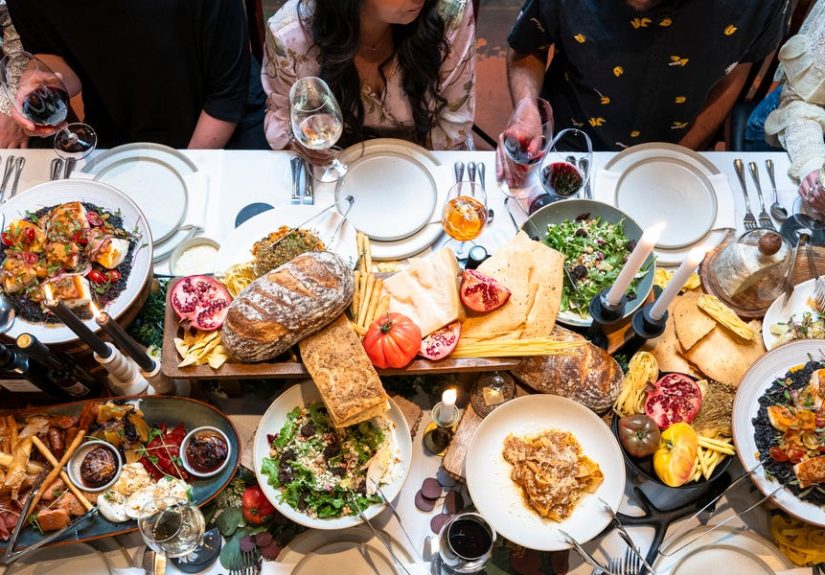
Friendsgiving guests tend to gather in waves, which means a few easy snacks are essential. A cheese board, baked Brie, mushroom toasts, deviled eggs, bacon-wrapped bites, yogurt dip, or a festive charcuterie board instantly makes the evening feel generous before the main meal even starts.
Appetizers also buy you time, which is one of the most underrated holiday hosting tools available. People who are nibbling are patient people. This is science, probably.
How to Build a Turkey-Free Friendsgiving Menu
The easiest way to design a memorable spread is to think in categories instead of random recipes. A strong Friendsgiving menu idea usually looks like this:
- One centerpiece: roast pork, roast chicken, lasagna, stuffed squash, braised short ribs, or a showy casserole
- Two to four sides: one potato dish, one vegetable dish, one stuffing or bread element, and one salad or acidic side
- One appetizer board: cheese, dip, toasts, or a snacky grazing platter
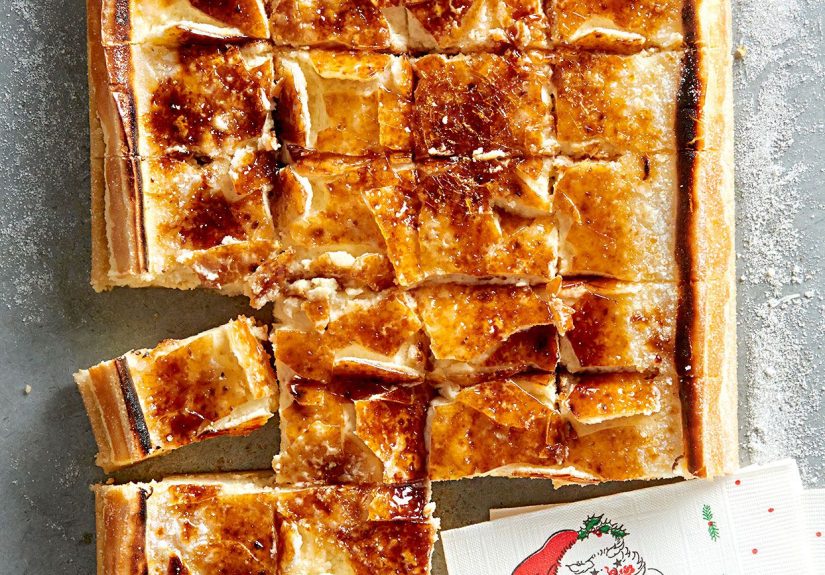
- One easy dessert: pie bars, mini pies, bread pudding, apple crisp, or pumpkin cheesecake
- One big-batch drink: punch, cider cocktails, or sparkling mocktails
This approach keeps the meal seasonal without turning it into a kitchen obstacle course. It also makes potluck planning much easier. Instead of asking, “Can you bring something?” ask, “Can you bring a crunchy vegetable side?” Suddenly everyone has a clear mission and there are far fewer duplicate mashed potatoes.
Hosting Tips for a Low-Stress Friendsgiving
Turkey-free hosting works best when you choose dishes that can be prepped ahead. Braises, casseroles, salads with separate components, dips, and desserts all reduce same-day pressure. That means you can actually enjoy your guests instead of sweating into a dish towel while searching for a serving spoon that was apparently last seen in 2023.
It also helps to embrace room-temperature dishes. Not everything needs to emerge from the oven in a synchronized wave of perfection. A good salad, a grain-based squash platter, a cheese board, cranberry relish, and a dessert tray can all sit happily on the table while the hot dishes do their thing.
And remember this beautiful truth: a Friendsgiving meal does not need to copy Thanksgiving to feel festive. It only needs to feel thoughtful, seasonal, and delicious. Candles help. So do flaky pastries.
Why a Turkey-Free Friendsgiving Can Be Even Better
When you remove the pressure of “doing Thanksgiving correctly,” the whole meal opens up. You get to follow your crowd, your budget, your kitchen, and your taste. Maybe that means pork with apples. Maybe it means mushroom lasagna and a giant salad. Maybe it means mac and cheese so good it causes a brief silence at the table, which is how you know it worked.
That freedom is what makes a seasonal Friendsgiving dinner feel so modern and fun. It is not about rejecting tradition for the sake of it. It is about choosing dishes that fit the people actually sitting around your table. And if those people would rather eat cider-braised pork and baked Brie than carve a turkey, that is not a failure. That is excellent planning.
What a Turkey-Free Friendsgiving Actually Feels Like
There is a very specific kind of relief that sets in when you realize you are not making turkey for Friendsgiving. The oven suddenly feels bigger. The timeline looks less terrifying. Your grocery cart no longer contains a bird large enough to require its own zip code. Instead of planning the entire day around one delicate, high-stakes roast, you get to think like a host rather than a holiday survivalist.
A turkey-free Friendsgiving often feels more relaxed from the very beginning. Guests arrive to a table with snacks already out, maybe a cheese board, a dip, or warm toasts, and no one is anxiously asking, “How much longer on the turkey?” because there is no turkey. There is just food that smells amazing and a kitchen that does not look like a scene from a very stressful cooking competition.
The best part is how the meal changes the mood of the room. A roast pork loin with apples or a bubbling pan of lasagna feels inviting in a different way. It tells people this gathering is meant to be shared, not admired from a distance. Nobody is waiting for the ceremonial carving. Everyone is reaching, scooping, passing, and talking over one another in the nicest possible way. It feels more like a dinner party and less like a performance.
It also tends to make the menu more personal. When you skip the standard bird, the dishes on the table start reflecting the group itself. One friend brings the stuffing with sausage and cranberries because it is the thing everyone requests every year. Another shows up with a citrusy salad because she knows the table needs something bright. Someone else brings a dish of baked mac and cheese that absolutely was not supposed to be the star, and yet here we are, building a holiday around it.
There is also a practical joy to it. Leftovers make more sense. Cleanup is easier. You are not figuring out what to do with half a turkey carcass while holding a slice of pie and questioning your life choices. Instead, you have slices of roast pork for sandwiches, extra baked pasta for lunch, or roasted vegetables you can toss into eggs the next morning. The food keeps giving, but in a charming way, not a threatening one.
And then there is the emotional side, which is easy to overlook but maybe matters most. Friendsgiving is usually about chosen family, not strict tradition. It is about gathering the people you love, feeding them generously, and letting the night unfold. A turkey-free menu supports that spirit because it is flexible, collaborative, and a little playful. It says the point is not to reproduce someone else’s perfect holiday table. The point is to make one that feels like yours.
By the end of the night, nobody remembers whether the menu was traditional enough. They remember the crispy potatoes. They remember the cozy smell of sage and butter. They remember laughing while balancing second helpings on paper plates, arguing about the best pie, and sneaking one last forkful of casserole straight from the dish. That is the real Friendsgiving experience. Not the turkey. Never the turkey.
Conclusion
If your Friendsgiving crowd would rather eat something cozy, creative, and easier to pull off than a full roast turkey, trust that instinct. The best Friendsgiving dishes are the ones that fit the night: seasonal, shareable, and just special enough to feel like a celebration. Whether you go with roast pork, baked pasta, stuffed squash, braised beef, or casserole glory, you can still build a table that tastes like fall and feels unforgettable.
So go ahead and ditch the turkey. It has had a good run. Your lasagna, pork roast, or main-character mac and cheese is ready now.