Table of Contents >> Show >> Hide
- What Are Red-Hot Cinnamon Heart Lollipops?
- Choose Your Adventure: Two DIY Methods
- Ingredients & Tools You’ll Want on Your Side
- Safety First (Because Sugar at 300°F Is Not a Suggestion)
- Method A: Melt-and-Pour Cinnamon Heart Lollipops
- Method B: From-Scratch Red-Hot Cinnamon Heart Lollipops
- Pro Tips for Glossy, Clean-Release Hearts
- Fun Variations (Because One Heart Is Never Enough)
- Troubleshooting: Candy Problems & Quick Fixes
- Storage & Gifting Ideas
- FAQ: DIY Cinnamon Heart Lollipops
- Conclusion
- Extra: Real-World Candy-Making Experiences (The Helpful, Slightly Chaotic Truth)
If Valentine’s Day had a theme song, it would be a dramatic power ballad played entirely on cinnamon.
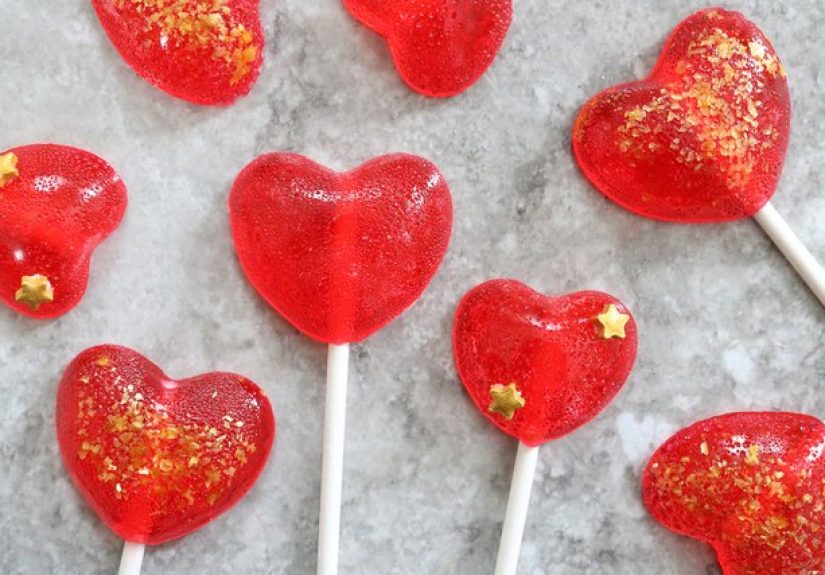
These DIY Red-Hot Cinnamon Heart Lollipops are glossy, fiery-sweet, and unapologetically extra
the kind of candy that says, “I love you,” and also, “I own a candy thermometer and I’m not afraid to use it.”
This guide gives you two foolproof ways to make heart-shaped cinnamon lollipops:
a fast melt-and-pour method (great for beginners and busy humans), and a from-scratch hard-candy method
(for maximum shine, snap, and bragging rights). Along the way you’ll get practical tips, troubleshooting,
and fun variationsbecause candy-making should feel like a party, not a chemistry final.
What Are Red-Hot Cinnamon Heart Lollipops?
Think classic cinnamon “red hot” flavorsweet at first, then warm and spicyformed into
heart-shaped hard candy lollipops. The goal is a crisp snap, a glassy finish,
and a cinnamon kick that doesn’t taste like you accidentally licked a holiday candle.
Choose Your Adventure: Two DIY Methods
Method A: Melt-and-Pour (Quick & Beginner-Friendly)
You melt cinnamon candies (like Red Hots or similar cinnamon drops), pour into heart molds,
add sticks, and let them set. It’s fast, low-equipment, and ideal for small batches.
Method B: From-Scratch Hard Candy (Glossy, Customizable, Iconic)
You cook sugar syrup to hard-crack stage, add cinnamon flavoring and color, then pour into molds.
This method gives you better control over spice level, clarity, and textureplus that
professional “did you buy these?” look.
Ingredients & Tools You’ll Want on Your Side
Equipment Checklist
- Heart-shaped hard-candy or silicone candy molds (lollipop molds with stick notches are ideal)
- Lollipop sticks (paper sticks designed for candy)
- Heavy-bottom saucepan (2–3 quart is a good all-purpose size)
- Candy thermometer (strongly recommended for from-scratch)
- Heatproof spatula and a pastry brush (helpful for preventing sugar crystals)
- Heat-resistant gloves and long sleeves (hot sugar is not a friendly substance)
- Parchment paper or a silicone mat (for overflow insurance and easy cleanup)
Ingredients for Method A (Melt-and-Pour)
- Cinnamon candies (Red Hots or similar cinnamon hard candies)
- Neutral oil spray (optional, for molds if they tend to stick)
- Optional decorations: edible glitter, red sanding sugar, tiny sprinkles
Ingredients for Method B (From-Scratch)
- Granulated sugar
- Light corn syrup (helps discourage crystallization and keeps texture smooth)
- Water
- Cinnamon flavoring: cinnamon oil or “super strength” cinnamon flavoring (very potent)
- Red food coloring (gel or liquid; optional but emotionally necessary for “red hot” vibes)
- Optional: powdered sugar for dusting finished candy (helps reduce sticking in humid climates)
Safety First (Because Sugar at 300°F Is Not a Suggestion)
Candy-making is fun, but molten sugar is basically edible lava with a glow-up. Use a heavy pot,
don’t rush, and keep kids/pets at a safe distance during the cooking and pouring steps.
If you’re using cinnamon oil: treat it with respect. It’s concentrated and can irritate skin and eyes,
so avoid direct contact and wash hands immediately if you spill any.
Method A: Melt-and-Pour Cinnamon Heart Lollipops
This method is your “I need cute candy today” solution. Perfect for parties, classrooms (with adult supervision),
or anyone who wants Valentine’s magic without a candy thermometer staring them down.
Step-by-Step
-
Prep the molds. Place molds on a flat baking sheet (for easy moving).
If your molds tend to stick, use a very light mist of neutral oil spray and wipe off excess. -
Melt the candies. Add cinnamon candies to a microwave-safe bowl.
Microwave in short bursts (15–20 seconds), stirring between bursts until smooth.
(Overheating can scorch the sugaraka “why does my Valentine taste like regret?”) -
Fill the heart cavities halfway. Spoon or carefully pour melted candy into each cavity.
Tap the mold lightly on the counter to release air bubbles. -
Add sticks. Place a lollipop stick into each notch and gently twirl it so the candy coats the stick.
This helps the candy grip the stick instead of dramatically falling off later. -
Top off and set. Fill each cavity to the top. Let set at room temperature until fully hard.
If your kitchen is warm, a short chill can helpbut avoid long refrigeration, which can invite condensation. -
Unmold and decorate. Pop out the hearts carefully. If desired, brush with a whisper of corn syrup
or edible glue and sprinkle with sanding sugar or glitter.
Best Uses for Method A
- Quick Valentine’s Day treats
- Small-batch party favors
- Beginner-friendly candy projects
Method B: From-Scratch Red-Hot Cinnamon Heart Lollipops
This is the method for people who want that classic hard-candy snap and a glossy finish.
It’s not hardjust precise. Like eyeliner, but with more boiling.
Step-by-Step
-
Prep your station first. Place heart molds on a baking sheet.
Set out sticks. Have your coloring and cinnamon flavoring measured and ready.
Once candy hits temperature, you move fast. -
Combine sugar, corn syrup, and water. In a heavy saucepan, add sugar, corn syrup, and water.
Stir gently over medium heat until the sugar dissolves and the mixture looks uniform. -
Stop stirring once it boils. When the syrup begins boiling, stop stirring to help prevent crystals.
If you see sugar crystals on the sides of the pan, brush them down with a pastry brush dipped in water. -
Cook to hard-crack stage. Clip on a candy thermometer and cook until it reaches hard-crack temperature.
Watch closely near the endsugar goes from “almost” to “oops” quickly. -
Remove from heat and add color. Turn off the heat and carefully add red food coloring.
Stir gently (it will bubble a bit). Aim for a bold red that screams “cinnamon romance.” -
Add cinnamon flavoring last. Once bubbling calms slightly, add cinnamon oil/flavoring.
Stir carefully and avoid leaning over the potthose aromatic vapors are powerful. -
Pour into molds. Carefully pour hot candy into each heart cavity.
Work steadily. Tap the molds lightly to release bubbles. -
Insert sticks. Place sticks into the notches and gently twirl to coat the stick in candy,
then set in position. -
Cool completely. Let the lollipops cool at room temperature until fully hard.
Unmold gently. If needed, dust lightly with powdered sugar to reduce stickiness.
Dialing the Spice Level (Without Accidentally Creating Dragon Candy)
Cinnamon oil and super-strength flavorings vary in intensity. Start conservative, taste-test a small batch,
and adjust next time. If you want “classic cinnamon heart” heat, you’re aiming for warming spice, not
“my lips are doing burpees.”
Pro Tips for Glossy, Clean-Release Hearts
-
Use the right molds. Make sure molds are rated for hot sugar (hard-candy temps).
Thin plastic molds can warpsilicone or dedicated candy molds are safer. -
Humidity is the villain. Hard candy loves dry air. On humid days, candy can turn sticky.
Store finished lollipops airtight and consider powdered sugar dusting for extra protection. -
Work fast after flavoring. Once cinnamon flavoring goes in, the candy begins cooling,
thickening, and plotting against you. Pour promptly. -
Stick grip matters. Twirling the stick in candy before topping off helps anchor it.
This one step saves you from the heartbreak of “candy on stick” becoming “candy next to stick.” -
For extra shine: Let candy cool fully at room temperature (avoid fridge condensation),
then wrap promptly to protect the surface.
Fun Variations (Because One Heart Is Never Enough)
1) Sparkly Cinnamon Hearts
Add edible glitter or red sanding sugar to the mold before pouring. When you unmold, the front face looks
like it’s ready for a tiny candy red carpet.
2) Two-Tone Hearts
Pour a small amount of deep red candy into each heart, let it set slightly, then top with a lighter red batch.
It creates a subtle layered looklike a candy ombré.
3) “Hot Cocoa Date Night” Cinnamon Hearts
Pair the lollipops with hot cocoa stir sticks or gift them alongside mini marshmallows.
Cinnamon plus chocolate is a power couple.
4) Extra-Spicy “Dare Hearts”
Make a small batch that’s noticeably hotter and label them as “Dare Hearts.”
Valentine’s Day suddenly becomes a game show.
Troubleshooting: Candy Problems & Quick Fixes
My candy turned grainy.
Likely crystallization. Next time: dissolve sugar fully before boiling, avoid stirring once boiling,
and brush down sugar crystals on the pan sides.
My lollipops are sticky.
Often humidity or undercooking. Store airtight with a moisture barrier (wax paper between layers),
and consider using a candy thermometer for accuracy. Dusting with a tiny amount of powdered sugar can help.
My sticks won’t stay attached.
Make sure the stick is coated in candy (the twirl trick), and that the candy fully surrounds the stick area.
Also: don’t move the mold while the candy is setting.
The cinnamon flavor tastes harsh or burns my throat.
Too much cinnamon oil/flavoring. Reduce the amount next time, and consider balancing with a slightly larger batch
of base candy syrup. Potent flavorings are powerfulmeasure carefully.
Storage & Gifting Ideas
Hard candy stays happiest when it’s protected from moisture and friction. Wrap each lollipop individually
(cellophane bags or lollipop wrappers), twist-tie, and store in an airtight container.
For gifting: tie a ribbon, add a cheeky tag (“You’re hot stuff”), and suddenly you’re the Valentine MVP.
FAQ: DIY Cinnamon Heart Lollipops
Can I make these without a thermometer?
You can, but it’s harder to be consistent. If you’re doing the from-scratch method regularly,
a candy thermometer is worth it for reliable texture and less guesswork.
Do I have to use cinnamon oil?
No, but oils/super-strength flavorings often give a more authentic “red hot” punch than standard extracts.
If using extract, you may need more, and the flavor can be softer.
Why do my lollipops look cloudy?
Tiny bubbles, stirring too much, or slight crystallization can cloud candy.
Pour carefully, tap molds to release bubbles, and avoid agitation once boiling.
Conclusion
Whether you choose the quick melt-and-pour route or the from-scratch hard-candy method,
DIY Red-Hot Cinnamon Heart Lollipops are a guaranteed crowd-pleaser.
They’re festive, giftable, and delightfully dramaticjust like the best Valentine’s Day stories.
Make a batch, wrap them up, and prepare for the inevitable question:
“Wait… you MADE these?” (Yes. Yes, you did.)
Extra: Real-World Candy-Making Experiences (The Helpful, Slightly Chaotic Truth)
Here’s what tends to happen when real humans make cinnamon heart lollipops at homeespecially the first time.
Consider this the “behind the scenes” section where we admit candy-making is equal parts art, science,
and occasionally yelling “DON’T TOUCH THAT” across the kitchen.
First, the smell. Cinnamon candy aroma doesn’t politely knockit kicks the door open.
The moment you add cinnamon oil or melt cinnamon candies, your kitchen may smell like a holiday shop,
a Valentine aisle, and a tiny dragon all moved in together. Many home candy makers learn quickly:
don’t hover directly over the pot. The cinnamon vapors can feel intense, especially with super-strength flavorings.
Practical move: stand back, stir gently, and let the scent do its thing from a respectful distance.
Next up: the speed round. Beginners are often surprised by how quickly hard candy changes personality
after it hits temperature. One minute it pours like glossy lava; the next it thickens like it has an appointment
somewhere else. This is why experienced candy makers set out molds, sticks, coloring, and flavoring ahead of time.
When your candy is ready, you want to pour confidentlylike you’ve done this a hundred timeseven if your
inner monologue is screaming, “I HAVE NEVER DONE THIS.”
Then there’s the classic: the stick betrayal. Sometimes the lollipop stick slips out after the candy sets,
leaving you holding a stick that looks innocent and a heart candy that looks offended. The fix is wonderfully simple:
twist the stick in the candy so it gets coated, then top off the mold so the candy fully wraps that stick area.
People who do this once rarely forget itbecause heartbreak is a powerful teacher.
Humidity deserves its own warning label. In many homes, candy comes out perfect and then starts to feel tacky later,
like it’s sweating. That’s moisture in the air softening the surface. Candy makers in humid regions often learn
to wrap lollipops quickly and store them airtight. Some even dust the finished candy lightly with powdered sugar
to help reduce sticking. If your lollipops get sticky, you didn’t failyour weather just chose violence.
Spice level is another “experience.” Some people love a gentle cinnamon warmth; others want the full
red-hot mouth tingle. The trick is testing small and adjusting. Home candy makers often start mild and then
slowly increase the cinnamon oil in future batches until they find their personal sweet spot.
And yes, there’s usually one brave soul who requests “make them spicier,” then immediately regrets it.
That’s part of the tradition.
Finally, the most common experience: unexpected pride. Something about unmolding glossy heart lollipops
feels like unlocking a new life skill. People who “aren’t candy makers” suddenly become the person handing out
handmade treats with a grin. And honestly? That might be the best ingredient of allright after sugar.