Table of Contents >> Show >> Hide
- Why eye contact matters in healthcare
- The sweet spot: connection without the “stare-down”
- Eye contact and the EHR: connect and document well
- High-stakes moments where eye contact does real clinical work
- When eye contact is complicated
- Telehealth eye contact: make it feel face-to-face
- How to build better eye contact habits without adding time
- A quick checklist: “Eye contact that heals” in 60 seconds
- Real-world experiences: what eye contact changes in everyday medicine
- Bottom line
Generated with GPT-5.2 Thinking
There’s a tiny moment at the start of every appointment when the whole visit quietly chooses a direction. You walk in, you say hello, and your patient decidesoften before you’ve asked a single questionwhether this is going to feel like a conversation or like tech support for the human body.
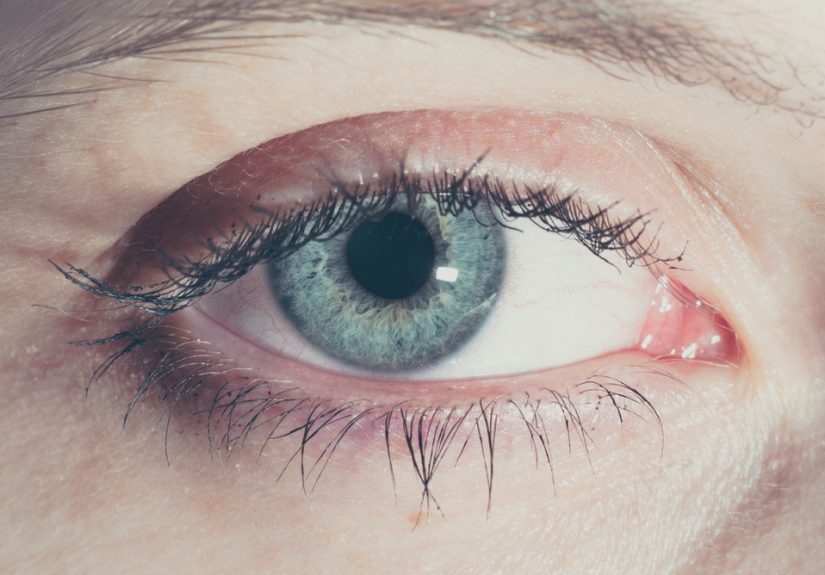
Eye contact is the quickest signal of connection. It tells a patient, I’m here, I’m listening, and you’re not competing with my screen for attention. In an era of EHRs and constant digital noise, looking up is how you bring the room back to the person.
Here’s why doctor eye contact matters, how to find the sweet spot (not staring, not vanishing into the laptop), and how to keep connection strong in person and on telehealth.
Why eye contact matters in healthcare
It builds trust fast
Most patients can’t evaluate your clinical reasoning in real time. What they can judge quickly is whether you seem present. Appropriate eye contact communicates attention and respect, which helps create trustespecially when someone is anxious, in pain, or worried they won’t be taken seriously.
It invites the real story
People often hold back the “real reason” they came in because it feels awkward or “not important.” When a clinician looks up, nods, and gives room, patients are more likely to share the detail that changes the plan: the medication they stopped, the symptom they’re embarrassed about, or the fear they haven’t said out loud.
It communicates empathy without adding time
Empathy doesn’t always require a long speech. Often it’s a micro-signaleye contact, a calm facial expression, and a pause that says, “I’m not rushing past what you just told me.” Those seconds can reduce defensiveness, improve cooperation, and make it easier to move into problem-solving together.
It keeps the EHR from becoming the third party
EHRs help coordinate care, but they can disrupt the visual connection when the screen becomes the main focus. Eye contact is a simple counterweight: it reminds everyone (including you) that the visit is not a performance for the keyboard.
The sweet spot: connection without the “stare-down”
Patients don’t want unblinking intensity. They want responsive eye contactattention that matches the moment.
Use eye contact to open, steer, and close
- Open: greet, use the patient’s name, and ask the first question while looking up.
- Steer: look up for key details (timing, severity, “new,” “first time”) and reflect them back.
- Close: make eye contact when you summarize the plan and next steps.
Keep it natural
A simple rhythm works: listen with eyes up for a few seconds, glance away briefly (chart, labs, thinking), then return. That pattern feels human and reduces pressure for patients who find direct gaze uncomfortable. If you need an easy target, try looking at the bridge of the nose or eyebrowspatients usually experience it as eye contact, but it’s softer for you and for them.
Remember that norms vary
Culture, neurodiversity, trauma history, and social anxiety can all affect how direct eye contact feels. Your goal isn’t to enforce a social rule; it’s to convey attention and respect in a way that works for that patient. If you’re unsure, you can even ask: “Is it okay if I take notes while you talk?”
Eye contact and the EHR: connect and document well
You shouldn’t have to choose between accurate documentation and a real conversation. Small workflow and room-design choices can reduce the “screen barrier” effect.
1) Make the computer a shared tool
Position the monitor so it doesn’t block your line of sight. If possible, arrange the screen so you can swivel to type and quickly return to the patient. When appropriate, invite the patient to see what you’re seeing (problem list, trends, results). It turns “you vs. the computer” into “us using the computer.”
2) Narrate what you’re doing
From the patient’s perspective, silence plus keyboard can feel like you “left.” A quick narration keeps trust intact:
- “I’m pulling up your last labs.”
- “I’m documenting that timing detail because it matters.”
- “I’m placing this order now so we don’t forget.”
3) Type in burstsespecially around emotion
When a patient shares something heavy (fear, confusion, frustration), pause your hands, look up, and respond as a human first. Catch up on the chart after the moment passes. Think of it as a quick “hands off keyboard” rule for anything that affects dignity.
4) Try “triangle attention”
Picture a triangle: patient → screen → patient. Listen with eyes up, type a sentence, eyes up again. Patients don’t need constant eye contact; they need you returning reliably. Over a visit, those frequent returns add up to a strong sense of being heard.
High-stakes moments where eye contact does real clinical work
- New diagnoses and plans: look up when you explain, then check understanding with teach-back (“Can you tell me how you’ll take this?”).
- Consent and procedures: eye contact helps you notice hesitation early, so you can slow down and invite questions.
- Difficult news: eye contact and a pause can communicate steadiness and compassion better than extra words.
When eye contact is complicated
Cultural differences
In the U.S., direct eye contact often signals sincerity. In other cultures, strong eye contact can feel disrespectfulespecially across age or gender lines. Use brief eye contact with frequent breaks, keep your posture open, and prioritize comfort. The goal is connection, not a staring contest.
Neurodiversity and anxiety
Some patients think better when they look away. Normalize it: “You don’t have to look at me the whole timewhatever helps you think.” Attention can be communicated through tone, pacing, and listening.
Hearing loss
For patients with hearing impairment, eye contact and clear face visibility support understanding. Slow down, check comprehension, and offer accommodations such as written summaries or interpreter services when appropriate.
Telehealth eye contact: make it feel face-to-face
Video visits can weaken nonverbal cues, but small setup choices help the patient feel seen.
- Put the patient window near the camera so your gaze reads as direct.
- Raise the camera to eye level for a natural angle.
- Explain off-screen glances (“I’m going to look at your chart for a moment”).
- Summarize while looking at the camera so the plan lands as a direct conversation.
How to build better eye contact habits without adding time
Start with 20 seconds of full attention
Before you touch the keyboard, greet the patient, confirm their name, and ask an opening question while looking up. Patients who feel seen early often communicate more clearly.
Sit down (or lower yourself) for key moments
Sitting briefly can improve perceived clarity and caringand it naturally improves eye contact because you’re at eye level.
Do a “chart-last” micro-drill once a day
Pick one visit daily where you listen first, summarize out loud, then document. It strengthens the habit of looking up when it counts and helps you avoid missing the narrative thread.
A quick checklist: “Eye contact that heals” in 60 seconds
- Enter: eye contact, warm greeting, patient’s name.
- Open: “What’s the biggest thing you want to make sure we cover today?”
- Listen: look up for key details and emotions; type in short bursts.
- Explain: face the patient, slow down, and check understanding.
- Close: eye contact + one clear next step.
Real-world experiences: what eye contact changes in everyday medicine
1) The “I almost didn’t mention it” moment. A patient books a “routine follow-up,” and the visit could easily become a quick refill-and-run. But when the clinician looks up, pauses, and asks, “Anything else you want to make sure we cover today?” the patient hesitates. That hesitation shows up in the eyes and posture before it becomes words. With steady, non-rushed eye contact, the patient finally mentions new symptoms they were brushing off as stress. Now the plan changes: targeted questions, focused exam, and the right testingbecause the patient felt safe enough to say the part they were trying to downplay. Often they end with, “I didn’t want to bother you,” which is exactly why that eye contact mattered.
2) The anxious patient who needs a lighthouse, not a lecture. An anxious patient arrives already braced for bad news. They talk fast, apologize for “wasting your time,” and want reassurance before the story is even out. If the clinician stays glued to the screen, the silence gets filled with worry, and details turn into a blur. When the clinician uses eye contact to anchor the moment“I hear you. Let’s go step by step”breathing slows and the timeline becomes clearer. The patient stops performing and starts collaborating. A few calm glances up from the keyboard can prevent the visit from becoming a panic spiral. By the end, the plan feels doable because it was explained face-to-face, not typed-at. That difference sticks.
3) The exam-room triangle with a caregiver. In geriatrics and family medicine, it’s common to have a spouse or adult child in the room. If the clinician directs all eye contact to the caregiver, the patient can feel erased. If the clinician ignores the caregiver, crucial observations can be missed. Strong encounters often look like a gentle rotation: eye contact with the patient for preferences and consent; eye contact with the caregiver for logistics and medication details; then back to the patient to confirm, “Is that how it feels to you?” That simple return of attention preserves dignity and reduces confusion, especially when decisions get complicated. Even small room choicesan extra chair placed where you can see both peoplemake this easier.
4) The telehealth “camera trick” that makes patients feel seen. In virtual visits, patients can tell when you’re reading, typing, or scrollingyour eyes drift, and they feel you drift with them. A clinician who says, “I’m going to glance at your results for a moment,” then returns to the camera for the explanation, feels dramatically more trustworthy than one who silently disappears off-screen. Some clinicians put a sticky note beside the lens that says “LOOK HERE,” which is delightfully low-tech for a high-tech problem. It works because camera eye contact recreates the feeling of being addressed directly, even through a screen. When the plan is summarized while looking at the camera, patients report feeling more confident about next steps and follow-up.
5) The mask-and-PPE lesson: the eyes carry the bedside manner. When faces are partially covered by masks or PPE, patients search the visible parts of you for cues: the eyes, eyebrows, tone of voice, and head tilt. Clinicians who slow down, keep gentle eye contact, and narrate their actions (“I’m checking your oxygen level now”) often find patients feel calmer, even in stressful settings. Eye contact becomes less about “looking confident” and more about communicating, “I’m still with you, even behind the gear.” In those moments, looking up isn’t a nicetyit’s the bedside manner patients can actually see. Using the patient’s name and pausing for questions while making eye contact turns a rushed task into a human interaction every time.
Bottom line
Eye contact is a clinical skill, not a personality trait. It costs almost no time, yet it can strengthen trust, improve information flow, and support better decisions. So yes, documentbut don’t forget the simplest intervention in the room: look up.