Table of Contents >> Show >> Hide
- What “Enamel” Really Means (and Why It’s Popular for Pet Bowls)
- Why Granny Grey Is the Unsung Hero of Dog Bowl Colors
- The Lid: Small Detail, Big Quality-of-Life Upgrade
- Safety First: A Smart Checklist for Buying an Enamel Dog Bowl
- Picking the Right Size: Not Too Big, Not Too “Where Did It Go?”
- How to Clean an Enamel Dog Bowl With Lid (Without Overcomplicating It)
- Everyday Ways People Use a Granny Grey Enamel Bowl With Lid
- FAQ: Quick Answers Before You Hit “Add to Cart”
- Real-Life Experiences With a Granny Grey Enamel Dog Bowl With Lid ()
- Conclusion: The Bowl That’s Both Practical and Polished
- SEO Tags
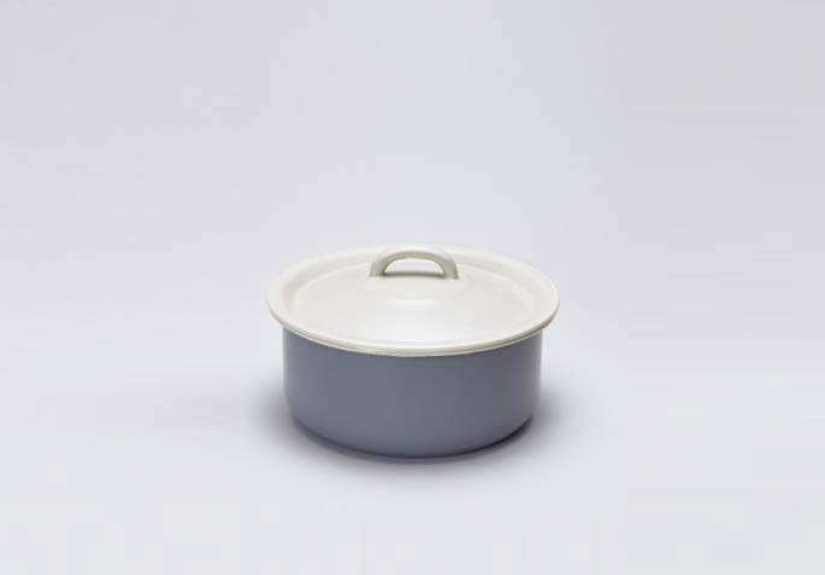
A dog bowl is usually a “buy it once, forget it exists” kind of itemright up until it starts sliding across the kitchen like it’s auditioning for an action movie, or it mysteriously grows a science experiment on the bottom. Enter the enamel dog bowl in Granny Grey with a lid: part everyday essential, part stylish countertop citizen, and part “please don’t let ants throw a dinner party in my dog’s food.”
This guide breaks down what an enamel bowl actually is, why the lid matters more than you think, how to choose the right size, and how to keep it clean without turning bowl-washing into your new hobby. We’ll also talk about safety details (because your dog deserves better than sketchy coatings) and real-life ways people use a covered bowl for meal prep, travel, and leftovers.
What “Enamel” Really Means (and Why It’s Popular for Pet Bowls)
“Enamel” isn’t a mysterious paintgood enamelware is typically metal (often steel) coated with a glass-like layer that’s fused on at high heat. That glassy surface is the whole point: it’s smooth, doesn’t soak up odors the way porous materials can, and cleans up easily when you’re not letting kibble cement itself into a crunchy fossil.
For pet bowls, enamel is popular because it hits a sweet spot between looks and practicality. Stainless steel bowls are the durability champions, but enamel bowls can feel a little more “home décor friendly” on open shelves or in a modern feeding stationespecially in neutral colors like Granny Grey.
What to expect from enamelware
- Easy cleanup: The smooth surface helps food residue release faster with hot, soapy water.
- Good for everyday use: Ideal for kibble, wet food, toppers, and waterassuming you keep it clean.
- Not invincible: Enamel can chip if dropped on tile (tile always wins).
- Not microwave-friendly: Enamelware is metal-based, so microwaves and enamel bowls should never meet.
A quick note on the “lid” part: some sets come with a matching enamel lid, while others use a flexible silicone lid that stretches to create a snug seal. Both can work well; the key is choosing one that’s food-safe, easy to clean, and fits securely.
Why Granny Grey Is the Unsung Hero of Dog Bowl Colors
“Granny Grey” sounds like a cozy cardigan you borrow and never return, and honestly, that vibe is perfect for a pet bowl. Grey enamel tends to look clean longer (because it doesn’t highlight every single water spot like glossy black or bright white can), and it blends into almost any kitchen stylefarmhouse, minimalist, industrial, or “I have three mismatched bar stools and a dream.”
Practical bonus: neutral bowls are less visually loud, which can matter if your dog’s feeding station is in a high-traffic area. The bowl doesn’t compete with everything else on your floor… including the dog.
The Lid: Small Detail, Big Quality-of-Life Upgrade
If you’ve ever covered a dog bowl with a random plate, a piece of foil, or (in a moment of pure improvisation) a pot lid that definitely did not fit, you already understand the value of a real lid. A dog bowl with a lid can make feeding routines cleaner, fresher, and more flexible.
What a lid is great for
- Keeping wet food fresher between servings: If your dog eats in two roundslike a tiny, furry tapas enthusiasta lid helps reduce drying and odor.
- Blocking pests: A covered bowl helps deter flies, curious ants, and any household pet who treats unattended meals as “community property.”
- Meal prep and leftovers: Portion food in advance, cover it, and store it in the fridge (when the bowl is labeled as fridge-safe by the manufacturer).
- Travel and car rides: A lid reduces spills when you’re packing meals for the park, a road trip, or daycare drop-off.
- Medication moments: If your dog needs meds tucked into food, the lid gives you a way to prep discreetly and avoid “Eau de Pill Pocket” perfuming your kitchen.
The lid is also oddly motivating: when it’s easy to cover leftovers, you’re less likely to leave food sitting out. That’s good for freshness and hygieneand it’s one less reason for your dog to stare at you like you ruined their entire day because the bowl smells “off.”
Safety First: A Smart Checklist for Buying an Enamel Dog Bowl
Most people buy a dog bowl based on size and aesthetics. Totally fair. But when you’re looking at enamel, it’s worth being picky about safetyespecially because food-contact surfaces should be made to standards that reduce the risk of contaminants.
1) Look for food-safe enamel and reputable manufacturing
Choose bowls from brands that clearly label their products as food-safe and intended for food contact. Avoid bowls marketed as purely decorative, and be cautious with ultra-cheap imports that don’t provide material details. In recent years, regulators have publicly warned about certain imported foodware that may leach lead, reinforcing the importance of buying from trustworthy sources and paying attention to safety notices.
2) Skip vintage or decorative enamel bowls for feeding
Vintage enamelware can be charming, but older finishes and decorations may not meet modern expectations for food-contact safety. If it’s a “cute antique find,” consider using it as a prop, a planter, or a photo backdropnot a daily dinner bowl.
3) Inspect for chips, cracks, and rough edges
Enamel can chip. If the chip is on the rim (where your dog’s tongue repeatedly contacts) or it creates a jagged edge, treat that as a replacement moment. Even if the bowl is still functional, chips can make thorough cleaning harder and can expose metal underneath that may rust if repeatedly wet.
4) Choose a lid that’s genuinely food-safe
If the lid is silicone, look for a product described as food-grade and designed for food storage. A good lid should seal without being a wrestling match and should clean easily (no tiny grooves that become a peanut-butter museum).
5) Stability matters: non-slip bases are your friend
A bowl that skates across the floor is a bowl that gets abandoned. If your enamel bowl doesn’t have a built-in non-slip ring, consider placing it on a silicone mat. Your dog gets a calmer meal, and your floors get fewer “modern art” gravy streaks.
Picking the Right Size: Not Too Big, Not Too “Where Did It Go?”
A great-looking bowl that holds the wrong amount is like buying jeans without trying them on. You can do it, but you might regret it every day. Bowl sizing depends on your dog’s meal size, head shape, and how messy they are when they eat and drink.
Practical sizing guide
- Toy & small dogs: Often do well with smaller bowls that hold about 1–2 cups.
- Medium dogs: Typically need bowls that hold 2–4 cups (or more, depending on feeding plan).
- Large & giant dogs: May need 6–8 cups or larger, especially for water bowls.
Shape considerations
- Flat-faced breeds: A wider, shallower bowl can be easier than a deep bowl.
- Long-snouted dogs: Often do fine with deeper bowls that keep food from scattering.
- Fast eaters: A standard bowl may not slow them downconsider a slow feeder insert made for the bowl size.
If you’re considering a raised setup: some owners like elevated bowls for comfort, but guidance varies by dog size and health history. For some large, deep-chested dogs at risk of bloat, it’s worth asking your vet whether an elevated feeder makes sense in your specific case.
How to Clean an Enamel Dog Bowl With Lid (Without Overcomplicating It)
Here’s the not-fun truth: pet bowls can collect bacteria faster than people assume, especially with wet food. Veterinary and public health guidance commonly recommends washing food bowls frequently (often after each meal for food bowls and daily for water bowls), using hot, soapy water or a dishwasher when the bowl is dishwasher-safe.
Your simple cleaning routine
- After each meal: Wash the bowl with hot, soapy water, scrub all surfaces, rinse well, and dry.
- Daily water bowl reset: Dump old water, rinse, wash, and refill. (Yes, dogs deserve fresh water too.)
- Dishwasher option: If the bowl and lid are dishwasher-safe, run them on a hot cycle. High heat/sanitize settings add an extra layer of reassurance.
- Use the right tools: A dedicated sponge or brush for pet items helps reduce cross-contamination.
Enamel-specific care tips
- Avoid abrasive scrubbers: They can scratch the enamel surface over time.
- Don’t microwave: Enamelware is metal-based. Use a separate container to warm food, then serve.
- Let it dry completely: Especially if a chip exposes metal, drying helps prevent rust.
- Avoid sudden temperature shock: Don’t take a very hot bowl and plunge it into ice-cold water. Let it cool first.
The lid needs love too. Wash it like any other food-contact surface, paying attention to the underside and any sealing edges. If the lid starts to hold odors or feels tacky even after washing, try a deeper clean (following the manufacturer’s instructions), or replace the lid if it’s worn out.
Everyday Ways People Use a Granny Grey Enamel Bowl With Lid
This is where the “lid” really earns its keep. A covered bowl is less about being fancy and more about being functional in real lifebusy mornings, unpredictable appetites, and the occasional “my dog refused breakfast and now wants it at 11:17 a.m. precisely.”
At home
- Two-stage meals: Serve half, cover the rest, and offer it later without leaving food open to the air.
- Rotation for easy cleaning: Keep two bowls and rotateone in use, one clean and ready.
- Multi-pet households: Cover one pet’s portion so another pet doesn’t opportunistically “help.”
On the go
- Daycare or boarding: Pre-portion meals in the bowl, snap on the lid, label it, and send it.
- Park picnics: Pack food or water with a lid to reduce spills in your bag.
- Hotels and rentals: Cover leftovers so the room doesn’t smell like “salmon surprise” for the rest of the night.
FAQ: Quick Answers Before You Hit “Add to Cart”
Is enamel a good material for a dog bowl?
It can be, especially if it’s clearly labeled food-safe and comes from a reputable brand. Enamel is smooth and easy to clean, but it can chip if dropped. If your household is rough on dishes (or your dog is a bowl-flipper), you may prefer stainless steel for maximum durability.
What if the enamel chips?
If the chip creates a sharp edge, is on the rim, or exposes a large area of metal that can rust, it’s safest to replace the bowl. Small cosmetic chips on the exterior are less concerning than chips where food sits or where your dog’s mouth contacts.
Can I store food in the bowl with the lid?
Many people use covered bowls for short-term storage (like leftovers from wet food or pre-portioned meals). Always follow the manufacturer’s care guidance. If you store food, refrigerate promptly and wash the bowl thoroughly before the next use.
Can I put an enamel dog bowl in the dishwasher?
Many enamel products are dishwasher-safe, but check the specific brand’s instructions. If it’s dishwasher-safe, place it so it won’t bang against other items (which can chip enamel over time). For lids, confirm the lid is dishwasher-safe too.
Real-Life Experiences With a Granny Grey Enamel Dog Bowl With Lid ()
The first thing you notice about a granny grey enamel bowl is that it looks like it belongs in your homelike it’s supposed to be there, not like it was dragged in from a bargain bin next to the squeaky toys shaped like vegetables. In my favorite real-world scenario, the bowl lives on a feeding mat in the kitchen, and the neutral grey keeps the station from looking like a neon billboard that screams “DOG LIVES HERE.” It’s subtle. It’s calm. It’s the opposite of the average tennis ball.
The lid becomes the unexpected MVP on busy mornings. Some dogs eat like they have a calendar appointment with their food. Others… negotiate. With a covered bowl, you can serve breakfast, watch your dog sniff it like a suspicious detective, and thenwhen they wander offcover it without feeling like you’re inviting every floating dust particle to join the meal. When your dog returns later and suddenly remembers that food is amazing, you’re not starting from scratch. Pop the lid off, and it still smells like food, not like “left out for hours because life happened.”
The lid also shines in multi-pet households. Picture this: one dog eats slowly, the other dog eats like they’re speedrunning dinner, and the cat is an opportunist with zero shame. A covered bowl lets you protect the slow eater’s portion without standing guard like a bouncer at a nightclub. You can even cover the bowl between bites if you’re dealing with a grazer who prefers ten tiny meals over one normal one. (Yes, some dogs are basically tiny, furry snack influencers.)
Another surprisingly helpful moment: meal prep for trips. The night before a road trip, you can portion kibble and toppers into the bowl, seal it, and store it until you’re ready to pack. In the car, the lid reduces spills when you inevitably brake too fast because someone cut you off. At a rest stop, you’re not dumping food into a random travel container that smells vaguely like old coffee. You’re opening the bowl you’ll actually feed fromclean, contained, and easy.
Cleaning-wise, enamel is a nice middle ground. Food residue doesn’t cling as aggressively as it can in scratched plastic bowls, and the smooth surface is satisfying to washlike one of those oddly relaxing cleaning videos, but with less dramatic music. The key is consistency: a quick wash after meals keeps the bowl looking good and keeps odors from hanging around. And when you’ve had a particularly messy wet-food day, being able to cover leftovers immediately feels like a small but meaningful win. The bowl doesn’t just hold food; it holds your routine together when your routine is held together by caffeine and optimism.
Conclusion: The Bowl That’s Both Practical and Polished
A Dog Bowl Enamel Granny Grey with Lid is a simple upgrade that pays off every day: it looks good in your space, it’s easy to clean when you keep a steady routine, and the lid makes feeding more flexibleespecially for grazers, multi-pet homes, and travel days. Just buy smart (food-safe materials, reputable brand, stable base), clean consistently, and replace it if it chips in ways that affect safety or hygiene. Your dog gets a better dining experience, and you get fewer messes, fewer smells, and fewer uninvited ants showing up like they got a formal invitation.