Table of Contents >> Show >> Hide
- Why Filing Cabinets Deserve a Glow-Up
- Choose Your Cabinet Like a Pro (Before You Make It Pretty)
- Stunning Filing Cabinet Ideas That Don’t Look Like Filing Cabinets
- 1) The “Looks Custom” Paint Job (Without a Custom Budget)
- 2) Peel-and-Stick Wallpaper or Contact Paper (Instant Texture)
- 3) Upgrade the Hardware (Because Knobs Are Jewelry)
- 4) The Two-Tone Cabinet (Quietly Dramatic, Like Good Lighting)
- 5) The “Furniture Wrap” (Wood-Look Without Woodworking Trauma)
- 6) Stenciled Patterns (For People Who Like Compliments)
- 7) Label-Holder Charm (Vintage Library Energy)
- 8) A Magnetic “Command Center” Side
- Repurpose a Filing Cabinet (Without Losing the Filing Part)
- Organize the Inside So the Outside Stays Pretty
- Step-by-Step: How to Paint a Metal Filing Cabinet So It Doesn’t Chip
- Styling Tricks That Make It Look Intentional
- Conclusion: The Filing Cabinet Redemption Arc
- Experiences That Prove Filing Cabinets Are Secretly the MVP
Filing cabinets have been unfairly typecast for decades. They’re basically the “supporting actor” of furniture:
always present, rarely appreciated, and usually dressed in a shade of sad office beige. But here’s the twist ending
filing cabinets can look so good that you’ll stop trying to hide them in the spare room next to the treadmill
that’s currently holding… more paperwork.
Today’s best filing cabinet ideas go way beyond “put the bills in a folder and pray.” With the right makeover (or a smarter
buying choice), a filing cabinet can become a stylish anchor in a home office, craft zone, or entryway command center.
Think: textured finishes, statement hardware, furniture-like wood wraps, and storage setups that actually make you feel like
a functional adultat least until you open your downloads folder.
Why Filing Cabinets Deserve a Glow-Up
A filing cabinet is one of the rare pieces of furniture that combines heavy-duty practicality with long-term usefulness.
Unlike trendy baskets that mysteriously multiply, a good cabinet gives your paper a permanent hometax records, warranties,
home documents, school forms, and “important things I’ll definitely need someday” items.
The problem is aesthetic. Traditional metal cabinets look like they were designed by someone who thinks joy is a distraction.
The solution is simple: keep the function, upgrade the vibe.
Choose Your Cabinet Like a Pro (Before You Make It Pretty)
Vertical vs. lateral: the “shape” matters
Vertical filing cabinets are taller and typically store files front-to-back. They’re great if you have limited floor space
and need a compact footprint. Lateral filing cabinets are wider, store files side-to-side, and often feel more furniture-like
especially when used as a low credenza under art or a pinboard wall.
Measure your reality, not your dreams
Before you buy or makeover, measure:
- Drawer clearance (will it open fully without smacking your chair or desk?)
- Folder size (letter vs. legal) and whether the rails are adjustable
- Top surface plans (printer station? decor? charging zone?)
Don’t ignore safety
Filing cabinets are heavy, and open drawers can shift weight forward. If your cabinet is tall or loaded with paper, prioritize
stability, use the interlock features if included, and avoid opening multiple drawers at once. If it’s a lightweight rolling cabinet,
a center caster wheel (or anti-tip design) is a big bonus.
Stunning Filing Cabinet Ideas That Don’t Look Like Filing Cabinets
Let’s get to the fun part: turning “office storage” into “why does your storage look better than my couch?”
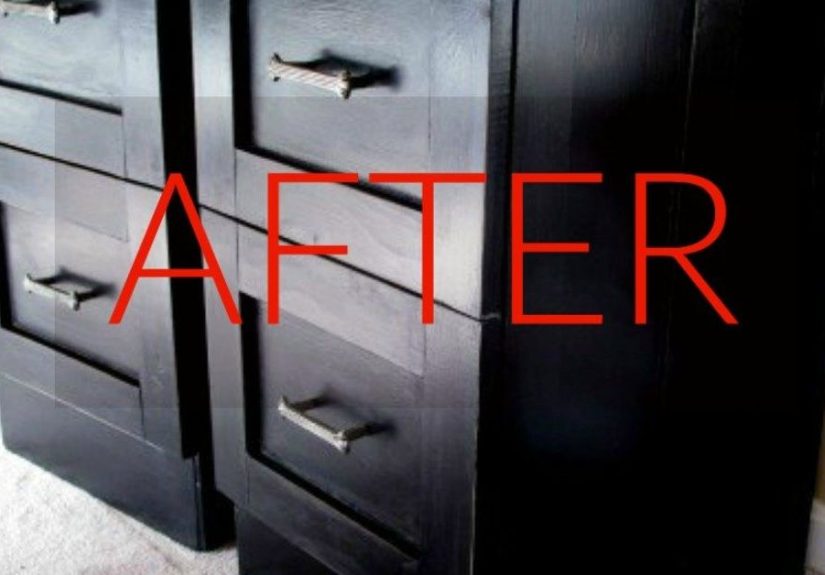
1) The “Looks Custom” Paint Job (Without a Custom Budget)
A fresh paint job can take a metal cabinet from “corporate leftover” to “boutique office.” For the most durable finish, the magic combo is:
thorough cleaning, a light scuff sand, primer suitable for metal, and multiple thin coats of paint. Finish with a clear topcoat if the cabinet
will see heavy daily use.
Style ideas: matte black with brass pulls, warm white with wood top accents, or a deep navy that feels like built-in cabinetry.
2) Peel-and-Stick Wallpaper or Contact Paper (Instant Texture)
If you want maximum impact with minimal mess, this is your move. Use peel-and-stick wallpaper or contact paper on drawer fronts to add pattern,
faux grasscloth texture, terrazzo vibes, or subtle linen looks. The cabinet becomes a design piecewithout you learning how to spray paint in
a windy driveway at dusk.
- Pro tip: Apply to drawer fronts for easier alignment and fewer awkward corners.
- Pro tip: Use a plastic smoothing tool or an old gift card to push out bubbles.
3) Upgrade the Hardware (Because Knobs Are Jewelry)
Swapping pulls is the fastest “why does this look expensive?” trick. Choose hardware that matches the room:
modern bar pulls, vintage label pulls, acrylic knobs, or warm brass handles for a cozy home office feel.
If your cabinet has a built-in pull style, you can still elevate it by adding a decorative overlay or using adhesive hardware-style accents
made for DIY furniture flips.
4) The Two-Tone Cabinet (Quietly Dramatic, Like Good Lighting)
Paint the body one color and drawer fronts another. Or go subtle: a slightly darker shade for the drawers, then finish with matching hardware.
This creates depth and makes a basic shape look intentional.
5) The “Furniture Wrap” (Wood-Look Without Woodworking Trauma)
Want a filing cabinet that reads like a credenza? Add a wood top (stained plywood or butcher-block style panels),
then paint the body a complementary neutral. Even a simple wood top changes the silhouette from “office supply store”
to “I have my life together, probably.”
6) Stenciled Patterns (For People Who Like Compliments)
Stencils can turn a cabinet into a statement piece. Geometric patterns feel modern; floral or vintage motifs feel cozy.
Use a small foam roller and keep paint layers light to avoid bleeding.
7) Label-Holder Charm (Vintage Library Energy)
Add label holders to drawerseven if you keep the labels simple. It gives a classic, organized look and makes the cabinet feel
purposeful rather than accidental.
8) A Magnetic “Command Center” Side
Metal cabinets can double as a magnetic board. Add small magnets for appointment cards, weekly checklists, or kids’ artwork.
Suddenly your cabinet isn’t just storageit’s a family operations hub.
Repurpose a Filing Cabinet (Without Losing the Filing Part)
Some of the smartest ideas aren’t about hiding the cabinetthey’re about letting it do double duty.
Printer + Paper Station
A two-drawer cabinet can sit under a desk as a printer stand: paper in one drawer, documents in the other. Add a tray on top for ink,
labels, and sticky notes so your supplies stop migrating across the house.
Craft & DIY Storage
Filing cabinets are underrated for crafts: vinyl sheets, scrapbook paper, sewing patterns, instruction manuals, and project folders.
Use hanging files for categories, then interior folders for subcategories (projects, years, clients, seasons).
Family Paperwork Home Base
Make one drawer “active” (things to handle soon) and one drawer “archive” (keep but rarely touch). The cabinet looks calm, and your brain
feels calmer too. That’s a win-win, plus you can finally find the warranty when something breaks.
Organize the Inside So the Outside Stays Pretty
A gorgeous cabinet is greatuntil it becomes a junk drawer with drawers. A simple system keeps things usable.
Start with a small set of categories
If you overcomplicate, you won’t maintain it. Begin with broad, obvious buckets and refine later:
- Action (requires attention soon)
- Home (house documents, repairs, manuals, warranties)
- Finance (tax docs, receipts to keep, banking)
- Health (insurance, records, important forms)
- School/Activities (forms, schedules, reference)
- Archive (older records you must keep)
Use hanging files + interior folders
Hanging folders create the structure; interior folders create the detail. Label clearly and keep the labels consistent.
If your categories don’t fit on the label, they’re probably too complicated.
One-minute rule: file it now
The fastest way to “paper clutter” is making piles “just for now.” If something takes under a minute to file, do it immediately.
The cabinet becomes a system, not a museum of intentions.
Step-by-Step: How to Paint a Metal Filing Cabinet So It Doesn’t Chip
- Empty it completely. Remove drawers if possible. Vacuum crumbs, paper dust, and mystery glitter from 2019.
- Clean thoroughly. Use a degreaser or strong cleaner to remove oils so paint can bond.
- Scuff sand. You’re not removing the finishjust roughing it up so primer can grip.
- Protect what you don’t paint. Tape off locks, rails, and label holders if you want them untouched.
- Prime for metal. This is where durability is born. Don’t skip it.
- Paint in thin coats. Several light coats beat one thick coat every single time.
- Let it cure. Dry is not the same as cured. Give it time before loading heavy files back in.
- Finish with hardware. New pulls + fresh paint = instant upgrade.
Styling Tricks That Make It Look Intentional
- Add a lamp (soft light makes anything look more “designed”).
- Use a tray for pens, clips, and chargers on top.
- Lean art above it or hang a small gallery wall to anchor the cabinet visually.
- Match metals (hardware + lamp + picture frame = cohesive).
- Choose one accent color so the cabinet feels like part of the room, not a random guest.
Conclusion: The Filing Cabinet Redemption Arc
Filing cabinets don’t have to be the “ugly but necessary” part of your home office. With paint, texture, upgraded hardware,
and a simple internal system, they can become one of the smartest and most stylish pieces in the room.
And the best part? When your cabinet looks good, you actually want to use itwhich means fewer paper piles, fewer frantic searches,
and fewer “I swear I put it somewhere safe” moments. Filing cabinets aren’t boring. They were just waiting for a better outfit.
Experiences That Prove Filing Cabinets Are Secretly the MVP
If you’ve ever lived through the “paper hurricane” phaseforms on the counter, receipts in a tote, important letters pinned under a water bottle
you already know the truth: the problem isn’t just paper. It’s decision fatigue. The moment something enters your home, your brain has to answer:
keep it, toss it, scan it, file it, deal with it later? And “later” is where paper goes to start a new civilization.
That’s why filing cabinet makeovers work on two levels. First, they solve storage. Second, they change behavior. When the cabinet looks like a
deliberate piece of furniturenot a leftover from someone’s office renovationyou stop treating it like a basement object. You put it where it
belongs: close to where paper actually lands. For many homes, that’s the entryway, a kitchen-adjacent command spot, or the home office corner
where the printer lives.
One of the most common “aha” moments people report after upgrading a filing cabinet is how quickly they start filing againbecause it feels easier.
A drawer labeled “Action” (things to handle soon) creates a tiny promise: you’re not ignoring it forever; you’re parking it somewhere intentional.
Meanwhile, a drawer labeled “Archive” becomes your long-term peace-of-mind vault: warranties, tax records, home documents, school documents, and
“we really should keep this” paperwork that used to drift around the house.
There’s also a surprisingly emotional benefit. A filing cabinet that opens smoothly, is neatly labeled, and has clear categories reduces that
low-grade stress of “I’m probably forgetting something important.” You can locate a document in minutes instead of launching a scavenger hunt
through drawers, bags, and that one box you swore you’d “organize this weekend.” (Which weekend? No one knows. Time is fake.)
Makeovers add another layer: pride. The cabinet becomes a “win” in your space. People who do wallpapered drawer fronts or bold paint colors often
describe the cabinet as a conversation piecesomething guests notice in a good way. And once a functional object becomes visually rewarding, it’s
easier to keep it functional. You’re more likely to return files to the right place because the system feels worth protecting.
Practical lessons show up again and again: keep categories broad, label consistently, and don’t overstuff drawers. If you cram the cabinet, you’ll
avoid it. If you leave a little breathing room, you’ll actually use it. Another common lesson is to keep “active paper” separate from “stored paper.”
A small desktop inbox or tray handles today’s papers; the cabinet handles what you’re keeping. That separation prevents the cabinet from turning into
a daily dumping ground while still keeping everything within reach.
And finallythis is the quiet superpowerfiling cabinets scale with life. New job? Add a folder category. New home repair? Create a “House Projects”
section. New school year? Rotate old school forms into Archive. The cabinet stays the same, but your system evolves, which is exactly what a real
home organization system should do: grow with you, not fight you.